1.The Self as a Biological Process
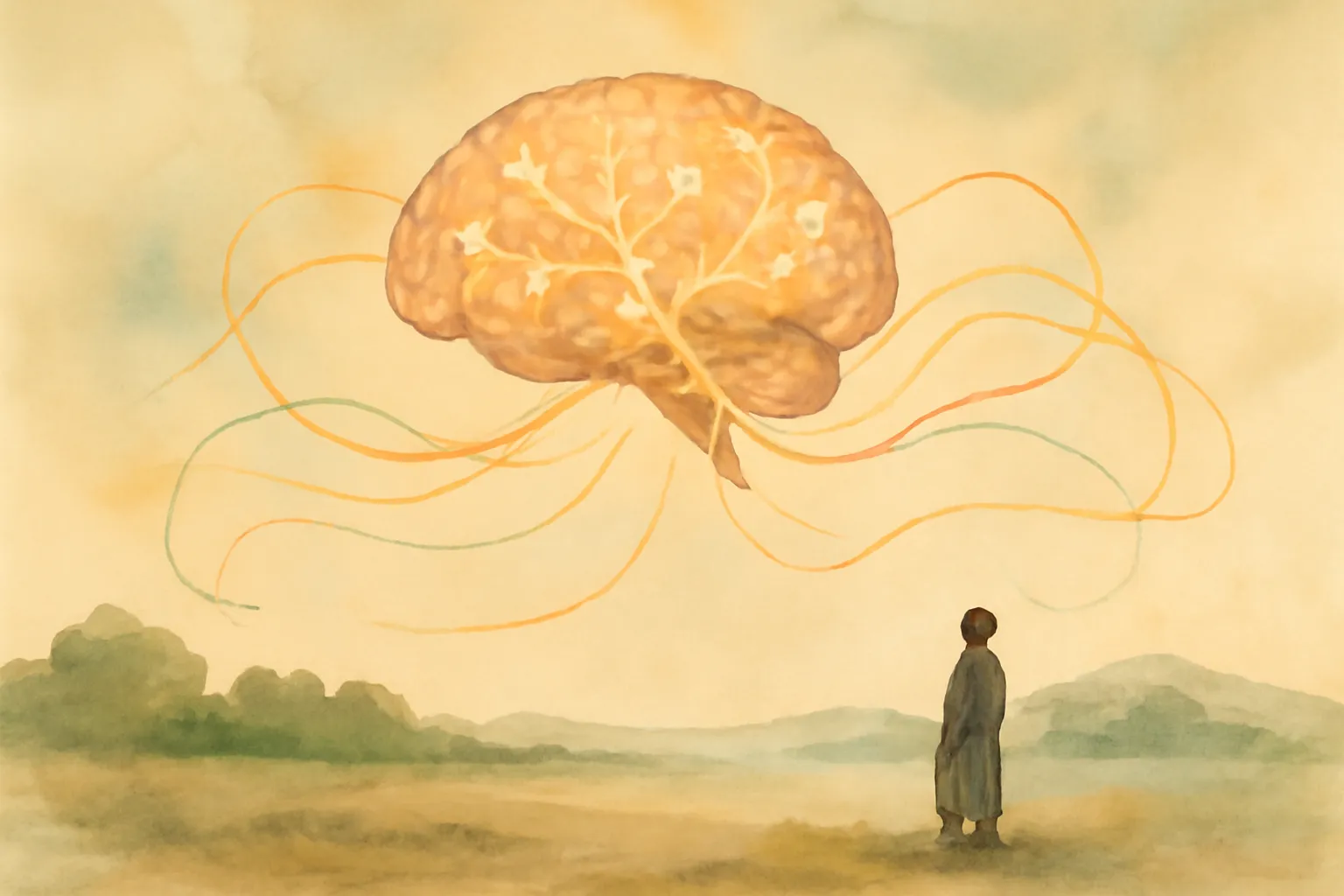
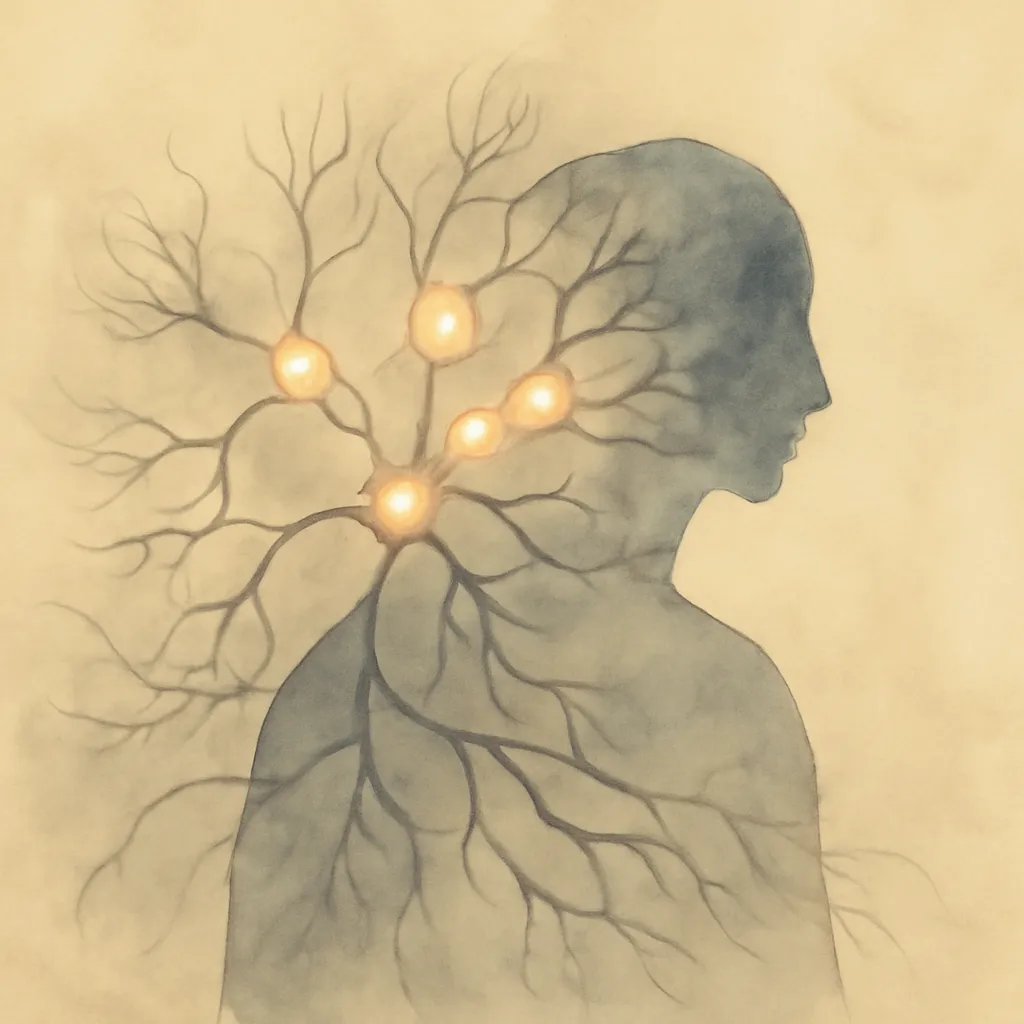
Damasio argues that the self is not a mystical or purely philosophical concept, but a biological process rooted in the brain’s mapping of the body. He explains that our sense of self emerges from the brain’s continuous monitoring of internal bodily states, which provides a stable reference point for experience. This means that the self is not an abstract entity, but a dynamic pattern generated by neural activity interacting with the body.
2.Consciousness is Layered
Damasio distinguishes between different levels of consciousness: from the basic, core consciousness shared by many animals, to the more complex, autobiographical self unique to humans. Core consciousness is the simple awareness of the present moment, while extended consciousness involves memory, identity, and reflection. This layered approach helps explain how consciousness could have evolved and why it varies across species.
3.Emotions and Feelings as Foundations
A central claim is that emotions and feelings are not mere add-ons to rational thought, but foundational to the construction of the self. Damasio shows that feelings arise from the body’s responses to internal and external stimuli, and that these feelings are essential for consciousness. Without the emotional mapping of our bodily states, the self could not emerge.
4.The Brain-Body Loop
Damasio emphasizes the constant feedback loop between the brain and the body. The brain monitors the body’s internal states and, in turn, the body influences brain processes. This loop is essential for maintaining homeostasis, but it also underpins the development of the self and conscious thought. The implication is that mind and body are inseparable in the creation of the self.
5.Implications for Understanding Mind and Identity
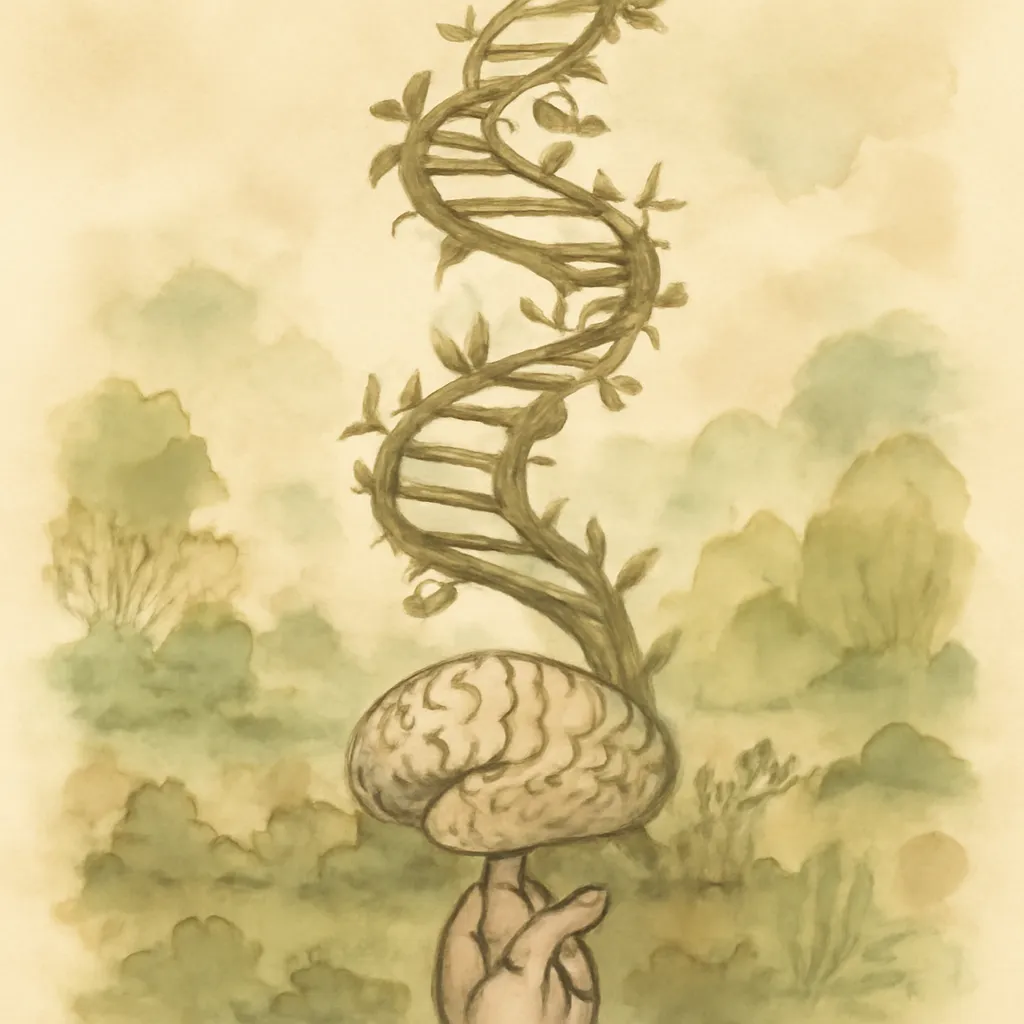
By rooting the self in biology, Damasio challenges Cartesian dualism and opens new perspectives on identity, mental health, and even artificial intelligence. If the self is a process, not a thing, then our sense of identity is always in flux, shaped by ongoing biological and environmental interactions. This view has profound implications for how we understand consciousness, treat brain disorders, and approach the mind-body problem.
6.Consciousness as a Biological Advantage
Damasio suggests that consciousness, and the self it enables, evolved because they provide significant adaptive advantages. A conscious self allows for flexible decision-making, social cooperation, and long-term planning. This evolutionary perspective grounds the mind in the practical challenges faced by living organisms, rather than in abstract philosophy.