1.Brains Evolved for Body Budgeting
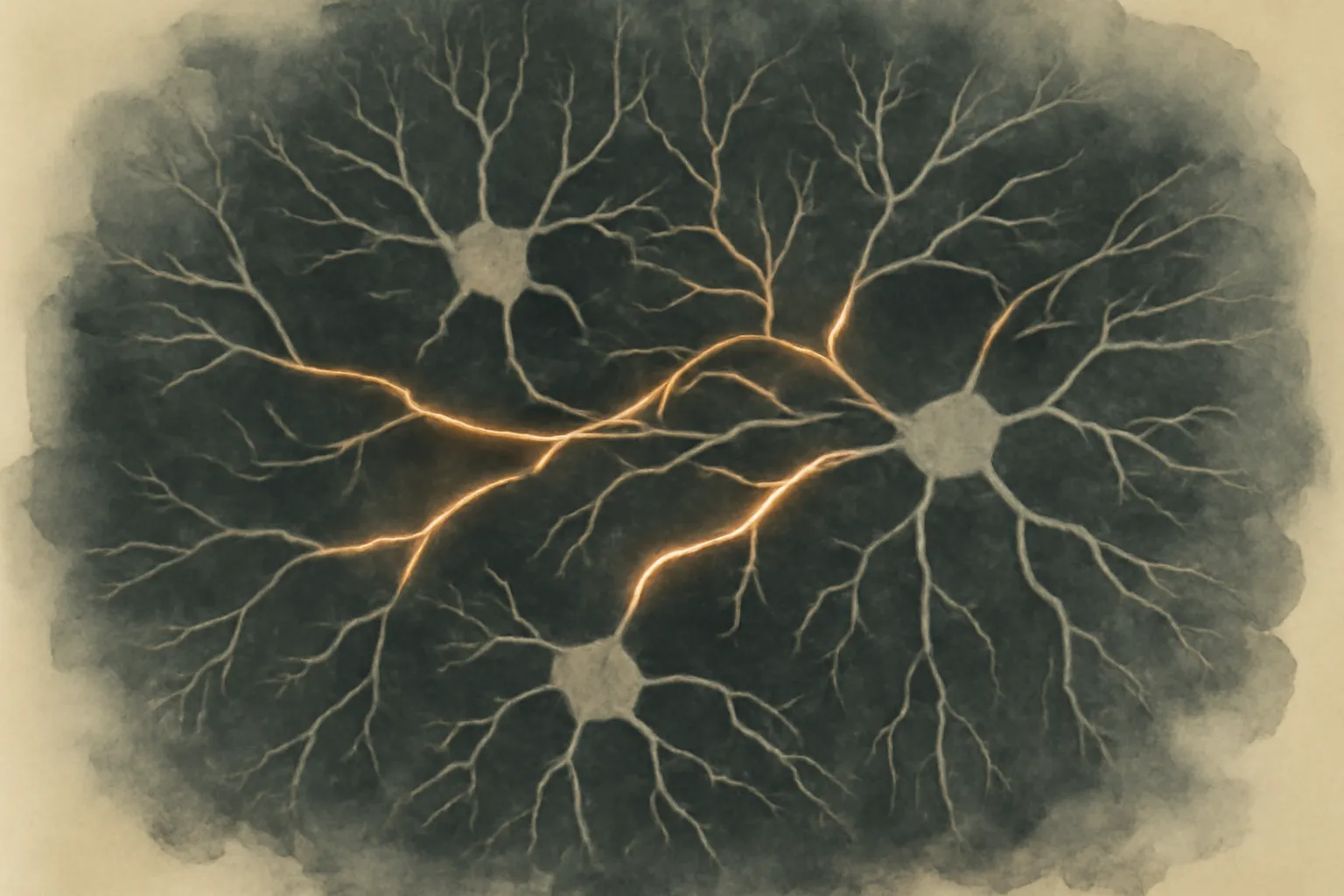
Barrett argues that the primary purpose of the brain is not thinking or feeling, but managing the body’s resources—what she calls 'body budgeting.' This means the brain’s core function is to predict and regulate the body’s needs, ensuring survival. Thoughts, emotions, and perceptions are all in service of this underlying mission. Understanding this reframes mental life as deeply connected to physical well-being, challenging the common view of the brain as a computer or emotion machine.
2.The Myth of the 'Triune Brain'
The popular notion that we have a 'lizard brain' layered beneath more advanced mammalian structures is debunked. Barrett explains that brain evolution is not like adding new floors to a building; instead, the brain is a complex, integrated network. This insight dispels the idea that our behavior is a constant battle between primitive impulses and rational thought, suggesting a more nuanced interplay.
3.Brains Are Not Hardwired
Contrary to the belief that brains are fixed at birth, Barrett emphasizes the brain’s plasticity. Each brain is uniquely shaped by experience, culture, and environment. This means our mental capacities and even our personalities are not predetermined, but continuously constructed and reconstructed throughout life.
4.Your Brain Predicts, Not Just Reacts
A central theme is that the brain is fundamentally predictive, not reactive. It constantly anticipates what will happen next, using past experiences to interpret the present and prepare for the future. This predictive nature explains why perception, emotion, and action are so deeply intertwined, and why our experiences can be shaped by expectation as much as by reality.
5.Emotions Are Constructed, Not Universal
Barrett challenges the idea that emotions are universal, hardwired responses. Instead, she presents emotions as constructed experiences, shaped by culture, language, and individual history. This perspective has profound implications for understanding ourselves and others, as it suggests emotional life is flexible and context-dependent.
6.Brains Are Social Organs
The book highlights how brains are designed to work in concert with other brains. Our social interactions are not just psychological but deeply biological, affecting our body budgets and even our health. This underscores the importance of relationships and social context in shaping who we are.
7.Nature and Nurture Are Inseparable
Barrett argues that the classic debate between nature and nurture is misguided. Genes and environment are inextricably linked in brain development and functioning. This means that who we become is the result of ongoing, dynamic interaction between biology and experience.