1.Relativity: Space and Time Intertwined
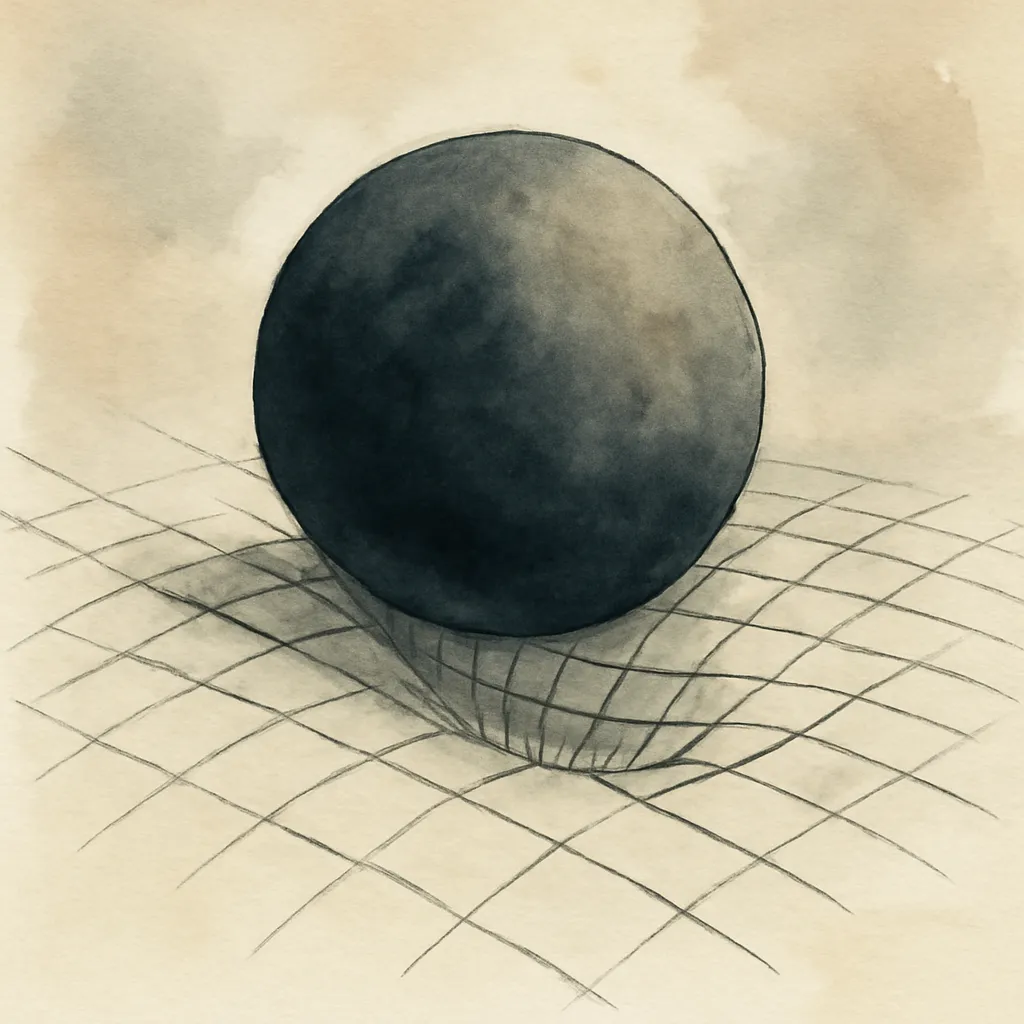
Rovelli begins by demystifying Einstein’s general relativity, emphasizing how space and time are not separate, static entities but dynamic, interwoven fabric. Gravity, he explains, is not a force acting at a distance but the warping of space-time itself by mass and energy. This shift in perspective upended centuries of thinking and set the stage for modern cosmology, showing that reality is more fluid and interconnected than our senses suggest.
2.Quantum Mechanics: The Uncertainty of Reality
The book explores quantum theory’s counterintuitive world, where particles exist in states of probability rather than certainty. Rovelli highlights how quantum mechanics challenges our notions of objectivity, suggesting that reality is deeply influenced by observation and interaction. This lesson underscores the limits of classical certainty and invites readers to embrace ambiguity as a fundamental feature of the universe.
3.The Architecture of the Cosmos
Rovelli paints a sweeping picture of the universe’s structure, from the vastness of galaxies to the subatomic particles that compose everything. He explains how the universe is a dynamic web, constantly evolving, and how our understanding of its architecture has grown through both theory and observation. This cosmic perspective encourages humility and curiosity about the unknown.
4.Particles: The Building Blocks of Matter
Delving into particle physics, Rovelli describes the Standard Model as a kind of periodic table for the fundamental constituents of matter. He conveys the elegance and strangeness of a world built from quarks, leptons, and force-carrying particles, and how their interactions give rise to the complexity we observe. The lesson highlights the unity underlying apparent diversity in nature.
5.Quantum Gravity: The Next Frontier
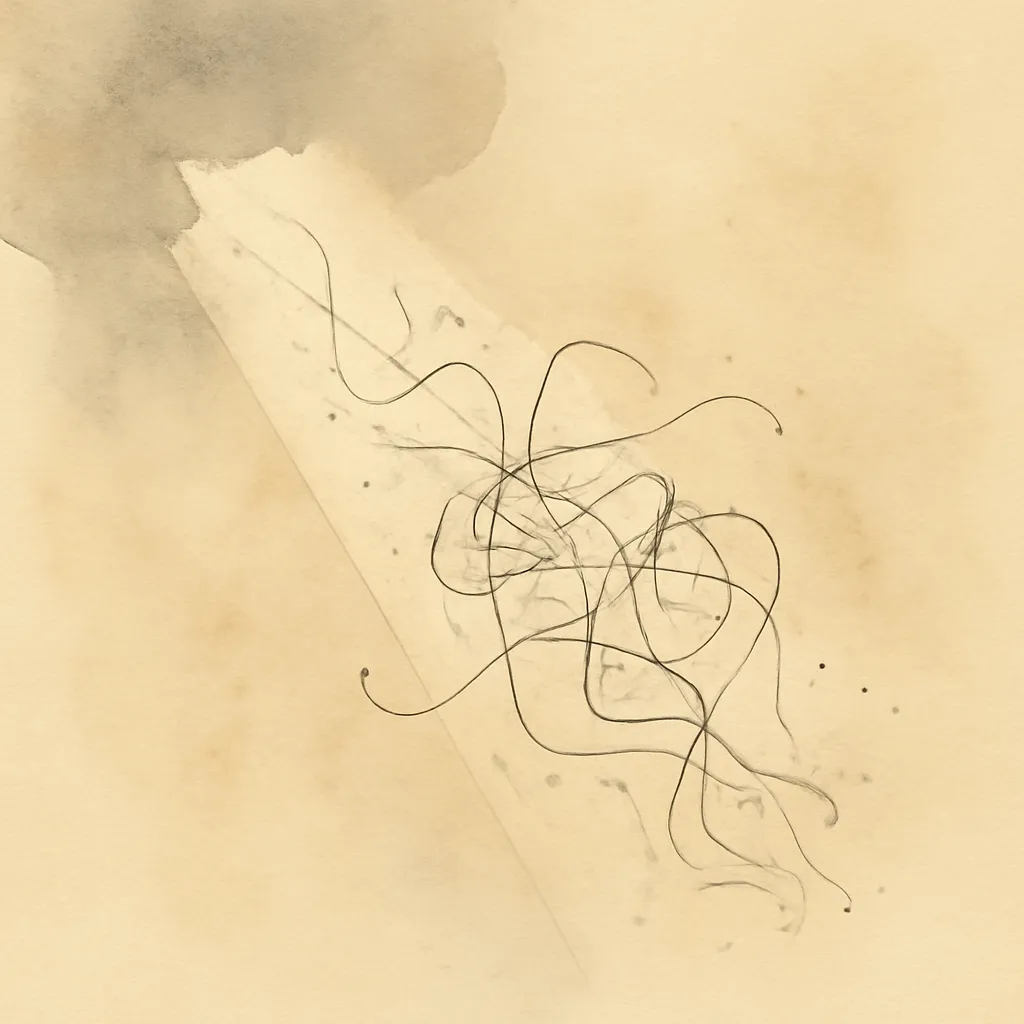
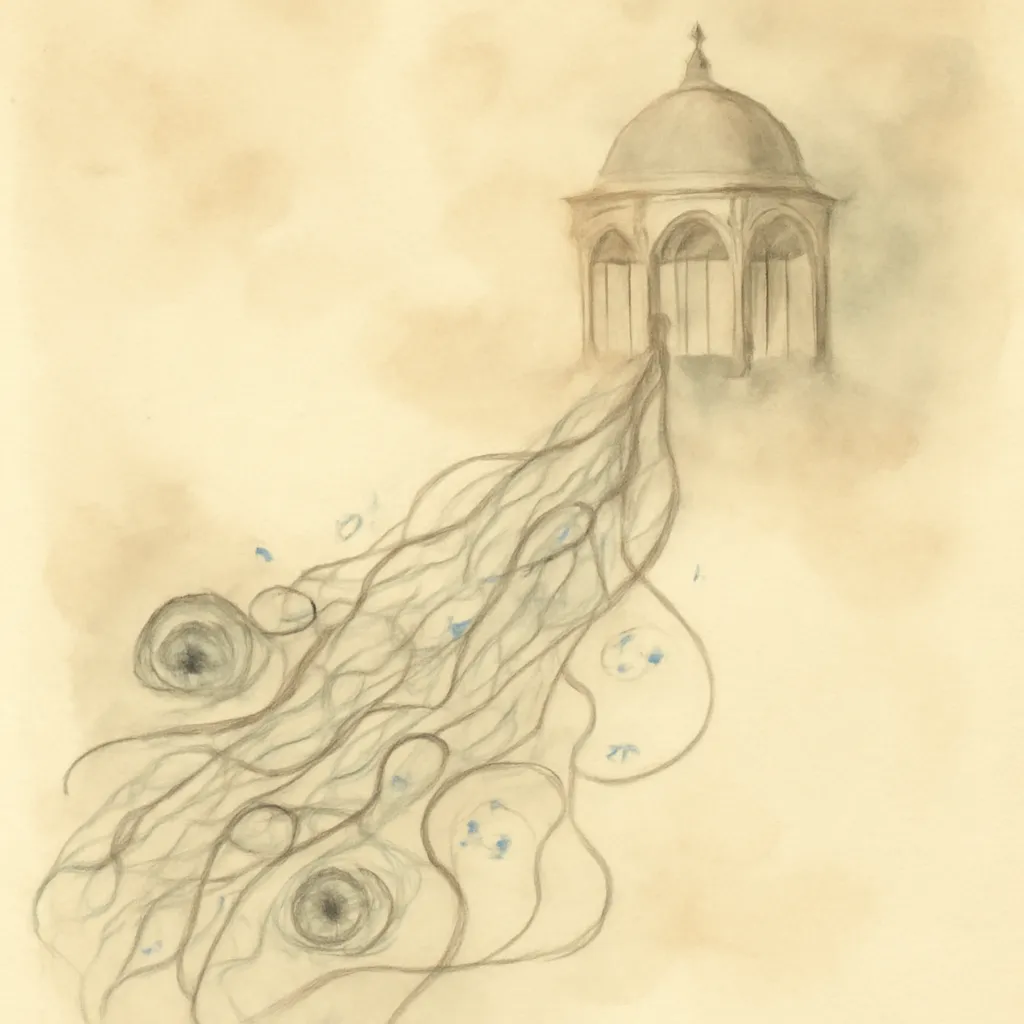
Rovelli introduces the challenge of reconciling general relativity with quantum mechanics—a quest that has led to theories like loop quantum gravity, his own area of expertise. He discusses the tantalizing possibility that space itself is granular, made up of discrete loops, and that time may not be fundamental. This search for a deeper theory is portrayed as an ongoing adventure at the frontiers of knowledge.
6.Black Holes and the Limits of Knowledge
The mystery of black holes serves as a metaphor for the boundaries of human understanding. Rovelli explains how black holes challenge our theories, especially regarding information and entropy, and how they force us to question what we can truly know. This lesson is a meditation on the humility required in science and the beauty of confronting the unknown.
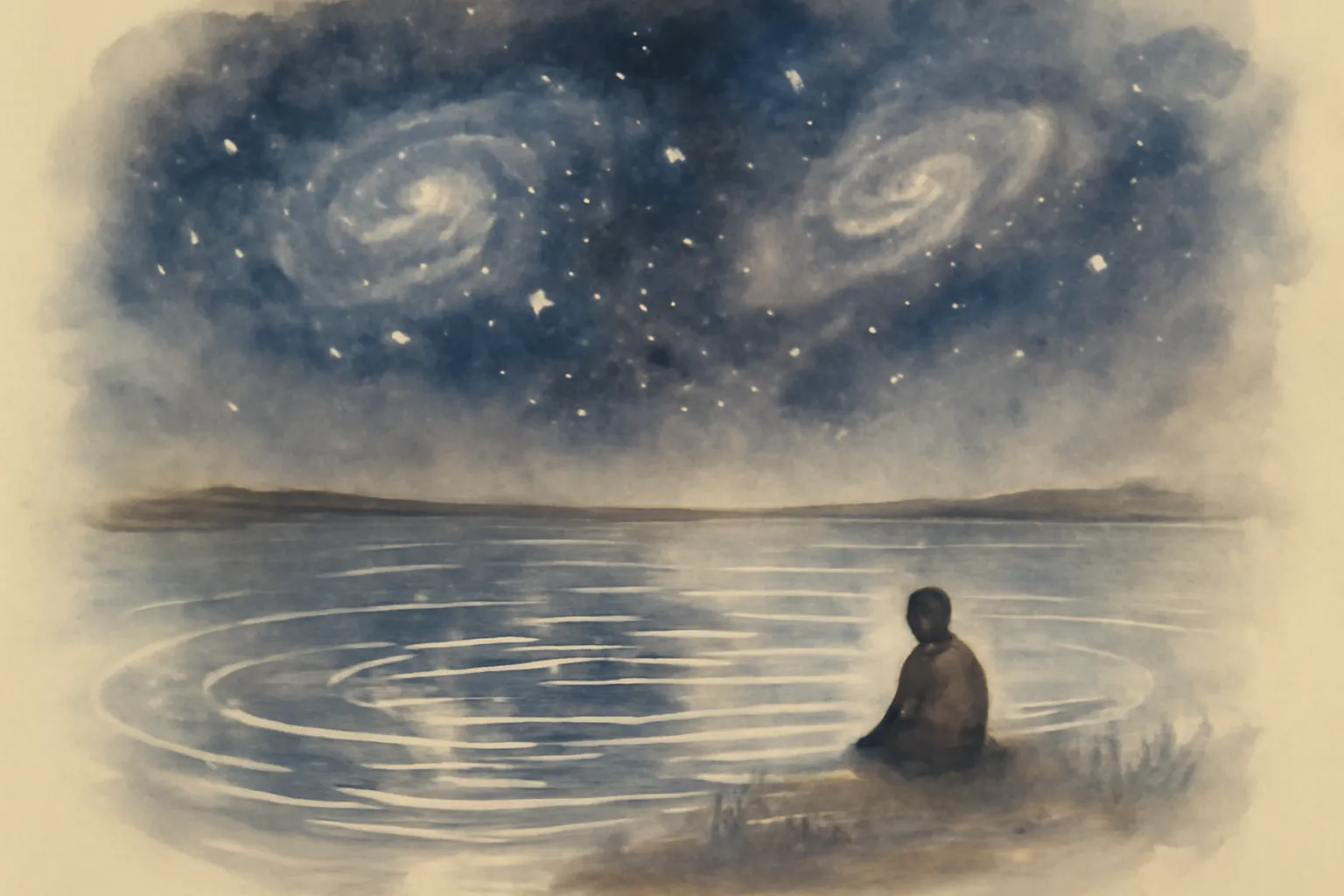
7.Humanity’s Place in the Cosmos
Rovelli closes by reflecting on how these scientific discoveries reshape our self-image. Instead of diminishing humanity, he argues, understanding the universe’s laws enhances our sense of belonging and wonder. Science becomes not just a technical pursuit, but a profoundly human one—an expression of curiosity, creativity, and awe.