1.The Myth of Natural Monogamy
Ryan and Jethá argue that the commonly held belief in natural human monogamy is a cultural construct rather than a biological imperative. Drawing on evidence from anthropology and primatology, they suggest that pre-agricultural humans lived in egalitarian groups where sexual exclusivity was rare. The book contends that the nuclear family and monogamous pair-bonding are relatively recent developments, shaped by the advent of agriculture, property, and inheritance.
2.Evidence from Our Primate Relatives
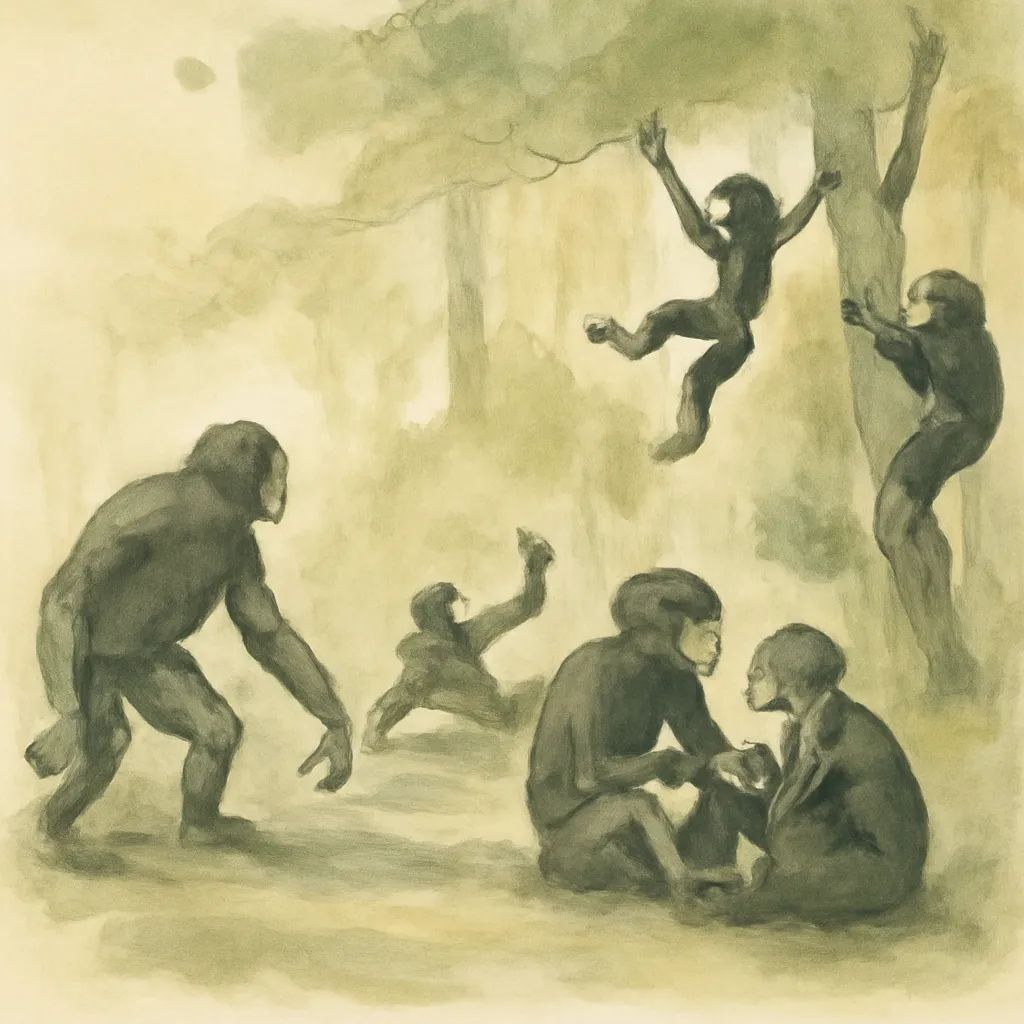
The authors compare human sexuality to that of our closest primate relatives, particularly bonobos and chimpanzees. These species exhibit high levels of promiscuity and social sexual behavior, which serve to strengthen group bonds and reduce conflict. Sex at Dawn uses these comparisons to argue that human sexual behavior is more flexible and communal than the strict monogamy seen in some other animals.
3.The Impact of Agriculture and Property
The transition to agriculture, according to the authors, fundamentally changed human social structures. With the rise of property and inheritance, sexual relationships became more regulated, and monogamy was institutionalized to ensure paternity certainty. The book suggests that many modern struggles with infidelity and dissatisfaction stem from this mismatch between our evolved sexual tendencies and the demands of agricultural society.
4.Rethinking Jealousy and Infidelity
Sex at Dawn challenges the idea that jealousy and sexual possessiveness are innate. Instead, it posits that these emotions are intensified by cultural expectations and social pressures. The authors argue that understanding our evolutionary past can help explain why infidelity is so common and why many people struggle with the constraints of monogamy.
5.Diversity in Human Sexual Expression
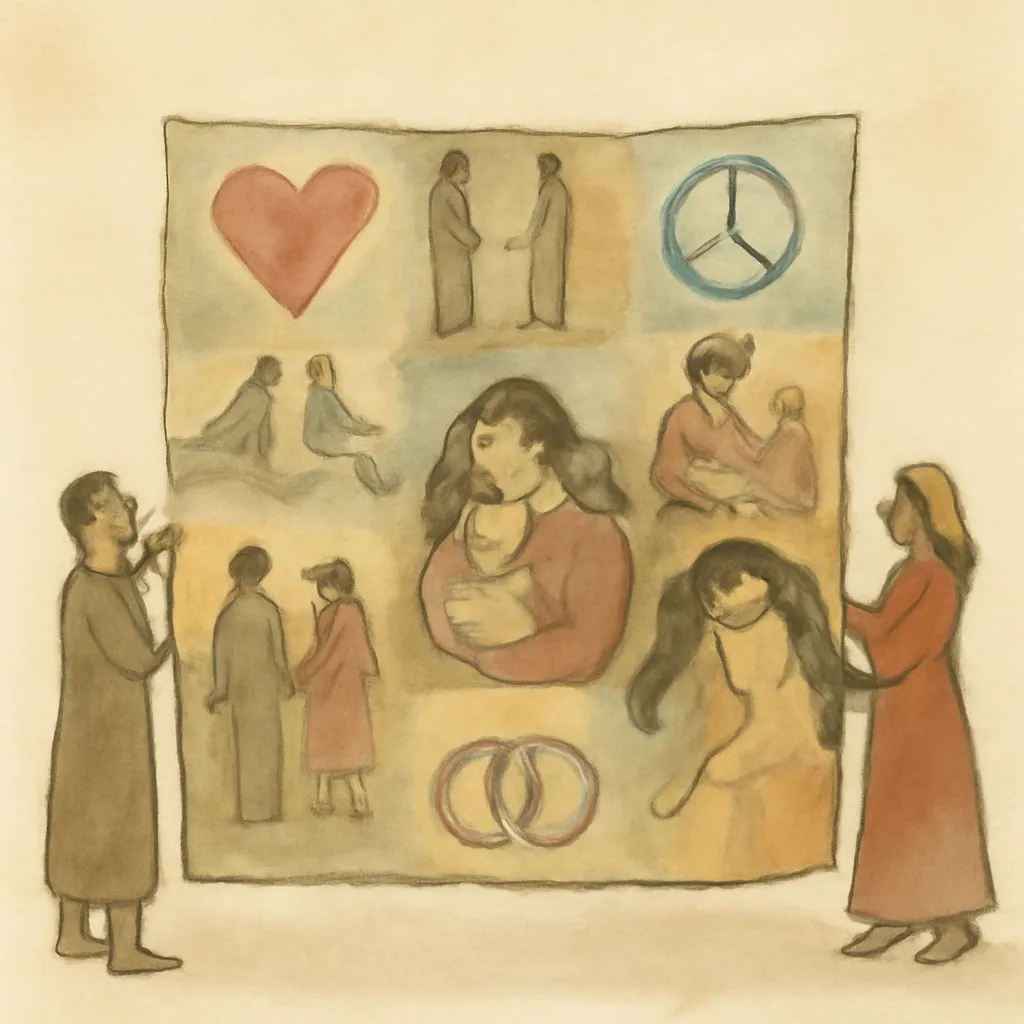
The book highlights the vast diversity of sexual arrangements and family structures across cultures and history. By examining societies with different norms around sexuality, the authors demonstrate that there is no single 'natural' way for humans to love, bond, or raise children. This diversity, they argue, should be embraced rather than suppressed.
6.Toward a More Compassionate Sexual Ethic
Ultimately, Ryan and Jethá advocate for a more open and compassionate approach to sexuality. By recognizing the evolutionary roots of our desires and the artificiality of some social constraints, they suggest we can reduce shame, improve communication, and foster healthier relationships.