1.The Allure and Danger of Immortality
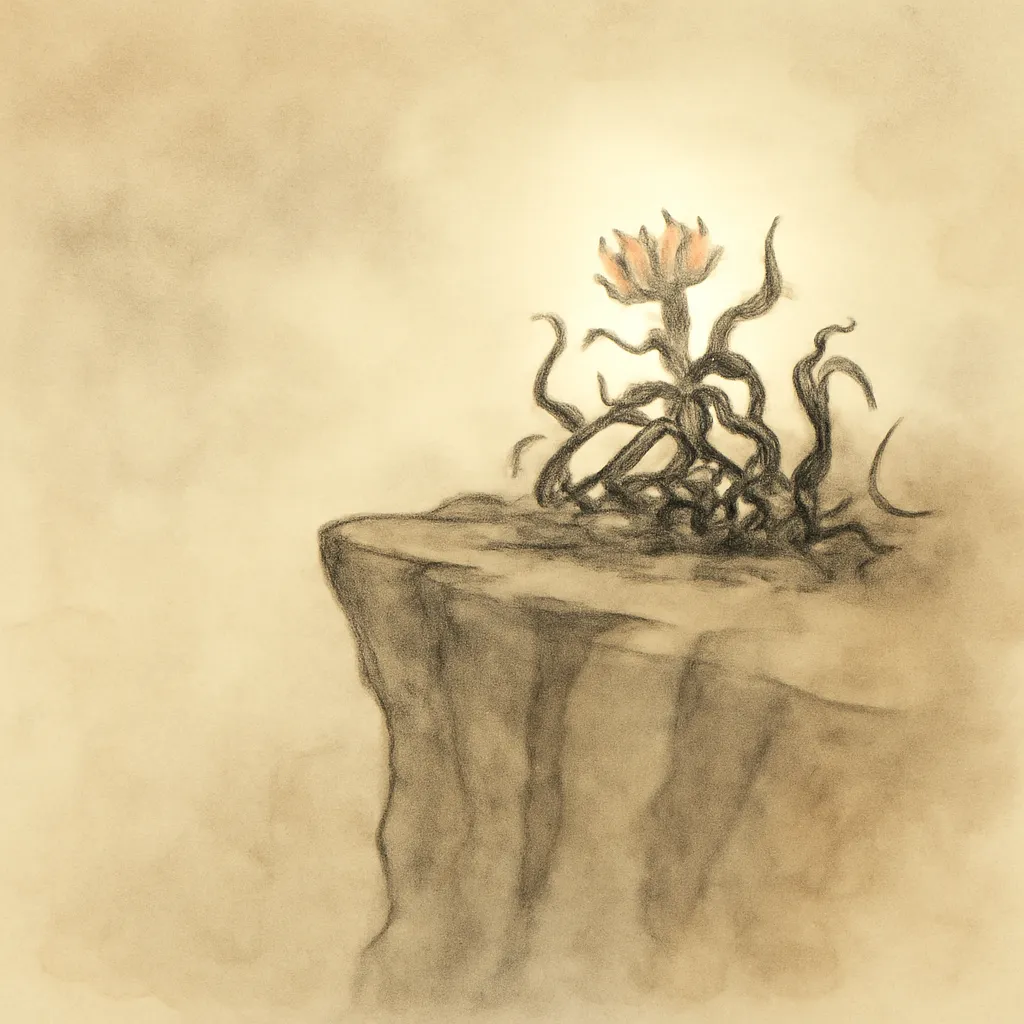
At the core of She is the figure of Ayesha, an immortal queen whose beauty and wisdom are matched only by her loneliness and arrogance. The novel explores the seductive appeal of eternal life, but also its isolating consequences. Ayesha’s immortality becomes both her greatest gift and her curse, raising questions about the value of mortality and the perils of seeking to transcend human limits.
2.Colonial Fantasies and the 'Lost World'
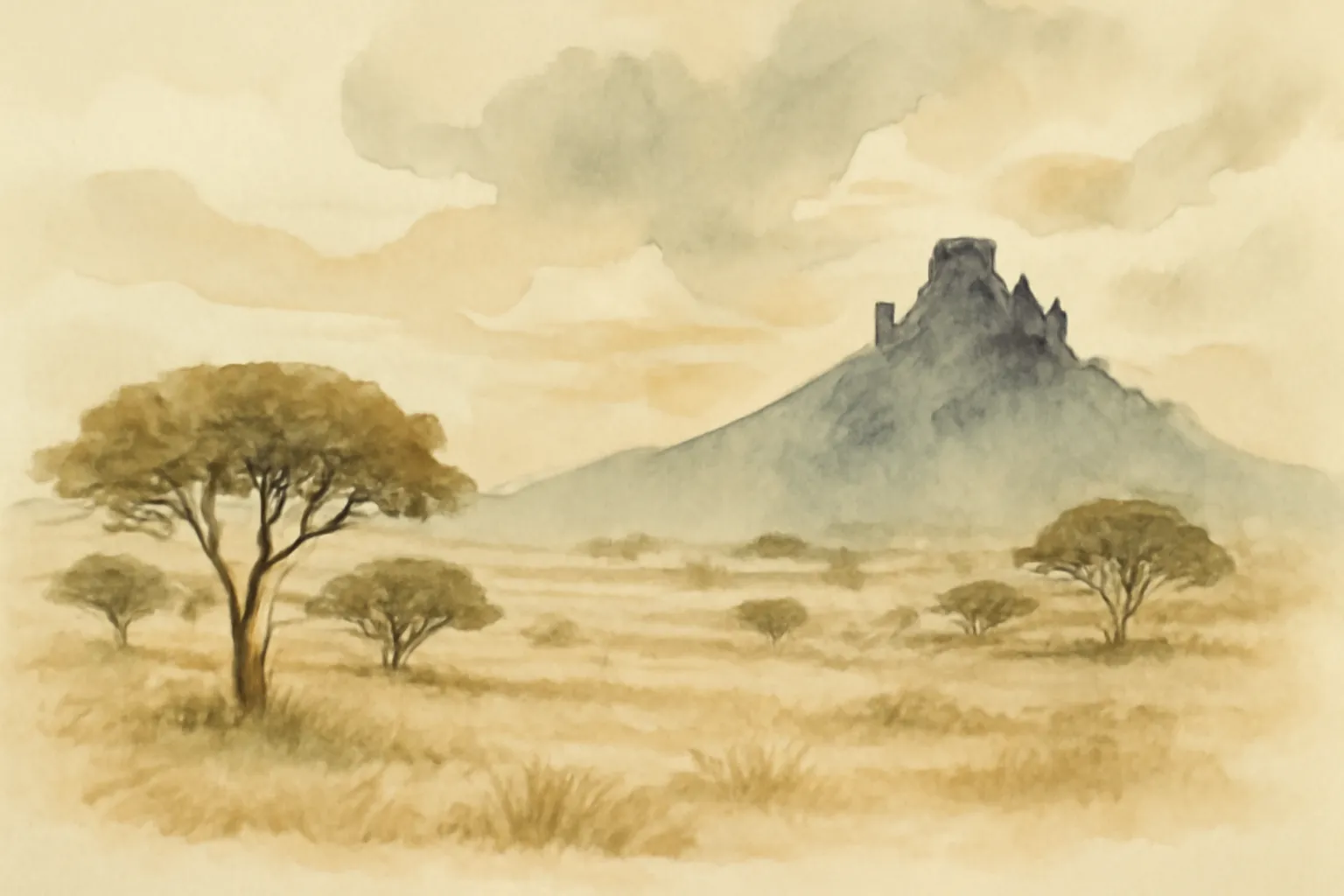
Set during the height of British imperialism, the novel reflects Victorian-era fascinations with unexplored territories and 'lost civilizations.' Haggard’s depiction of Africa is filtered through the lens of adventure and exoticism, revealing both the era’s curiosity and its prejudices. The story engages with the idea of the 'unknown' as a space for both discovery and projection of Western anxieties and desires.
3.Power, Gender, and Authority
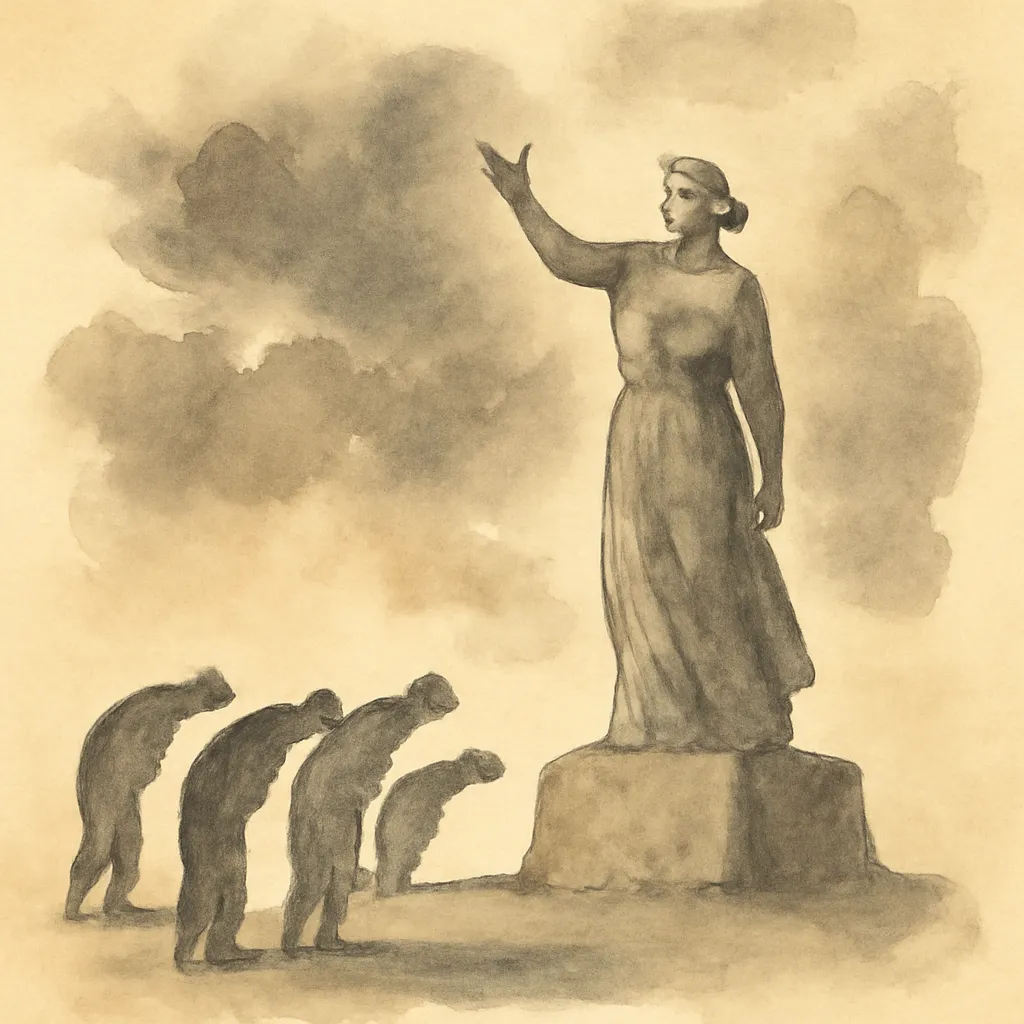
Ayesha is a rare figure in Victorian literature: a woman who wields absolute power over her kingdom and the men who enter it. Her rule is both awe-inspiring and terrifying, challenging contemporary notions of gender and authority. The novel interrogates the dynamics between male explorers and a female sovereign, exposing anxieties about female autonomy and the limits of patriarchal control.
4.The Limits of Rationality and Science
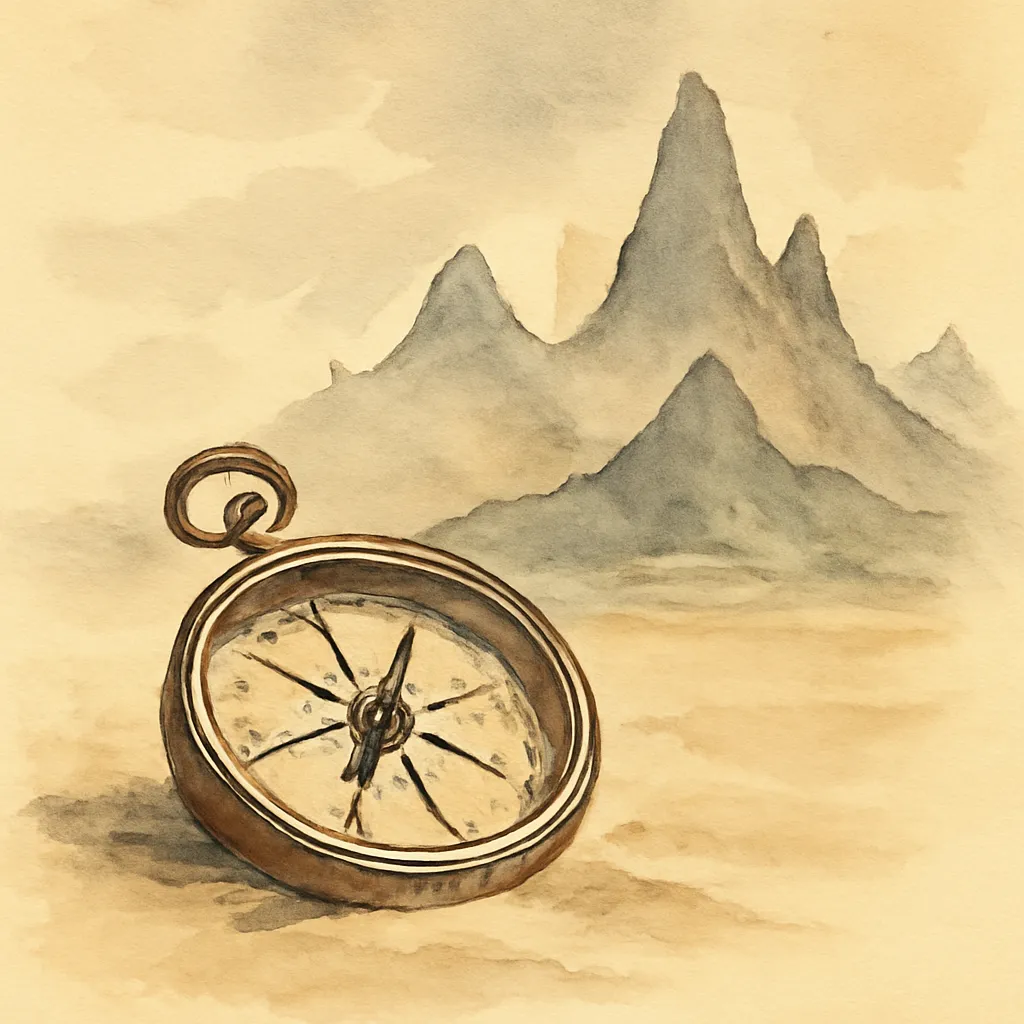
Despite the protagonists’ scientific backgrounds and rational outlooks, their journey repeatedly confronts them with supernatural phenomena and mysteries that defy explanation. Haggard uses their experiences to question the sufficiency of reason alone in understanding the world, suggesting that wonder, myth, and the unknown have enduring power.
5.Love, Obsession, and Destruction
The relationships in She are marked by obsession, longing, and ultimately, tragedy. Ayesha’s unwavering love for Kallikrates (and by extension, Leo) is both romantic and destructive, highlighting the dangers of unchecked passion and the inability to let go of the past. The novel probes the fine line between love and possession, and the ways in which desire can lead to ruin.
6.Civilization, Barbarism, and Moral Ambiguity
She blurs the boundaries between civilization and barbarism, both in its depiction of the lost kingdom and in the actions of its characters. The supposed superiority of Western civilization is called into question as the protagonists encounter a society with its own laws, customs, and forms of wisdom. The novel resists simple moral binaries, leaving readers to ponder the complexity of cultural encounters.