1.The Power of Place
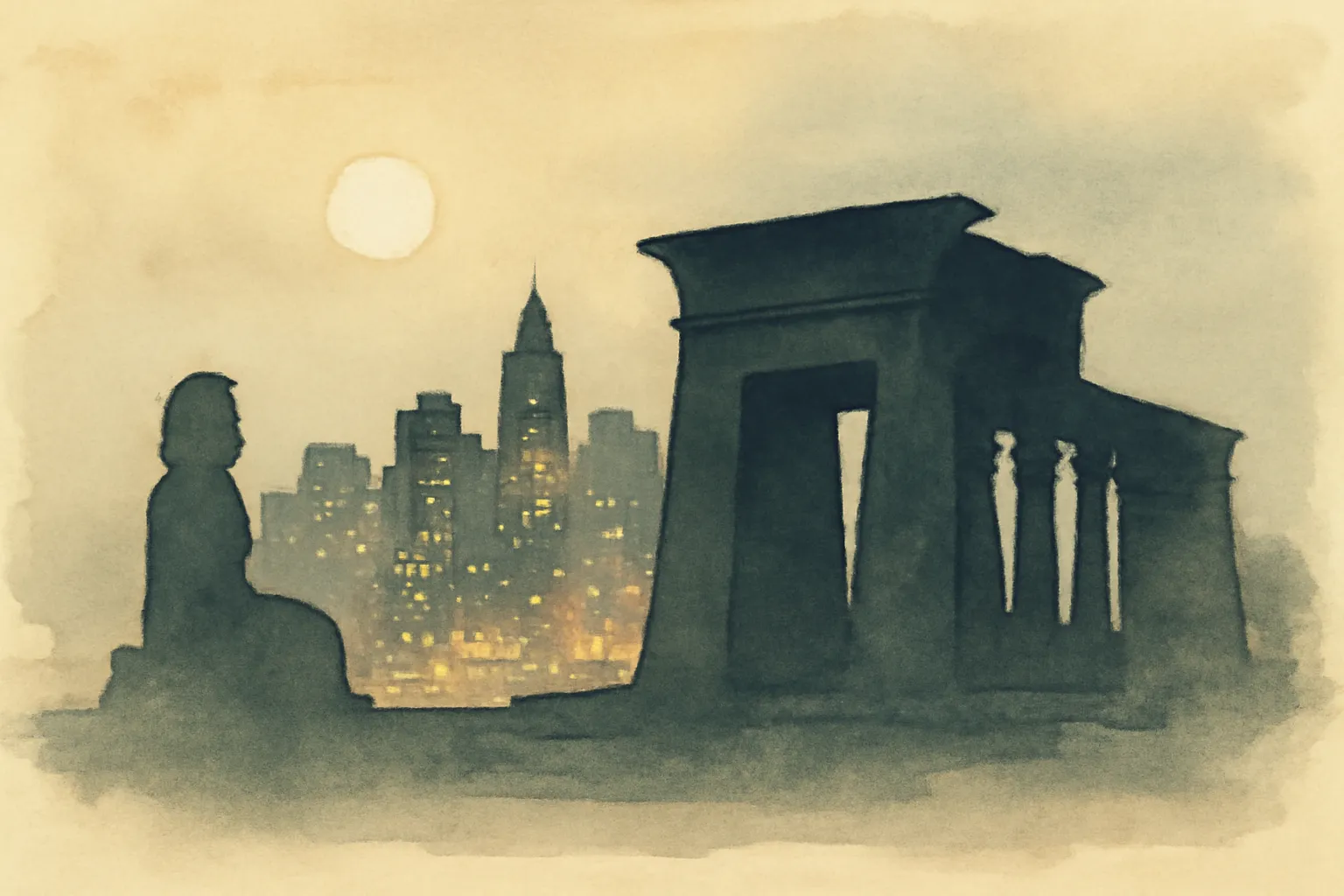
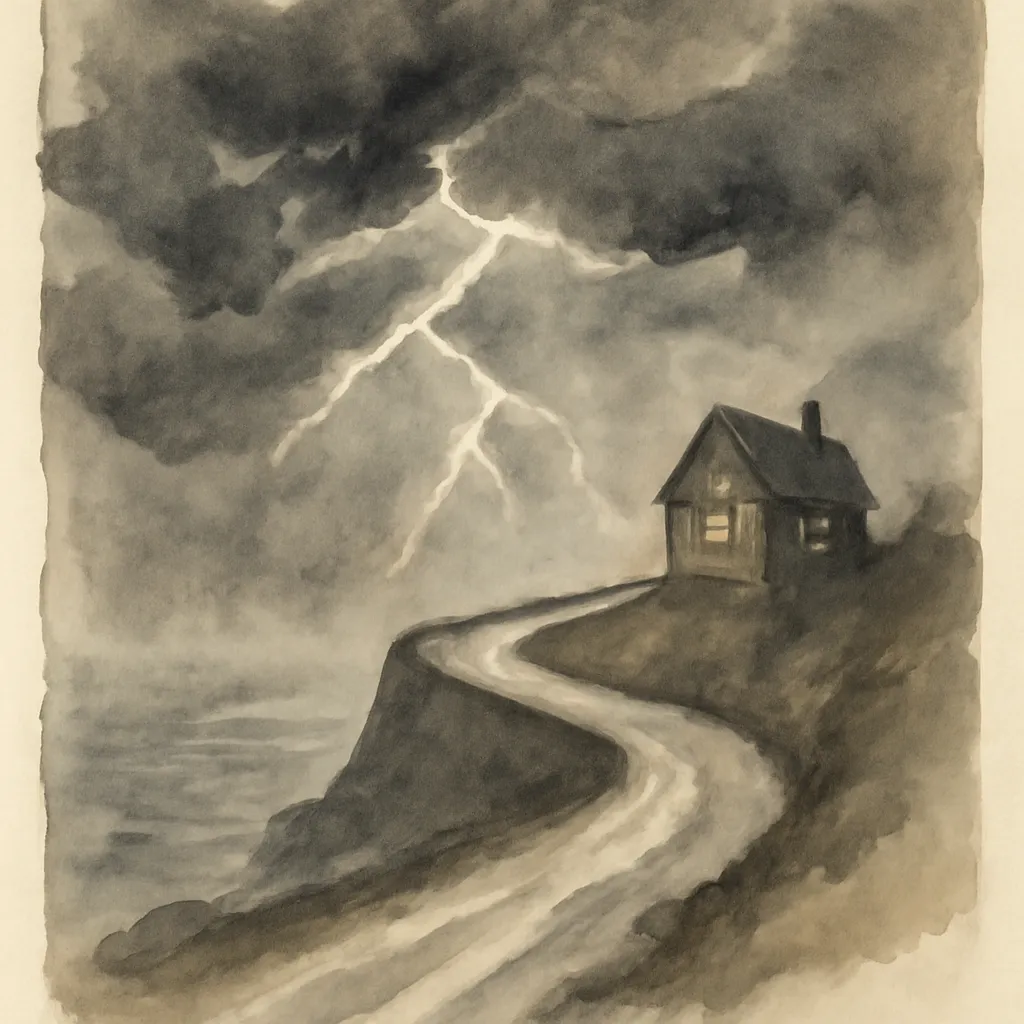
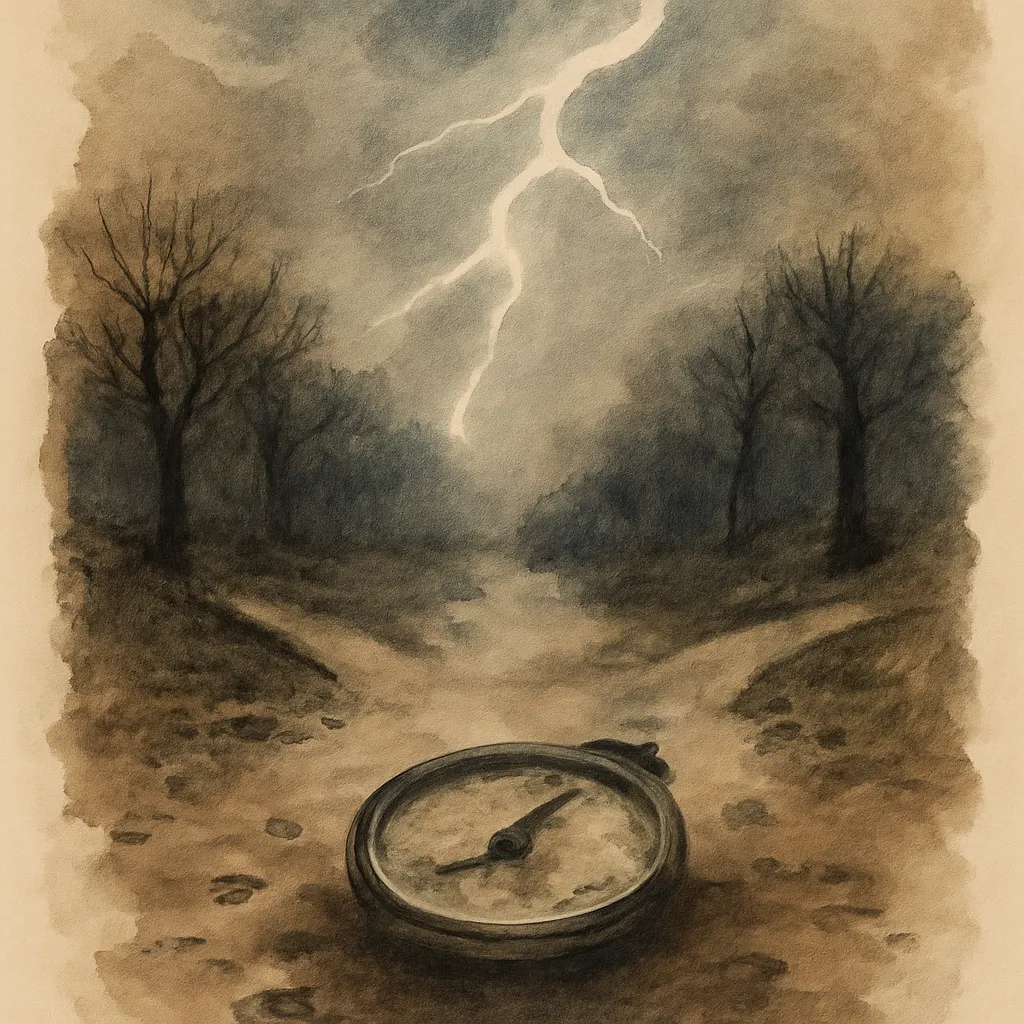
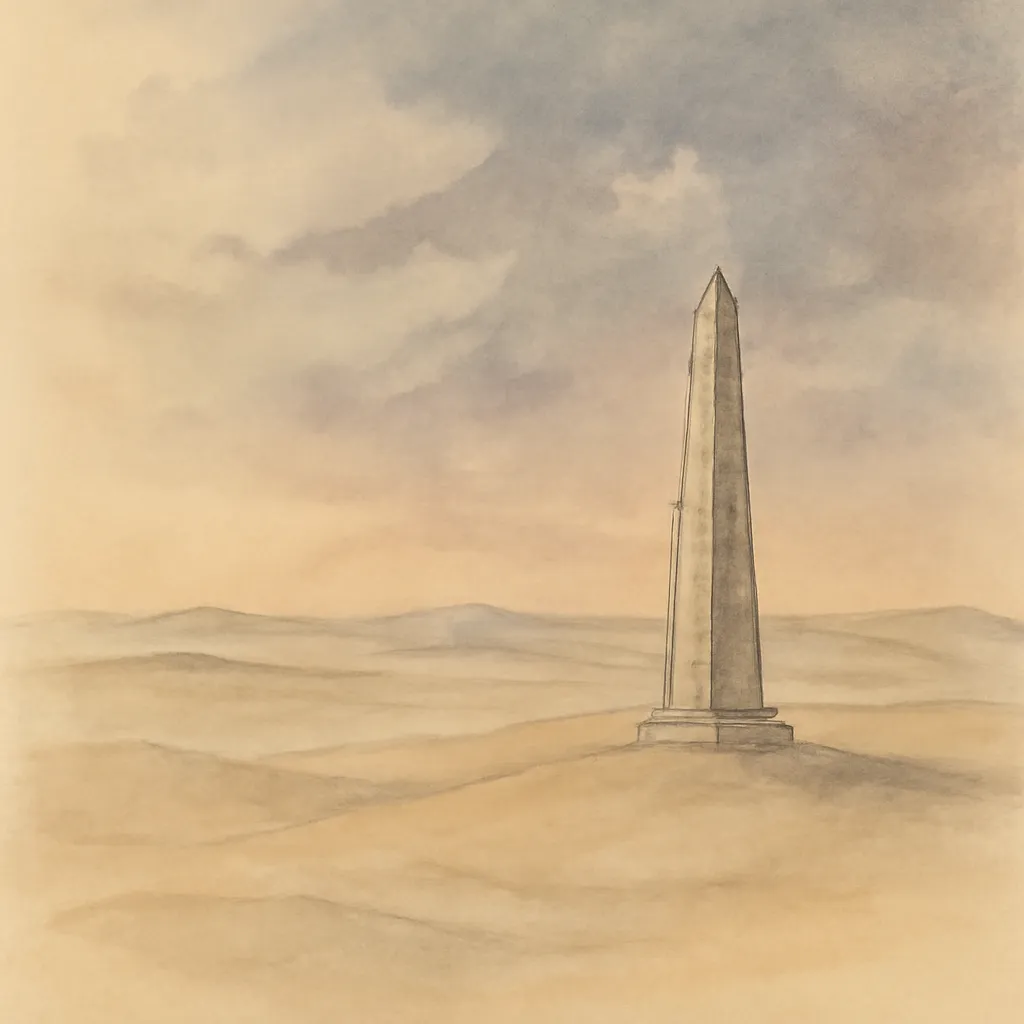
The novel opens with Barry Cumberland navigating a stormy road that symbolizes both his emotional turmoil and the unpredictable nature of life. The vivid descriptions of the landscape, particularly the house perched on the edge of a ravine, serve as a metaphor for Barry's precarious situation. This setting acts as a catalyst for the unfolding drama, illustrating how our environment shapes our experiences and decisions. The stark contrast between the vibrant life of New York City and the ancient mysteries of Egypt highlights the duality of Barry's existence, as he finds himself torn between the mundane and the extraordinary. The house, shrouded in darkness and mystery, becomes a focal point for Barry's inner conflict and foreshadows the adventures that await him, inviting readers to consider how places can embody memories and emotions in powerful ways.
2.The Intersection of Dreams and Reality
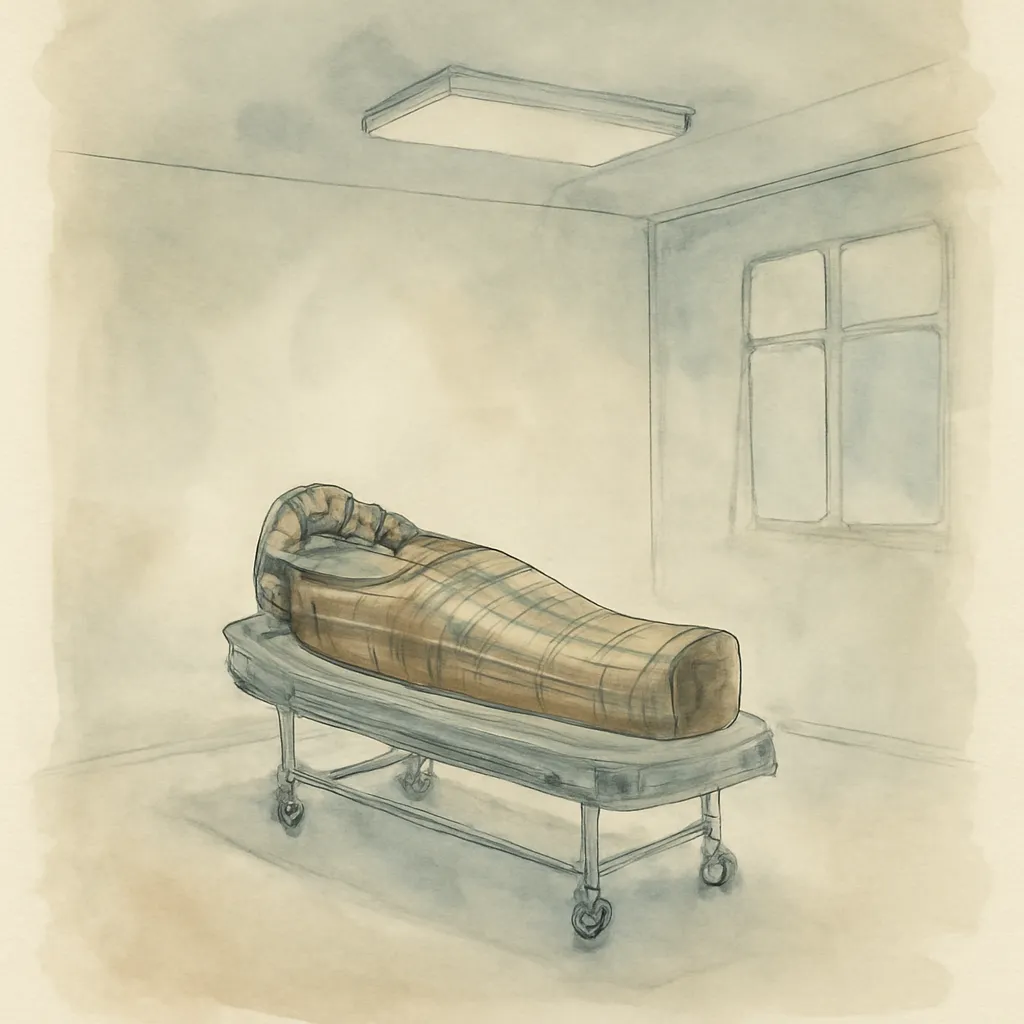
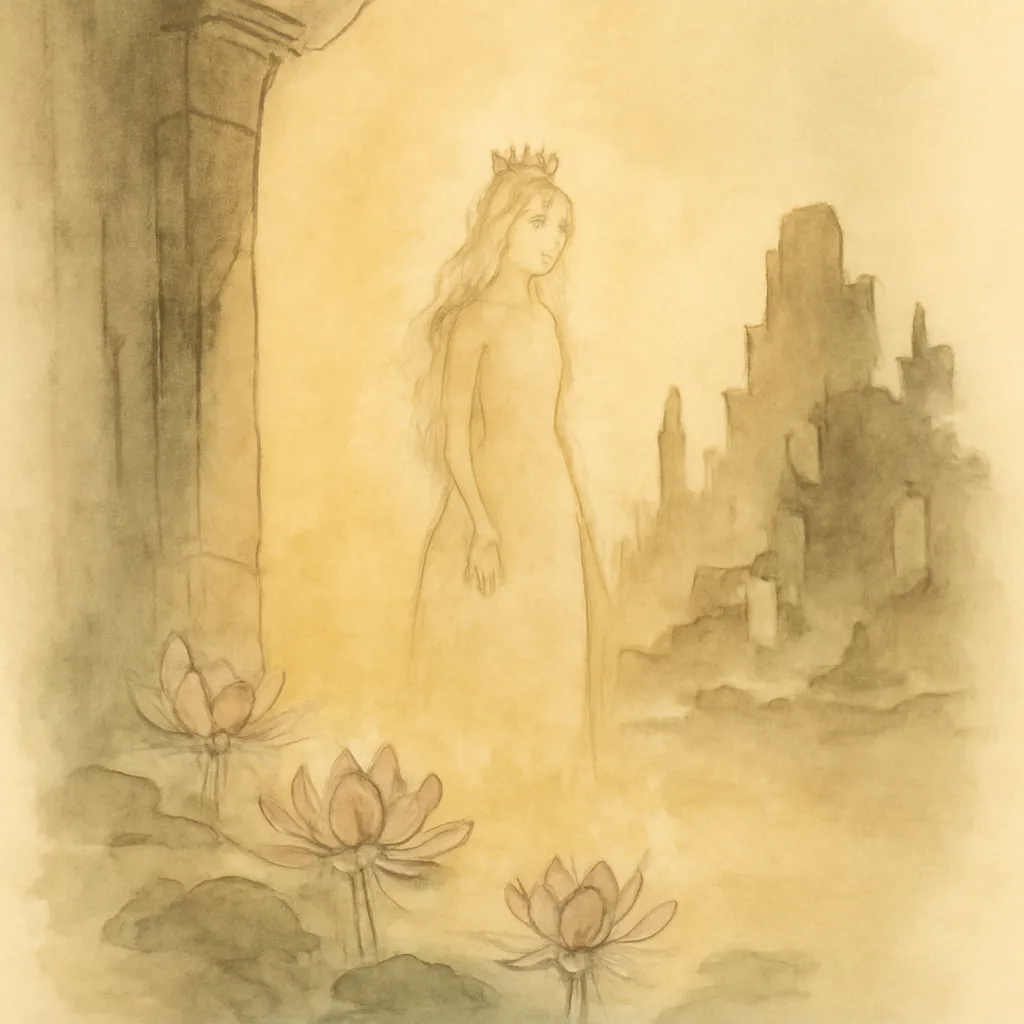
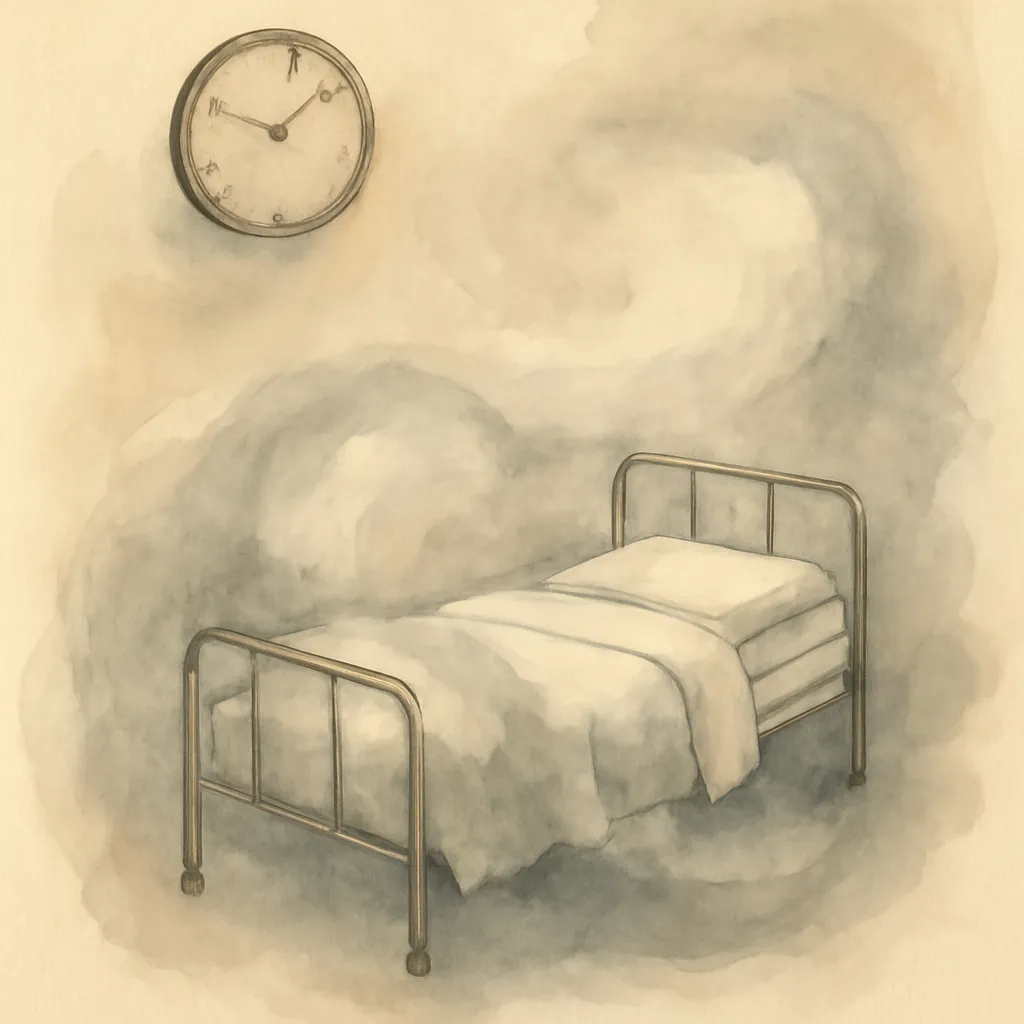
Barry's journey begins with a peculiar dream that blurs the lines between reality and the supernatural. His vision of a beautiful priestess in an Egyptian temple raises questions about the nature of dreams and their influence on our waking lives. As he awakens in a sterile white room, the stark contrast to his dream world underscores the novel's exploration of how our subconscious can shape our reality. This interplay between dreams and reality becomes a recurring theme, as Barry's determination to unearth the truth behind his visions propels him into an extraordinary adventure. The strong connection between Barry's dreams and his experiences serves as a narrative device that invites readers to reflect on their own dreams and the ways in which they influence personal aspirations and fears. The dream symbolizes an idealized version of love and beauty, enticing Barry to pursue a path that leads him away from the ordinary and into the extraordinary realm of Egyptology.
3.Family Legacy and the Weight of Expectation
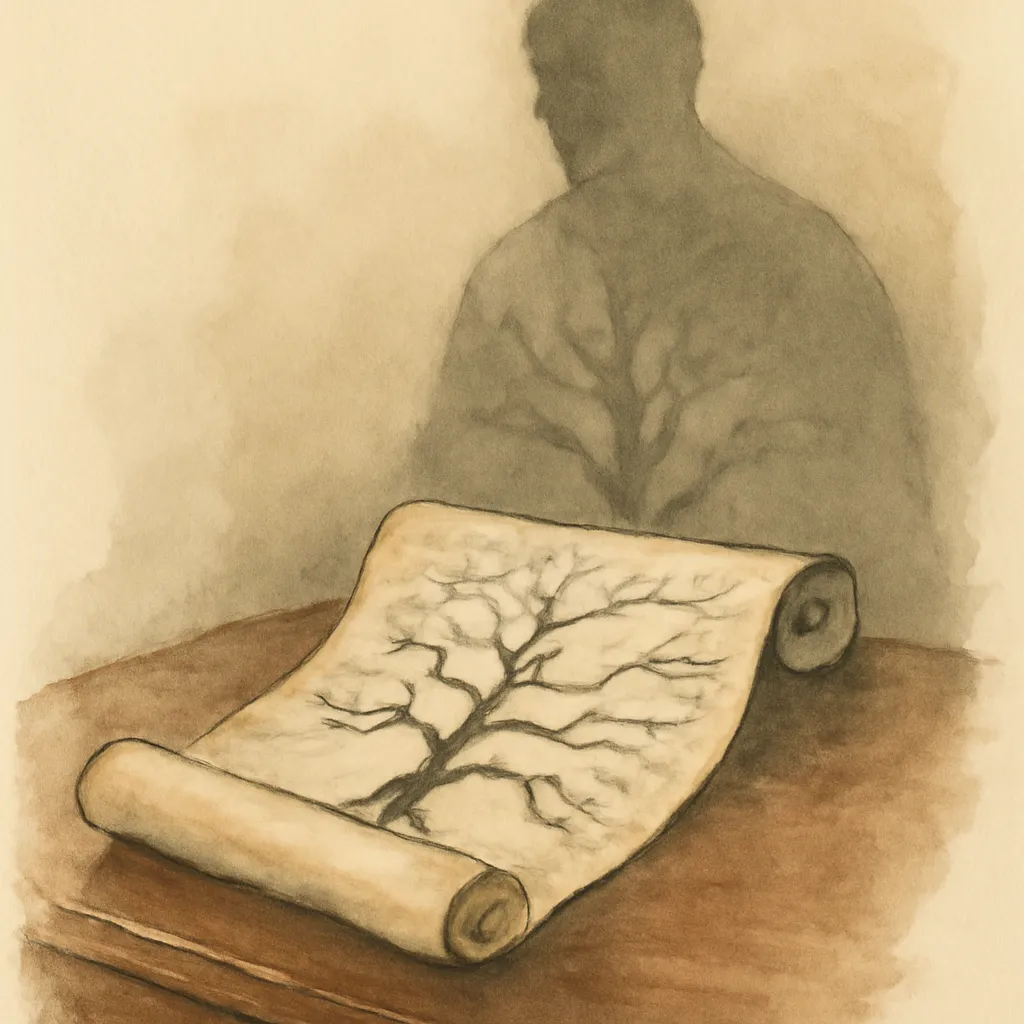
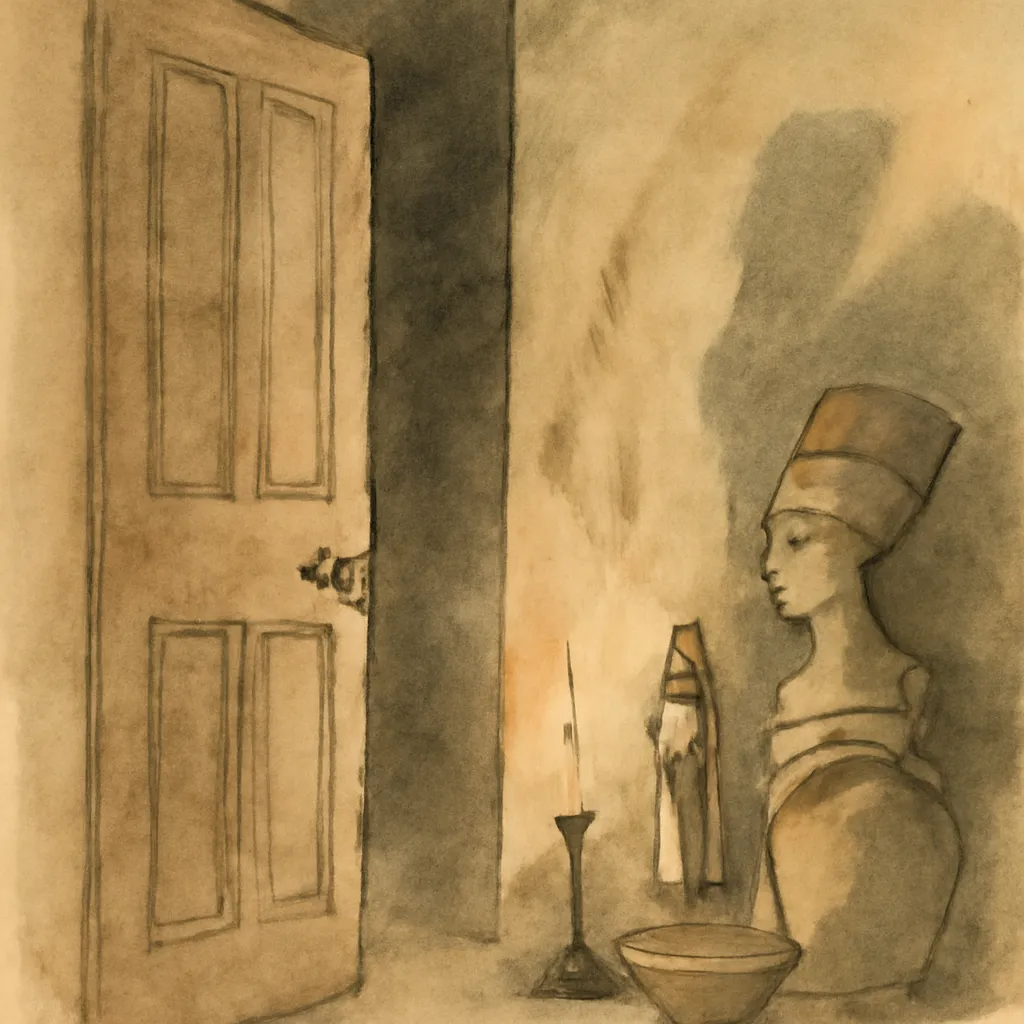
Barry Cumberland's relationship with his father, John Cumberland, reveals the complexities of familial bonds and the expectations that come with them. John's obsession with Egyptology serves as both a connection and a barrier between them, as Barry grapples with his own identity in the shadow of his father's passions. The library, filled with Egyptian artifacts, symbolizes John's legacy and the weight of tradition that Barry must navigate. This dynamic highlights the struggle between personal ambition and familial duty, a theme that resonates with many readers as they confront their own familial relationships and aspirations. Barry’s internal conflict reflects a universal struggle where the desire to honor one’s family collides with the yearning for independence and self-discovery. As Barry seeks to carve out his own identity, he must confront the expectations his father holds, leading to moments of tension and revelation that deepen their relationship.
4.The Allure of the Unknown
The mystery surrounding the house and the woman Barry calls 'the princess' reflects humanity's enduring fascination with the unknown. The absence of concrete answers only deepens Barry's obsession, driving him to seek out the truth despite the risks involved. This quest for knowledge is a central theme in the novel, as Barry's determination to uncover the secrets of the past leads him to unexpected revelations. The allure of the unknown is not just a plot device; it serves as a commentary on the human condition and our intrinsic desire to explore what lies beyond our understanding. The narrative positions the unknown as a source of both fear and inspiration, compelling Barry—and readers—to face their own uncertainties. This exploration invites us to consider how much of our lives is governed by curiosity and the uncharted territories that beckon us, suggesting that the pursuit of knowledge often comes at a personal cost.
5.Romantic Idealism vs. Harsh Reality
Barry's infatuation with the mysterious princess embodies the romantic idealism that often clashes with the harsh realities of life. His visions of her are imbued with a sense of otherworldly beauty and grace, yet as he delves deeper into the mystery, he is forced to confront the complexities of human relationships. The tension between his idealized perceptions and the reality of his circumstances underscores the novel's exploration of love as both a transcendent force and a source of personal struggle. Barry's encounters with the princess blur the lines between fantasy and reality, illustrating how love can inspire but also lead to disillusionment. This duality invites readers to reflect on their own experiences with love, as the story examines the ways in which idealized notions of romance can conflict with the imperfections of real life and interpersonal connections.
6.The Role of Fate and Destiny
Fate plays a significant role in 'She Who Sleeps', guiding Barry towards his destiny in ways that are both enigmatic and profound. The recurring motifs of storms and darkness foreshadow the trials he must face, suggesting that his journey is preordained. This theme of destiny intertwines with the characters' actions, raising questions about free will and the extent to which we control our own fates. As Barry navigates the challenges before him, the novel prompts readers to consider how much of life is determined by chance versus personal choice. The characters interact with fate in nuanced ways, with some embracing their paths while others resist, leading to moments of revelation and transformation. This exploration of destiny highlights the tension between acceptance and resistance, encouraging readers to ponder their own beliefs about fate and the nature of their journeys.
7.Cultural Clashes and Colonial Echoes
The novel subtly addresses the cultural tensions between the Western world and ancient Egypt, particularly through the character of Danbazzar, who embodies a blend of Eastern mystique and Western ambition. As Barry interacts with Danbazzar and other characters, the narrative explores themes of cultural appropriation, exoticism, and the legacy of colonialism. This tension is palpable in their interactions, as Barry grapples with his own perceptions of Egypt and its rich history. The portrayal of Egypt as both a land of wonder and a site of exploitation invites readers to reflect on the complexities of cultural exchange and the responsibilities that come with it. The novel serves as a reminder of how the past continues to shape contemporary identities and relationships, urging readers to examine their own roles in the preservation and appreciation of different cultures.
8.The Quest for Identity
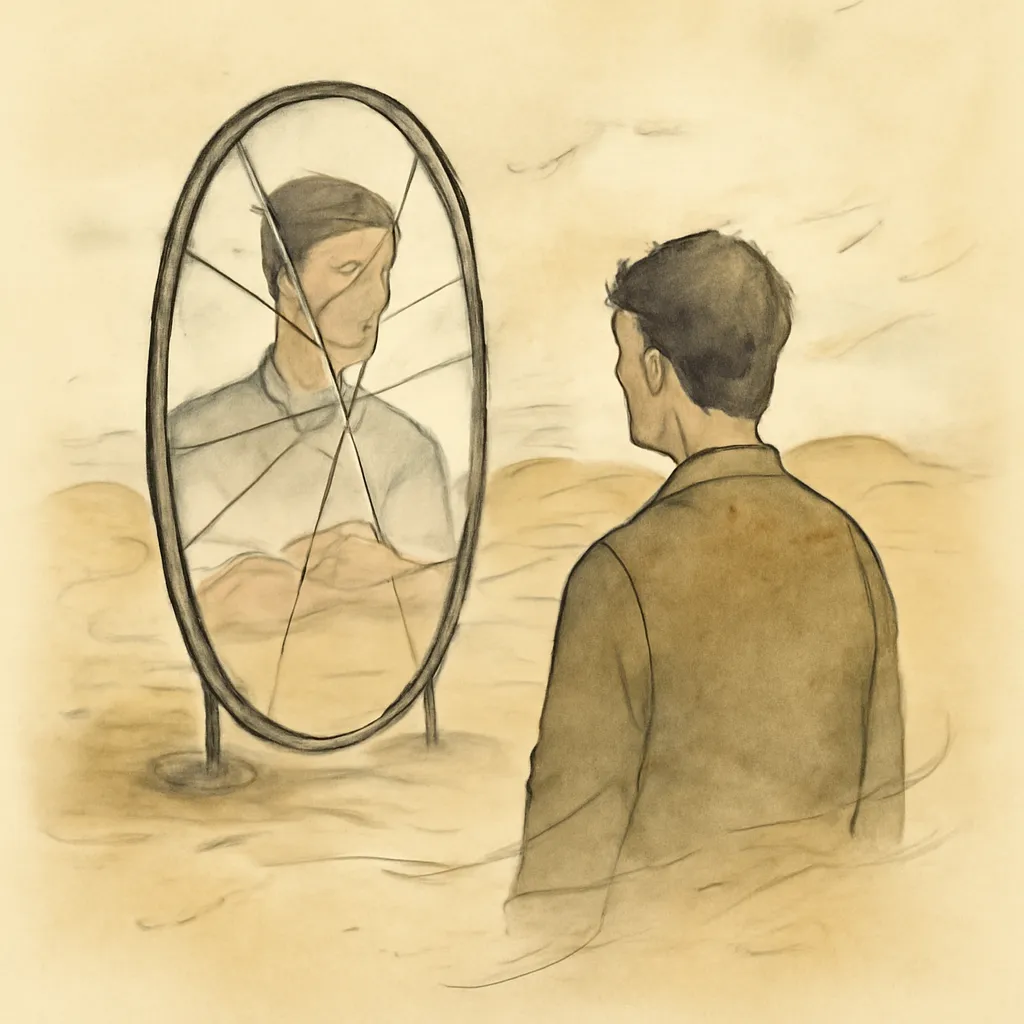
As Barry embarks on his journey, he is not only searching for the princess but also for his own identity. The novel portrays his internal struggle as he grapples with the expectations placed upon him by his father and society. This quest for self-discovery is mirrored in his interactions with the princess, who represents both a romantic ideal and a reflection of his own desires. Barry’s development throughout the story reveals the complexities of identity formation in a rapidly changing world, as he confronts both external pressures and his internal conflicts. The narrative underscores the importance of understanding oneself and embracing one’s true nature amidst societal expectations. Barry’s journey ultimately becomes a metaphor for the universal search for identity, highlighting how personal experiences shape our understanding of who we are.
9.The Impact of Trauma
Barry's accident and subsequent head injury serve as a pivotal moment in the narrative, illustrating the profound impact of trauma on one's psyche. The disorientation he experiences after waking up in the hospital symbolizes the ways in which trauma can alter perceptions of reality. This theme is further developed as Barry navigates the aftermath of his accident, grappling with memory loss and the haunting visions of the princess. The novel poignantly addresses the psychological ramifications of trauma, inviting readers to consider how such experiences shape our understanding of self and the world around us. Barry's struggle to reconcile his memories with his current reality reflects a broader exploration of how trauma can impact relationships and personal growth, ultimately leading to a deeper understanding of resilience and recovery.
10.The Search for Meaning
Ultimately, 'She Who Sleeps' is a meditation on the search for meaning in a world filled with uncertainty. Barry's journey is not just about uncovering the secrets of the past but also about finding purpose in his own life. The juxtaposition of ancient Egypt's mysteries with the modern world raises existential questions about the nature of existence and the quest for understanding. As Barry confronts the complexities of love, identity, and destiny, the narrative invites readers to reflect on their own search for meaning and the ways in which our experiences shape our understanding of life. The novel encourages an introspective examination of what it means to truly live, love, and seek purpose, resonating with anyone who has grappled with profound questions about their place in the world.