1.Culture Clash and Adaptation
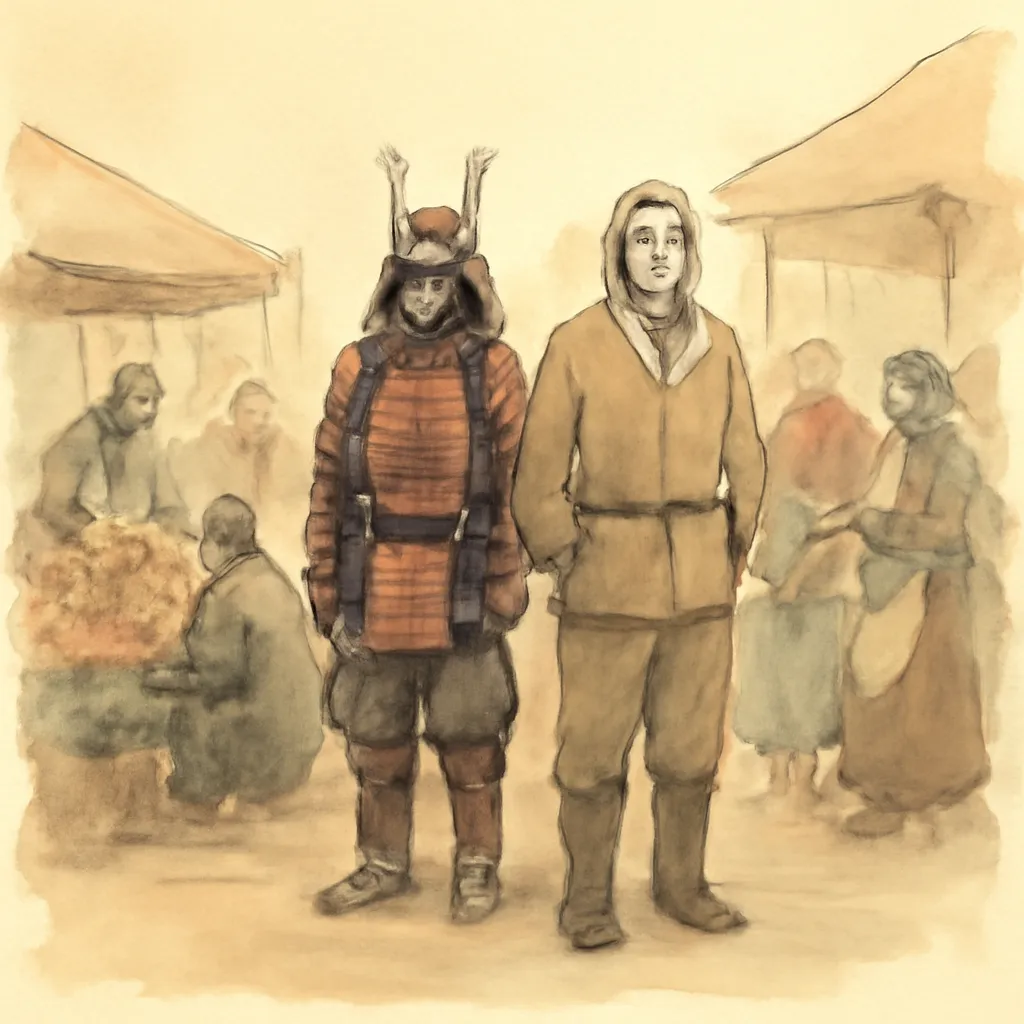
At its heart, Shogun is a story about the collision between Western and Japanese cultures. Through the protagonist John Blackthorne, an English pilot, Clavell explores the misunderstandings, prejudices, and gradual adaptations that occur when two very different worldviews meet. The novel delves into language barriers, religious differences, and contrasting codes of honor, showing how individuals can both resist and be transformed by foreign customs. Blackthorne’s journey from outsider to someone who deeply understands (and is changed by) Japanese society is a central thread, inviting readers to reflect on the power and complexity of cultural exchange.
2.Power, Loyalty, and Political Intrigue
Set during a time of political upheaval, Shogun immerses readers in the machinations of feudal Japan, where warlords vie for supremacy and alliances shift with the tides. The character of Lord Toranaga, inspired by the historical Tokugawa Ieyasu, embodies the ruthless cunning required to survive and thrive in this environment. The novel examines the nature of power—how it is gained, wielded, and lost—and the personal sacrifices demanded by loyalty and ambition. Through intricate plotting and shifting allegiances, Clavell paints a portrait of a society where honor and pragmatism often collide.
3.Identity and Transformation
Blackthorne’s personal evolution is a microcosm of the broader themes of identity and transformation. Confronted with an alien culture, he must question his own beliefs, values, and sense of self. The novel suggests that identity is not fixed but shaped by experience and choice. Blackthorne’s gradual assimilation, including his adoption of Japanese customs and his complex relationship with Mariko, demonstrates the possibilities and perils of reinvention in a new world.
4.The Role of Women in a Patriarchal Society
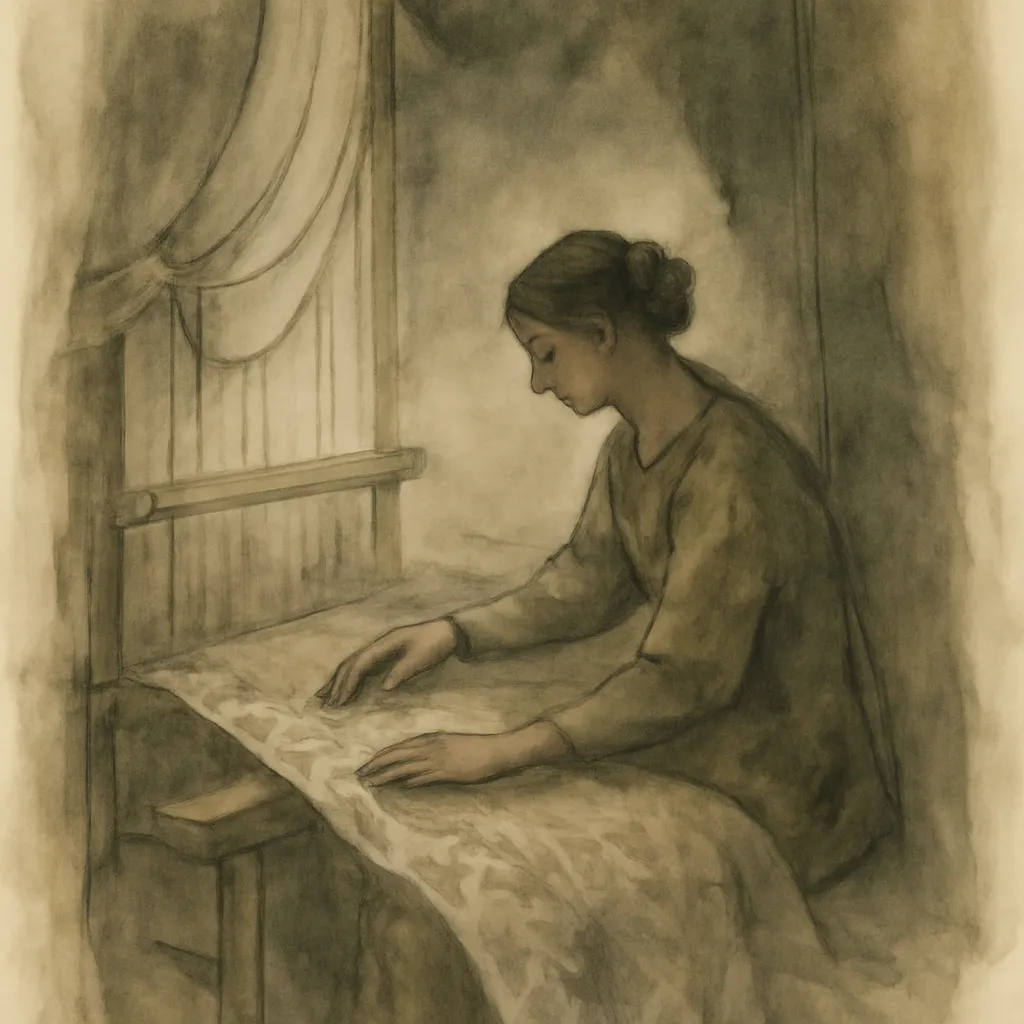
While set in a male-dominated era, Shogun gives significant attention to the experiences of women, particularly through the character of Mariko. She navigates the constraints of her society with intelligence and subtle strength, serving as both interpreter and cultural bridge. The novel explores the limited but powerful ways women exert influence, highlighting both their vulnerability and agency within rigid social structures.
5.Religion and Worldview
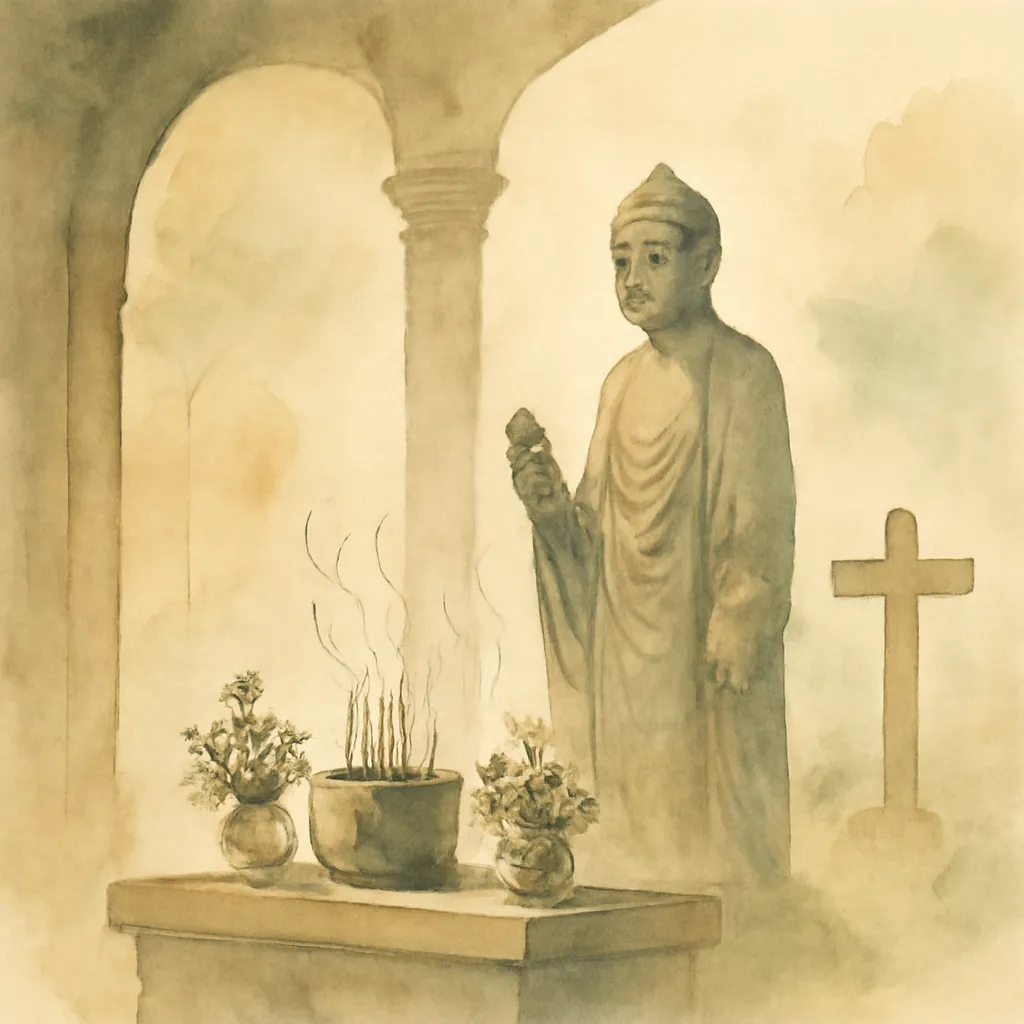
Religion is a driving force in Shogun, shaping characters’ motivations and conflicts. The clash between Christianity, represented by Blackthorne and the Jesuits, and Japanese spiritual traditions underscores deeper questions about faith, morality, and the justification of power. The novel uses religious tension to illuminate broader issues of tolerance, dogmatism, and the ways belief systems can both divide and unite people.
6.Survival and Adaptability
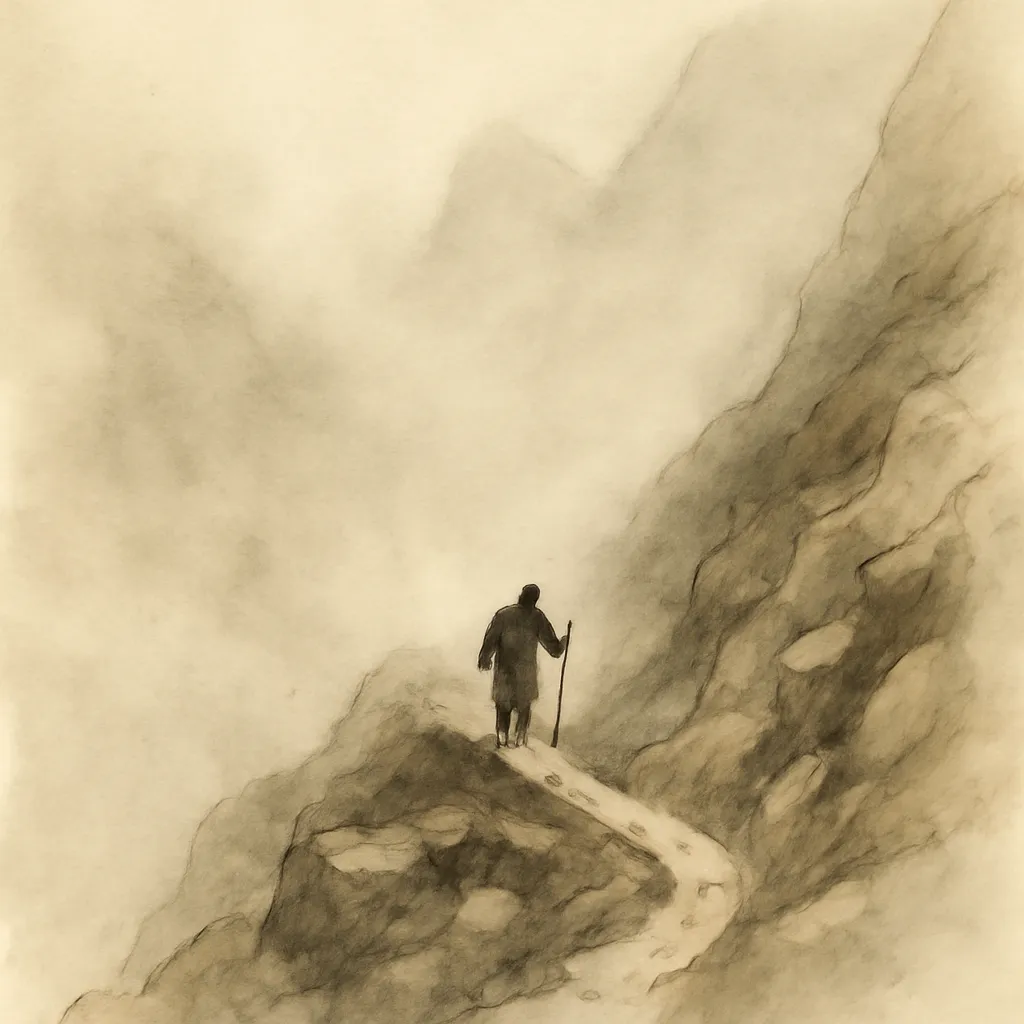
Survival in Shogun is not just physical but psychological. Characters must adapt to shifting circumstances, betrayals, and the constant threat of violence. The ability to read situations, form alliances, and learn from one’s environment is portrayed as essential. Clavell suggests that adaptability—whether cultural, political, or personal—is the key to endurance and success in an uncertain world.