1.The Impact of Addiction on Family
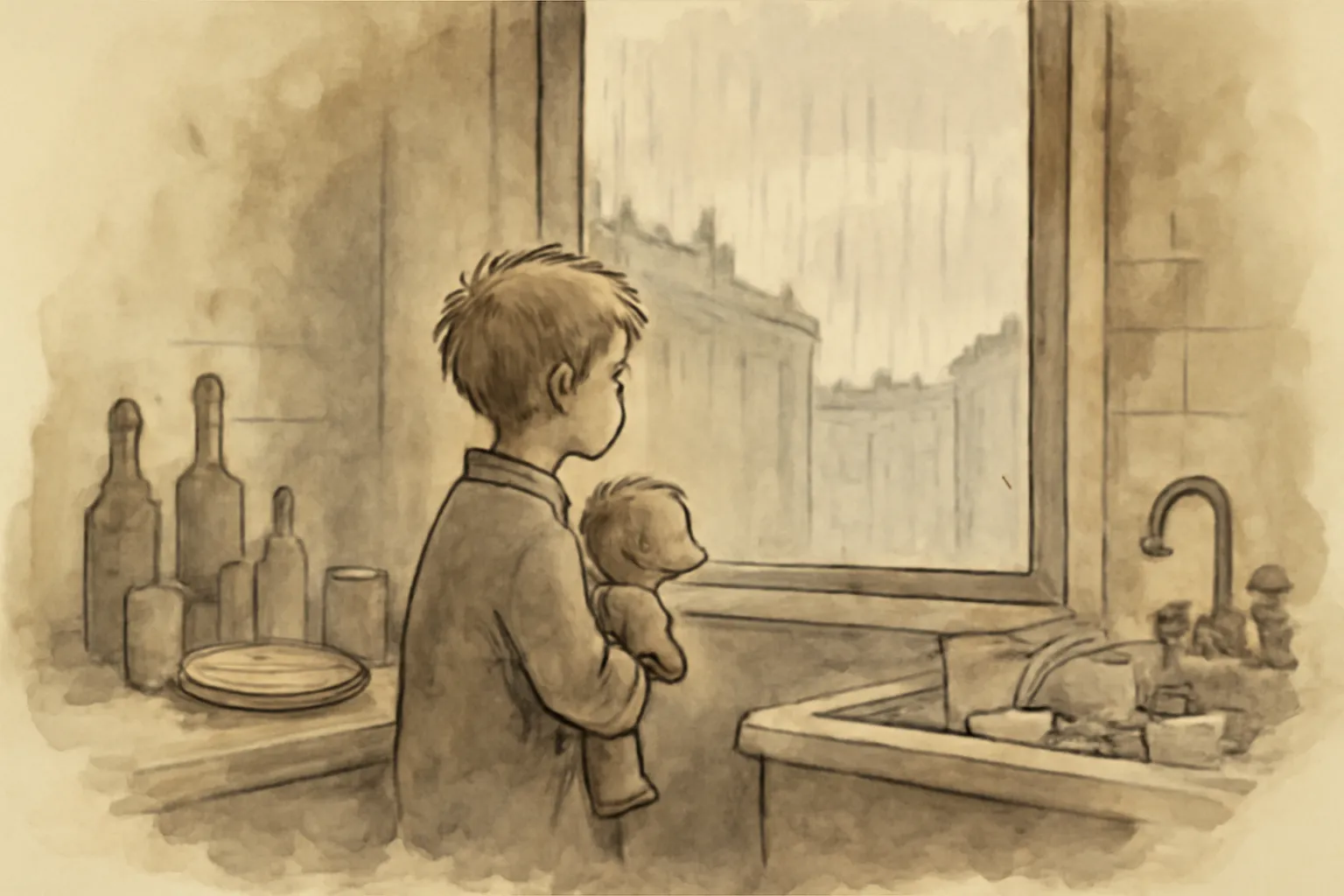
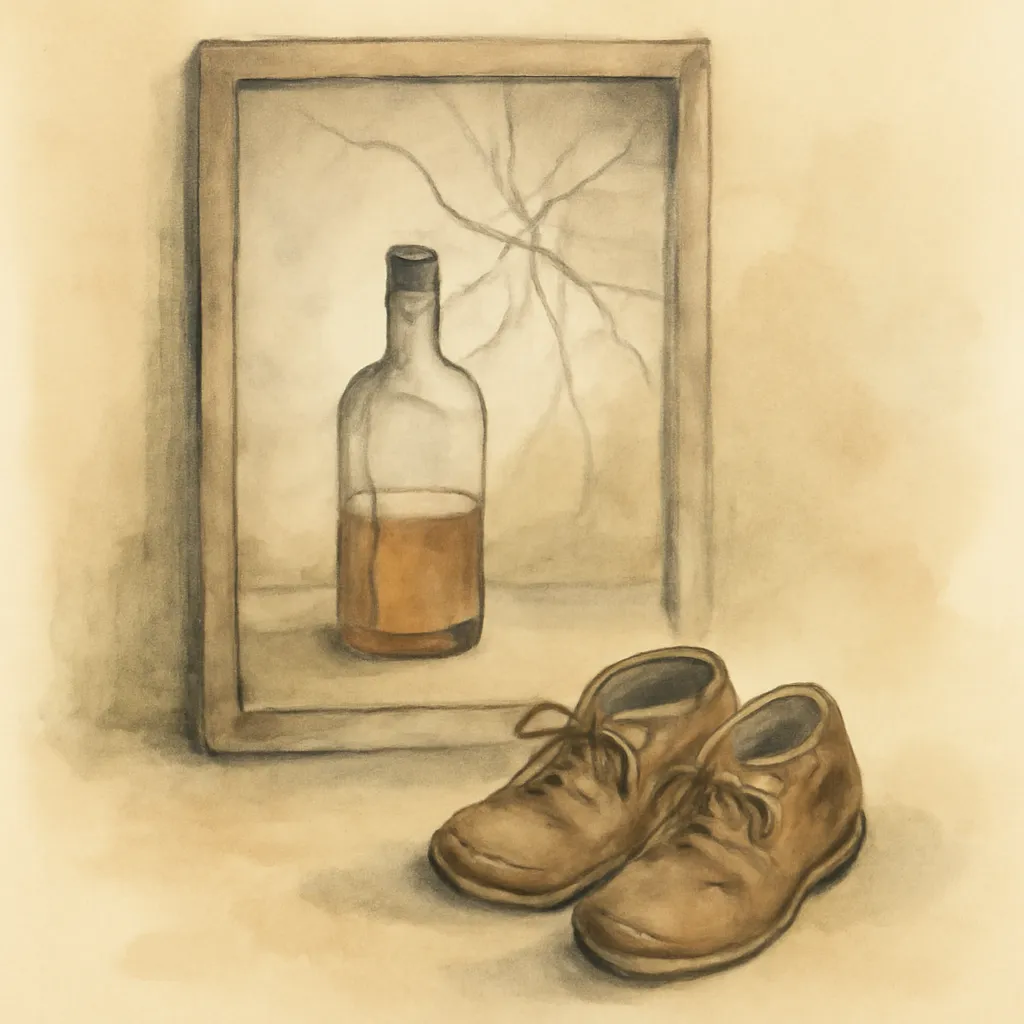
Central to the novel is the devastating effect of Agnes Bain’s alcoholism on her children, particularly Shuggie. Stuart depicts addiction not as a moral failing but as a complex illness intertwined with social and economic despair. The narrative shows how Agnes’s drinking erodes family bonds, forces her children to become caretakers, and isolates them from the wider community. Yet, the portrayal is empathetic, capturing both the pain and the small, stubborn hopes that persist within the family.
2.Poverty and Social Marginalization
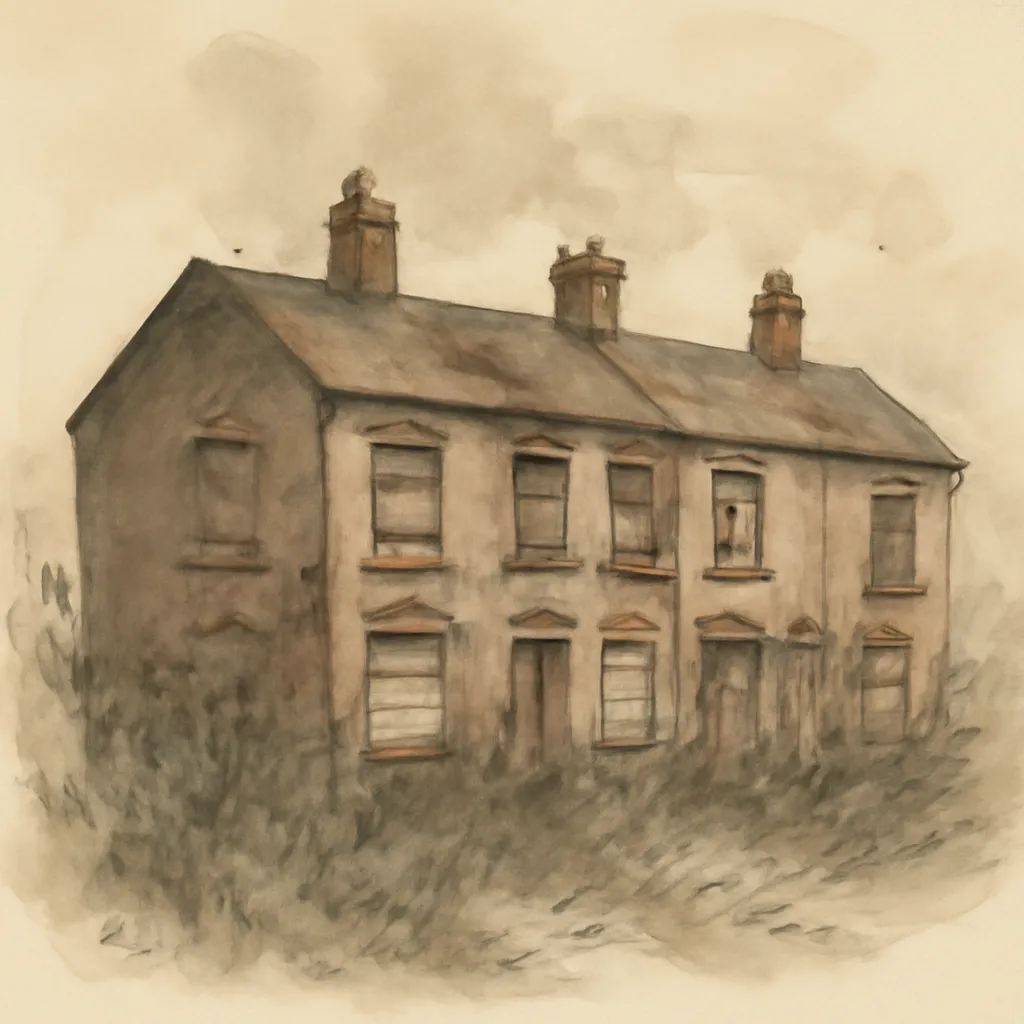
Set against the backdrop of post-industrial Glasgow, the novel vividly illustrates the grinding poverty experienced by working-class families during the Thatcher era. Joblessness, inadequate housing, and social stigma are ever-present, shaping the characters’ choices and limiting their futures. Stuart uses the Bain family’s struggles to critique broader systemic failures, making the novel both a personal and political statement.
3.Unconditional Love and Loyalty
Despite the dysfunction and hardship, Shuggie’s unwavering devotion to his mother is the emotional core of the book. His loyalty is both heartbreaking and inspiring, revealing the complexities of loving someone who is self-destructive. This relationship challenges readers to consider the limits of empathy and the endurance of hope, even in the bleakest circumstances.
4.Masculinity, Difference, and Identity
Shuggie’s gentle, effeminate nature sets him apart in a community that prizes toughness and conformity. The novel sensitively explores his coming-of-age as a boy who doesn’t fit traditional gender expectations, facing bullying and isolation. Through Shuggie’s perspective, Stuart examines the pain of difference and the courage required to be oneself amid hostility and misunderstanding.
5.The Power and Limits of Dreams
Agnes’s longing for a better life—symbolized by her obsession with catalogues and a house with a front door—reflects the human need for hope and dignity. However, these dreams often clash with reality, leading to disappointment and escapism. The novel interrogates whether hope can be sustaining or if, in some cases, it becomes another form of self-delusion.
6.Resilience Amid Despair
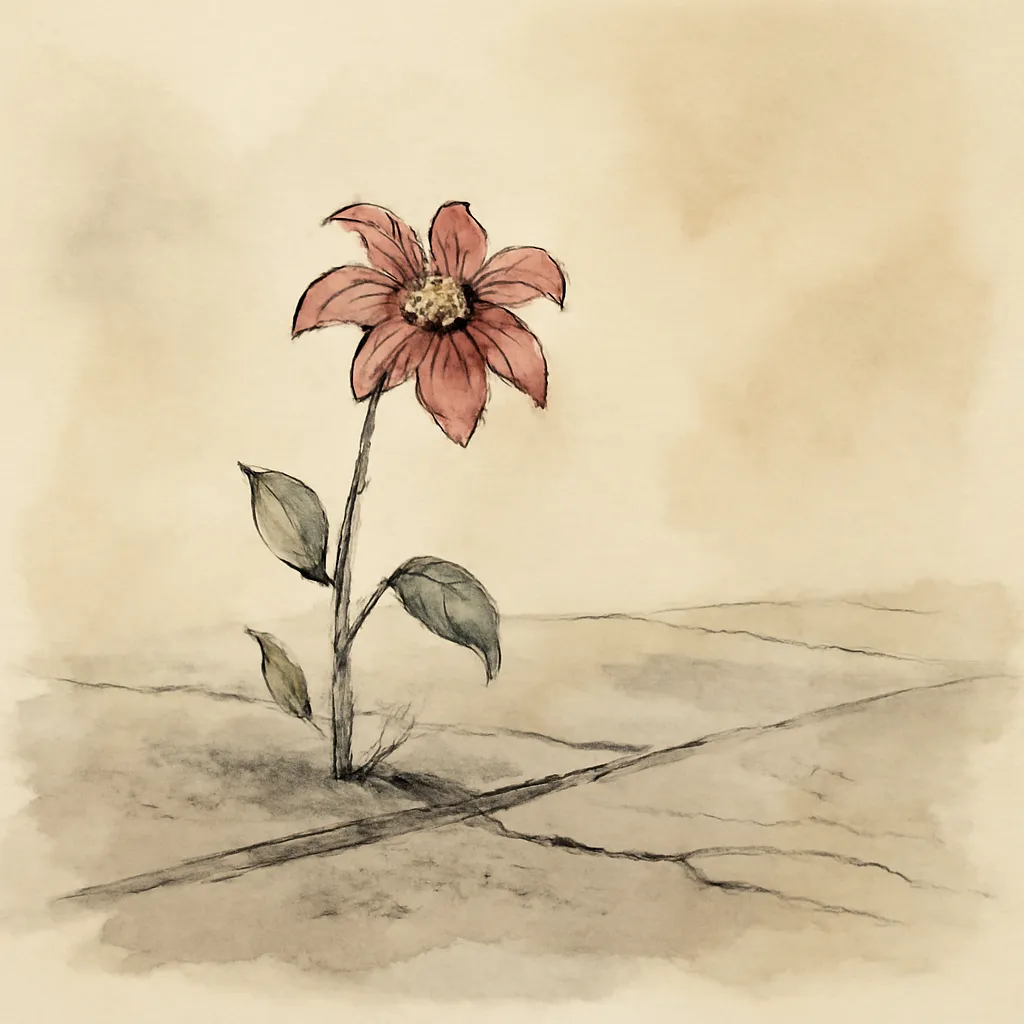
Throughout the novel, moments of kindness, humor, and beauty emerge even in the most desperate situations. Stuart highlights the resilience of his characters, particularly Shuggie, who endures neglect and hardship without losing his capacity for love. This resilience is not portrayed as heroic triumph but as a quiet, persistent refusal to give in to despair.