1.The Complexity of Human Nature
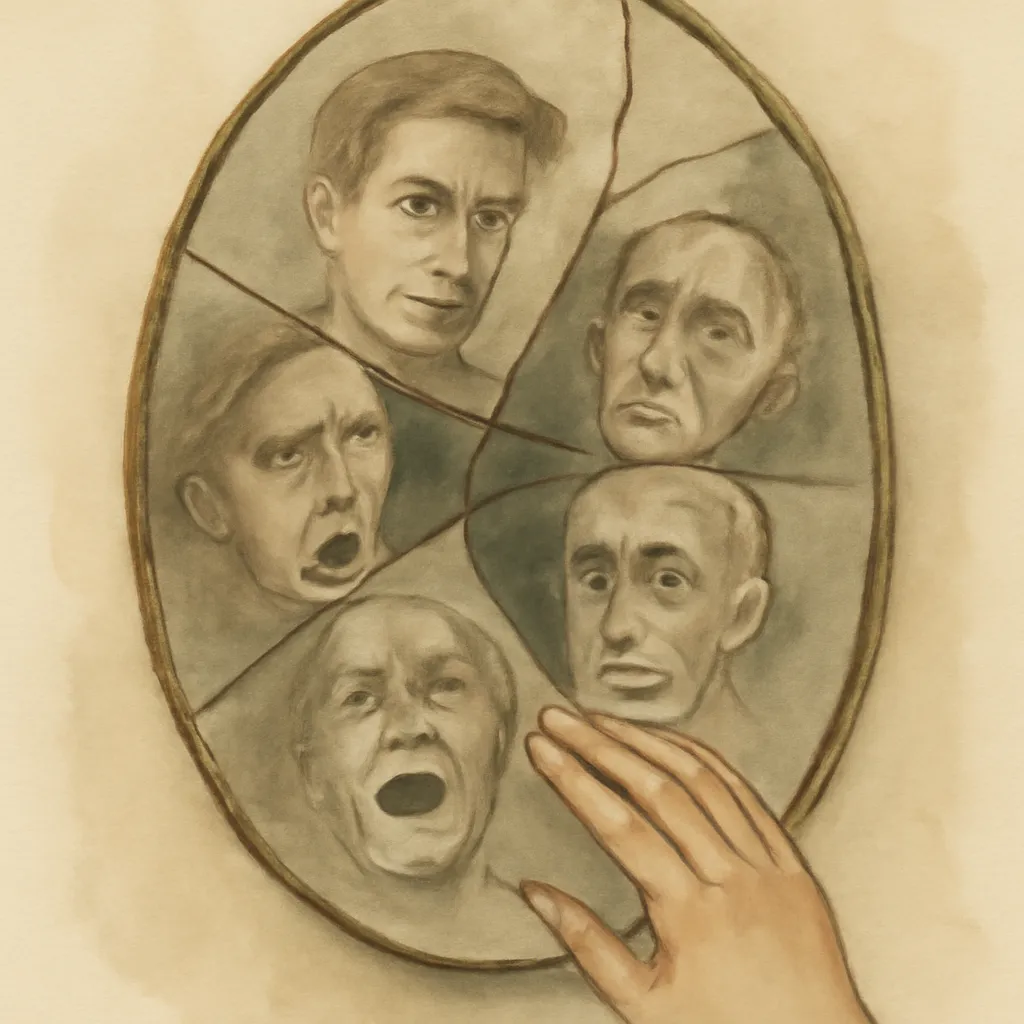
At its core, 'The Sign of the Four' examines the multifaceted nature of humanity. Characters are not simply good or evil; they are driven by a mix of motivations that reveal their true selves. For instance, Jonathan Small, the antagonist, embodies both ambition and desperation. His quest for the treasure is fueled not only by greed but also by a sense of justice for his comrades, who are still imprisoned in the Andaman Islands. This complexity creates a rich tapestry of characters whose actions challenge the reader’s perceptions of morality. Small’s relationship with Tonga, a small but fierce companion, further complicates his character, demonstrating loyalty and a sense of brotherhood that transcends societal norms. Each character's intricate motivations add depth to the narrative, making it a profound exploration of the human spirit.
2.The Role of Women in Victorian Society
Miss Mary Morstan, the female lead, challenges the gender norms of Victorian England. She enters the story as a woman in distress, yet she quickly proves to be resourceful and resilient. Her determination to uncover the truth about her father’s disappearance showcases her strength in a male-dominated society. Mary’s character represents the emerging modern woman, who seeks agency and justice in a world that often confines her. Moreover, her relationship with Watson evolves from mere companionship to a partnership based on mutual respect and admiration. This nuanced portrayal of women adds a layer of social commentary to the novel, reflecting the changing dynamics of gender roles during the late 19th century.
3.The Significance of Deduction
Sherlock Holmes’s method of deduction is central to the narrative and serves as a testament to the power of observation and reasoning. Holmes’s ability to piece together seemingly unrelated clues illustrates the importance of critical thinking and attention to detail. For example, his examination of the puncture marks on his arm reveals his struggle with addiction, a personal insight that informs his character and foreshadows his reliance on stimulants to enhance his mental acuity. This theme of deduction extends beyond mere crime-solving; it encourages readers to cultivate their own observational skills in everyday life. Holmes’s approach demonstrates that understanding the world requires not just intelligence but also a willingness to look deeper into the ordinary.
4.The Quest for Justice
The quest for justice is a driving force in 'The Sign of the Four.' As the characters navigate through lies and treachery, they are ultimately seeking a resolution that restores balance to their lives. Mary Morstan’s pursuit of the truth about her father’s fate is not merely for personal closure; it represents a larger quest for justice against the wrongs inflicted upon her family. Holmes, too, embodies this quest, as he seeks to unravel the mystery while ensuring that those who have wronged others are held accountable. The narrative raises questions about what justice truly means and whether it can ever be fully achieved in a world filled with moral ambiguity. By the end, the resolution of the case provides a sense of closure, but it also leaves lingering questions about the nature of justice itself.
5.Themes of Loyalty and Betrayal
Loyalty and betrayal are pivotal themes that resonate throughout the novel. The bond between Holmes and Watson is a prime example of loyalty, as Watson stands by Holmes through thick and thin, supporting him both emotionally and physically. Conversely, betrayal is exemplified in Jonathan Small’s relationship with Major Sholto. Small feels betrayed by Sholto’s failure to share the treasure, which ultimately leads to a tragic sequence of events. This intricate dance between loyalty and betrayal highlights the fragility of human relationships and the consequences of misplaced trust. The characters’ actions serve as a reminder that loyalty can be both a strength and a vulnerability, shaping the course of their destinies.
6.The Exoticism of Colonial India
The novel also explores the exoticism of colonial India, reflecting the period's fascination with the East. The treasure at the heart of the story, the Agra treasure, symbolizes the riches acquired through colonial exploitation. The depiction of Indian characters, such as the villainous Tonga, raises questions about racial stereotypes and the portrayal of the Other in Victorian literature. While Small's character is complex, Tonga is often relegated to the role of a savage accomplice, embodying the exotic fears and fantasies of the British Empire. This representation invites readers to critically examine the implications of colonialism and the narratives constructed around it. The contrast between Victorian society and the exotic allure of India serves to heighten the intrigue of the plot while also critiquing the imperial mindset.
7.The Power of Friendship
Friendship is a recurring motif that underpins the narrative, particularly in the relationship between Holmes and Watson. Their partnership is characterized by mutual respect and a deep understanding of each other’s strengths and weaknesses. Watson often serves as the moral compass to Holmes’s more detached, analytical approach. This dynamic is particularly evident in their interactions with Mary Morstan, where Watson’s protective instincts shine through. Their friendship not only provides emotional support but also enhances their investigative abilities, as they combine their strengths to solve the mystery. The bond they share reinforces the idea that collaboration and camaraderie can lead to greater achievements than solitary efforts. The power of friendship, therefore, emerges as a vital theme that enriches the narrative.
8.The Impact of Addiction
Holmes’s struggles with addiction are woven throughout the novel, serving as a commentary on the nature of genius and its often tumultuous relationship with substance use. His reliance on cocaine to stimulate his mind raises ethical questions about the costs of creativity and intelligence. This aspect of his character adds a layer of vulnerability, revealing that even the greatest minds can succumb to personal demons. Watson’s concern for Holmes’s well-being reflects the tension between friendship and the desire to protect loved ones from self-destructive behaviors. The portrayal of addiction in 'The Sign of the Four' serves as a cautionary tale, prompting readers to consider the broader implications of substance use and its impact on one’s life and relationships.
9.Morality in Crime
The novel delves into the morality surrounding crime and punishment, challenging the black-and-white notions of right and wrong. Jonathan Small’s actions, while criminal, are motivated by a desire for justice and restitution for past wrongs. His complex character prompts readers to empathize with his plight, blurring the lines between hero and villain. This moral ambiguity is further emphasized by Holmes’s own methods, which often skirt the edges of legality in pursuit of truth. The narrative invites readers to grapple with the ethical dilemmas faced by characters, suggesting that morality is often not absolute but rather shaped by context and perspective. The exploration of morality in crime adds depth to the story, encouraging a nuanced understanding of justice.
10.The Thrill of Adventure
Adventure is a driving force that propels the narrative forward, offering readers a thrilling experience as they accompany Holmes and Watson on their quest. The chase for the treasure and the unfolding mystery create a sense of urgency and excitement. The various settings, from the foggy streets of London to the exotic elements associated with India, enhance the adventurous atmosphere. Doyle masterfully constructs suspenseful scenes that keep readers on the edge of their seats, eagerly anticipating the next twist. The thrill of adventure not only entertains but also reflects the human desire for exploration and discovery. By immersing readers in this exhilarating journey, 'The Sign of the Four' captures the essence of storytelling and the allure of the unknown.