1.The Intertwining of Past and Present
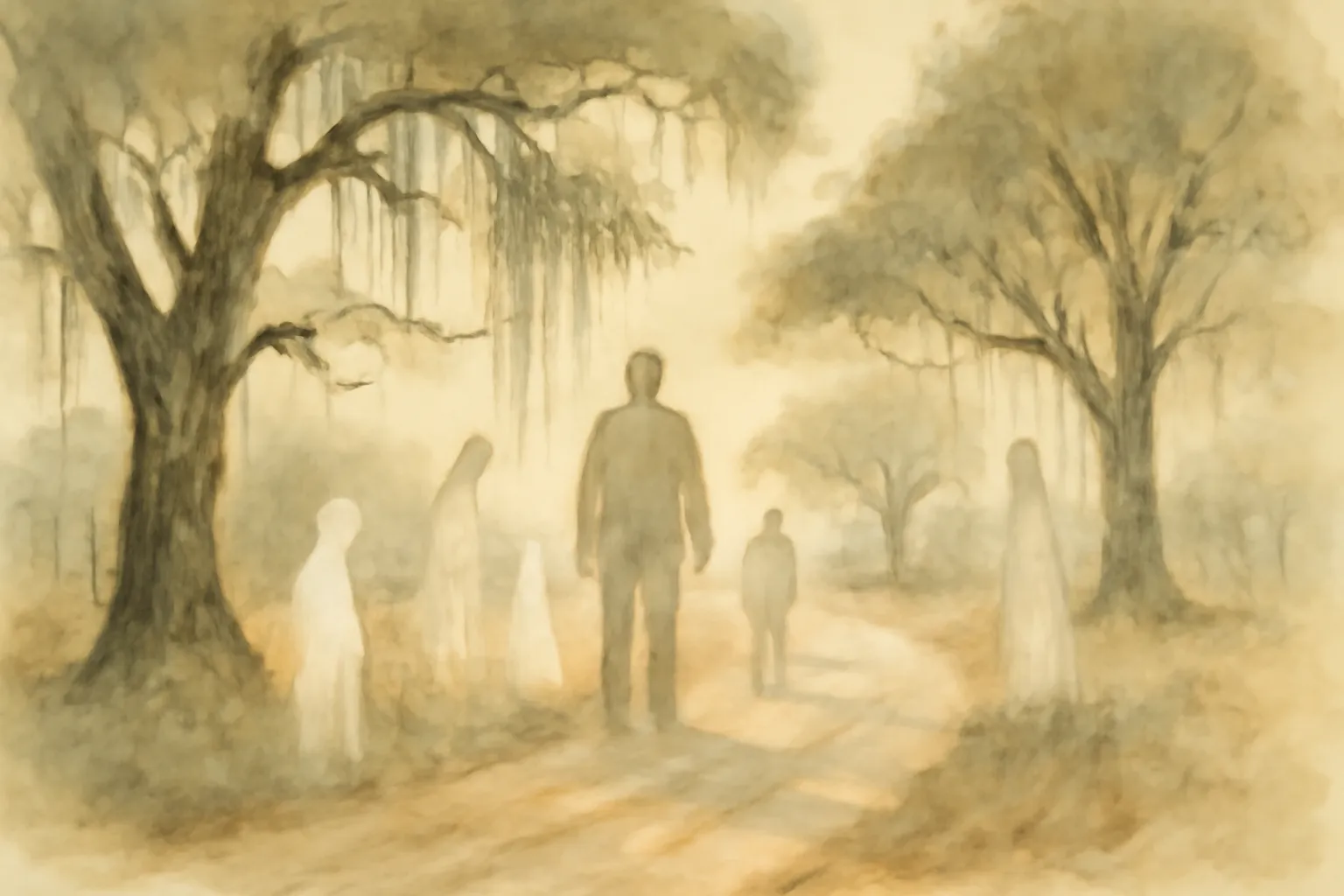
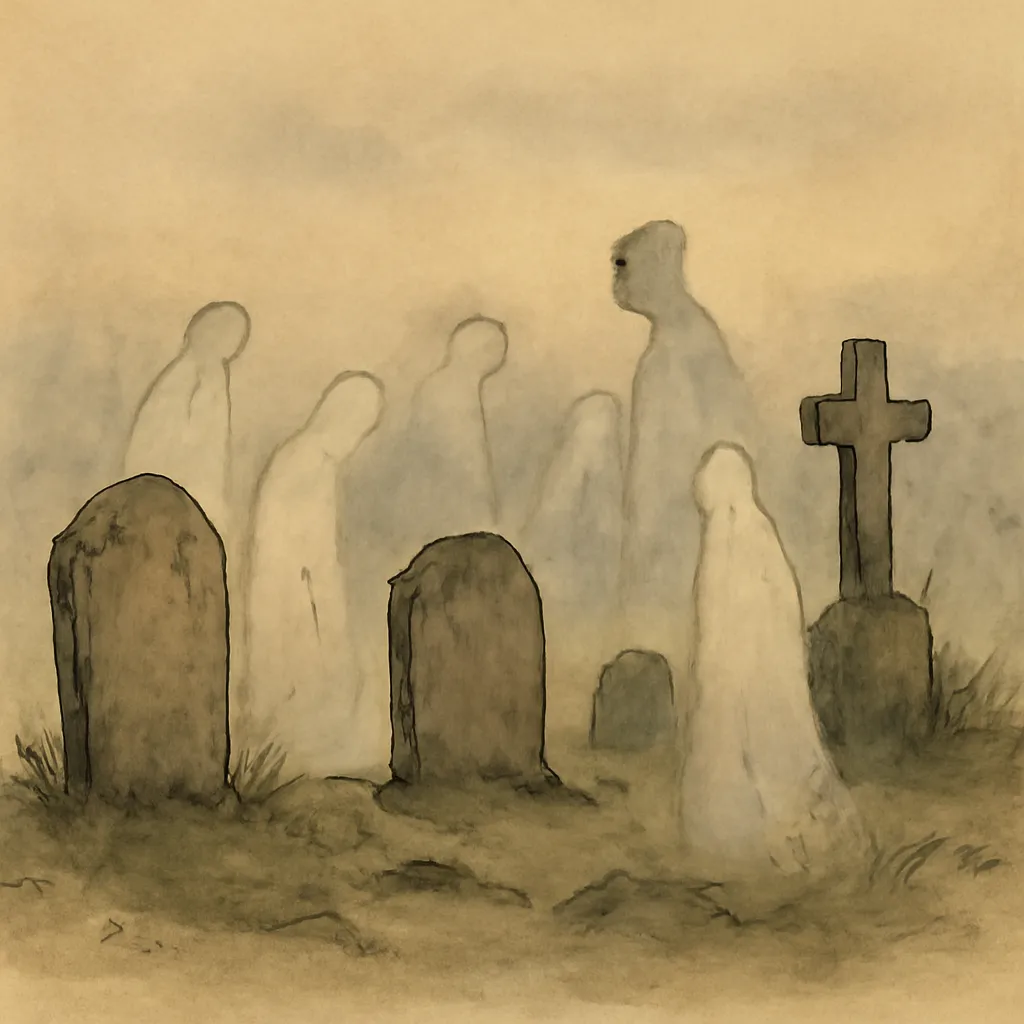
Ward’s novel blurs the line between past and present, showing how history—personal and collective—shapes the lives of her characters. The ghosts that haunt the living are not just supernatural presences but embodiments of trauma, injustice, and unresolved pain. Through Jojo’s and Leonie’s encounters with the dead, Ward suggests that the legacy of racism and violence in the American South is not easily buried, but continues to influence new generations.
2.Family Bonds and Fractures
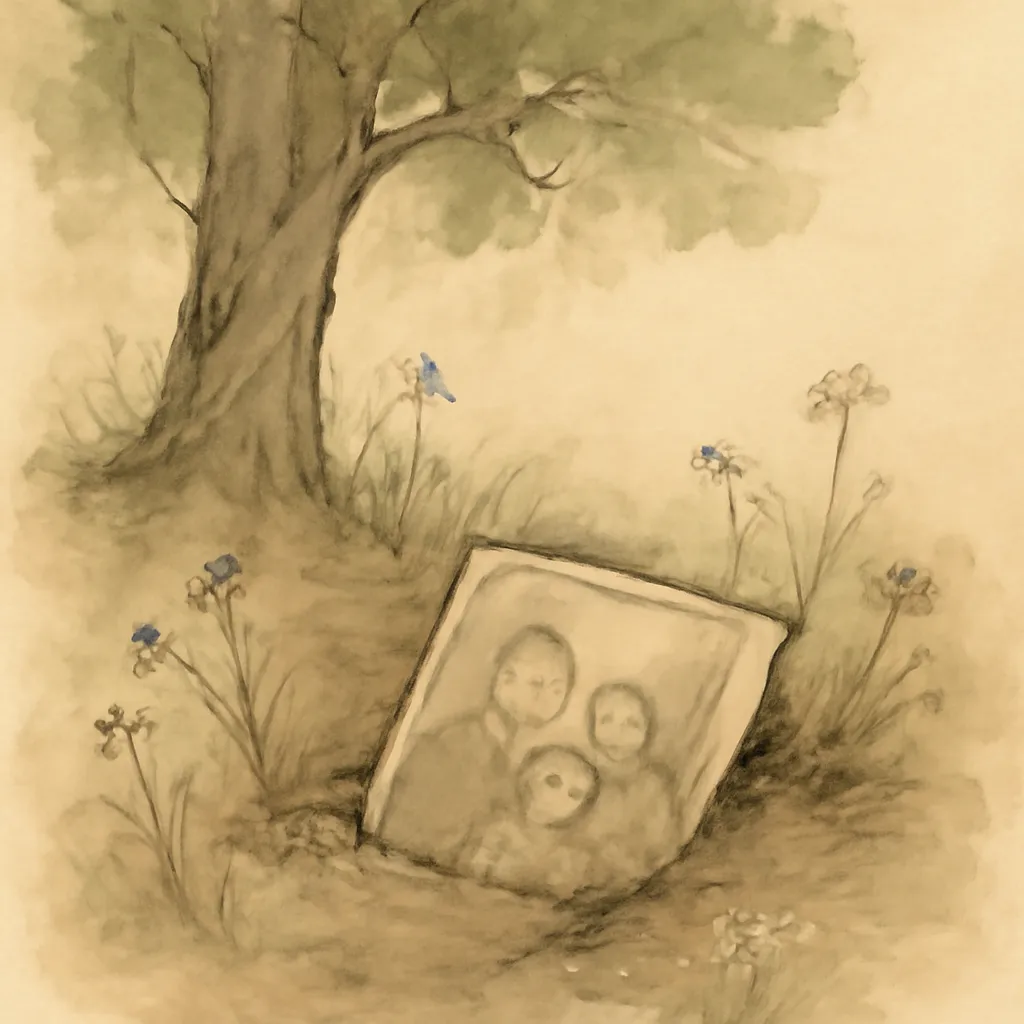
At its heart, the novel is an intimate portrait of a family struggling to survive amid poverty, addiction, and illness. The relationships between Jojo, his mother Leonie, and his grandparents are fraught but deeply felt. Ward explores the ways love persists despite disappointment and hardship, and how children often bear the burdens of their parents’ choices. The family’s journey is both literal and symbolic, testing their connections and resilience.
3.The Road as Odyssey
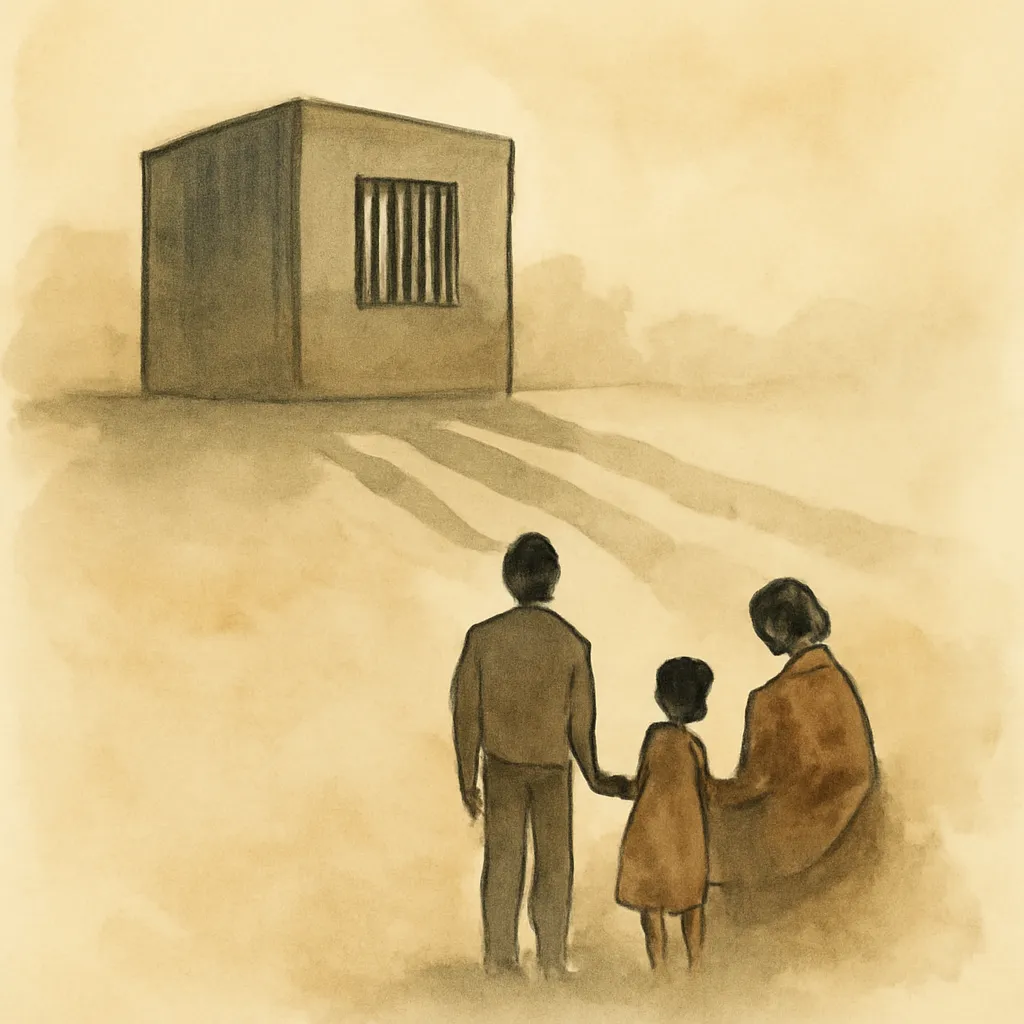
The narrative structure borrows from the classic road novel and epic journey, as the family travels to the notorious Parchman prison. This journey is not just physical but spiritual, echoing The Odyssey and Southern Gothic traditions. Along the way, the characters confront their own histories and the ghosts of the region’s violent past, making the road a crucible for transformation and revelation.
4.Racial Injustice and the Carceral State
Ward unflinchingly addresses the enduring realities of racism and the impact of mass incarceration on Black families. Parchman prison is both a literal destination and a symbol of generational trauma. Through stories of the living and the dead, the novel exposes how the criminal justice system perpetuates cycles of suffering, and how these institutions are inextricably linked to the region’s history of racial oppression.
5.The Power of Storytelling and Voice
Sing, Unburied, Sing is told through multiple narrators, each with a distinct perspective. This polyphonic structure allows Ward to explore the interior lives of her characters and to give voice to those often silenced by society. The act of storytelling itself becomes a means of survival, remembrance, and resistance, as characters seek to make sense of their pain and claim their own narratives.
6.Spirituality and the Supernatural
The novel is steeped in spiritual imagery and supernatural elements, drawing on African American folklore and Southern Gothic tradition. Ghosts, visions, and rituals are not just literary devices but reflect the ways marginalized communities process grief, trauma, and hope. Ward uses the supernatural to deepen the novel’s sense of mystery and to underscore the persistence of the past.