1.The Core Principle: Skin in the Game
Taleb’s central thesis is that people and institutions should not be able to make decisions that affect others without sharing in the risks and consequences. This principle is as much ethical as practical: those who bear the downside of their actions are more likely to act responsibly and less likely to exploit others. When decision-makers are insulated from the fallout, society suffers from moral hazard, incompetence, and even systemic collapse. The idea is simple but radical—never trust advice or authority from someone who doesn’t stand to lose from being wrong.
2.The Ethics of Asymmetry
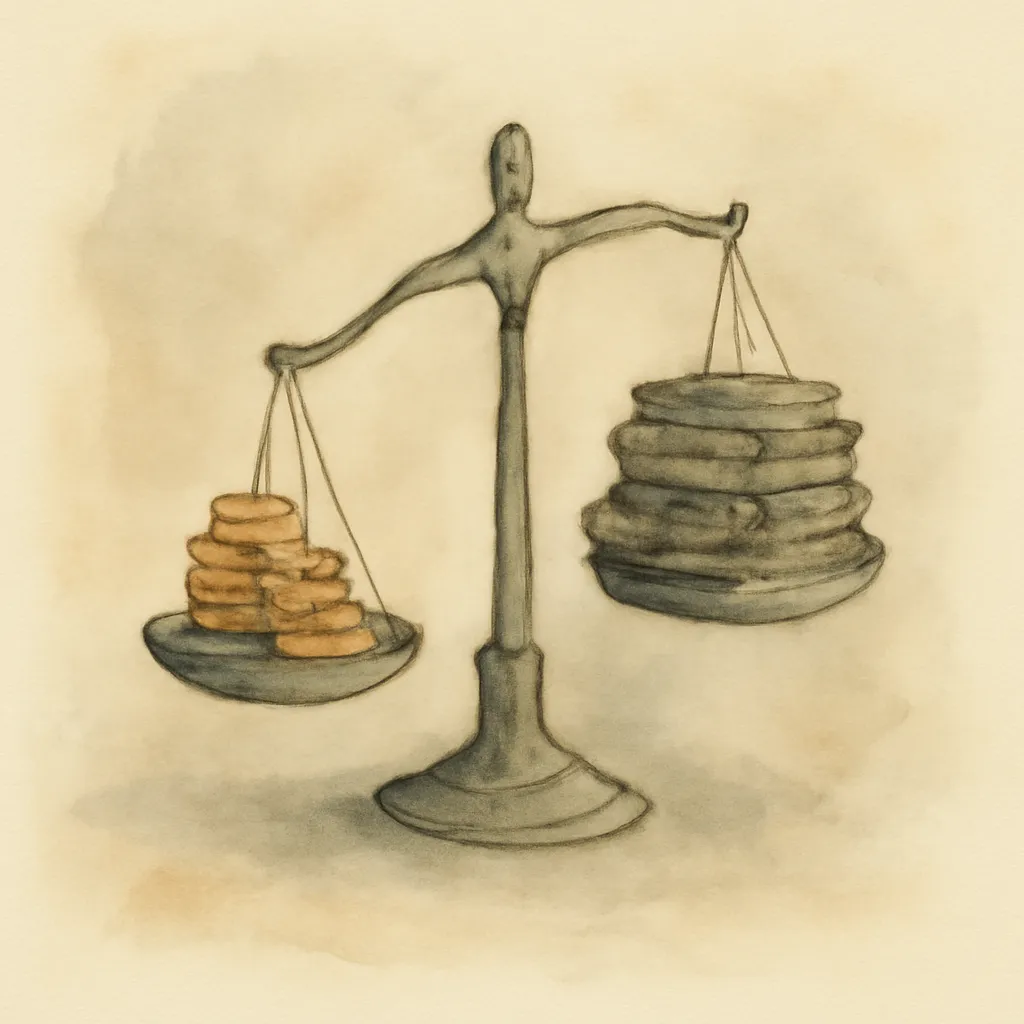
Taleb explores the dangers of asymmetry, where one party reaps the benefits while others bear the costs. He argues that much of modern bureaucracy, finance, and policymaking is plagued by this imbalance. Bankers who profit from risky bets but are bailed out when things go wrong, or intellectuals who prescribe policies they don’t have to live under, exemplify this ethical failure. True fairness requires that those who make decisions are exposed to the same risks as those affected by them.
3.Minorities Rule and the Power of Intransigence
One of Taleb’s most provocative ideas is that small, stubborn minorities can shape society’s rules and norms. Because systems often accommodate the most intolerant or risk-averse preferences, a tiny group with 'skin in the game' can force widespread change. This insight explains why certain cultural or dietary standards become dominant and how activism or fanaticism can outsize its numbers if it is uncompromising.
4.Skin in the Game as a Filter for Truth
Taleb contends that skin in the game is the ultimate test of knowledge and honesty. Experts who are insulated from the consequences of their advice—academics, pundits, bureaucrats—are less trustworthy than practitioners who risk their own money, reputation, or safety. This is not just about integrity but about practical wisdom: those who face real stakes are forced to learn from reality, while those who don’t can afford to be wrong indefinitely.
5.The Limits of Top-Down Systems
The book critiques large, centralized systems—governments, corporations, and bureaucracies—that separate decision-makers from the outcomes of their choices. Taleb argues that decentralized, bottom-up systems, where individuals or small groups have direct exposure to risk, are more robust and adaptive. This is a call for localism, entrepreneurship, and skepticism of grand plans imposed from above.
6.Moral Philosophy: The Silver Rule
Taleb revives the ancient 'Silver Rule': do not do unto others what you would not have them do unto you. He argues that this negative formulation is more robust and less prone to abuse than the Golden Rule. The Silver Rule, enforced by skin in the game, is a practical guide to ethical behavior—it prevents harm rather than prescribing specific good actions, and it’s easier to apply when risks are shared.