1.Nonlinear Narrative and Time
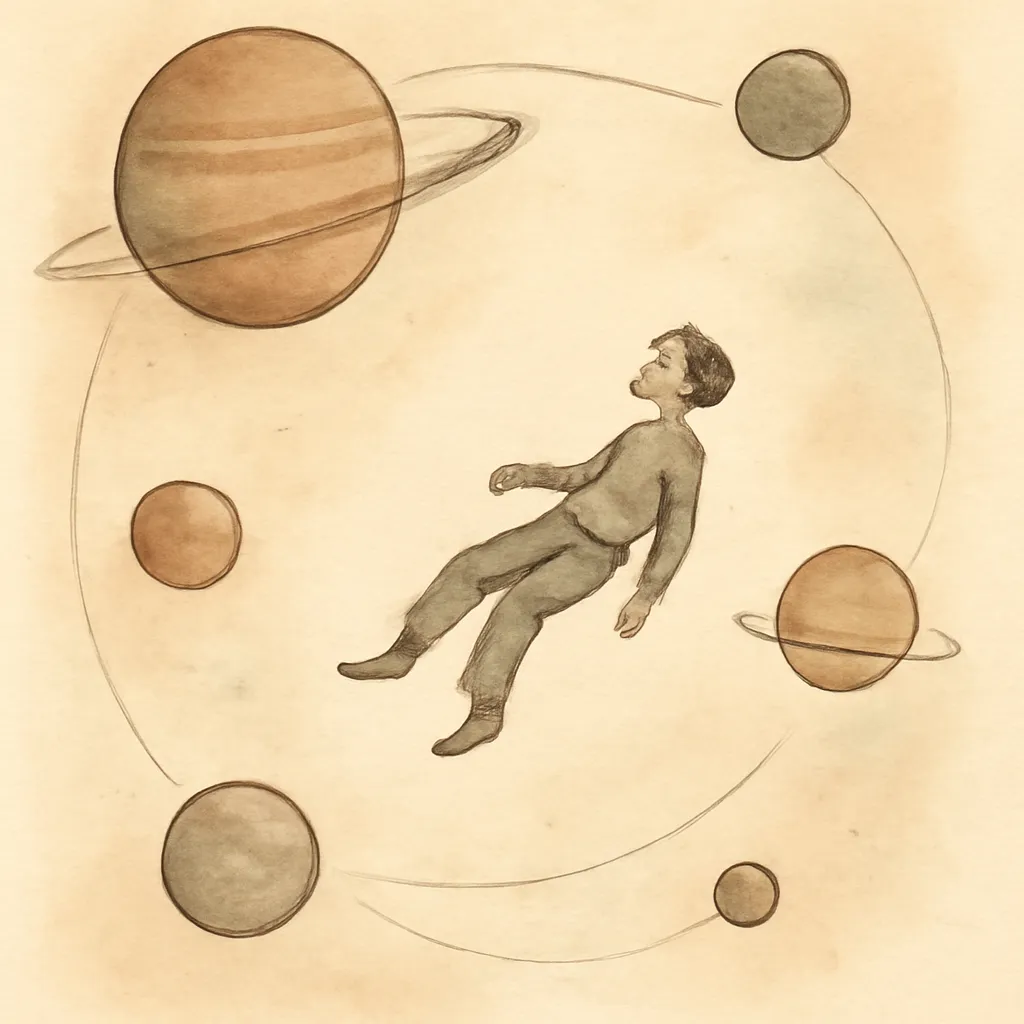
The guide explains how Slaughterhouse-Five’s structure mirrors the protagonist Billy Pilgrim’s experience of being “unstuck in time.” By jumping between moments in Billy’s life, the novel challenges traditional storytelling and reflects the disorienting effects of trauma. SparkNotes helps readers grasp how this fragmented narrative is key to understanding the book’s philosophical questions about fate, free will, and the nature of memory.
2.War and Its Absurdity
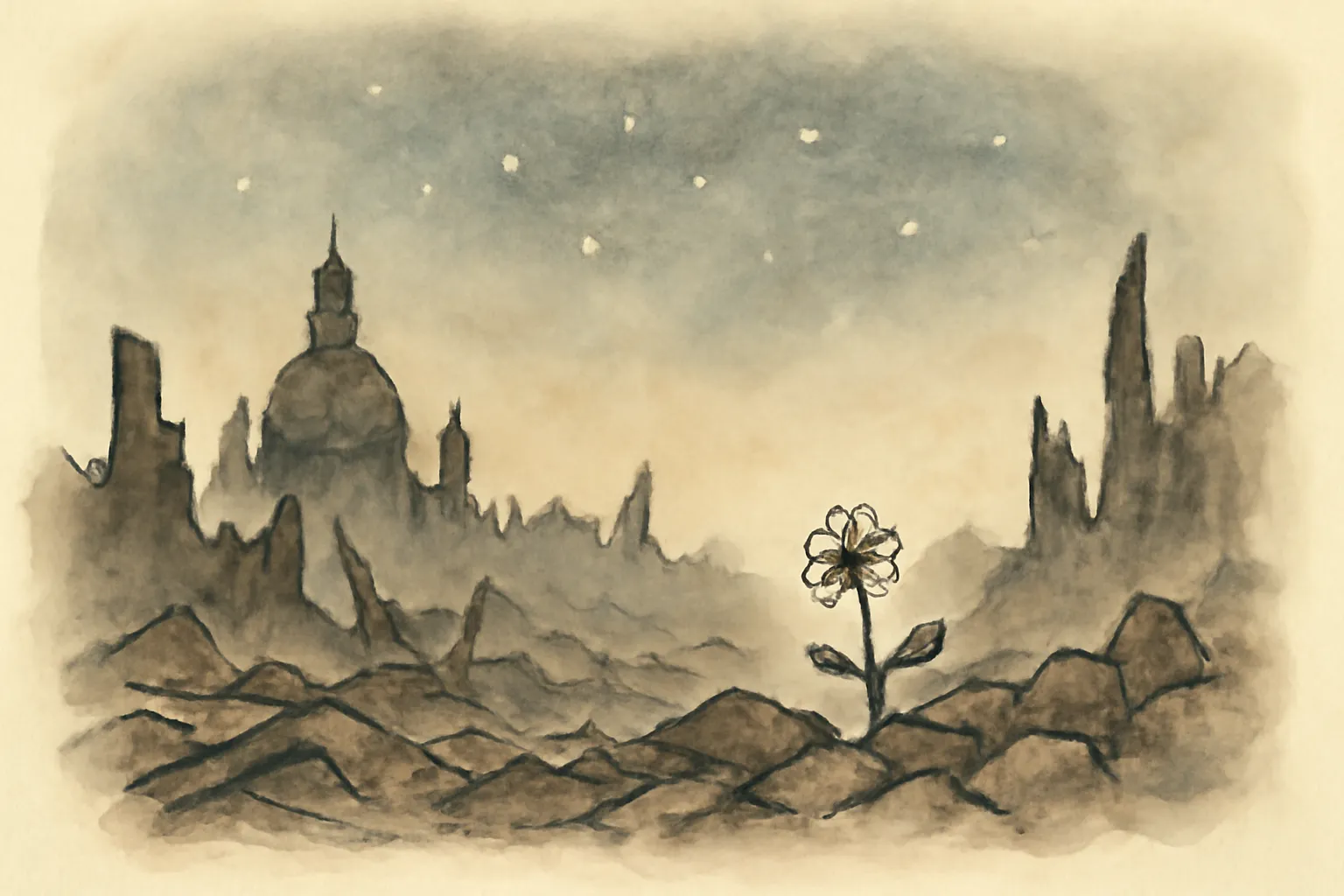
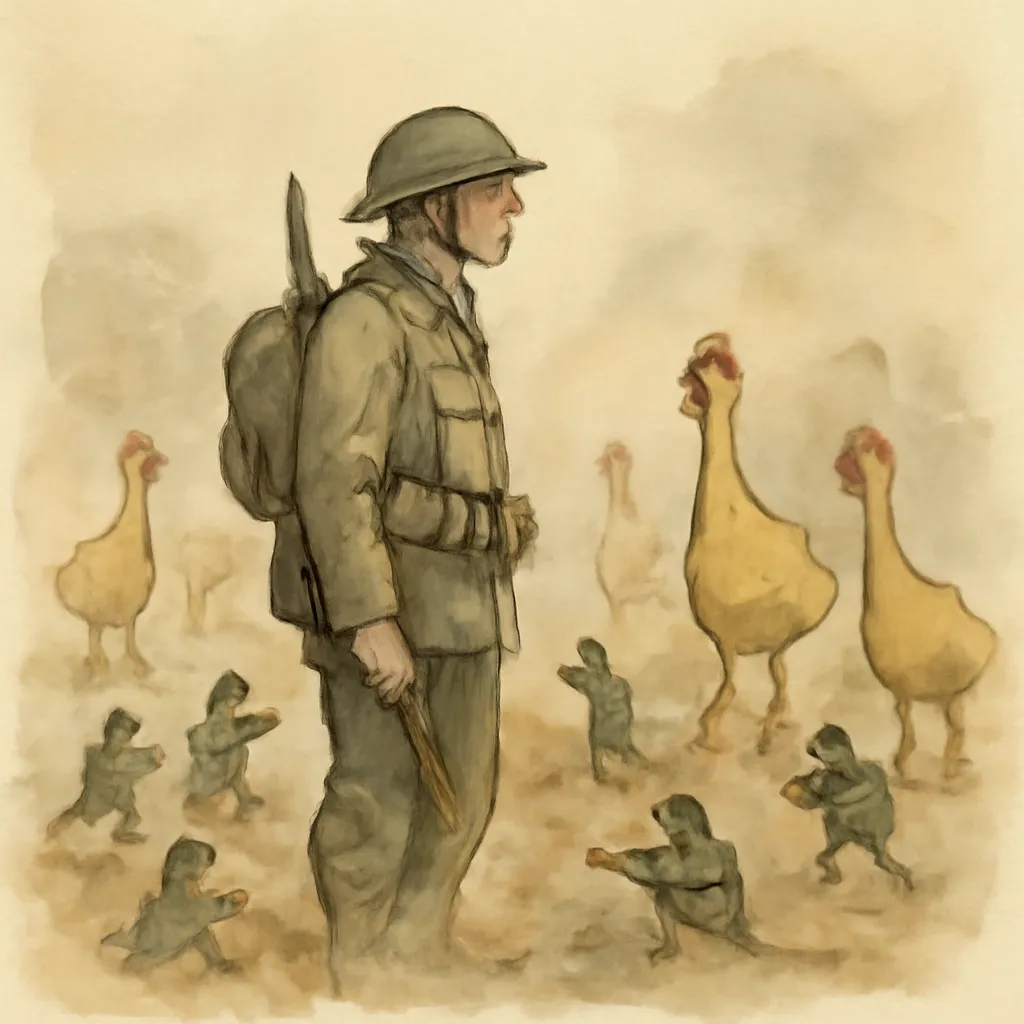
SparkNotes highlights the novel’s antiwar stance, showing how Vonnegut uses irony, understatement, and absurdity to critique the glorification of war. The guide explores how the firebombing of Dresden, a central event, is depicted with detachment and dark humor, emphasizing the senselessness and destructiveness of conflict.
3.Fate, Free Will, and Fatalism
A major theme explored is the tension between fate and free will. Through Billy’s encounters with the alien Tralfamadorians, Vonnegut introduces the idea that all moments are predetermined and inevitable. The guide helps readers unpack how this worldview affects the characters’ actions and attitudes, especially the recurring phrase, “So it goes.”
4.The Role of Trauma and Memory
SparkNotes delves into how the novel portrays trauma—not just as a personal affliction, but as a collective experience of war survivors. Billy’s time travel and emotional detachment are interpreted as symptoms of post-traumatic stress. The guide encourages readers to consider how memory shapes identity and how storytelling can be a means of coping with unbearable experiences.
5.Satire and Dark Humor
The guide explains Vonnegut’s use of satire and black comedy to expose the absurdities of war and human existence. By analyzing key scenes and dialogue, SparkNotes shows how humor is both a shield against horror and a tool for critical commentary, making the novel’s bleak subject matter more approachable without diminishing its seriousness.
6.Symbolism and Motifs
SparkNotes identifies and interprets recurring symbols—like the bird’s song, the phrase “So it goes,” and the Tralfamadorians themselves. These motifs reinforce the novel’s themes of mortality, randomness, and the limits of human understanding. The guide helps readers recognize how these symbols unify the book’s disparate episodes.