1.The Persistence of Forced Labor After Emancipation
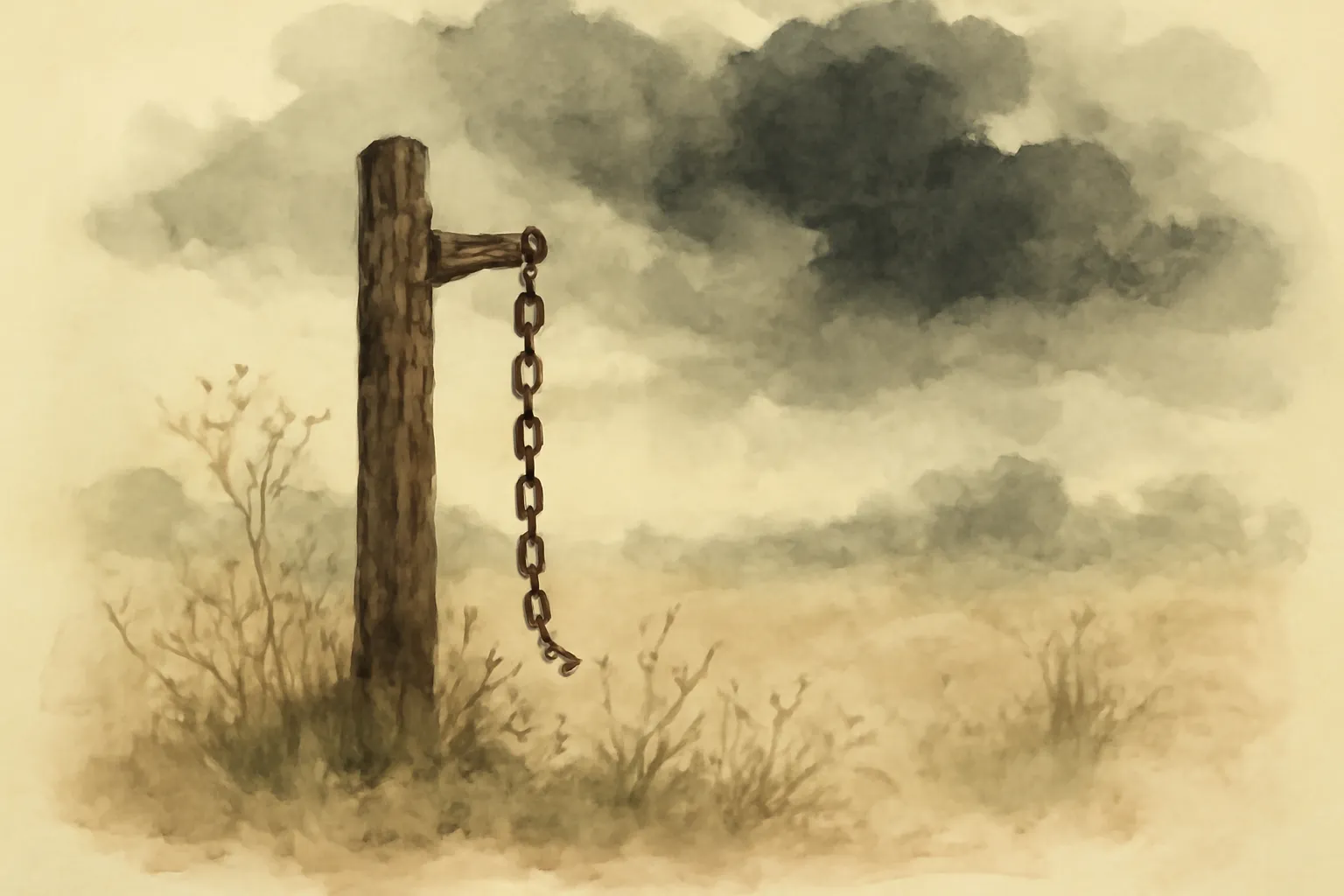
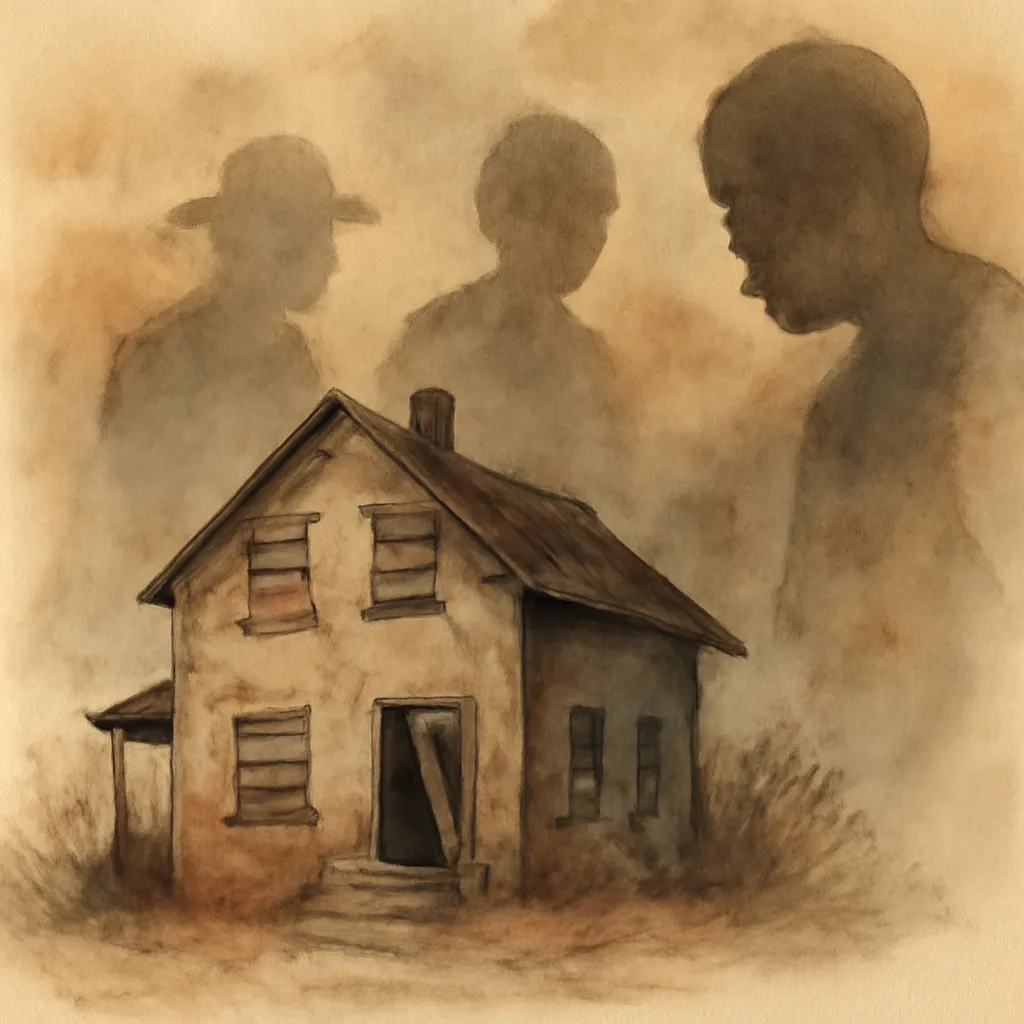
Blackmon reveals that the abolition of slavery did not truly end forced labor for African Americans in the South. Instead, new systems—like convict leasing and debt peonage—emerged, trapping thousands in brutal, involuntary servitude. These systems were not isolated abuses but widespread, institutionalized practices that lasted well into the 20th century, undermining the promise of freedom and equality.
2.Legal Manipulation and Criminalization of Black Life
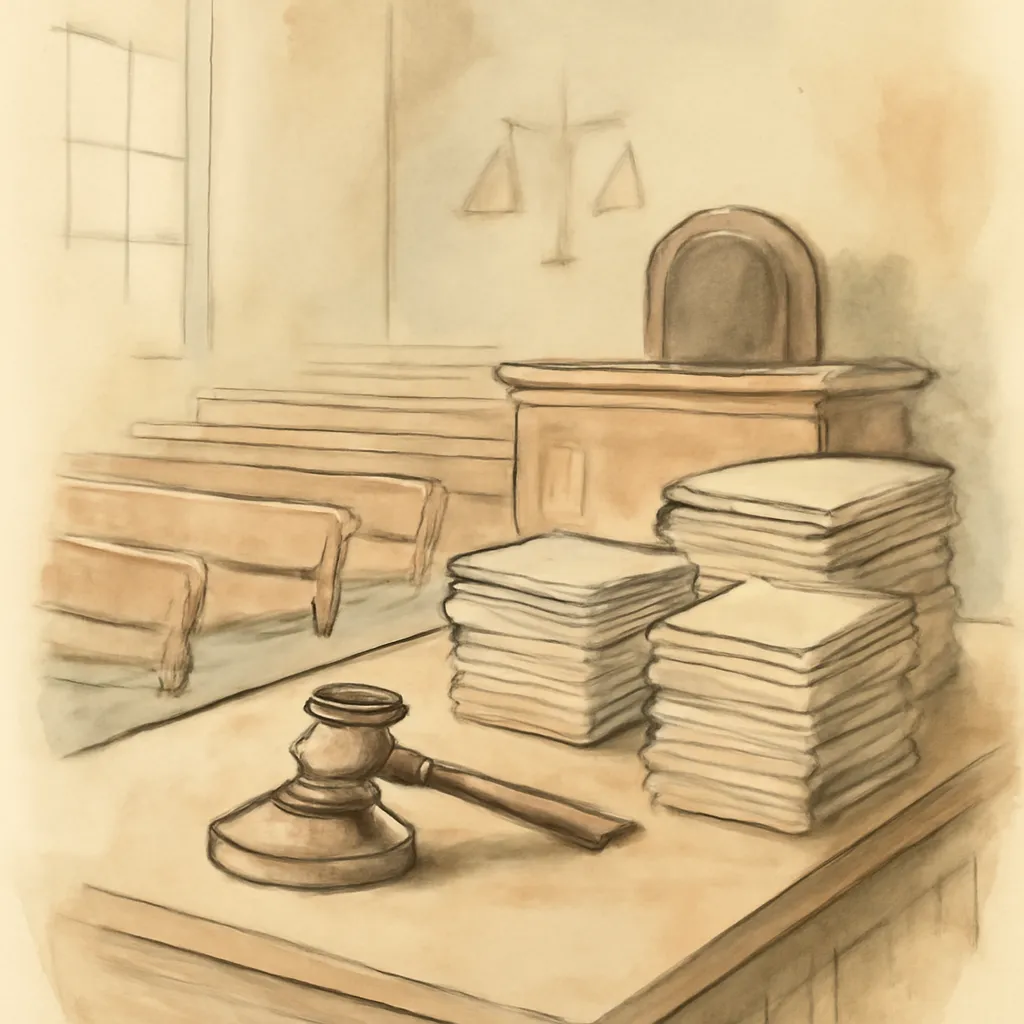
Southern states enacted 'Black Codes' and vagrancy laws designed to criminalize everyday behaviors of Black citizens. Minor infractions or fabricated charges led to heavy fines and imprisonment. Unable to pay, Black men were leased out as laborers, creating a pipeline from arrest to forced labor that benefited local economies and reinforced white supremacy.
3.Corporate and Government Complicity
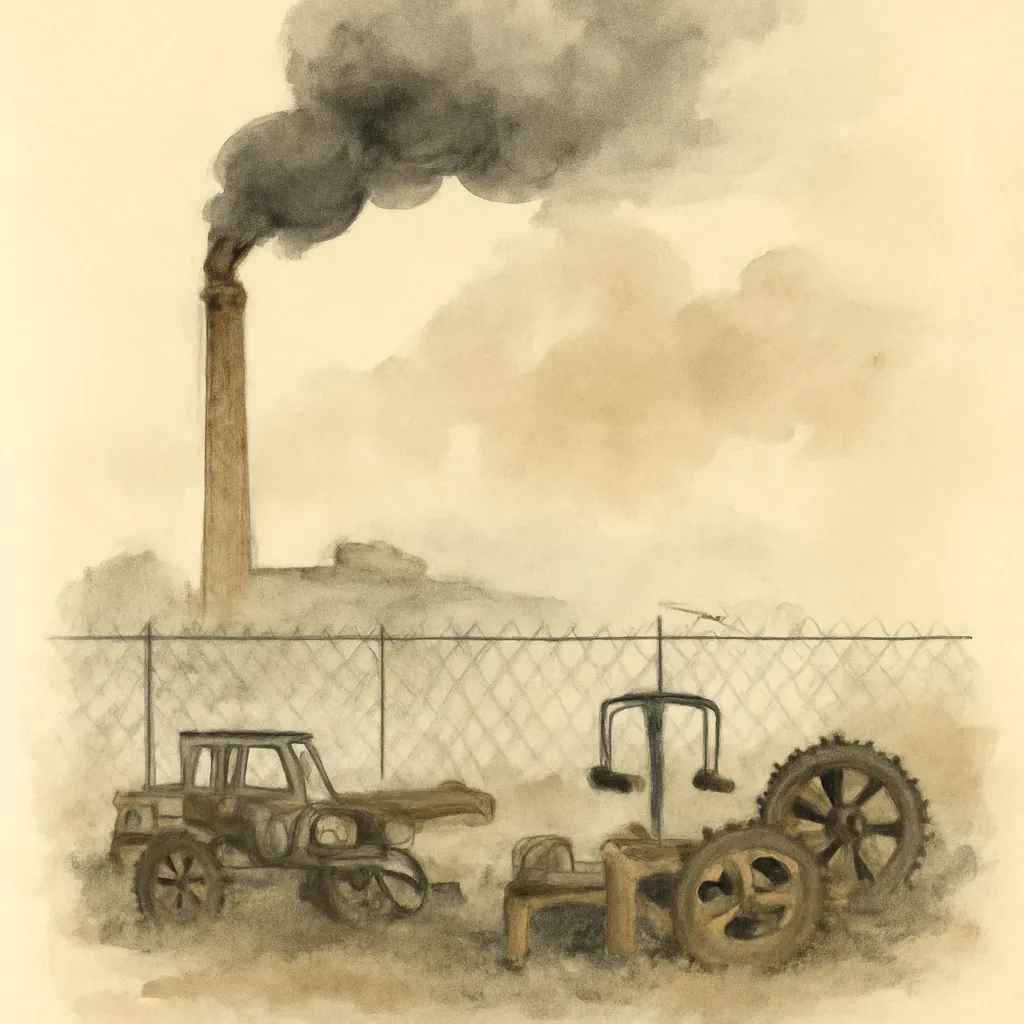
Blackmon meticulously documents how major corporations, small businesses, and government officials profited from and perpetuated these systems. Companies like U.S. Steel depended on cheap convict labor, while local sheriffs and judges received kickbacks. This complicity reveals the deep entanglement of economic interests and racial exploitation in American society.
4.Human Cost and Everyday Realities
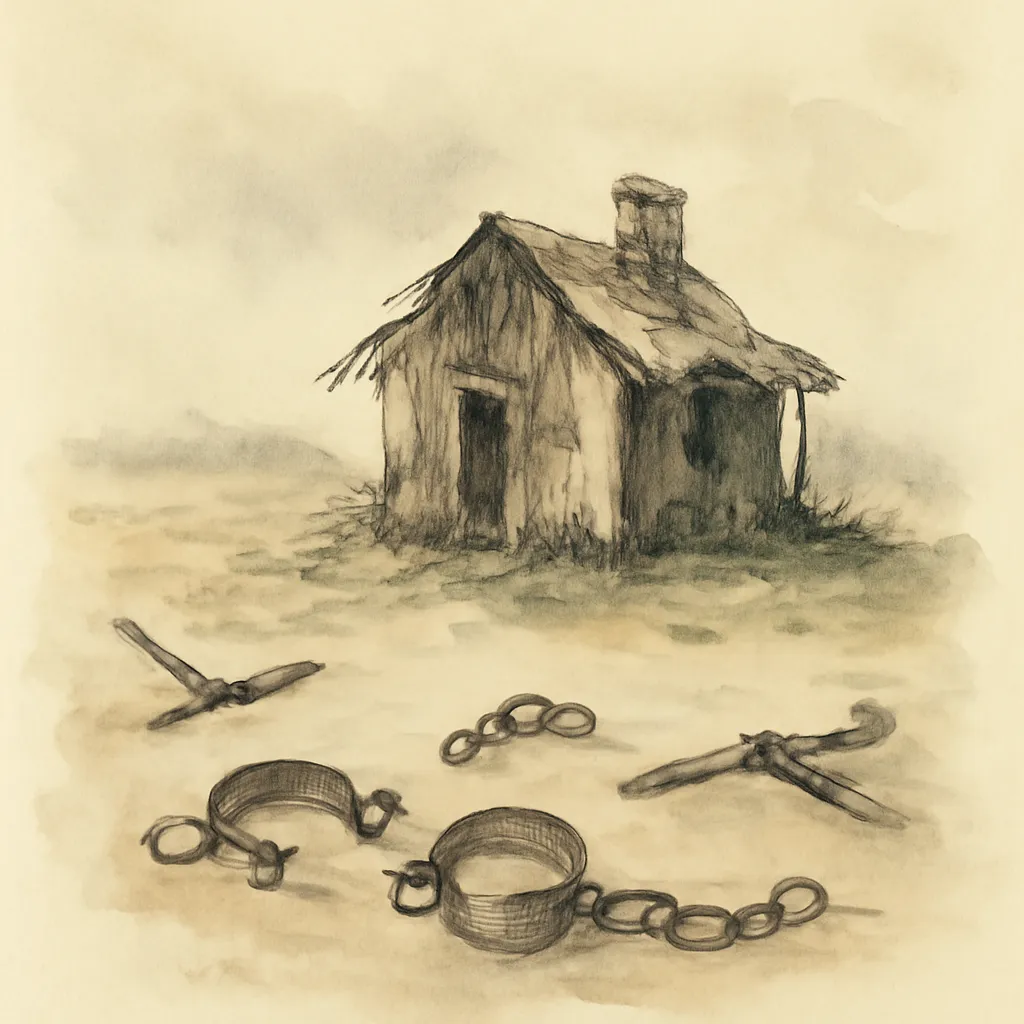
The book brings to life the harrowing experiences of individuals and families caught in this web of neoslavery. Blackmon draws on personal stories, court records, and newspaper accounts to show the violence, deprivation, and trauma inflicted on generations of Black Americans. Their suffering was not peripheral but central to the economic and social order of the South.
5.Historical Amnesia and Its Consequences
Blackmon argues that the widespread denial or minimization of this history has allowed myths about post-slavery progress to persist. By confronting the reality of neoslavery, the book challenges readers to reconsider narratives of American freedom and the roots of contemporary racial inequality.
6.The Long Shadow of Neoslavery
The legacy of these practices continues to shape American society. Blackmon connects the dots between past injustices and ongoing disparities in wealth, incarceration, and opportunity for Black Americans. Understanding this history is essential for meaningful dialogue about justice and reconciliation today.