1.Everyday Racism and Systemic Bias
The novel exposes how racism is not just overt hatred, but also embedded in everyday interactions and institutional decisions. Ruth Jefferson’s experience as a Black nurse—sidelined at the request of white supremacist parents—illustrates how prejudice can be quietly sanctioned by organizations and individuals who believe themselves to be neutral. Picoult uses Ruth’s story to highlight the subtle, pervasive nature of bias, forcing both characters and readers to recognize the many forms racism can take.
2.Privilege and Blind Spots
Through Kennedy McQuarrie, Ruth’s white public defender, Picoult explores the limits of good intentions. Kennedy’s initial reluctance to discuss race in court reflects a broader societal discomfort with acknowledging privilege. The novel interrogates how privilege allows some people to ignore or minimize the realities others face daily, and how genuine allyship requires uncomfortable self-examination and the willingness to listen.
3.Moral Dilemmas and Personal Responsibility
Ruth’s central dilemma—whether to obey orders or save a child—serves as a powerful metaphor for the choices we all face when confronted with injustice. The book asks: When is it right to challenge authority? What are the consequences of action versus inaction? Picoult does not offer easy answers, instead presenting the complexity of moral decision-making in a flawed world.
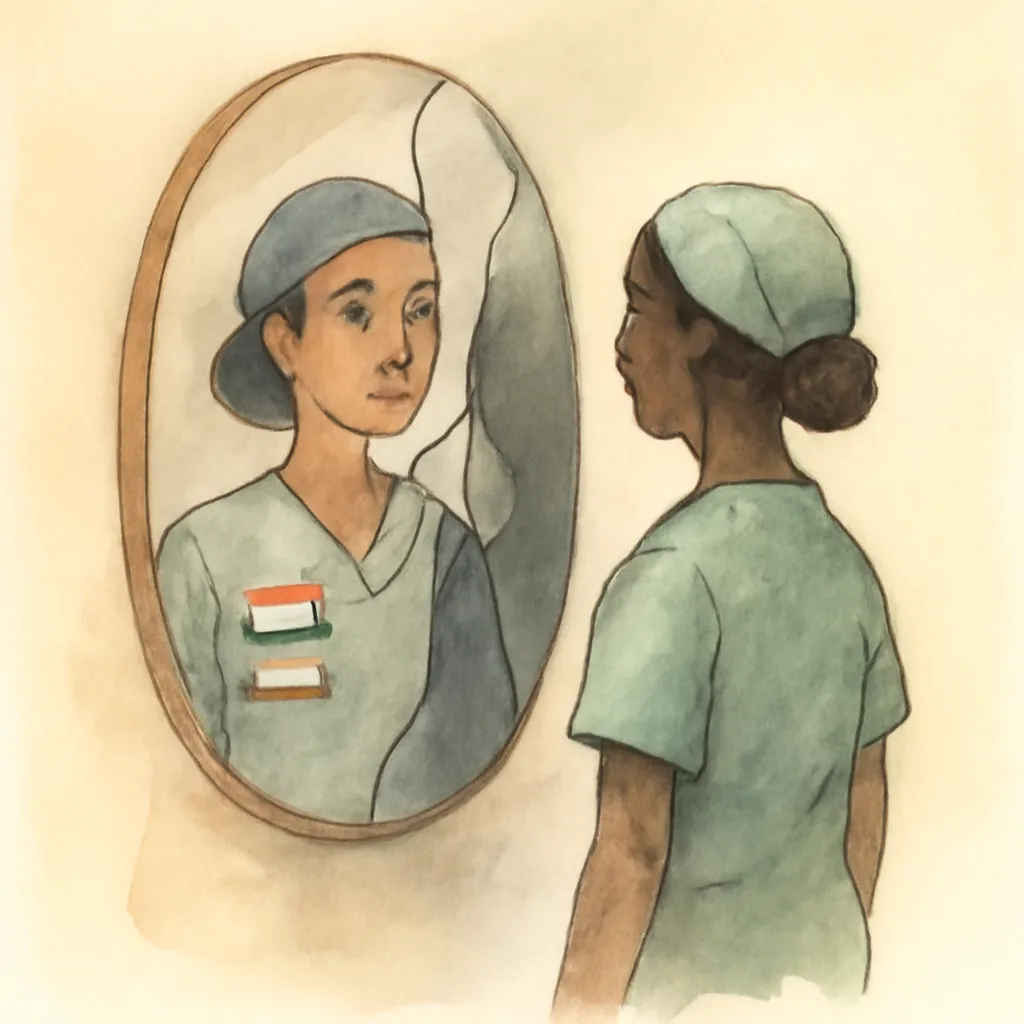
4.The Complexity of Identity
Small Great Things delves into how identity shapes perception and opportunity. Ruth’s professional competence is overshadowed by her race in the eyes of others, while Kennedy must confront her own identity as a white woman defending a Black client. The narrative shows how identity is both imposed by society and internally negotiated, affecting relationships, self-worth, and justice.
5.Empathy as a Path to Change
Picoult crafts a story that urges empathy—not just for Ruth, but for all characters, including those with abhorrent beliefs. By giving voice to multiple perspectives, the novel challenges readers to understand the roots of prejudice and the possibility of transformation. This approach underscores the belief that empathy is essential for bridging divides and fostering social progress.
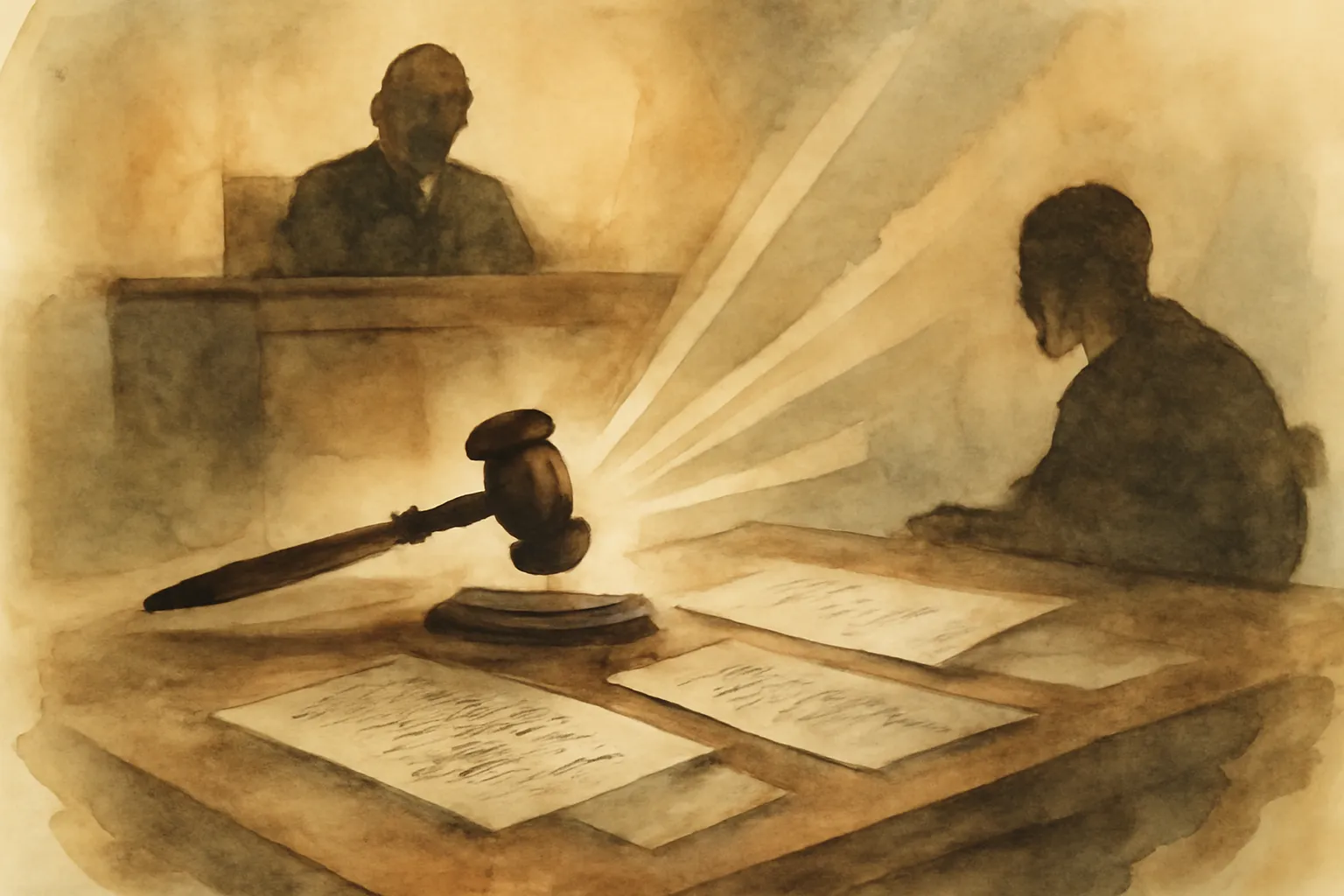
6.The Power and Limits of the Legal System
The courtroom drama at the heart of the novel reveals both the strengths and shortcomings of the justice system. Picoult shows how legal outcomes are shaped not just by facts, but by narratives, biases, and the willingness to confront uncomfortable truths. The novel questions whether true justice is possible in a system shaped by human imperfection.