1.The Changing Face of Poverty
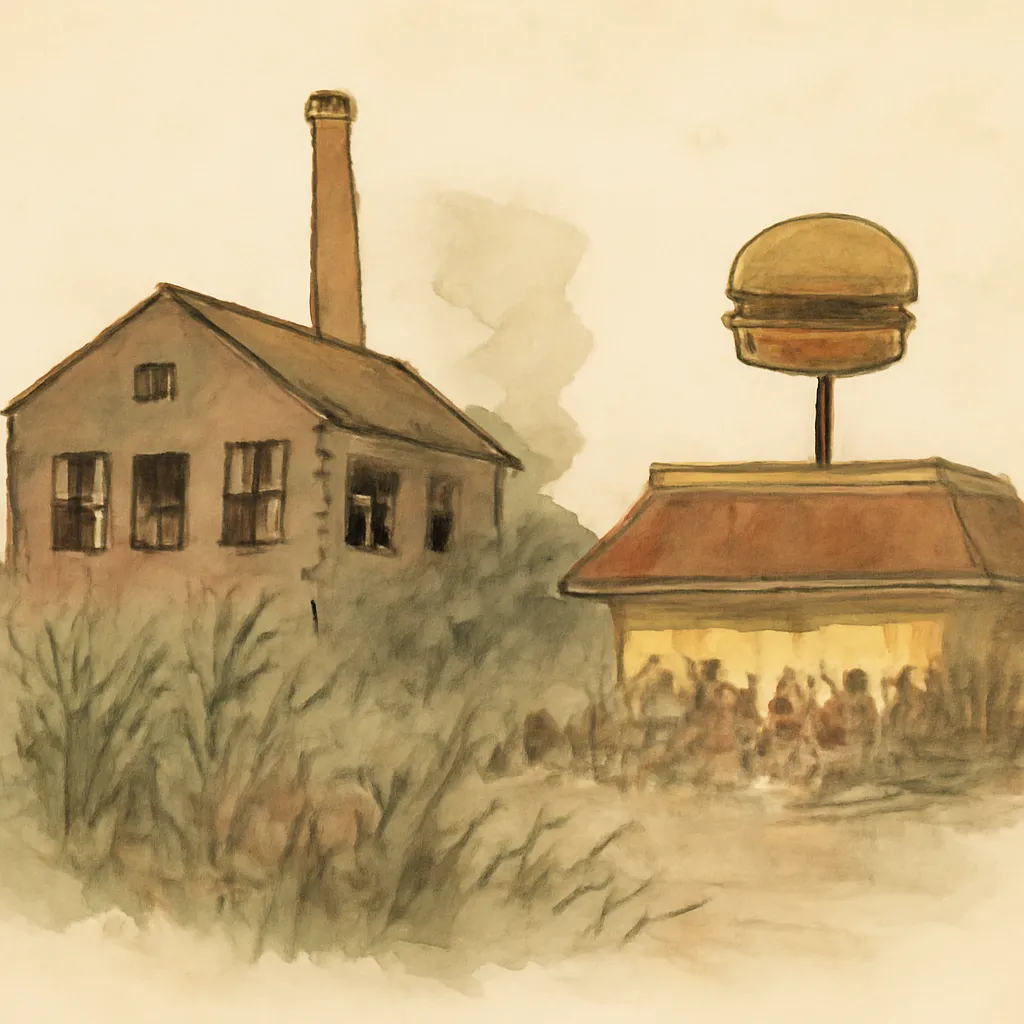
Edelman argues that poverty in America has evolved, affecting not only the chronically poor but also working families and the near-poor. He highlights how shifts in the economy, such as the decline of manufacturing and the rise of low-wage service jobs, have created a new class of working poor. This reframing challenges the stereotype that poverty is only about unemployment or personal failure, insisting that structural changes in the economy play a decisive role.
2.Policy Failures and Political Choices
The book contends that persistent poverty is not inevitable, but the result of political decisions. Edelman critiques welfare reform, especially the 1996 overhaul, arguing it left millions without a safety net. He explains how policy changes, like the reduction in cash assistance and the lack of investment in job creation, have deepened hardship for many. The message: poverty endures because of choices made by those in power, not because it is unsolvable.
3.The Role of Race and Inequality
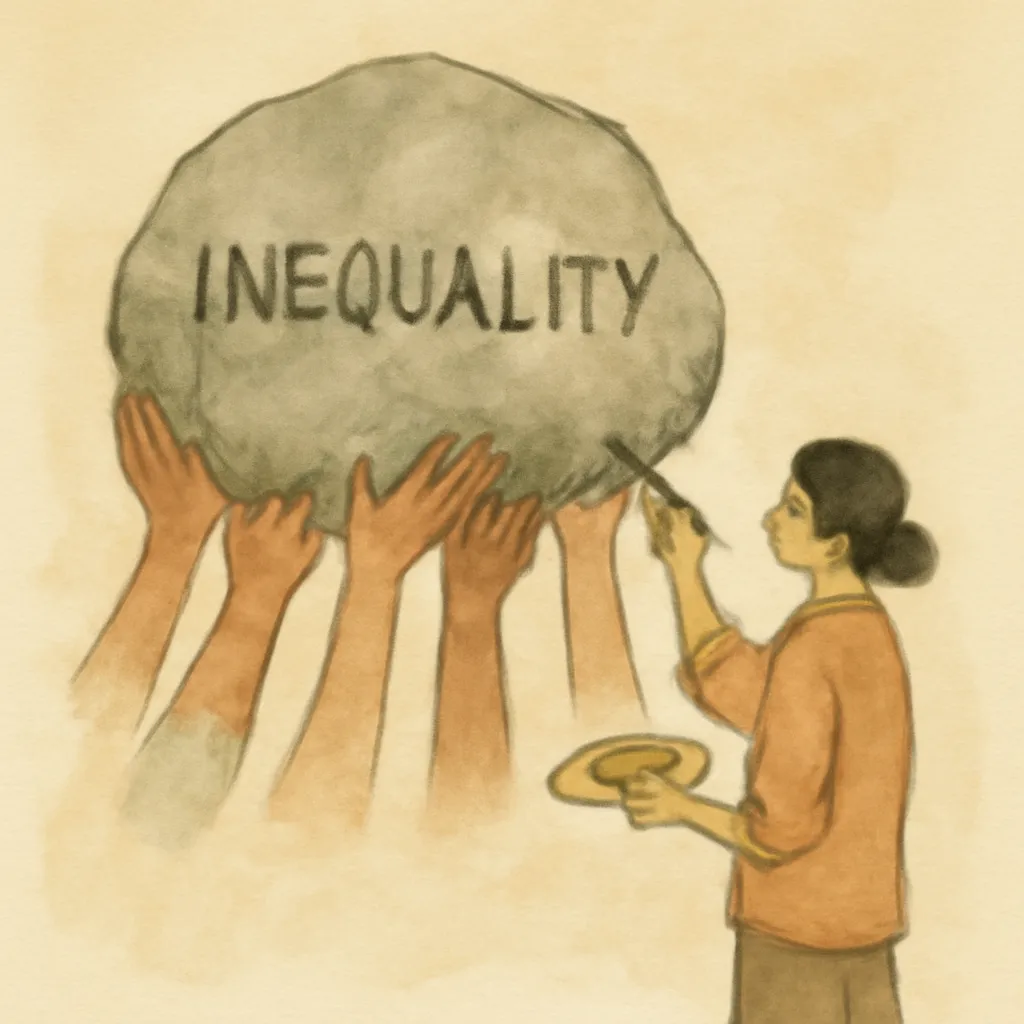
Edelman addresses how poverty in America is inseparable from issues of race and systemic inequality. He details the disproportionate impact of poverty on Black and Latino communities, rooted in historical discrimination and ongoing structural barriers. By connecting poverty to broader patterns of inequality, Edelman urges readers to see anti-poverty efforts as part of the fight for racial justice.
4.The Limits of the Safety Net
The book explores how the American safety net—programs like TANF, SNAP, and Medicaid—has become increasingly frayed. Edelman shows that while some supports remain, many are inadequate or inaccessible to those most in need. He emphasizes that the erosion of the safety net is a policy choice, and that a more robust system is both possible and necessary to address deep poverty.
5.Work, Wages, and the New Economy
Edelman highlights the centrality of work in American identity but points out that work alone is no longer a guaranteed path out of poverty. He documents the proliferation of low-wage, unstable jobs and the decline of unions, arguing that raising the minimum wage and supporting worker rights are crucial steps. The book calls for a rethinking of what it means to support working people in a changing economy.
6.A Call for Comprehensive Solutions
Rather than offering a single fix, Edelman advocates for a multi-pronged approach: strengthening the safety net, investing in education and job creation, reforming the criminal justice system, and addressing racial disparities. He insists that only a sustained, comprehensive effort can make a real dent in poverty rates, and that public will and political courage are essential.