1.War as the Foundation of Society
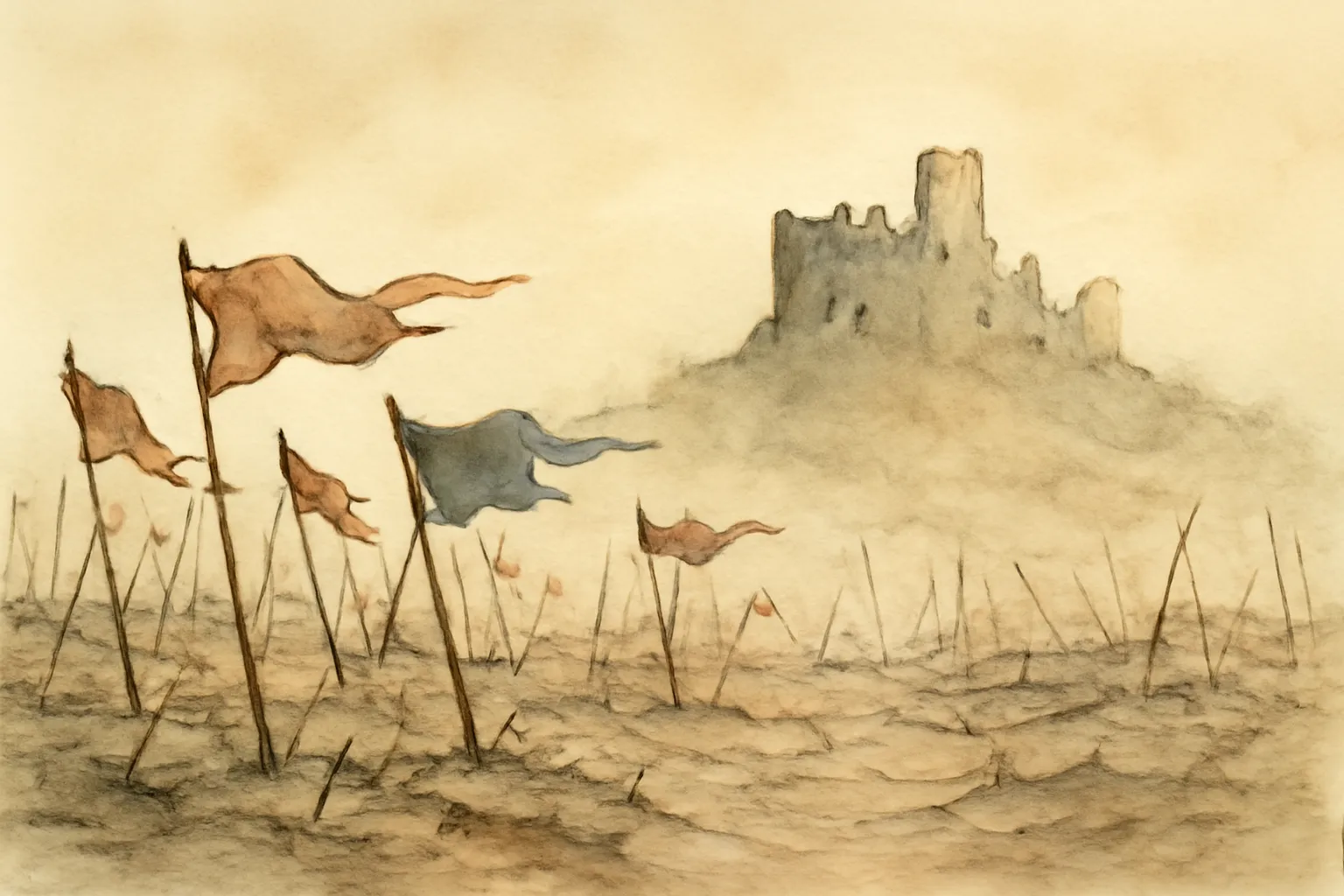
Foucault argues that, contrary to the traditional view of the state as a force for peace and order, modern societies are deeply structured by the logic of war. He traces how, from the 17th century onward, political theorists began to describe society not as a harmonious whole but as a battleground of competing groups and interests. This 'war model' isn't just metaphorical—Foucault shows how the language and strategies of warfare permeate political discourse and institutions, shaping how power is exercised and justified.
2.Race, Power, and the 'Bio-Politics' of the State
A crucial theme is how the state manages populations through what Foucault calls 'bio-politics'—the regulation of life, health, and death. He explains that the modern state doesn't just wield power through laws or armies, but by defining and managing entire populations, often along racial lines. This leads to the emergence of 'state racism,' where the state decides who must live and who can be allowed to die, justifying violence and exclusion in the name of protecting society.
3.The Shift from Sovereign Power to Disciplinary Power
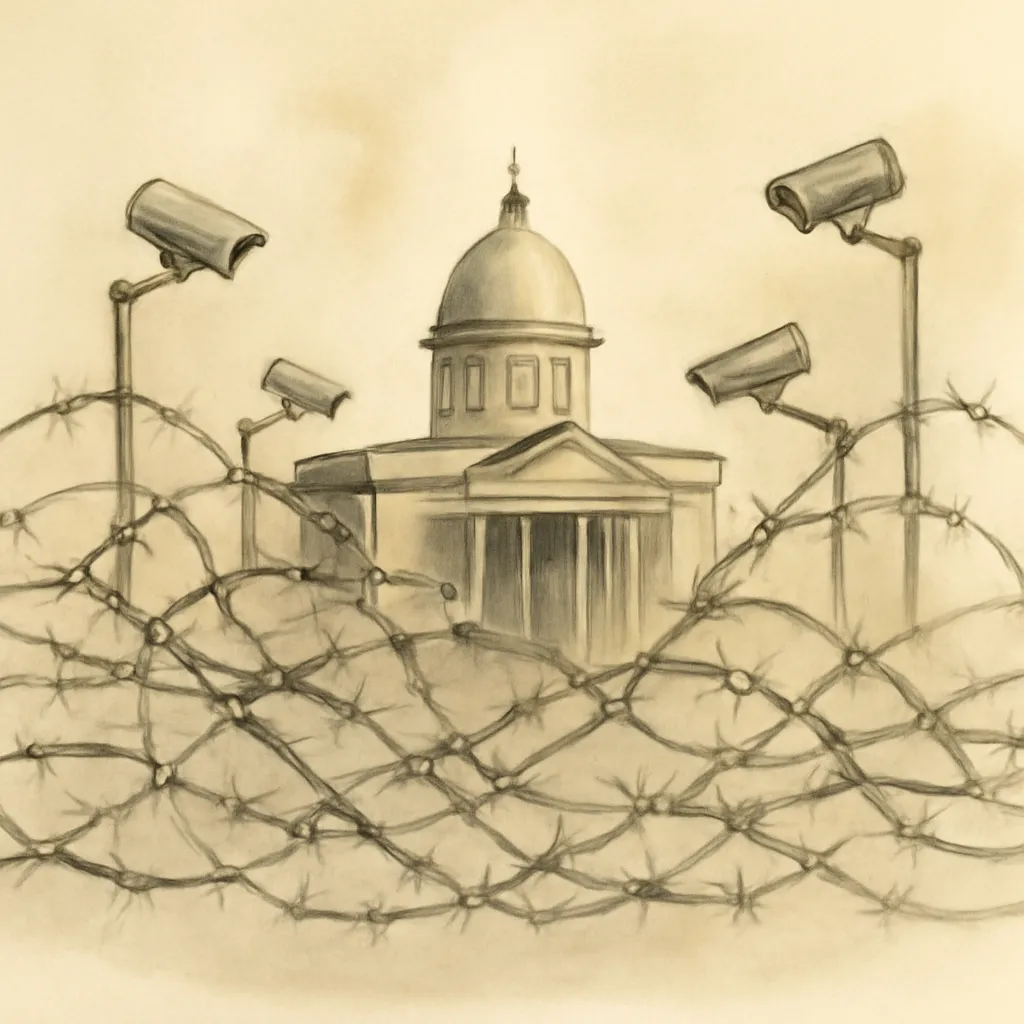
Foucault distinguishes between older forms of power, centered on the right to take life (sovereign power), and newer forms that focus on fostering and managing life (disciplinary and regulatory power). He shows how, in modern societies, power operates less through spectacular displays of force and more through subtle mechanisms of surveillance, normalization, and control. This shift has profound implications for how individuals experience authority and resistance.
4.History as a Struggle of Forces
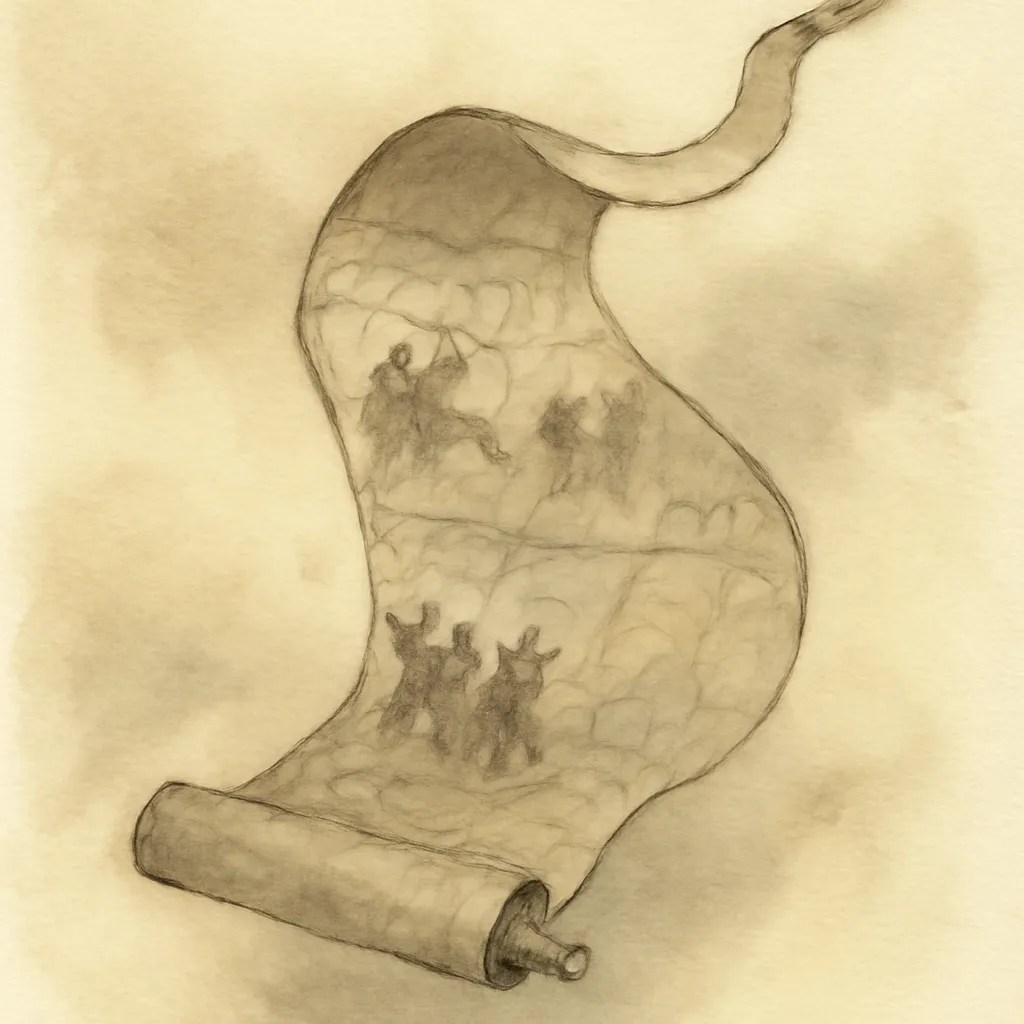
Rejecting the idea of history as a linear progression toward greater reason or justice, Foucault insists that history is the record of ongoing struggles between groups. He draws on the tradition of 'counter-history,' which interprets historical events as the outcome of conflicts between races, classes, or nations. This perspective unmasks the supposed neutrality of historical narratives and reveals the political interests behind them.
5.The Role of Discourse in Power Relations
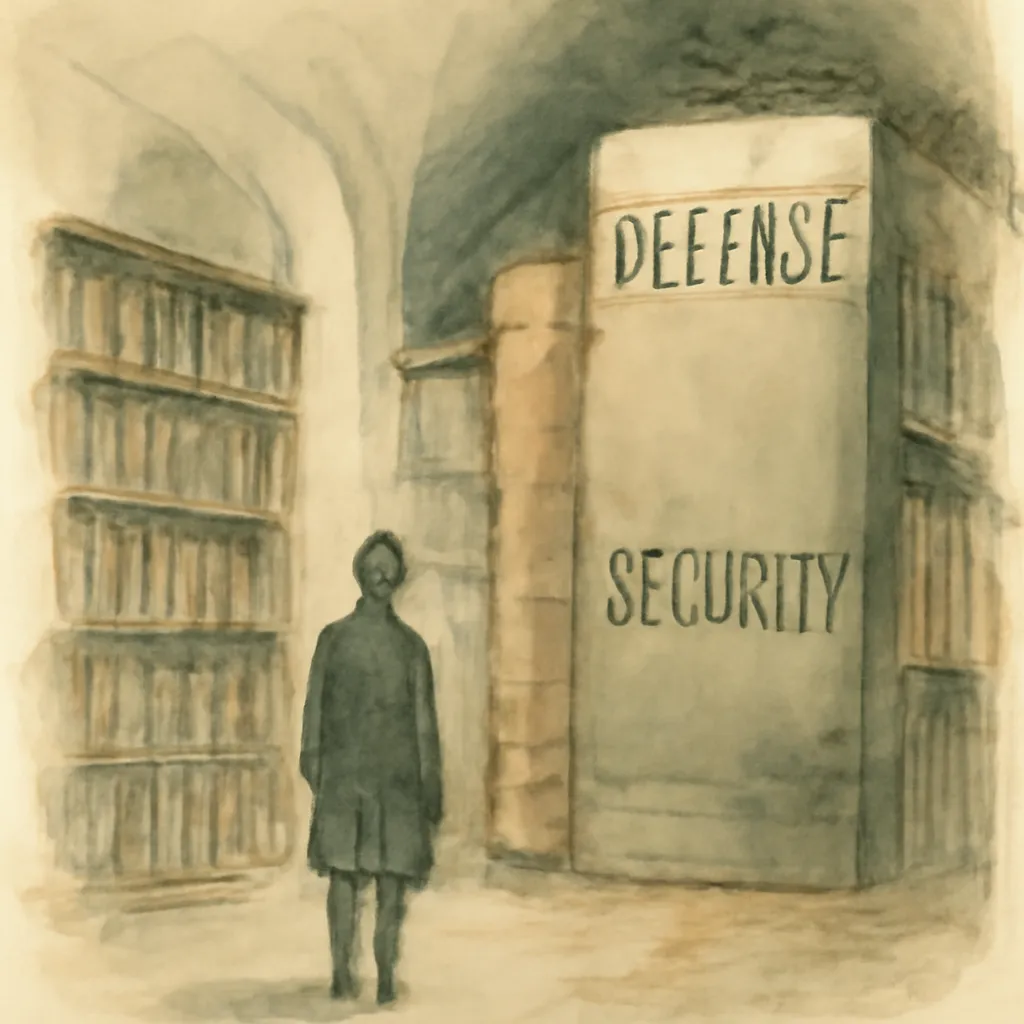
Foucault is famous for analyzing how language and discourse shape what is possible to think and do. In this book, he shows how the very terms we use to describe society—such as 'defense,' 'security,' or 'race'—are not neutral but serve to reinforce certain power structures. By uncovering the historical origins of these discourses, Foucault invites readers to question the taken-for-granted ways in which society is organized and defended.
6.Resistance and the Limits of Power
Despite his focus on the pervasive nature of power, Foucault also emphasizes the possibilities for resistance. He suggests that wherever power operates, there are always points of contestation and struggle. Understanding the mechanisms of power, especially how they are justified through the language of war and security, is a first step toward challenging and transforming them.