

Big ideas · from the full text
Spark
by John J. Ratey with Eric Hagerman · 3 min read · Lumina’s commentary, written with AI
About this book
Did you know you can beat stress, lift your mood, fight memory loss, sharpen your intellect, and function better than ever simply by elevating your heart rate and breaking a sweat? The evidence is incontrovertible: Aerobic exercise physically remodels our brains for peak performance. In Spark, John J. Ratey, M.D., embarks upon a fascinating and entertaining journey through the mind-body connection, presenting startling research to prove that exercise is truly our best defense against everything from depression to ADD to addiction to aggression to menopause to Alzheimer's. Filled with amazing case studies (such as the revolutionary fitness program in Naperville, Illinois, which has put this school district of 19,000 kids first in the world of science test scores), Spark is the first book to explore comprehensively the connection between exercise and the brain. It will change forever the way you think about your morning run—or, for that matter, simply the way you think.
As an Amazon Associate, Lumina earns from qualifying purchases. How this works
♫ AI-generated voice · press play below to listen and read along; tap any passage to jump to it
Exercise can ready the brain for learning
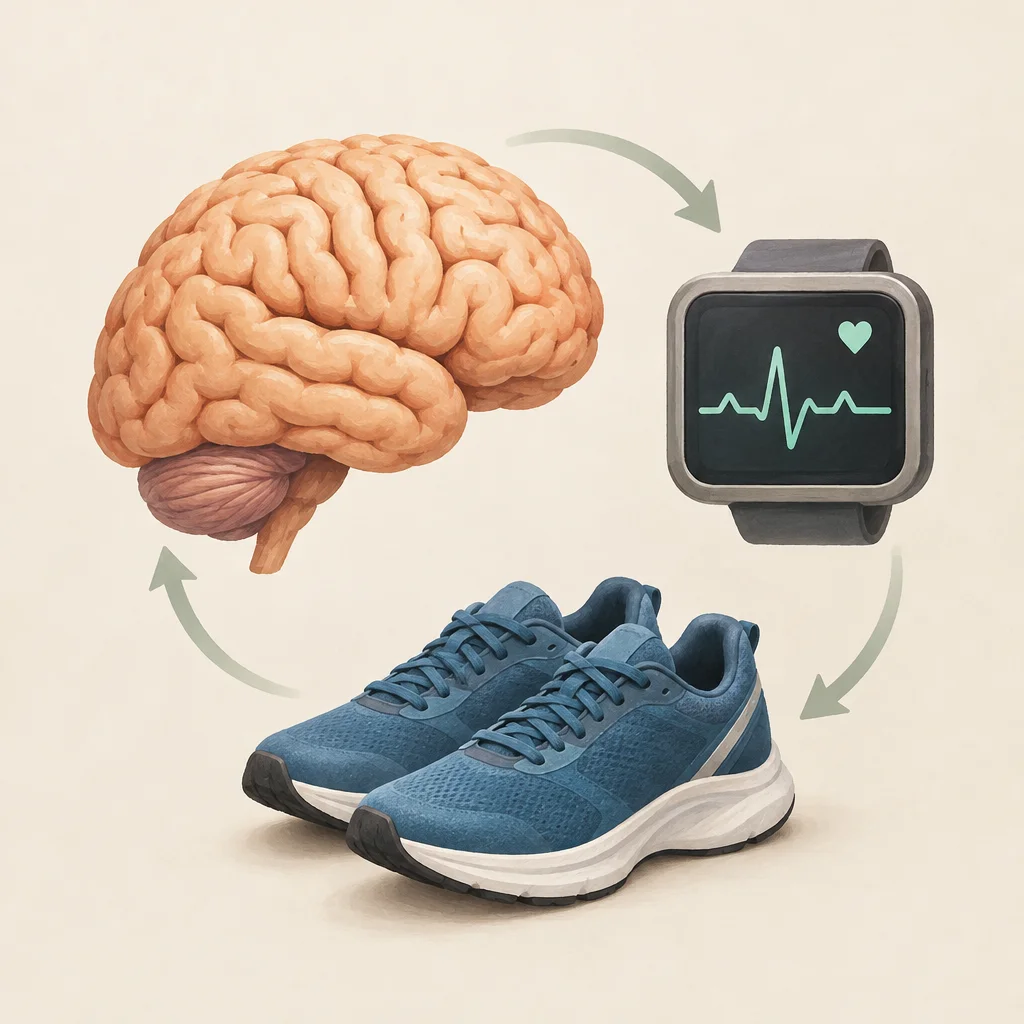
In Spark, John J. Ratey with Eric Hagerman argues that exercise can put the brain into a more change-ready state. The book points to factors like BDNF, blood flow, new neurons, and stronger connections between brain cells. It does not claim exercise teaches lessons by itself. Instead, it says study, challenge, and rich experience are what turn that prepared state into lasting learning.
Why it matters
This makes movement part of the learning setup, not just a break from schoolwork.
An example
Naperville students used heart-rate monitors so effort counted even when speed did not.
Keep in mind
Naperville’s other social and family advantages make it unsafe to credit all results to PE.
Exercise can support care without replacing it

In Spark, John J. Ratey with Eric Hagerman applies exercise to anxiety, depression, ADHD, addiction, and stress, describing ways movement may reduce distress and support daily functioning. The book also draws a clear line: exercise is not presented as a replacement for treatment. Some people will still need medication, therapy, coaching, medical oversight, or a broader recovery plan. The goal is support, not a cure-all.
Why it matters
The message stays hopeful without blaming sick people for needing more than exercise.
An example
For severe depression, the book favors medical care along with supported activity, such as accompanied walks.
Keep in mind
Individual cases show possible benefits, but they do not prove the same result for everyone.
Stress helps only when people recover
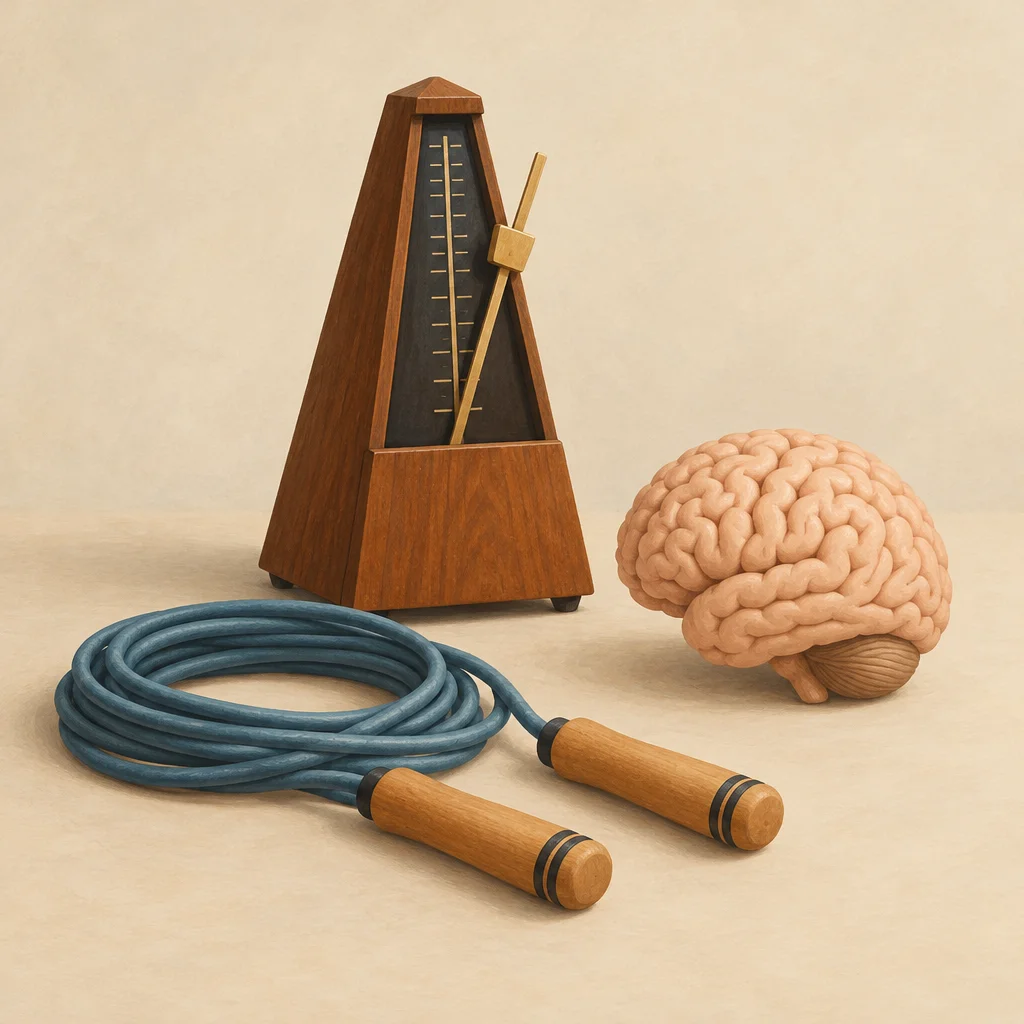
In Spark, John J. Ratey with Eric Hagerman treats stress as beneficial only in the right dose and damaging when it stays high too long. Short stress can sharpen attention and mobilize energy, while prolonged stress can hurt memory and intensify fear. The book links exercise to this idea because movement creates a controlled strain followed by recovery, which it suggests may support repair processes. It does not claim exercise cures illness or fully erases fear memories.
Why it matters
This explains why rest and pacing are part of the brain-health argument, not optional extras.
An example
Susan chooses jump rope as an immediate coping response instead of using wine.
Keep in mind
The book does not claim exercise cures illness or erases fear memories completely.
Exercise works through many linked pathways
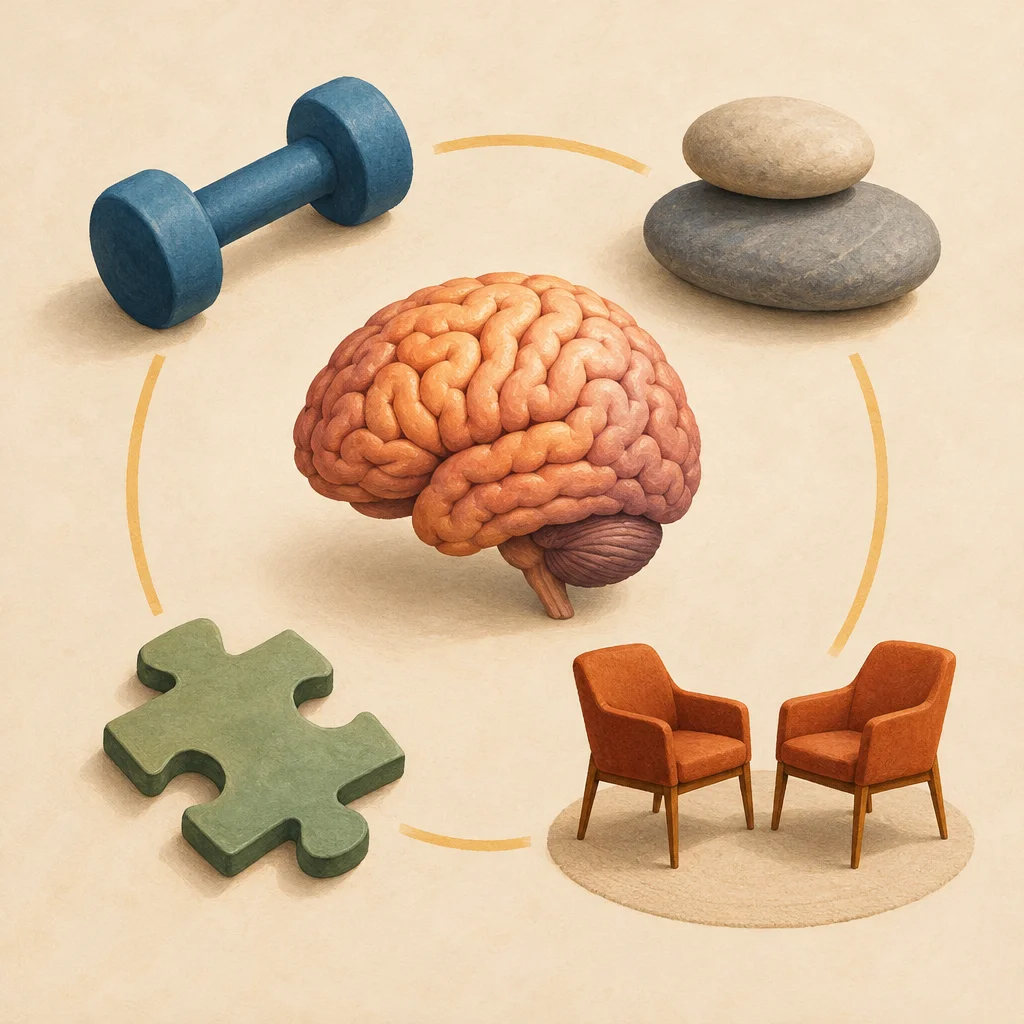
In Spark, John J. Ratey with Eric Hagerman avoids reducing exercise to one “magic” brain chemical. The book describes multiple connected factors: chemical messengers, blood vessels, new cell growth, stress regulation, mood, repair systems, social support, and confidence. That broader picture is why exercise appears in chapters on school, addiction, depression, and aging. The book’s older-adult example also reflects this: benefits are tied to more than walking alone.
Why it matters
Readers can see why one simple habit might matter in several areas, while still needing careful evidence.
An example
Older adults benefit not only from walking, but also from strength, balance, social contact, and mental challenge.
Keep in mind
Because many factors interact, the source does not prove which pathway matters most in each case.
The best plan is one people can keep adapting
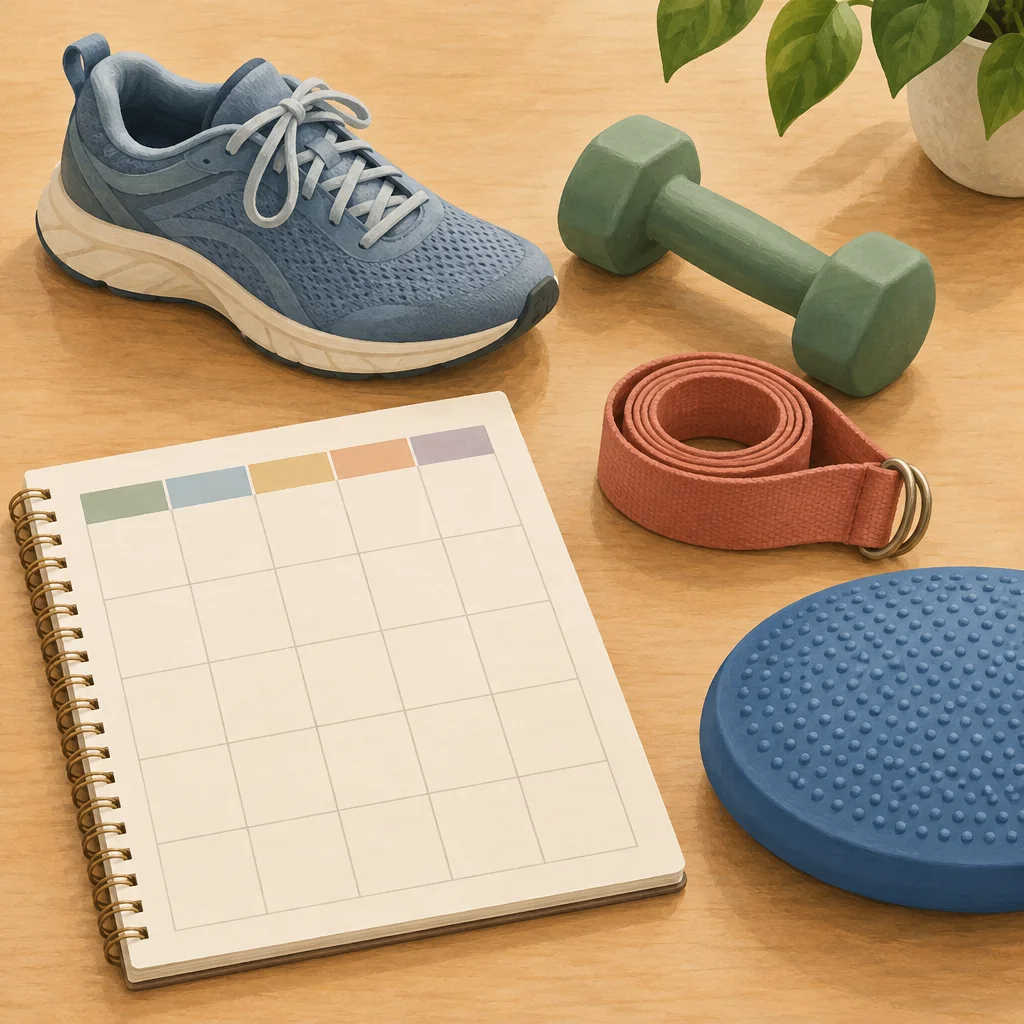
In Spark, John J. Ratey with Eric Hagerman ends with a broad routine that includes aerobic exercise, strength, balance, flexibility, and skill learning. It also says the best brain-specific dose is still unknown. Walking is presented as a real start, and the book emphasizes building slowly, recovering, and seeking medical clearance when needed. Its example of adapting is simple: after injuries, the narrator changes activities instead of staying loyal to only one sport.
Why it matters
The book values durable movement in normal life more than brief heroic effort.
An example
After injuries, the narrator changes activities instead of staying loyal to only one sport.
Keep in mind
The summary does not support one exact schedule as best for every person.
Liked the ideas? Read Spark in full.
The big ideas are free on Lumina. The complete book is available from:
As an Amazon Associate, Lumina earns from qualifying purchases. How this works