1.Cadavers as Unsung Heroes of Science
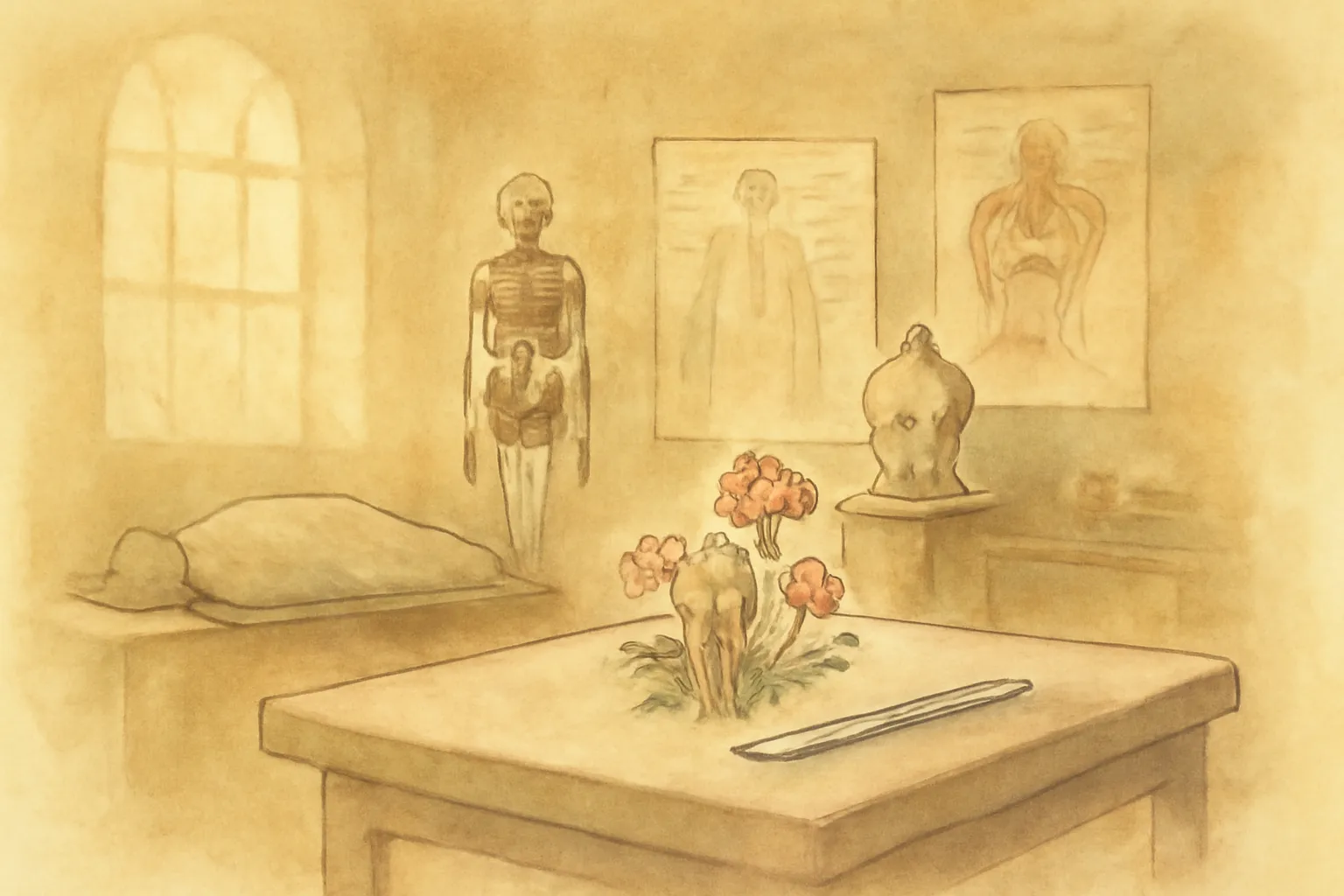
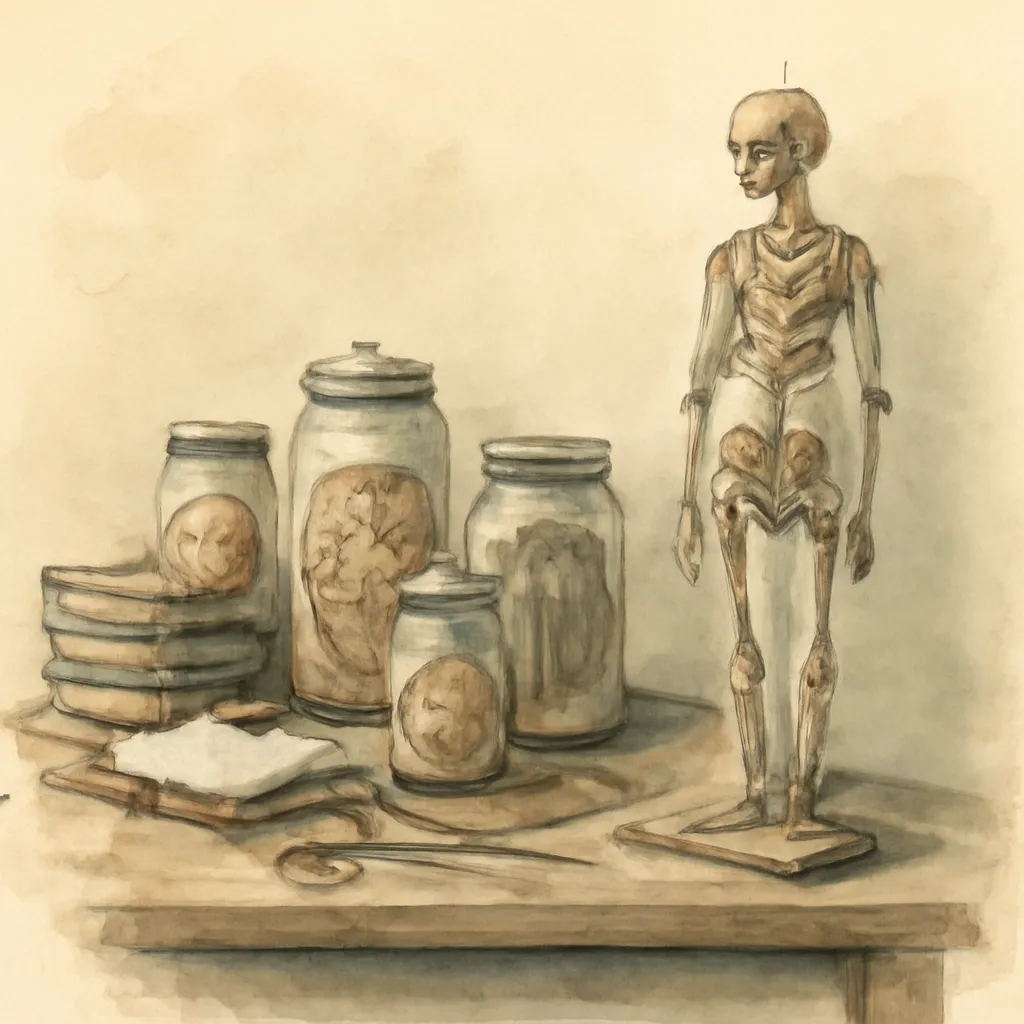
Roach reveals the crucial role cadavers have played in scientific and medical advancement. From early anatomical studies to modern crash tests and surgical training, donated bodies have enabled breakthroughs that save and improve lives. The book challenges readers to see cadavers not as macabre objects, but as silent contributors to human progress, deserving of respect and gratitude.
2.The Ethics and History of Body Use
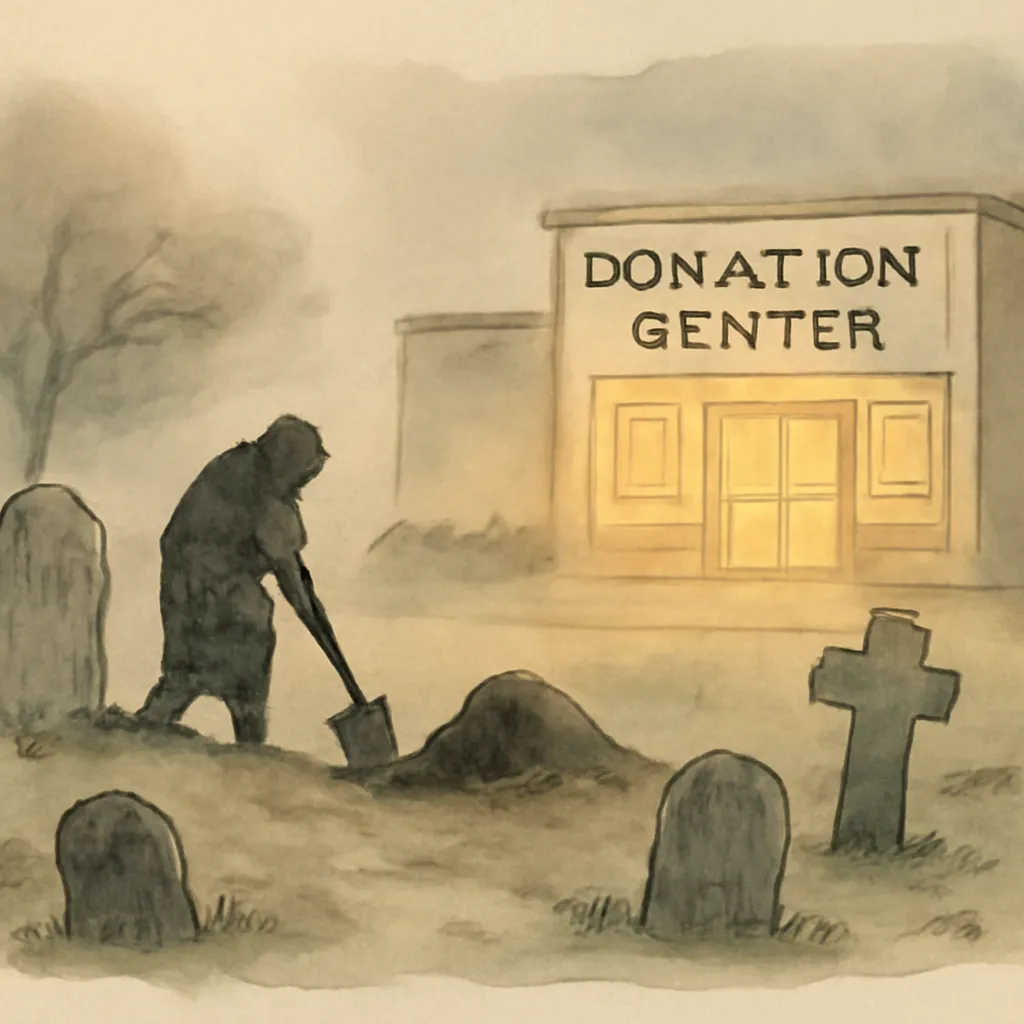
Stiff delves into the ethical dilemmas and historical controversies surrounding the use of human remains. Roach traces the evolution from grave robbing and body snatching to today's regulated donation systems. By examining changing societal attitudes, she prompts readers to consider the balance between scientific necessity and respect for the dead, as well as how our own values shape what we consider acceptable.
3.Death’s Many Destinations
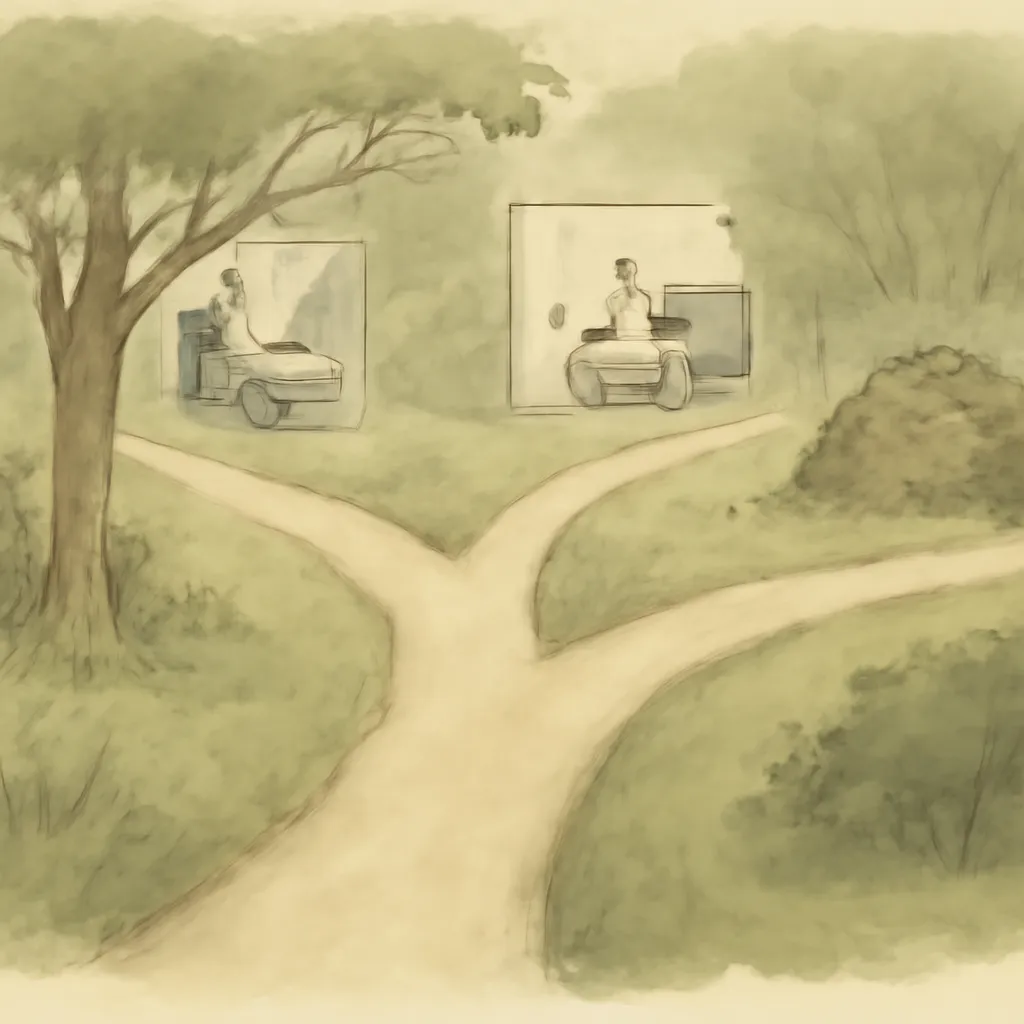
The book explores the diverse paths a cadaver might take: medical dissection, crash testing, forensic research, composting, and even cannibalism in extreme historical contexts. Roach’s curiosity and humor illuminate the practical, sometimes bizarre, and always fascinating possibilities, encouraging readers to rethink what 'rest in peace' can mean.
4.Humor as a Tool for Facing Mortality
Roach’s signature wit and irreverence make the subject of death approachable. By mixing scientific detail with laugh-out-loud anecdotes, she helps readers confront their own anxieties about mortality. The humor doesn’t trivialize death but rather demystifies it, making the realities of decomposition and post-mortem use less frightening and more intellectually accessible.
5.Personal Choices and Cultural Attitudes
Stiff invites readers to reflect on their own beliefs about death, burial, and body donation. Roach discusses burial, cremation, and alternative options, highlighting how culture, religion, and personal values influence these decisions. The book encourages open, informed conversations about what we want to happen to our bodies after death.
6.The Intersection of Science and Humanity
Throughout, Roach maintains a deep respect for the humanity of the deceased, balancing scientific curiosity with empathy. She introduces readers to the people who work with cadavers—surgeons, forensic scientists, morticians—showing their reverence and professionalism. This human element grounds the book, reminding us that behind every cadaver is a story and a life once lived.