1.Stocks Outperform All Other Assets Long-Term
Siegel’s central thesis is that, over long periods—measured in decades—stocks have consistently outperformed bonds, gold, and cash. He marshals over two centuries of historical data to show that while stocks are volatile in the short run, their risk diminishes over time, making them the most reliable vehicle for growing wealth and preserving purchasing power against inflation.
2.The Power of Compounding and Time
A core message is that time in the market, not timing the market, is what builds wealth. The book demonstrates how compounding returns, even at modest annual rates, lead to exponential growth over decades. Siegel warns that trying to jump in and out of the market often leads to missing the best days, which can dramatically reduce long-term returns.
3.Inflation: The Silent Wealth Eroder
Siegel emphasizes that inflation is a persistent threat to savers, steadily eroding the real value of cash and fixed-income investments. Stocks, by contrast, have historically provided a hedge against inflation, as companies can raise prices and grow earnings in response to rising costs, thus preserving and enhancing real wealth.
4.Indexing and the Case Against Stock Picking
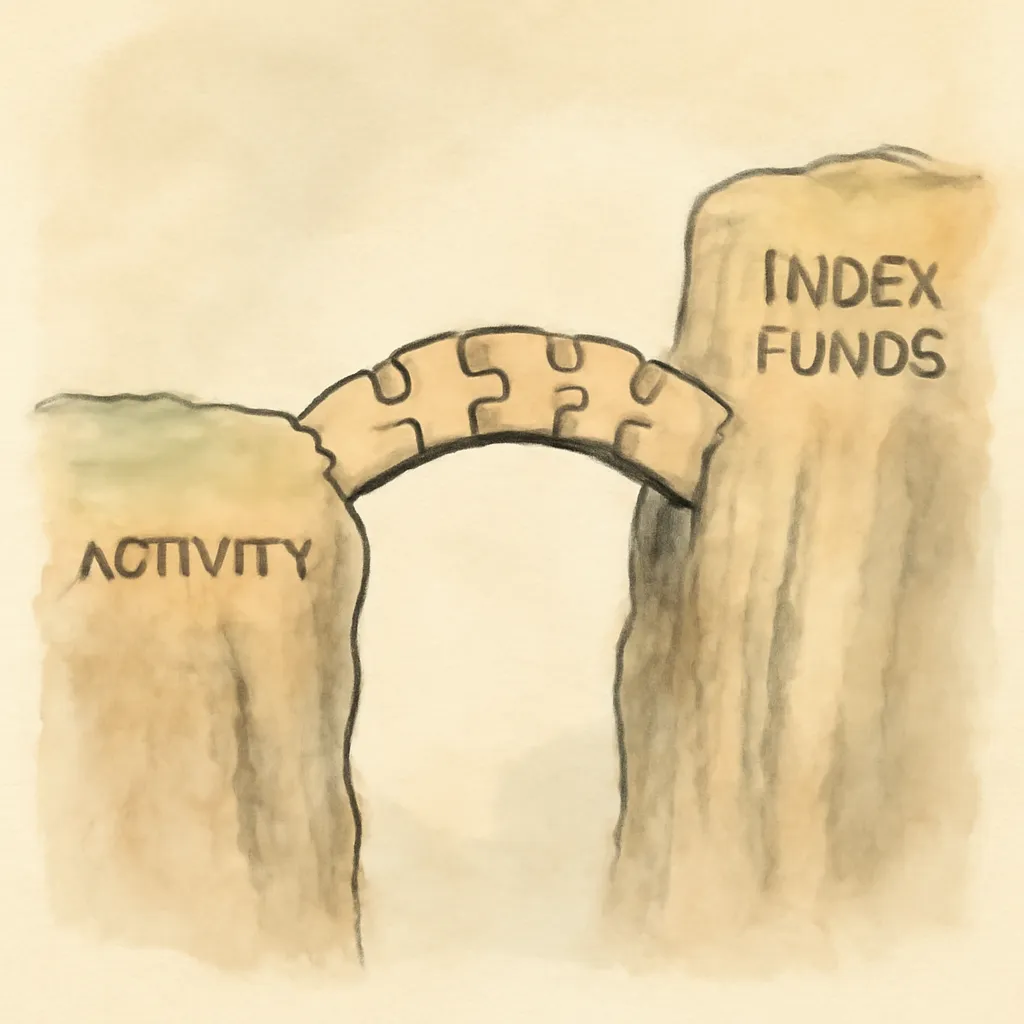
The book makes a strong case for low-cost, broad-based index investing. Siegel presents evidence that most active managers underperform the market over time, and that index funds—especially those tracking fundamentally weighted indexes—offer superior returns with lower costs and less risk. He also explores the rise of new indexing strategies and their implications.
5.Behavioral Pitfalls and Investor Psychology
Siegel addresses the psychological traps that derail investors, such as panic selling during downturns, overconfidence, and herd behavior. He draws on behavioral finance to explain why even knowledgeable investors make costly mistakes and stresses the importance of discipline, patience, and sticking to a long-term plan.
6.Globalization and Emerging Markets
In later editions, Siegel explores the growing importance of global markets and the shift of economic power toward emerging economies. He argues that diversification beyond the U.S. is increasingly vital, as growth in developing countries can offer new opportunities and help reduce portfolio risk.