1.The Birth of Sherlock Holmes
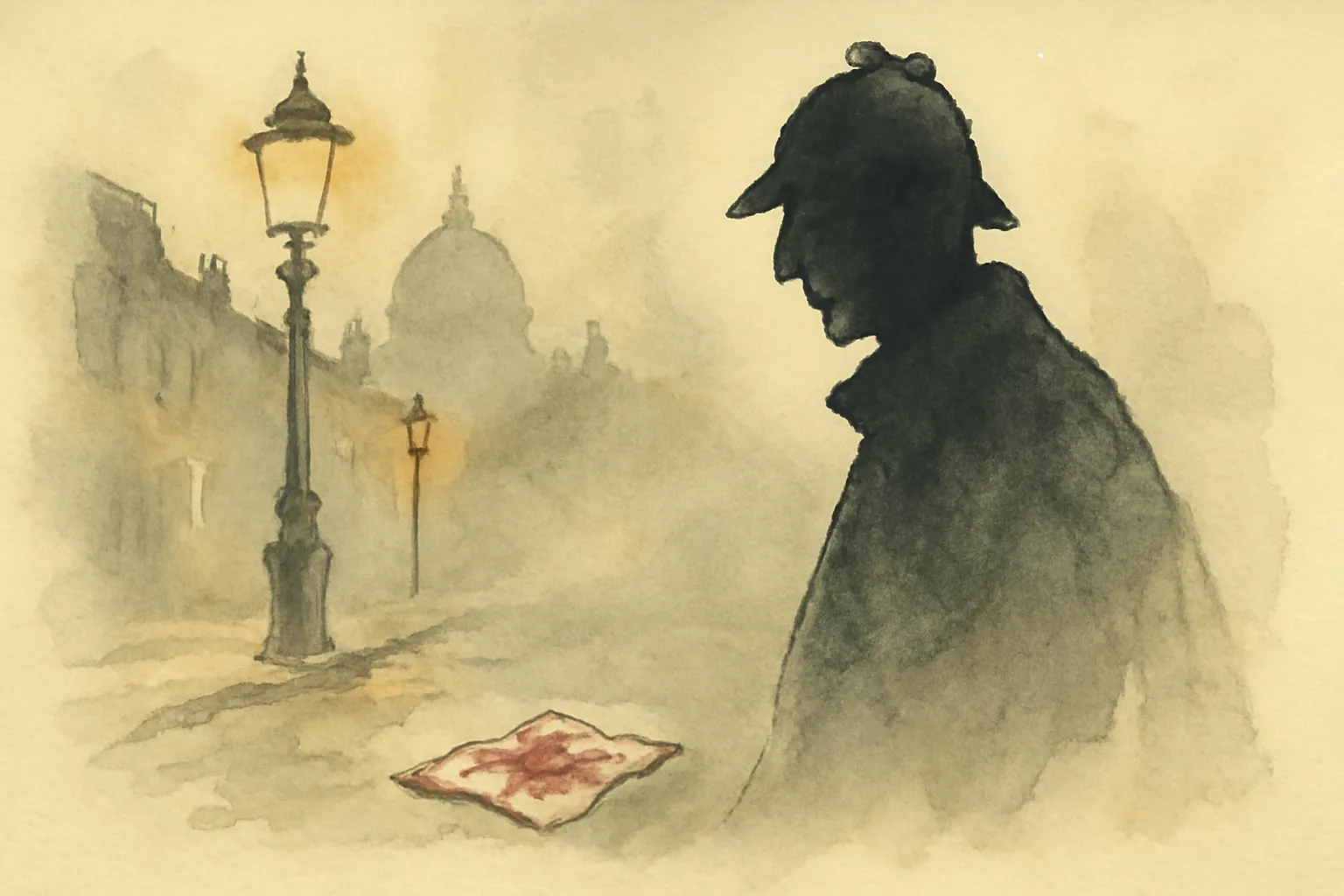
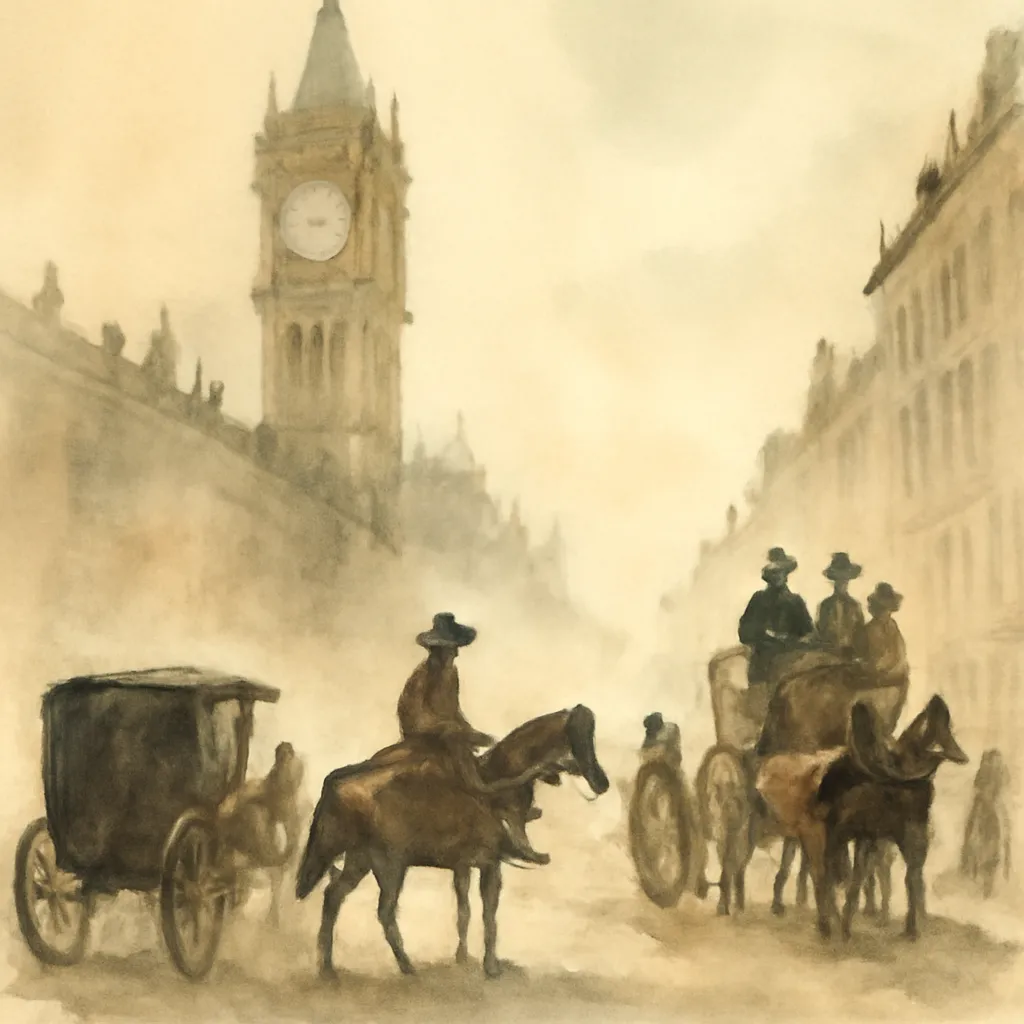
The novel opens with Dr. John Watson, a war veteran recovering from injuries sustained during the Second Afghan War. Facing a lack of family ties and financial constraints, he returns to London, where he meets the enigmatic Sherlock Holmes. Their shared living arrangement in Baker Street marks the beginning of a profound partnership. Holmes, a master of deduction, is introduced with his unique lifestyle—often absorbed in his work, he oscillates between intense focus and periods of lethargy. Watson's initial fascination with Holmes's methods lays the groundwork for the exploration of analytical thinking and observation, setting the tone for their future adventures.
2.The Power of Deduction
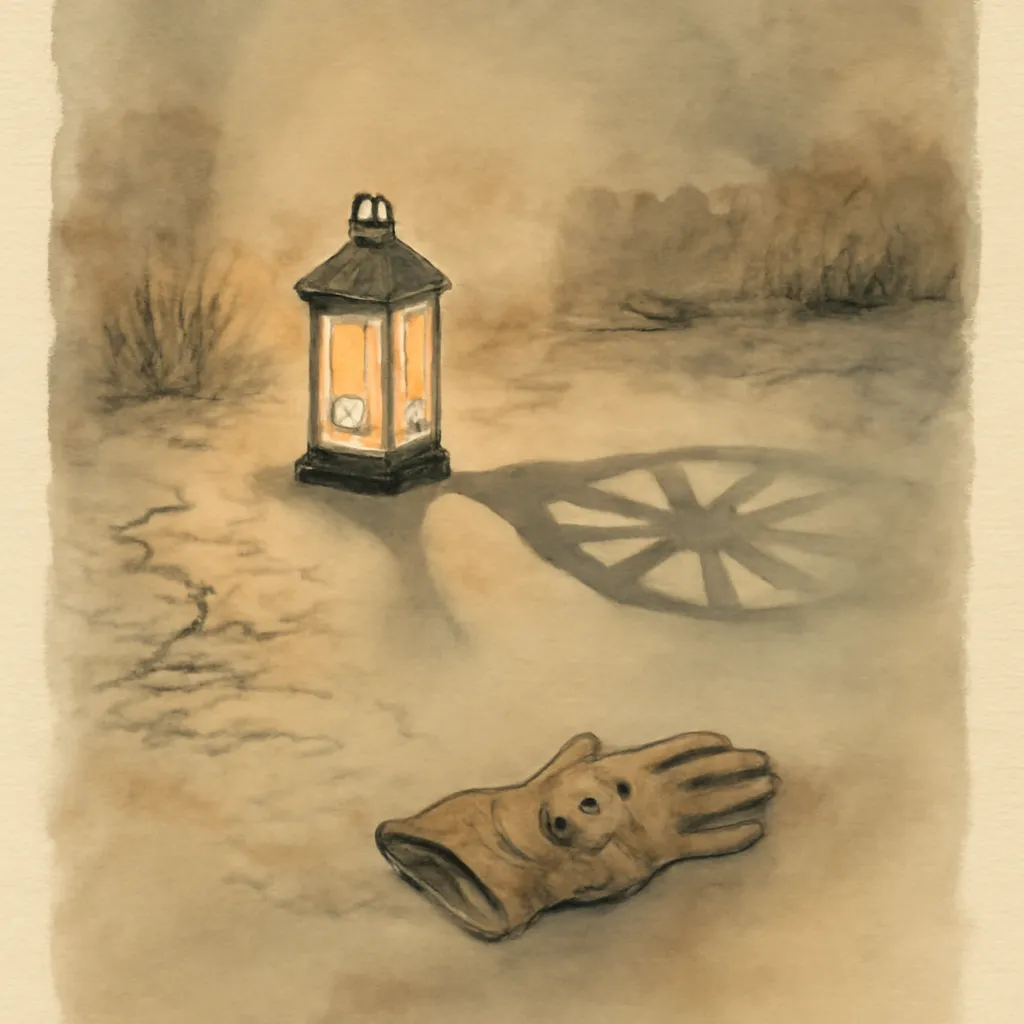
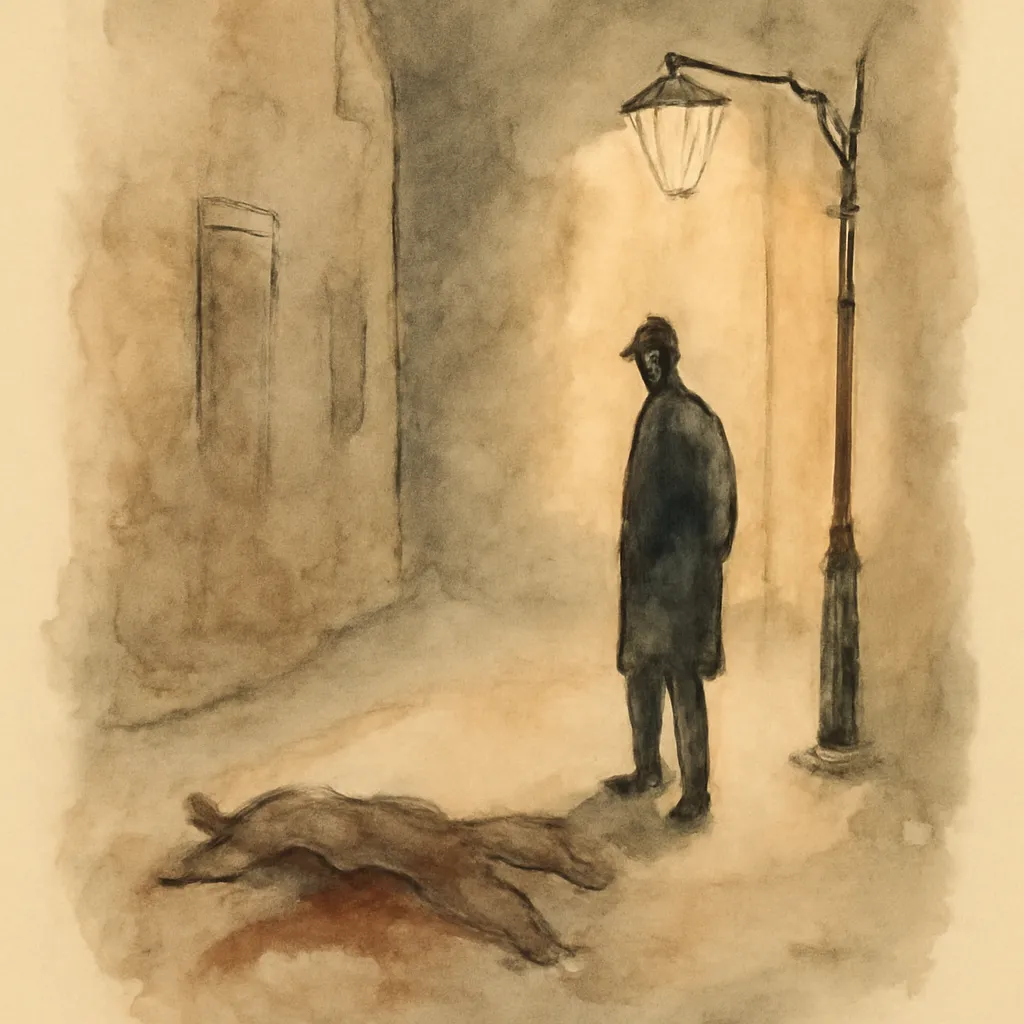
Holmes's remarkable deductive skills are showcased when he examines a crime scene in Lauriston Gardens. His ability to read minute details—such as the tattoo of a marine on a man's hand or the impressions left by a cab—demonstrates a profound understanding of human behavior and physical evidence. This chapter emphasizes the significance of observation, encouraging readers to appreciate the details often overlooked in everyday life. Holmes's assertion that deduction is a skill that can be developed underlines the theme of intellectual rigor and the importance of critical thinking. By dissecting the crime scene, he not only reveals the mechanics of the crime but also showcases a method of reasoning that transcends mere guesswork.
3.The Brixton Mystery
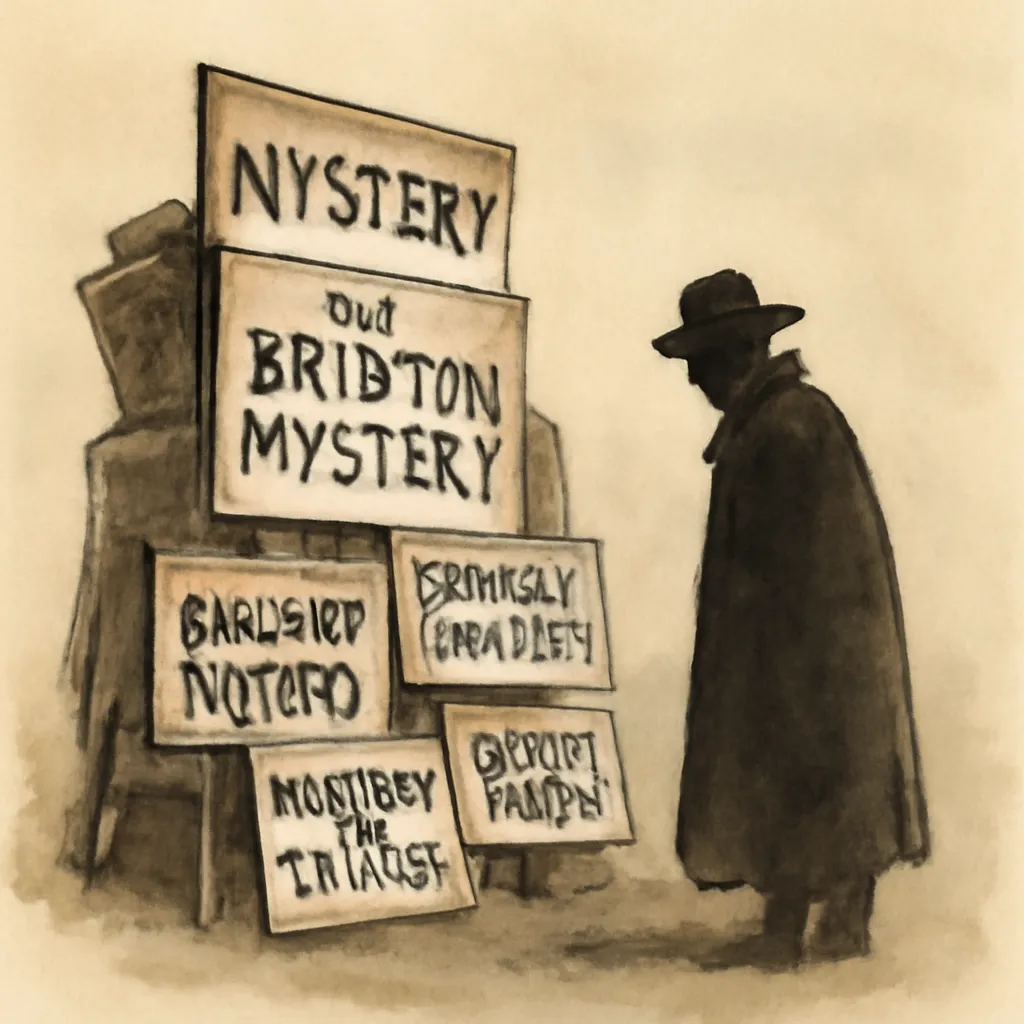
The investigation into the murder of Enoch J. Drebber unfolds as Holmes and Watson delve deeper into the circumstances surrounding the crime. The media frenzy dubbed it the 'Brixton Mystery,' highlighting society's obsession with sensationalism and the public's hunger for justice. Holmes’s calm demeanor amidst the chaos provides a stark contrast to the emotional turmoil faced by the victim's acquaintances. This chapter reveals how public perception can distort the narrative of a crime, often overshadowing the complexities of the individuals involved. It invites readers to consider how the media shapes our understanding of justice, morality, and human behavior.
4.The Complexity of Vengeance
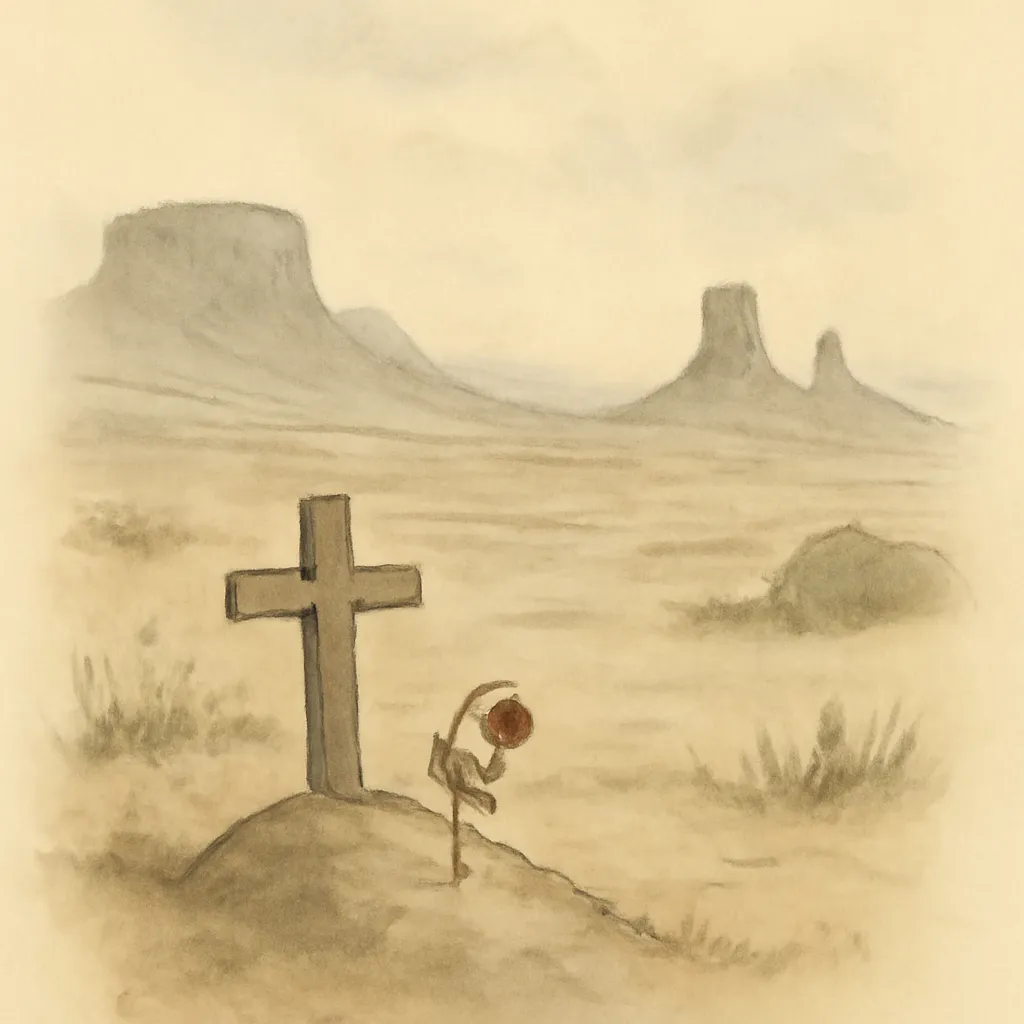
As the story unfolds, the narrative shifts to the American West, where the backstory of Jefferson Hope, the murderer, reveals a tale of lost love and relentless pursuit of vengeance. Hope’s motivations are deeply rooted in his past, showcasing how personal tragedies can lead individuals down a dark path. The contrast between his tragic love story and the cold, calculated nature of the murder adds layers of complexity to the narrative. This exploration of vengeance illustrates the moral ambiguities inherent in human actions, prompting readers to question the ethics of retribution. It challenges the notion of justice, suggesting that the desire for revenge can consume individuals, leading to a cycle of violence and suffering.
5.The Role of Law and Justice
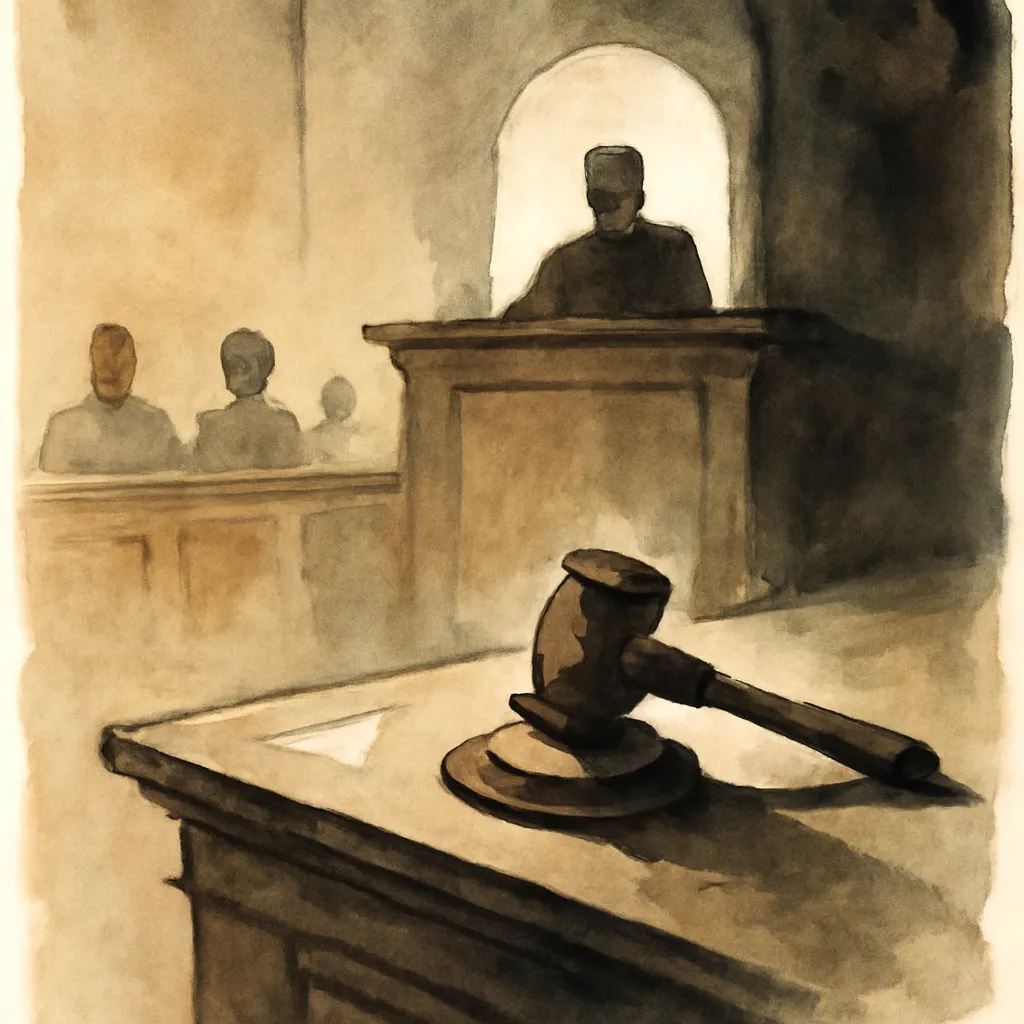
Doyle intricately weaves the themes of law and justice throughout the narrative, particularly in how the legal system responds to crime. Holmes’s methods often operate outside the boundaries of conventional law enforcement, showcasing a tension between moral justice and legal justice. The failure of the police to apprehend the murderer emphasizes the limitations of the legal system, while Holmes’s success underlines the value of intellect over brute force. This duality invites readers to reflect on the efficacy of law enforcement and the moral implications of taking justice into one’s own hands. The story ultimately raises questions about the nature of justice: is it merely a construct of society, or is it something more intrinsic to human morality?
6.Victims and Villains
The narrative expertly blurs the lines between victims and villains, compelling readers to empathize with characters on both sides of the law. Enoch Drebber, though a victim of murder, is portrayed as a morally reprehensible character, eliciting mixed feelings about his fate. Conversely, Jefferson Hope, the murderer, is depicted as a tragic figure driven by love and loss, evoking sympathy despite his heinous actions. This complex portrayal challenges readers to consider the circumstances that shape individuals into what society labels 'good' or 'evil.' It underscores the idea that every character has a story, prompting deeper introspection about human nature and the factors that lead to moral degradation or redemption.
7.The Importance of Friendship
At its core, 'A Study in Scarlet' is also a story of friendship, particularly the bond between Holmes and Watson. Their relationship is characterized by mutual respect and a shared pursuit of knowledge, providing a foundation for their collaborative problem-solving. Watson’s unwavering loyalty and Holmes’s intellect create a dynamic that enhances their investigative prowess. The narrative illustrates how friendship can serve as a catalyst for personal growth, pushing individuals to transcend their limitations. It is through their partnership that both characters evolve, inviting readers to appreciate the significance of companionship in overcoming challenges and achieving success.
8.The Intersection of Science and Intuition
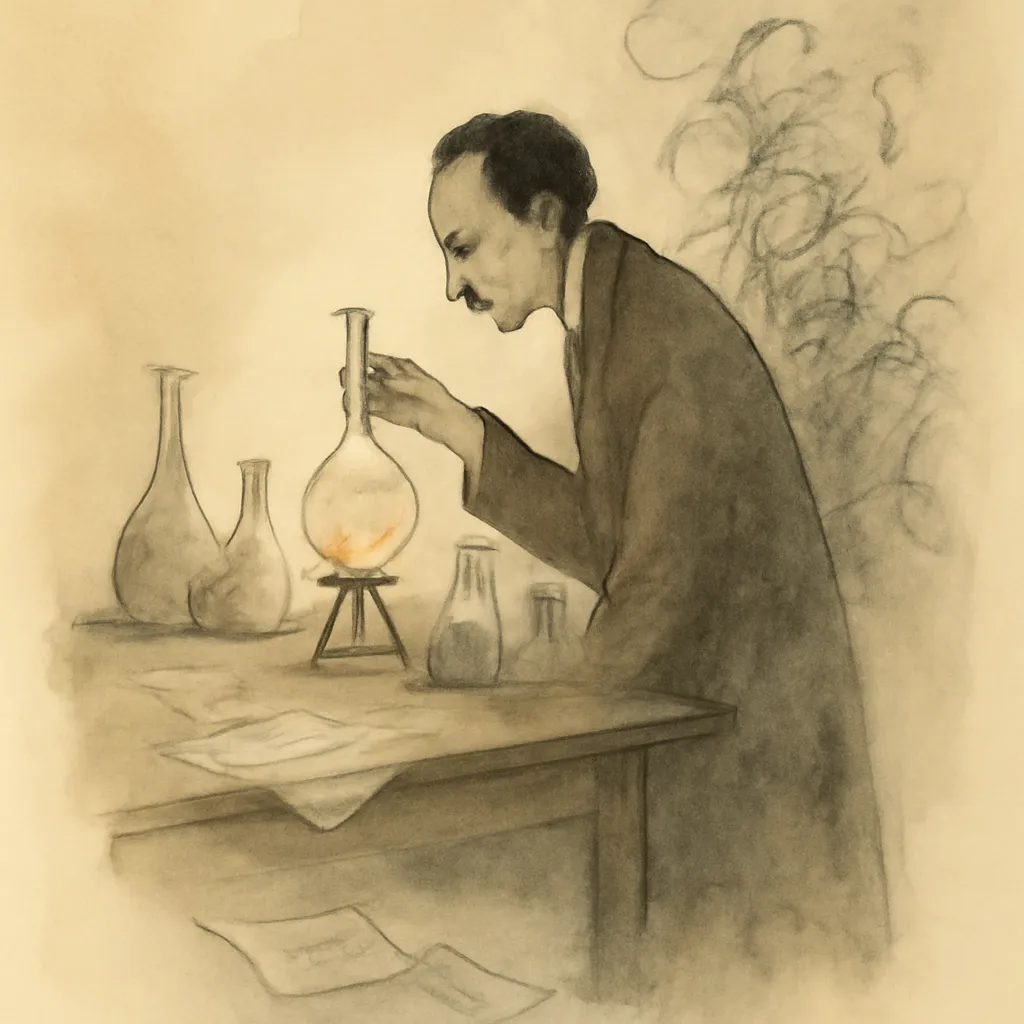
Doyle emphasizes the interplay between scientific reasoning and intuitive insight within Holmes’s investigative approach. Holmes employs scientific methods—such as chemical analysis and forensic examination—while also relying on his gut feelings and intuitive leaps. This duality highlights the necessity of balancing empirical evidence with instinctual understanding in problem-solving. It encourages readers to appreciate the value of both analytical and intuitive thinking, suggesting that true mastery comes from integrating diverse approaches. In a world increasingly dominated by data, this theme resonates, reminding us that human intuition remains a vital component of understanding complex situations.
9.Cultural Commentary on Victorian Society
Doyle’s work serves as a cultural commentary on the complexities of Victorian society, particularly the tensions between progress and tradition. The contrasting settings of London and the American West reflect the broader societal changes occurring during this period. The novel critiques social norms, class distinctions, and the moral dilemmas faced by individuals navigating a rapidly changing world. Through the characters’ experiences, readers gain insight into the societal pressures that shape human behavior, revealing how context influences morality and justice. This commentary invites reflection on the historical and cultural factors that continue to impact contemporary society, encouraging readers to consider the relevance of these themes in modern life.
10.The Final Reckoning
The resolution of the narrative culminates in a confrontation between Holmes, Watson, and Jefferson Hope, leading to a dramatic revelation of the truth behind the murders. Hope's confession sheds light on the deeply personal motivations driving his actions, providing a sense of closure to the intricate web of events. This climax emphasizes the theme of accountability, as Hope faces the consequences of his choices. The final moments of the story evoke a sense of tragedy, as the complexities of human emotion and morality converge in a poignant resolution. It serves as a reminder that while justice may be served, the scars of personal tragedy linger, shaping the lives of those involved and leaving readers to ponder the lasting impact of revenge and redemption.