1.The Power of the Unconscious
Mlodinow demonstrates that much of our mental processing happens below the level of conscious awareness. From interpreting social cues to making snap judgments, our unconscious mind works tirelessly behind the scenes, filtering information and guiding our responses. This challenges the common belief that we are fully rational beings in control of our thoughts and actions.
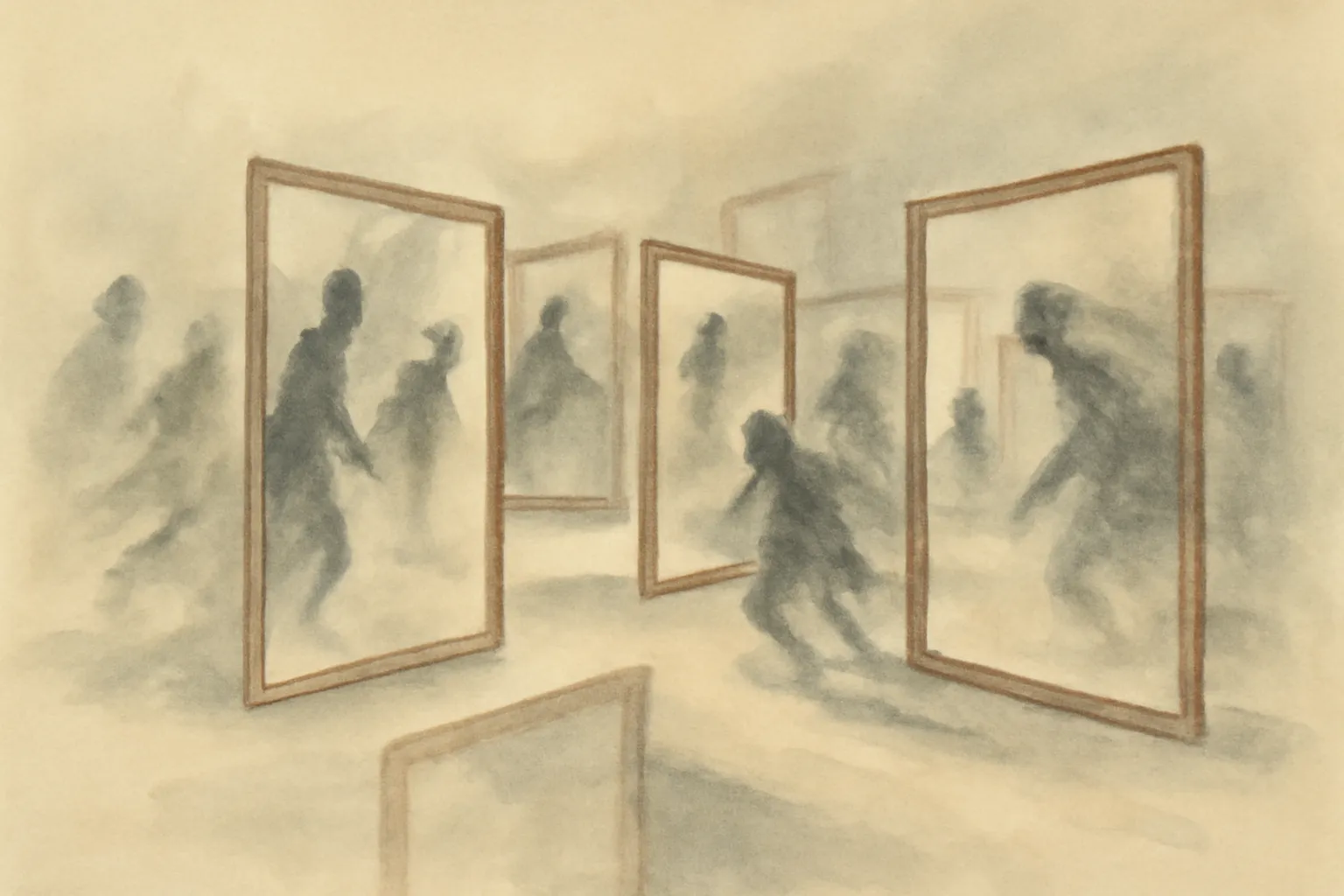
2.Perception is Constructed, Not Recorded
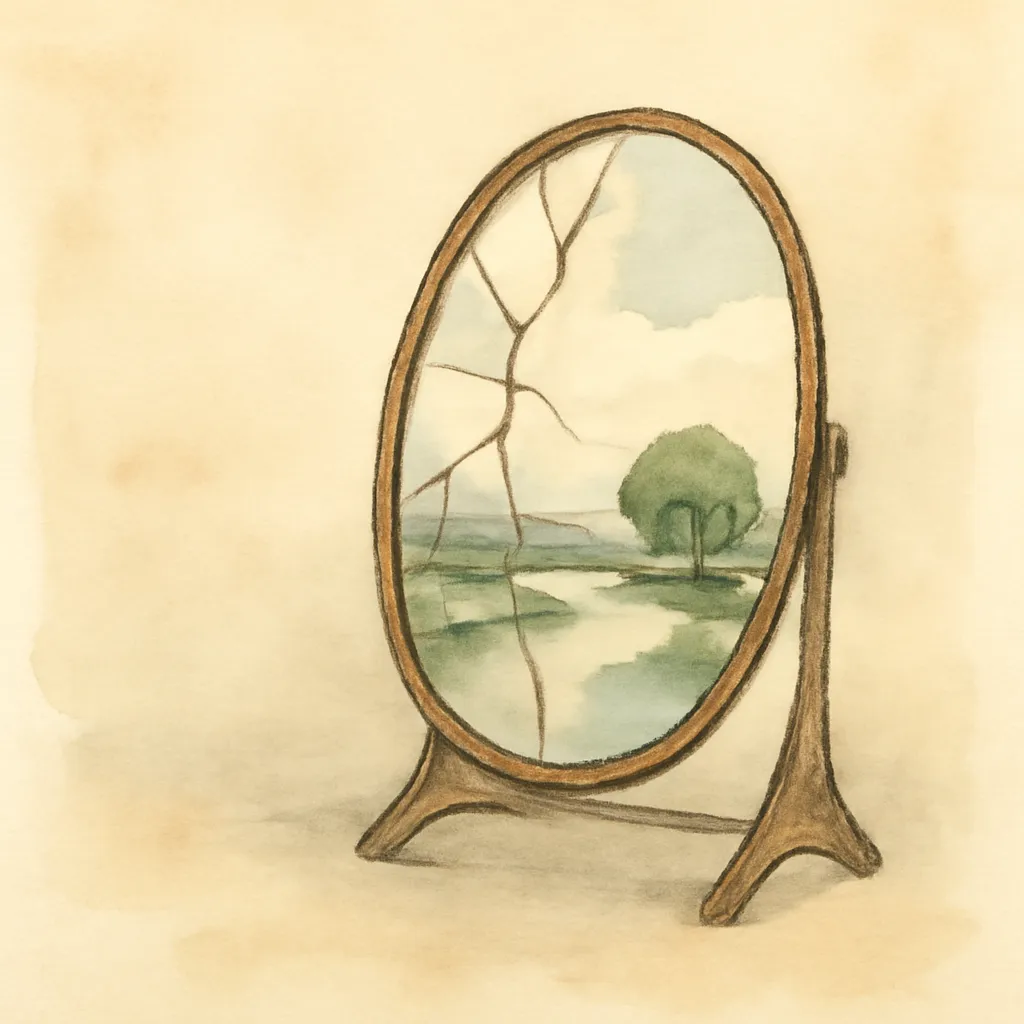
The book explains that our brains don't passively record reality; instead, they actively construct our perceptions using incomplete sensory data and prior experiences. This means that what we 'see' and 'remember' is often a reconstruction, prone to distortion and bias, rather than an objective snapshot of the world.
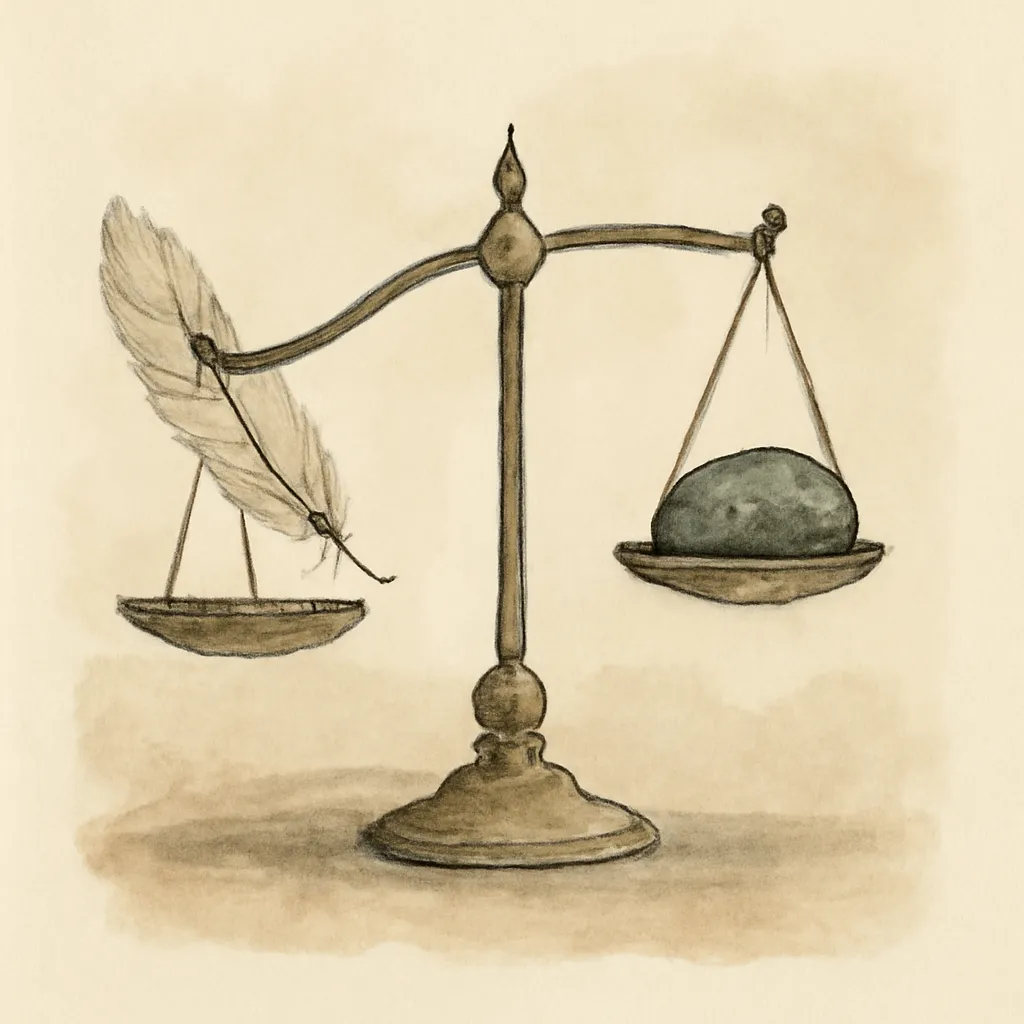
3.Implicit Bias and Social Judgments
Mlodinow delves into how unconscious biases shape our attitudes toward others, often in ways that conflict with our conscious values. He cites psychological studies showing that factors like race, gender, and appearance can influence decisions and judgments, even among people who believe themselves to be unbiased.
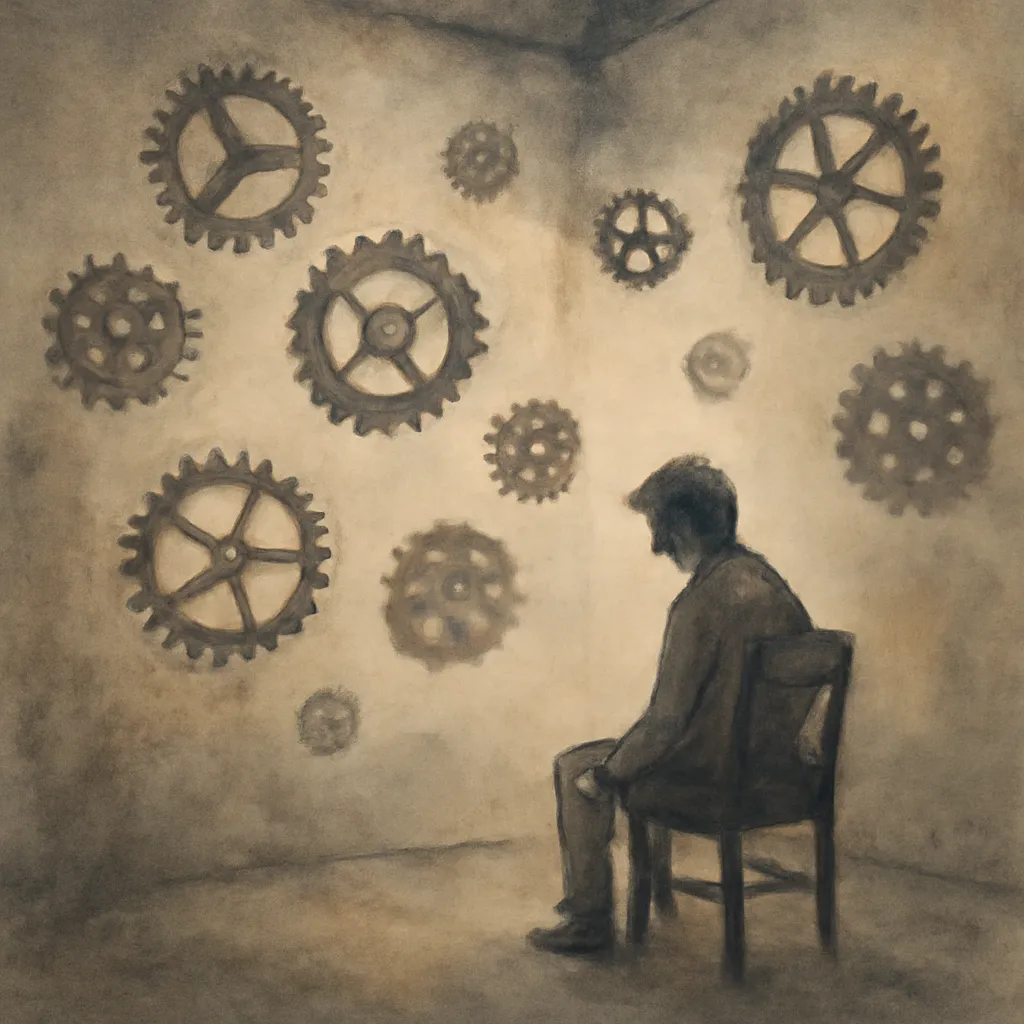
4.The Illusion of Self-Awareness
A recurring theme is that we tend to overestimate our self-awareness. Mlodinow discusses experiments revealing that people are often unaware of the true reasons behind their choices, instead inventing rationalizations after the fact. This 'illusion of introspection' suggests that much of what we think we know about our motives is guesswork.
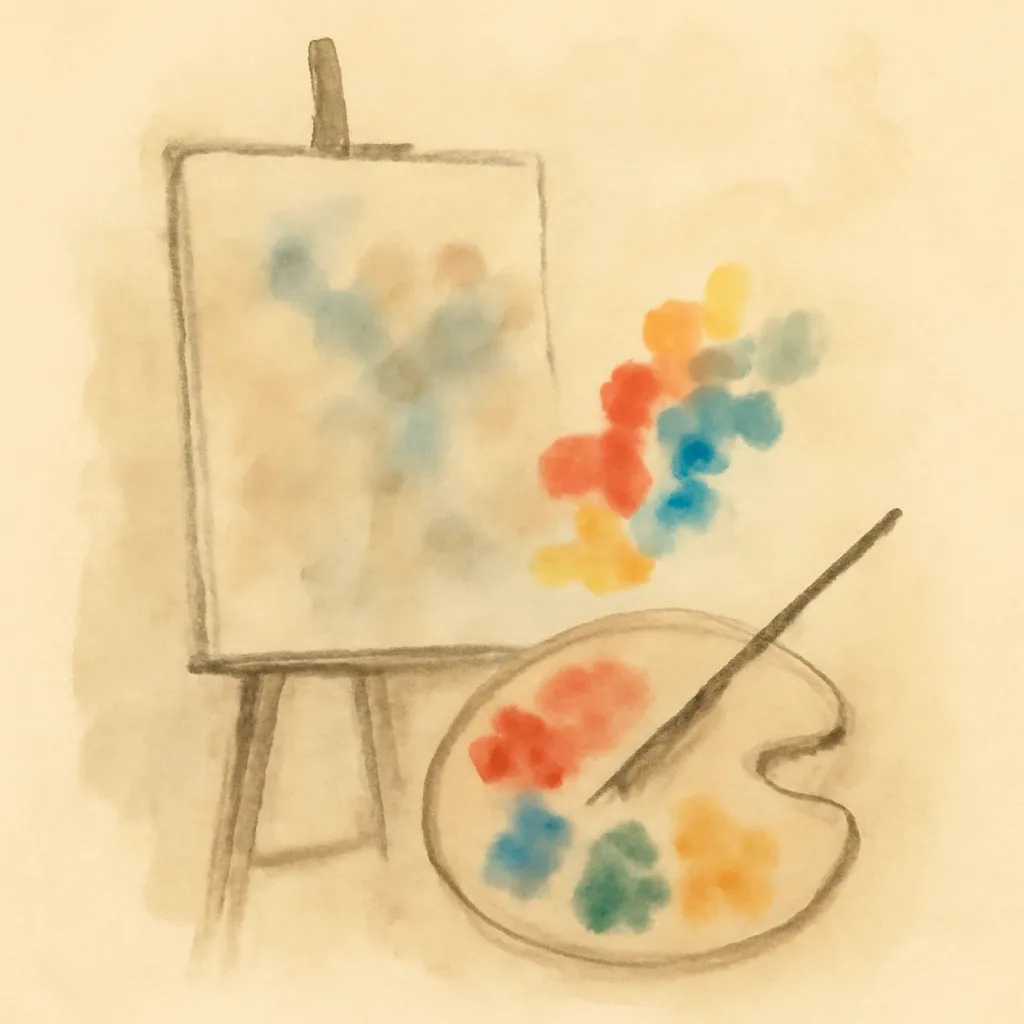
5.The Role of the Unconscious in Creativity and Problem-Solving
While the unconscious can lead us astray, it also plays a vital role in creativity and innovation. Mlodinow highlights research showing that insights and solutions often emerge after a period of unconscious mental processing, such as when ideas 'pop' into our heads during moments of relaxation or distraction.
6.Practical Implications for Everyday Life
Understanding the workings of the unconscious mind can help us make better decisions, improve relationships, and become more aware of our own biases. Mlodinow encourages readers to question their assumptions and to recognize the limits of introspection, fostering greater humility and openness in how we view ourselves and others.