1.The Harmony of Faith and Reason
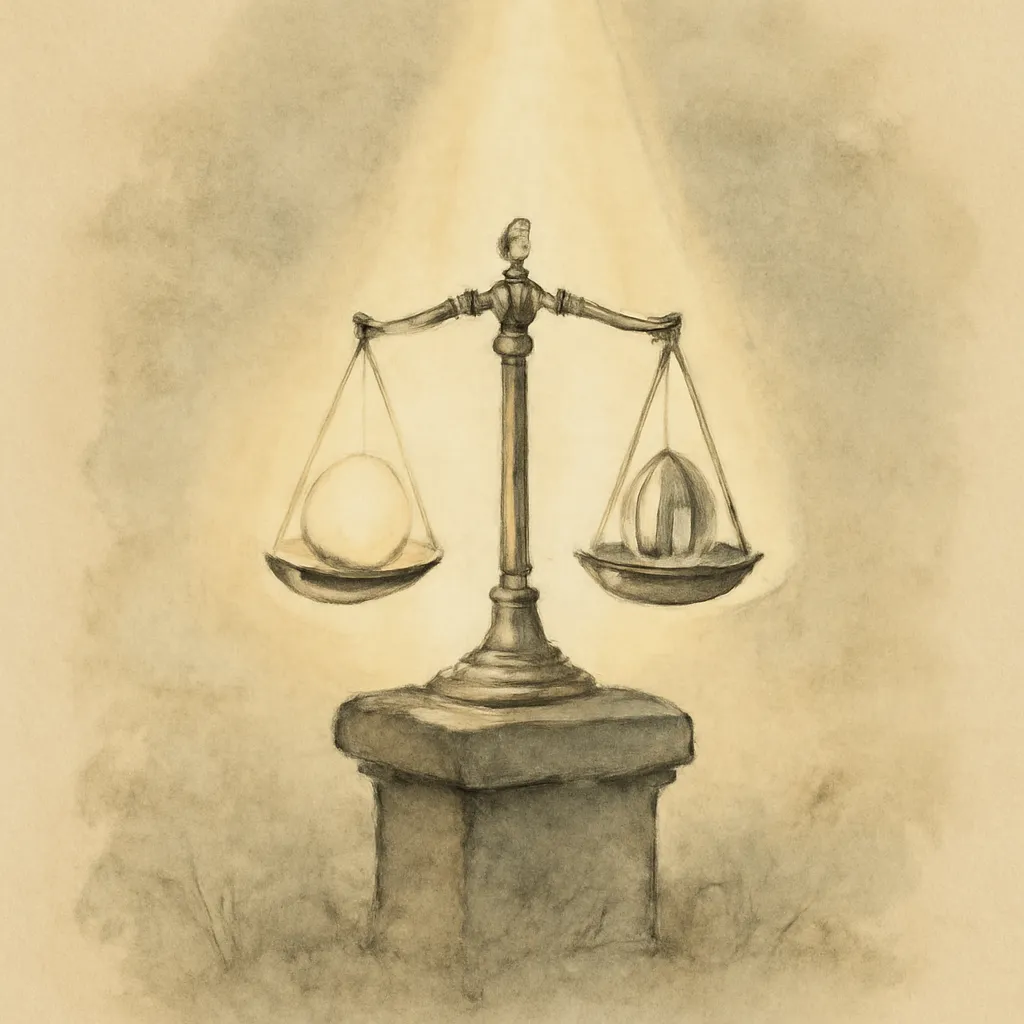
Aquinas argues that faith and reason are not opposed but complementary. He believes that truths revealed by God (faith) and those discovered by human intellect (reason) ultimately align, since both originate from the same divine source. This idea underpins his method: using rational argumentation to clarify and defend theological doctrines, making the case that philosophy and theology can and should inform each other.
2.The Existence and Nature of God
One of the most famous sections presents Aquinas’s ‘Five Ways’—philosophical arguments for the existence of God based on observation of the natural world. He also explores God’s attributes, such as simplicity, omnipotence, and goodness, emphasizing that while we can know God exists and certain things about Him, the divine essence ultimately transcends human understanding.
3.Human Nature and the Soul
Aquinas adopts an Aristotelian view of human beings as a unity of body and soul, with the soul as the form of the body. He explores the faculties of the soul—intellect and will—and how they relate to knowledge, moral choice, and the pursuit of happiness. This anthropology underlies his views on ethics and salvation.
4.Natural Law and Morality
Aquinas develops the concept of natural law: the idea that moral principles are accessible to human reason and rooted in human nature. He argues that by understanding our purpose and nature, we can discern objective moral truths. This framework has had a lasting influence on Western legal and ethical thought.
5.Theological Virtues and the Path to Happiness
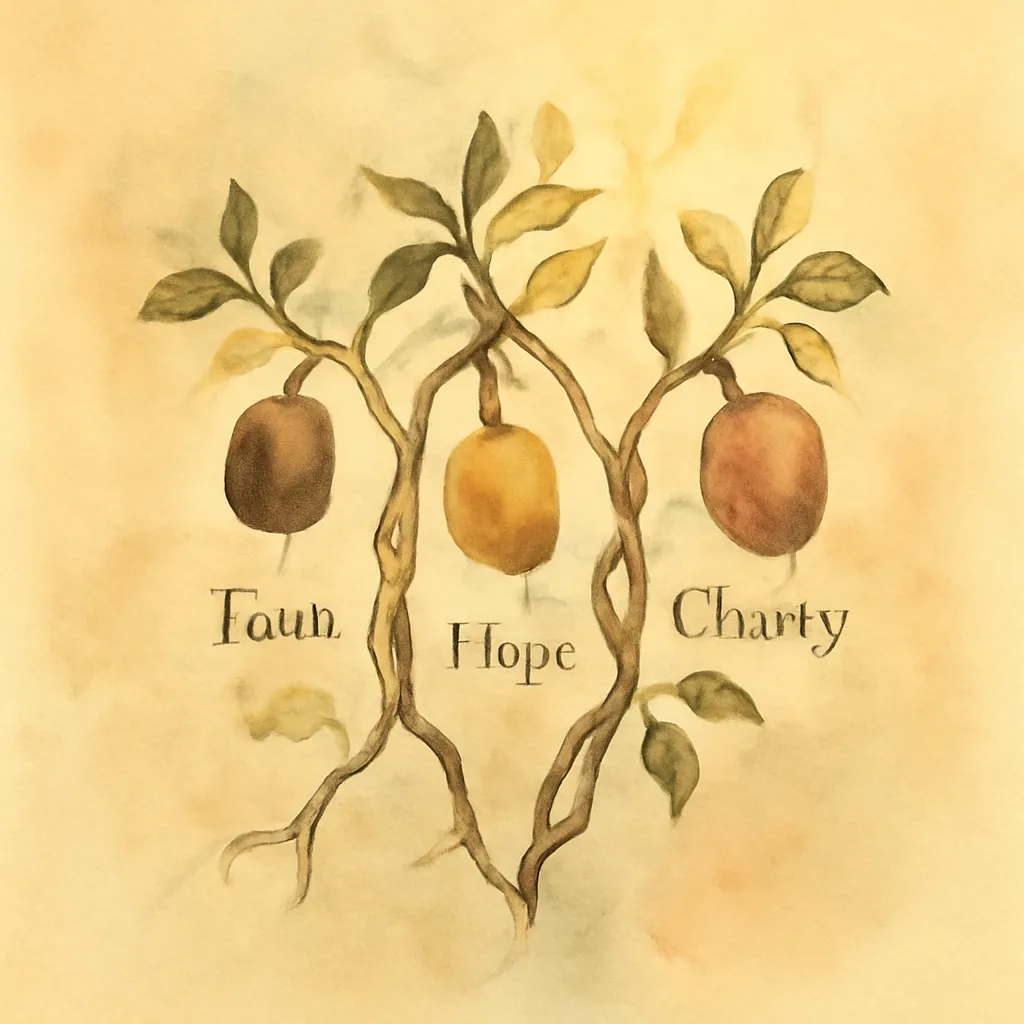
Central to Aquinas’s ethics are the theological virtues—faith, hope, and charity—which orient humans toward God and ultimate happiness. He distinguishes between natural virtues (like courage and prudence) and supernatural virtues, emphasizing that true fulfillment is found in union with God.
6.The Role of Law in Human Life
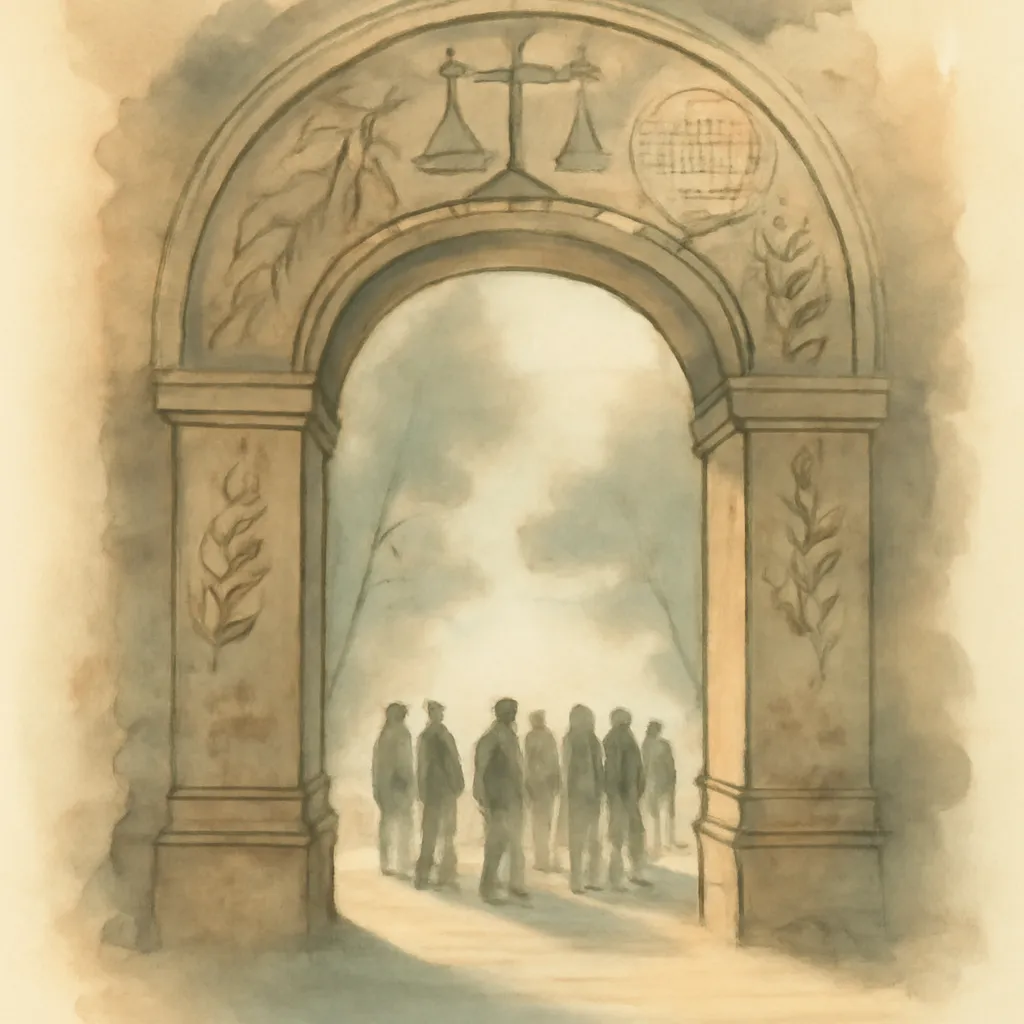
Aquinas analyzes different kinds of law: eternal, natural, human, and divine. He sees law as an ordinance of reason for the common good, and argues that just human laws should reflect the higher natural and divine laws. This hierarchy of law shapes his views on justice, governance, and the limits of human authority.