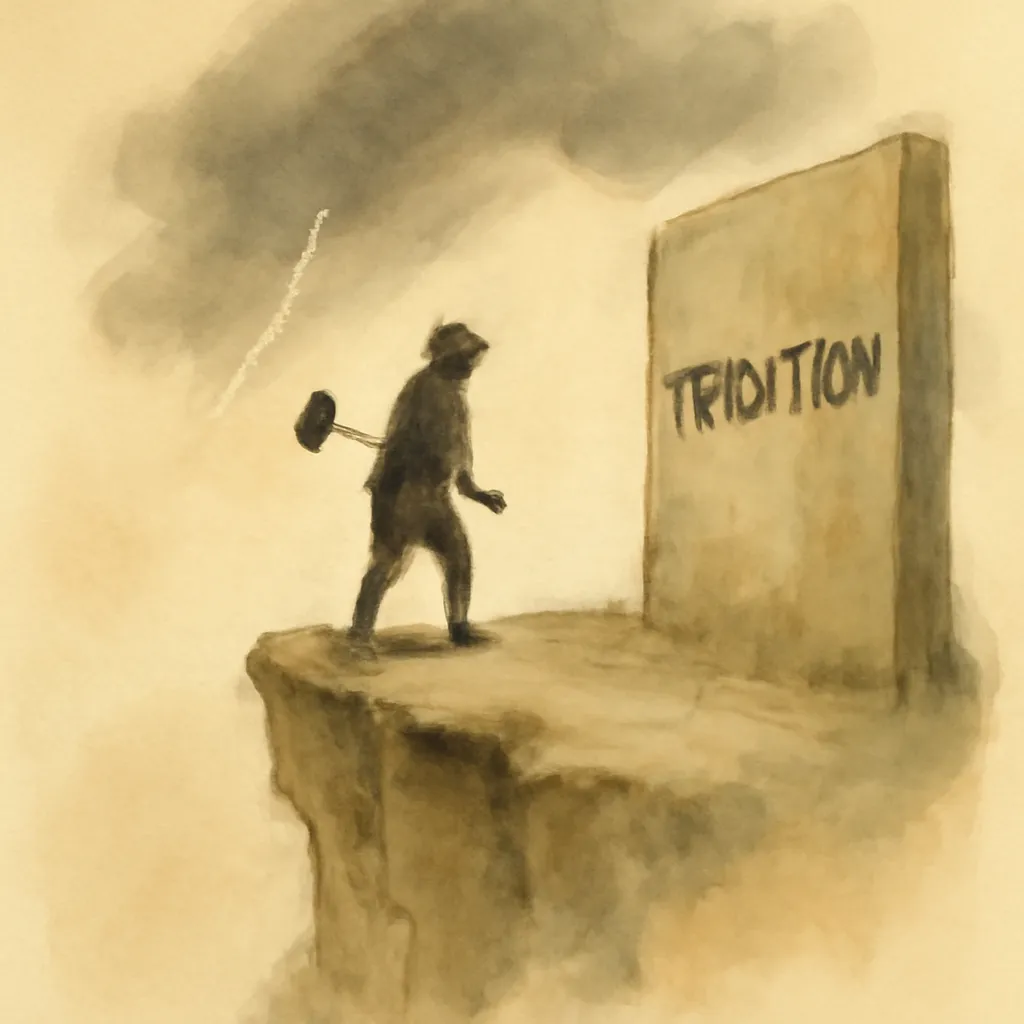
1.The Cult of Disruption
Uber’s story is emblematic of Silicon Valley’s obsession with 'disruption'—the belief that breaking rules and upending industries is inherently virtuous. Isaac shows how Uber’s leadership, especially CEO Travis Kalanick, weaponized this ethos to justify aggressive tactics, from skirting regulations to undermining competitors. The book asks readers to consider the costs of disruption when it’s pursued at all costs, and whether the ends truly justify the means.
2.Leadership and Toxic Culture
At the heart of Uber’s rise and turmoil is Travis Kalanick, whose relentless ambition fueled both the company’s explosive growth and its internal dysfunction. Isaac details a culture of hyper-competitiveness, where loyalty to the mission often meant tolerating or even encouraging bad behavior. The book explores how leadership style shapes organizational values, and how unchecked power can foster a toxic environment that ultimately threatens a company’s survival.
3.Growth at Any Cost
Uber’s mantra was to grow fast and dominate markets, often ignoring legal, ethical, and social boundaries. Isaac chronicles how Uber used tactics like 'Greyball' to evade regulators, subsidized rides to crush rivals, and pushed drivers to the brink. This relentless focus on expansion raises questions about the sustainability of such models, and whether society should accept collateral damage in the name of innovation.
4.The Power Struggle and Boardroom Drama
Super Pumped is as much a business thriller as a corporate history, detailing the intense boardroom battles that led to Kalanick’s ouster. Isaac reveals how investors, executives, and Kalanick himself navigated shifting alliances, betrayals, and crises. The book illustrates how governance failures and unchecked founder power can destabilize even the most successful startups.
5.Tech’s Impact on Society
Beyond Uber’s internal drama, Isaac examines how the company’s actions reverberated across cities, labor markets, and the global economy. The book prompts readers to consider the broader implications of gig work, the erosion of traditional labor protections, and the responsibilities tech companies have to the societies they transform.
6.Media, Mythmaking, and Accountability
Isaac also interrogates the role of media and storytelling in shaping Uber’s public image. The company’s narrative—of scrappy underdogs fighting entrenched interests—helped it attract capital and talent, even as reality diverged from the myth. The book highlights the importance of investigative journalism in holding powerful companies accountable.