1.The Power of Relentless Curiosity
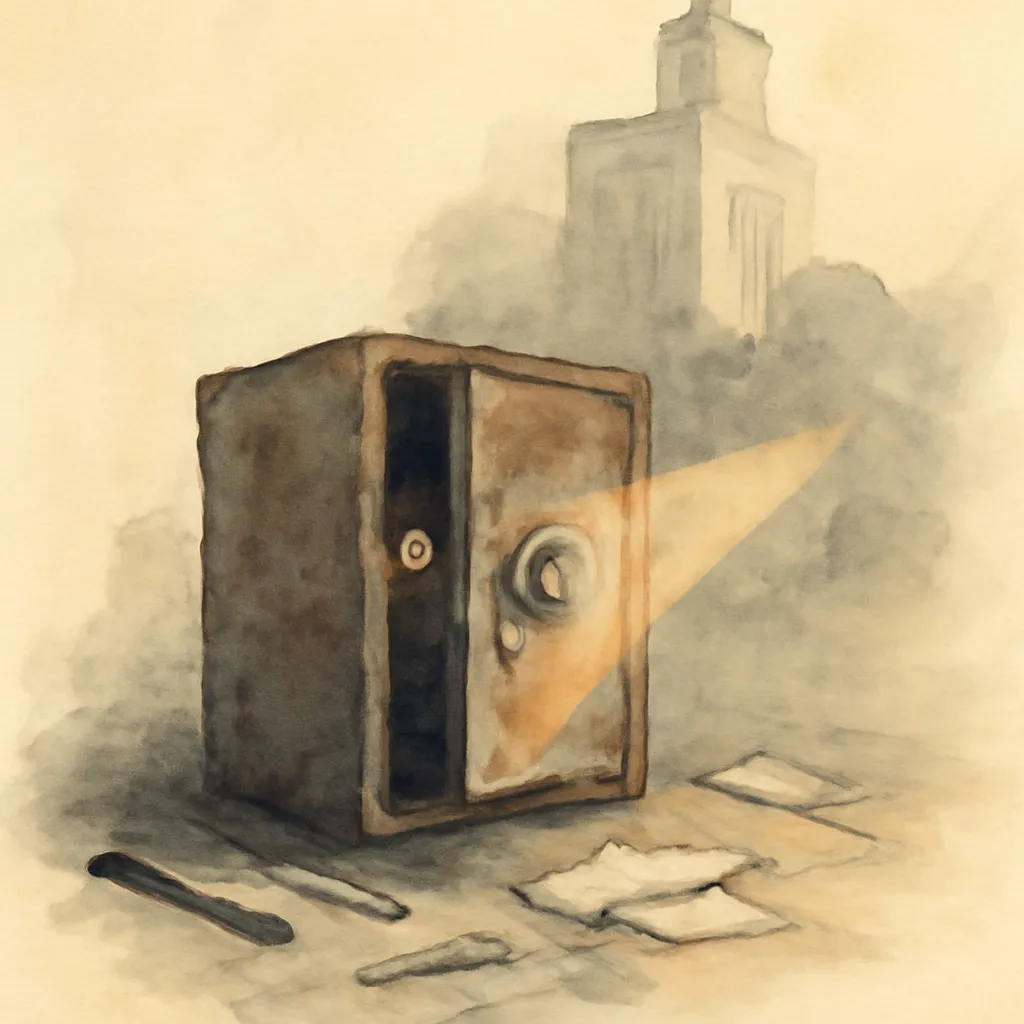
Feynman's stories are a testament to the value of never stopping asking questions. Whether he's cracking safes at Los Alamos or dabbling in biology, Feynman approaches every challenge with a childlike wonder and a refusal to accept things at face value. This mindset not only leads him to scientific breakthroughs but also to a richer, more adventurous life. The book suggests that curiosity is not just for scientists—it's a way of engaging with the world that anyone can cultivate.
2.Skepticism and Independent Thinking
A recurring theme is Feynman's skepticism toward authority, convention, and even his own field. He recounts moments when he challenged groupthink, questioned established procedures, and refused to take things on faith—whether in academia or everyday life. For Feynman, real understanding comes only from personal investigation and critical thinking, not from deference to experts or tradition.
3.The Joy of Play and Experimentation
Feynman’s approach to life is deeply playful. He dives into bongo drumming, safe-cracking, and even art, treating each as an experiment. This playful attitude is not frivolous; it’s a method for learning and discovery. The book argues that play is essential to creativity, and that treating life as an experiment can lead to unexpected insights and joy.
4.The Limits of Formal Education
Feynman is critical of rote learning and empty ritual in education. Through stories of his own schooling and teaching, he exposes how genuine understanding is often sacrificed for appearances or bureaucracy. He advocates for learning by doing, by questioning, and by truly grappling with concepts, rather than memorizing facts for exams or prestige.
5.Integrity in Science and Life
Throughout the book, Feynman emphasizes the importance of intellectual honesty. He describes the responsibility of scientists to report results accurately, including uncertainties and doubts. This integrity, he argues, is essential not just in science but in all areas of life, as it builds trust and advances real knowledge.
6.Embracing Unconventional Paths
Feynman’s life is a celebration of nonconformity. He often chooses the road less traveled, whether it’s learning to paint, working in a strip club, or refusing to participate in academic politics. The book encourages readers to resist social pressure and pursue their genuine interests, even when they seem odd or impractical.