1.The Joyce-Armstrong Fragment: A Gruesome Reality
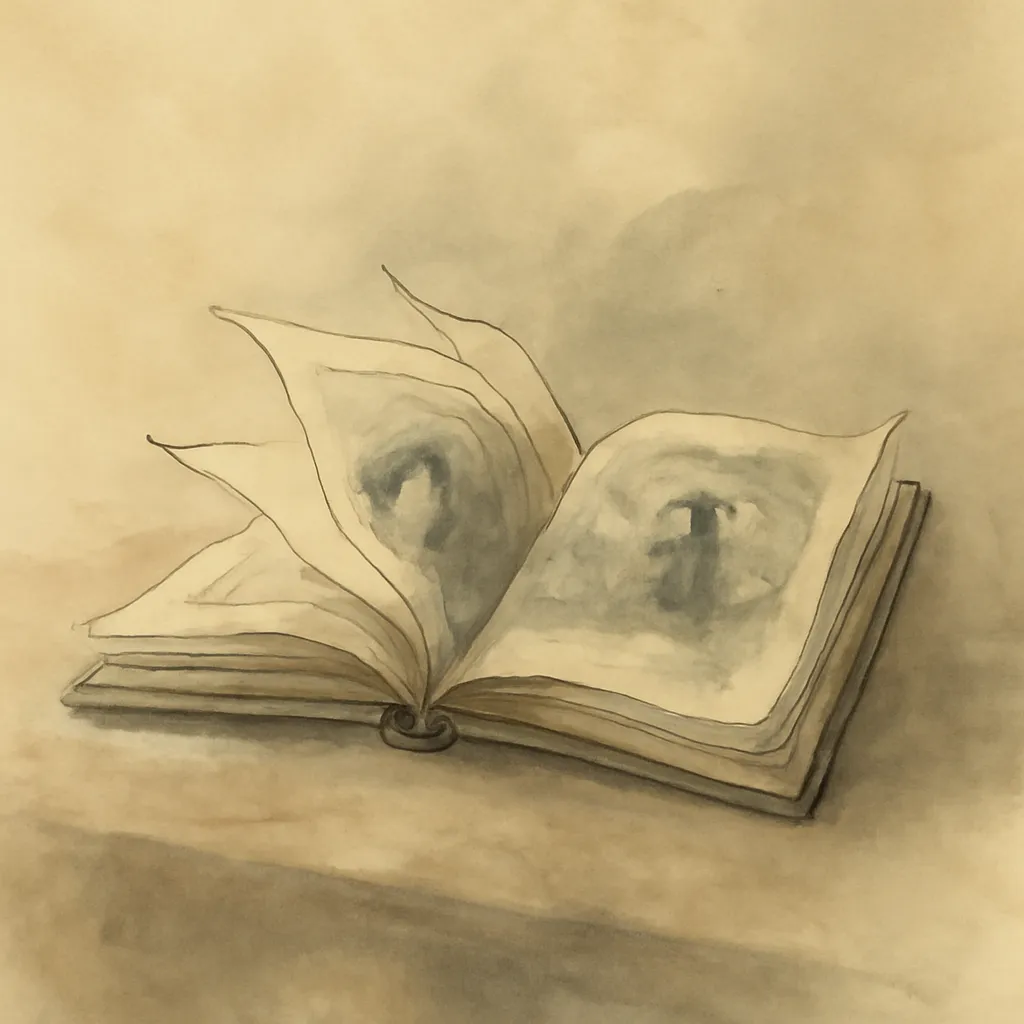
The Joyce-Armstrong Fragment serves as a harrowing introduction to the collection, highlighting the unsettling nature of reality that can often be more terrifying than fiction. The fragment, discovered in Lower Haycock, recounts the tragic fates of Lieutenant Myrtle and Mr. Hay Connor, who met their ends under mysterious and horrifying circumstances. The story emphasizes how the extraordinary can emerge from the mundane, forcing readers to confront the unsettling idea that danger lurks just beyond the veil of everyday life. The detailed account of the discovery process—starting from a simple pipe to the chilling revelations contained in the notebook—illustrates how curiosity can lead to uncovering dark truths. Moreover, Doyle's choice to leave parts of the manuscript missing creates an air of mystery, compelling readers to fill in the gaps with their imaginations, reflecting the human tendency to fear the unknown.
2.High Altitude Perils: The Limits of Human Endeavor
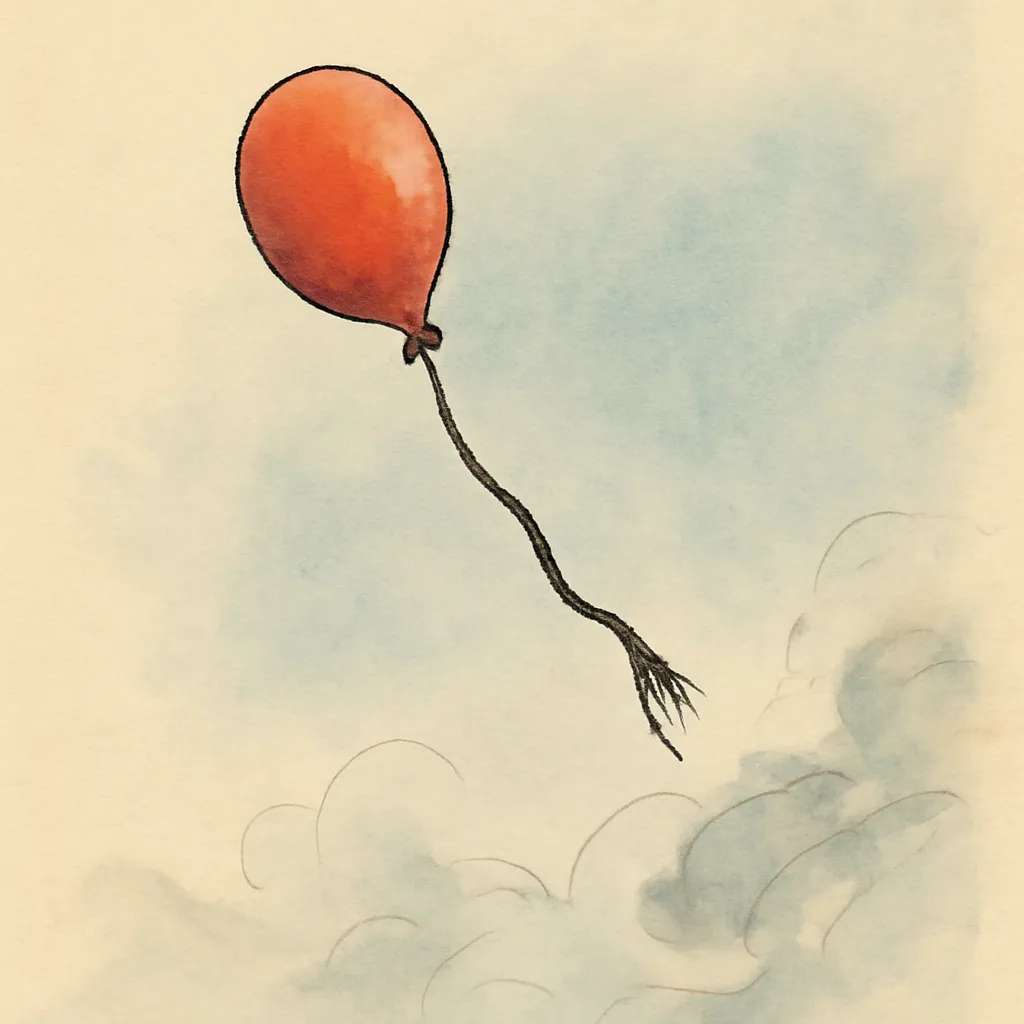
In the tale of balloon ascents, Doyle explores the limits of human capacity against nature's vastness. The protagonist's journey to thirty thousand feet showcases the physical and psychological strains experienced at such heights, where the air becomes thin and the body struggles for breath. This narrative serves as a metaphor for humanity's relentless quest for knowledge and adventure, revealing that with great ambition comes great peril. The tension builds as the protagonist encounters unforeseen dangers, such as meteor stones, which symbolize the unpredictable nature of exploration. Doyle’s vivid descriptions of the cold and the mechanical failures of the balloon evoke a palpable sense of dread, illustrating that even the most well-laid plans can unravel in the face of nature’s indifference. This story ultimately questions the wisdom of pushing boundaries and the costs associated with human ambition.
3.The Psychological Underpinnings of Dreams
Doyle introduces the intriguing concept of dream psychology through the dialogue between characters Dacre and the narrator. The exploration of dreams as a psychological phenomenon reveals the complexities of the human mind and its latent fears. Dacre’s assertion that the study of dreams could evolve into a legitimate science underscores the potential for understanding the subconscious. This idea resonates throughout the collection, where characters often grapple with their inner demons and the manifestations of their fears. The black brass-rimmed funnel, which sparks curiosity and unease, symbolizes how objects can carry psychological weight, drawing connections between physical artifacts and the intangible aspects of human experience. Doyle’s ability to weave these psychological insights into his narratives elevates the tales beyond mere horror, inviting readers to ponder the deeper meanings behind their fears.
4.The Horrors of Historical Intrigue
In the tale of the medieval funnel, Doyle delves into the dark recesses of history, revealing how past atrocities echo into the present. The story hints at a sinister connection between the funnel and the torture of a marchioness, illustrating how the scars of history can haunt the living. This narrative intertwines themes of power, cruelty, and the human capacity for violence, prompting readers to reflect on the legacies of historical injustices. Dacre’s knowledge of dreams and their psychological implications further enriches the story, as it suggests that the past continues to influence the present through memory and trauma. The funnel, with its engraved initials, serves as a grim reminder of the atrocities committed in the name of power, compelling readers to confront the uncomfortable truths of history. Through this tale, Doyle emphasizes the importance of acknowledging the past to understand the present.
5.The New Catacomb: A Journey into the Unknown
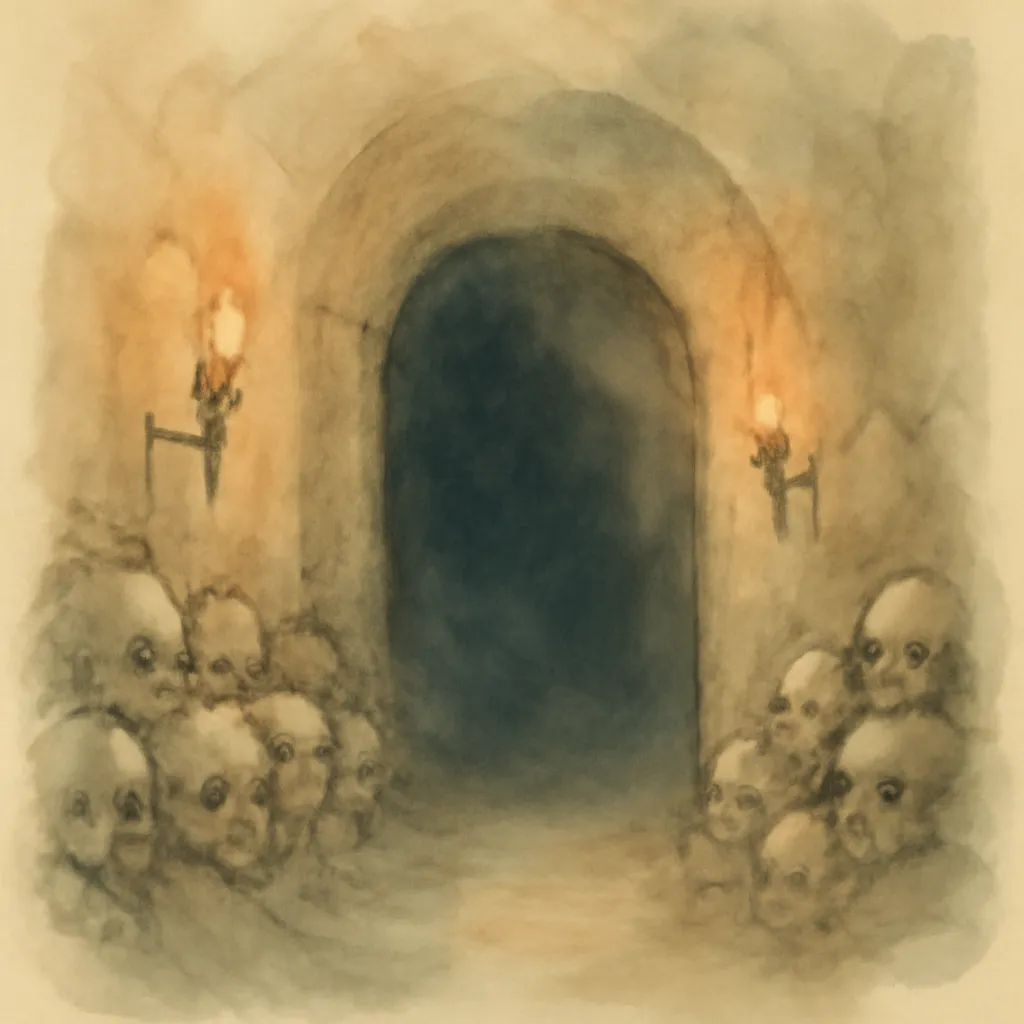
In 'The New Catacomb,' the protagonists, Kennedy and Burger, embark on a journey that reflects humanity's perpetual quest for knowledge amid the unknown. Their exploration of the catacombs reveals not only historical remnants but also the psychological terrors that lie beneath the surface. The setting—a dark, ancient burial site—evokes a sense of dread, illustrating how the past can loom large over the present. Doyle expertly builds suspense as the characters navigate the labyrinthine tunnels, each step echoing the fears of what they might uncover. The juxtaposition of their scholarly pursuits with the eerie atmosphere highlights the tension between reason and superstition, compelling readers to consider the limits of human understanding. As the characters confront their fears, Doyle invites readers to ponder the nature of discovery and the shadows that accompany it.
6.The Dangers of Obsession and Jealousy
Doyle's exploration of personal relationships in the story of Marshall and Lady Sannox reveals how obsession and jealousy can lead to destructive consequences. The tension between Marshall and Lady Sannox is palpable, showcasing how emotional turmoil can manifest in irrational behavior. The story illustrates how jealousy can warp perceptions, leading individuals to act against their better judgment. The character of Lord King, who attempts to mediate, represents the struggle to maintain peace amid emotional chaos. Through this narrative, Doyle reflects on the dark side of human relationships, emphasizing that unchecked emotions can lead to tragic outcomes. The story serves as a cautionary tale about the dangers of allowing jealousy to cloud judgment, reminding readers of the fragility of trust and the complexities of human emotions.
7.A Race Against Time: The Urgency of Action
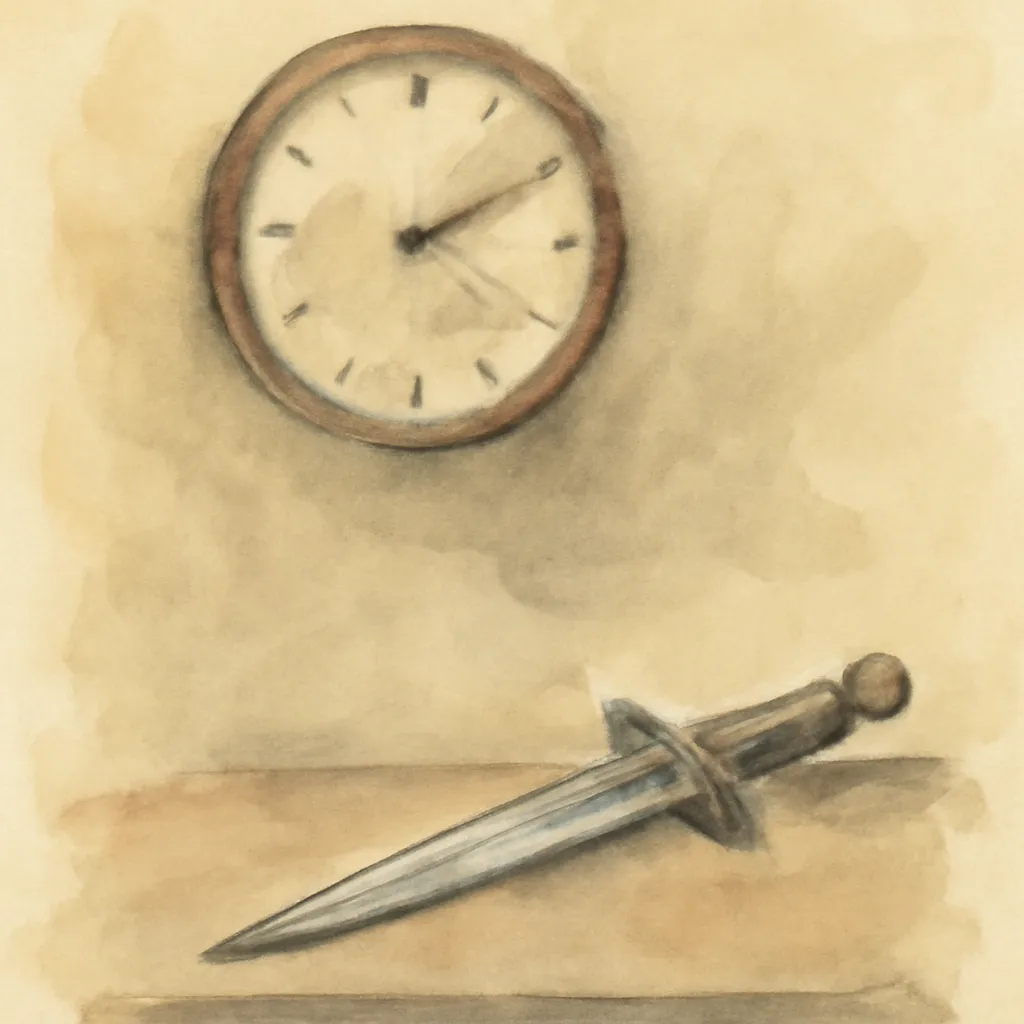
In the tale of the poisoned dagger, Doyle captures the urgency of medical intervention in life-and-death situations. Dr. Douglas Stone is thrust into a moral and ethical dilemma when confronted with a poisoned wound that requires immediate action. The narrative emphasizes the gravity of decision-making in critical moments, where hesitation can lead to dire consequences. Stone's internal conflict reflects the broader themes of duty and sacrifice inherent in the medical profession. Doyle's vivid descriptions of the symptoms and the ticking clock heighten the tension, forcing readers to experience the urgency of the situation alongside the characters. This story serves as a powerful reminder of the stakes involved in life-saving decisions and the moral complexities faced by those in positions of care.
8.The Nature of Fear: Confronting the Unknown
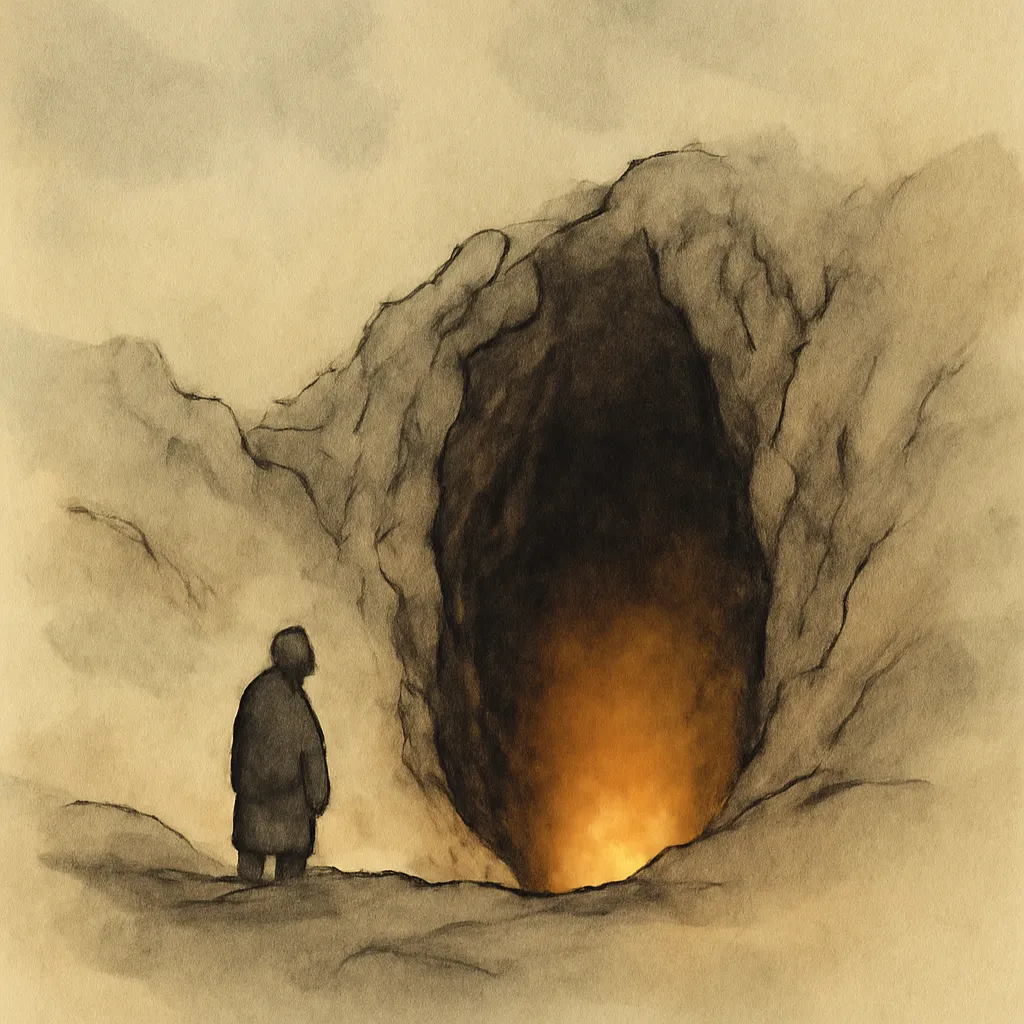
Doyle delves into the primal nature of fear through the protagonist's harrowing experience in the Blue John Gap. As the character prepares for a confrontation with an unseen terror, the narrative explores how fear can paralyze and motivate individuals simultaneously. The protagonist's vigil in the darkness, armed with only a rifle, embodies the struggle between courage and trepidation. Doyle’s careful pacing and atmospheric descriptions create a palpable sense of dread, inviting readers to experience the protagonist's anxiety. The tension builds as sounds echo in the darkness, heightening the sense of impending danger. This tale serves as an exploration of how fear can reveal deeper truths about human resilience and the instinctual drive to confront the unknown, even when the outcome is uncertain.
9.The Trappings of Wealth and Power
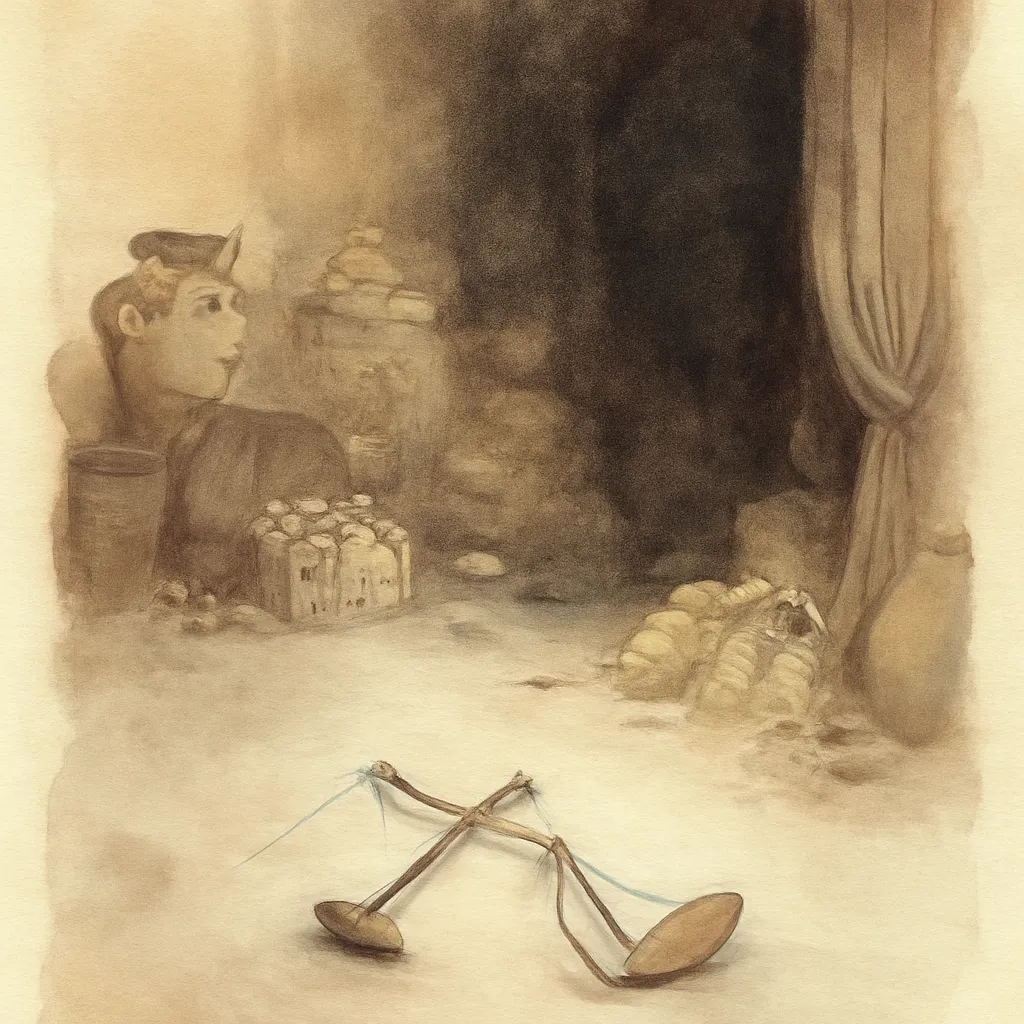
In the story of Monsieur Caratal, Doyle examines the intersection of wealth, power, and moral ambiguity. Caratal's urgent need to reach Paris underscores the lengths to which individuals will go to protect their interests, often at the expense of others. The narrative reveals how wealth can corrupt and manipulate, leading to conspiracies that threaten to upend lives. Doyle's portrayal of the syndicate working against Caratal reflects the darker aspects of ambition, where personal gain takes precedence over ethical considerations. This tale serves as a commentary on the moral complexities inherent in the pursuit of power, revealing how ambition can lead to dehumanization. Through the lens of Caratal's predicament, Doyle prompts readers to consider the ethical implications of their own pursuits and the potential consequences of unchecked ambition.
10.The Illusion of Control: Fate and Free Will
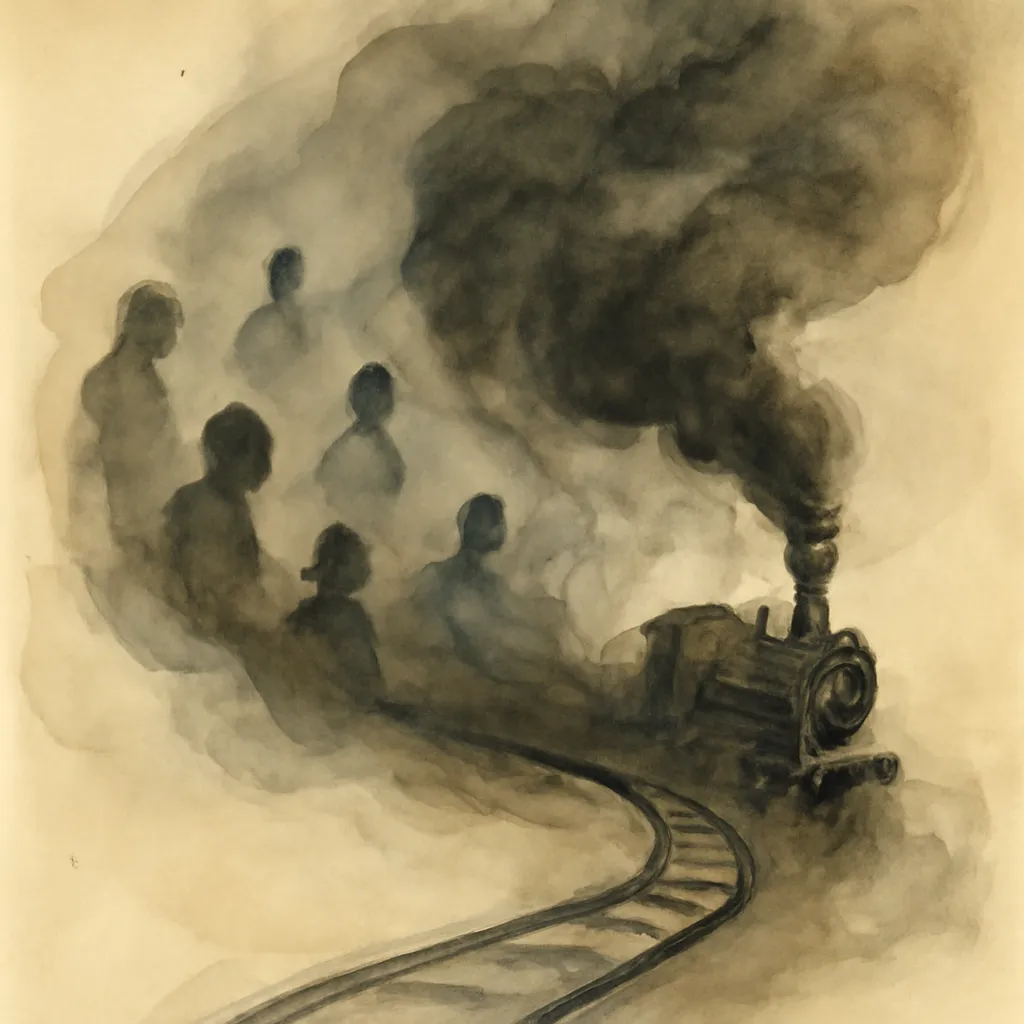
The narrative of the express train tragedy highlights the tension between fate and free will as characters grapple with the consequences of their actions. The mysterious disappearance of passengers amid the chaos of the train journey serves as a metaphor for the unpredictability of life. Doyle’s intricate plotting and attention to detail create a sense of inevitability, where characters realize that their fates may be beyond their control. The investigation into the crime reveals how external forces can shape outcomes, prompting readers to ponder the extent to which individuals can influence their destinies. This story ultimately raises profound questions about the nature of control and the role of chance in human lives, inviting reflection on the delicate balance between agency and fate.