1.The Assassination That Sparks Chaos
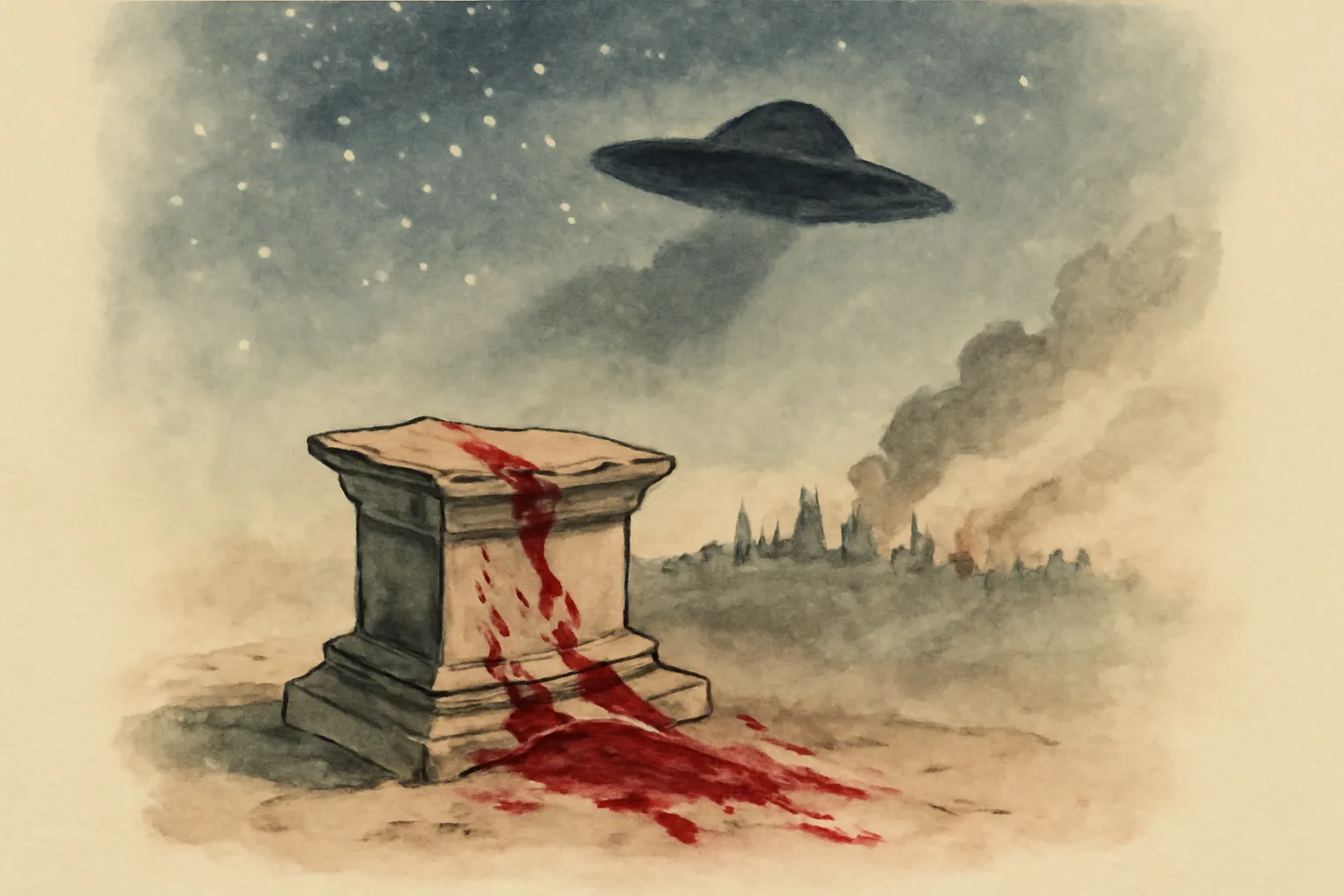
The story ignites with the shocking assassination of the President of the Anglo-Saxon Republic during a public address, an event witnessed by Jac Hallen. This moment serves as a catalyst for the unfolding chaos, as Hallen’s instinct leads him to suspect a mysterious 'Venus man' in the crowd. The murder is not just a singular act of violence; it symbolizes the rising tensions between Earth and Venus, foreshadowing a larger conflict that will engulf multiple worlds. The immediate aftermath reveals the fragility of political stability and sets the stage for a series of interconnected murders and betrayals, illustrating how a single event can destabilize an entire civilization. Hallen's perspective on the assassination reflects the confusion and horror of the crowd, showing how the sight of the President's body falling, stained with blood, triggers a collective panic, demonstrating the thin veneer of societal order when faced with violence.
2.A Message in the Night
After the President's assassination, Hallen receives a cryptic message from Dr. Brende, urging him to come to North-east Island. The use of coded communication highlights the need for secrecy and the urgency of the situation. Hallen’s decision to heed this call illustrates the theme of duty and the personal stakes involved in the political machinations at play. As he navigates through the crowded city, the tension is palpable, reflecting the larger chaos that has erupted following the assassination. This moment underscores the importance of information in times of crisis and foreshadows the alliances that will form as Hallen seeks to uncover the truth behind the murders. The atmosphere is thick with uncertainty, and Hallen's determination to respond to the message signifies his commitment to finding out more about the conspiracies at play, showcasing how the urgency of the political landscape compels individuals to act.
3.Paranoia and Trust
Hallen's suspicion of Ahla, a Venusian girl in Dr. Brende’s household, introduces a layer of paranoia that permeates the narrative. His instinctual distrust is justified as he connects the dots between the assassinations and a broader conspiracy involving Venusian agents. Ahla's actions raise questions about loyalty and betrayal among allies, prompting Hallen to scrutinize everyone around him. This theme of paranoia is further explored through the interactions between Hallen and his companions, revealing the difficulty of discerning friend from foe. The insulated room where they meet symbolizes the isolation and danger they face, as well as the fragility of their trust in each other. The tension between trust and betrayal is a recurring motif, illustrating the complexities of human relationships in a time of crisis. As Hallen grapples with his suspicions, the narrative emphasizes the inner turmoil that comes with the need to protect oneself while trying to rely on others.
4.The Complexity of War
As tensions escalate between Earth and Venus, the narrative explores the complexities of war and diplomacy. The characters grapple with the notion that conflicts can be resolved through dialogue and negotiation rather than violence. The President's initial call for sober thought in the face of controversy contrasts sharply with the chaotic events that unfold, highlighting the difficulty of maintaining peace in a volatile environment. Cummings critiques the sensationalism of the media, which fuels public fear and hysteria, complicating efforts to resolve disputes peacefully. The public's reaction to the President's assassination is indicative of how easily public opinion can be swayed, showcasing the powerful influence of media narratives in shaping perceptions of conflict. This commentary on the role of public opinion in politics adds depth to the narrative, reflecting real-world challenges in diplomatic relations and illustrating the fragility of peace amidst rising tensions.
5.Power Dynamics and Manipulation
Tarrano emerges as a central figure representing the darker aspects of ambition and power. His manipulation of events and people illustrates the lengths to which individuals will go to achieve their goals. Tarrano's interactions with Hallen, Elza, and Georg reveal his cunning nature, as he seeks to control not just the narrative but the very fates of those around him. The portrayal of Tarrano as a master manipulator serves as a commentary on the nature of leadership and the ethical implications of power. His character embodies the seductive allure of control, raising questions about morality in the pursuit of dominance over others. Cummings paints Tarrano as both a visionary and a tyrant, showcasing how ambition can lead to both great achievements and catastrophic consequences. The tension between his idealism and his ruthless tactics provides a rich exploration of the duality of power.
6.The Role of Love and Loyalty
Amidst the chaos of political intrigue, the narrative weaves in themes of love and loyalty. Hallen's feelings for Elza complicate his mission, as personal attachments often clash with larger responsibilities. Elza’s relationship with Tarrano adds another layer of complexity, as she navigates her own feelings while being caught in a web of manipulation. The dynamics between these characters illustrate how love can be both a source of strength and a vulnerability in times of conflict. Cummings effectively portrays the emotional turmoil that accompanies loyalty, emphasizing that personal relationships can influence decisions in profound ways. The tension between Hallen's desire to protect Elza and his quest for truth illustrates the sacrifices one must make for love, and how loyalty can both empower and constrain the characters' agency.
7.Betrayal and Sacrifice
The story is rife with acts of betrayal that shift allegiances and force characters to make sacrifices. The brutal death of Dr. Brende and the revelation of treachery among their ranks highlight the stakes involved in their struggle. Each character must confront their own motivations and the potential consequences of their actions, leading to moments of intense emotional conflict. This theme of sacrifice resonates throughout the narrative, as characters weigh their personal desires against the greater good. The impact of betrayal is profound, shaping the course of events and driving the characters toward difficult choices that will ultimately define their fates. Cummings does not shy away from the consequences of these betrayals, showcasing how trust once broken can lead to irrevocable outcomes, and that the cost of loyalty is often steep.
8.The Climax of Revolt
The climax of the story unfolds during the Water Festival, where the tension that has been building reaches a boiling point. The festival, initially a celebration, becomes a backdrop for chaos and rebellion as the slaans rise against Tarrano. The multi-layered narrative captures the complexity of the uprising, illustrating how festivity can quickly morph into violence. The strategic involvement of Earth men signals a coordinated effort to undermine Tarrano’s authority, showcasing the power of unity against tyranny. This pivotal moment serves as a culmination of the characters’ struggles, revealing the fragility of power and the unpredictability of revolutionary fervor. The chaos of the festival encapsulates the themes of disillusionment and the fight for freedom, as the characters confront their own beliefs and the consequences of their actions amid the upheaval.
9.The Consequences of Power
In the aftermath of the revolt, the narrative examines the consequences of Tarrano's quest for power. His ruthless actions lead to a loss of life and loyalty, ultimately isolating him from those he sought to control. The fate of the slaans and the Earth men reflects the broader implications of tyranny, as the cycle of violence perpetuates itself. Cummings presents a sobering view of power dynamics, suggesting that the pursuit of dominance often results in destruction rather than fulfillment. This theme serves as a cautionary tale about the dangers of unchecked ambition and the moral compromises that accompany the quest for control. The consequences of Tarrano's ambition resonate throughout the story, leaving readers to ponder the true cost of power and how it can corrupt even the most idealistic of leaders.
10.Hope and Redemption
Despite the grim events that unfold, the narrative leaves room for hope and redemption. The characters’ resilience in the face of adversity highlights the possibility of rebuilding and healing after conflict. The bonds forged through shared struggle suggest that unity can triumph over division, even in the darkest of times. The potential for redemption is embodied in the relationships that develop throughout the story, emphasizing the importance of compassion and understanding. Cummings ultimately suggests that while conflict may be inevitable, the human spirit’s capacity for hope and connection can pave the way for a brighter future. As the characters navigate their personal struggles and the larger political landscape, their journeys reflect the enduring power of love and friendship to transcend even the most challenging circumstances.