1.The Burden of Heritage
Tess Durbeyfield's life takes a dramatic turn when her father discovers their ancestral connection to the noble d'Urberville family. This revelation brings both pride and pressure, as Tess is thrust into a world that expects her to reclaim her family's lost status. The burden of heritage weighs heavily on Tess, impacting her self-perception and dictating her choices. Hardy illustrates how societal expectations can distort an individual's identity, leading to internal conflict. Tess's struggle with her lineage highlights the complexities of social class and the often unattainable ideals associated with it. This initial premise sets the stage for Tess's tragic trajectory, as she grapples with the duality of her existence as both a common girl and a descendant of nobility.
2.The Complexity of Innocence
Tess embodies a complex form of innocence that is continually challenged throughout the novel. Initially portrayed as a pure and virtuous young woman, her innocence is shattered by the predatory advances of Alec d'Urberville. This pivotal encounter at Trantridge is not just a loss of virginity but symbolizes the societal forces that prey on vulnerable individuals. Hardy emphasizes that Tess's innocence does not equate to ignorance; rather, it represents a deeper understanding of her moral compass amidst a corrupt world. The juxtaposition of her innocence against the harsh realities of her experiences raises questions about the nature of purity and the consequences of societal judgment. Tess's journey forces readers to reconsider what it truly means to be innocent in a world rife with exploitation and hypocrisy.
3.The Role of Fate and Free Will
Fate plays a crucial role in Tess's life, as she grapples with the notion that her destiny is predetermined by forces beyond her control. Hardy's use of natural imagery and symbolism throughout the novel reflects the idea that Tess is bound by the inescapable grip of fate. Her repeated misfortunes, from the tragic death of her child to her tumultuous relationship with Angel Clare, suggest that her path is not solely shaped by her choices but is also influenced by the larger forces of nature and society. However, Tess's moments of agency challenge this fatalistic perspective; her decisions, such as her initial acceptance of Alec's advances and her eventual rejection of him, illustrate her struggle for autonomy. Ultimately, Hardy invites readers to ponder the delicate balance between fate and free will, highlighting how Tess's life is a tragic interplay of both.
4.The Nature of Love
Love in 'Tess of the d'Urbervilles' is multifaceted and often fraught with complications. Tess's relationships—first with Alec d'Urberville and later with Angel Clare—demonstrate varying forms of love that reflect societal expectations and personal desires. Alec's love is possessive and manipulative, rooted in his desire to dominate Tess rather than truly understand her. In contrast, Angel's love appears idealistic yet is ultimately flawed by his inability to reconcile Tess's past with his romantic ideals. Through these relationships, Hardy examines the dichotomy between romantic love and the societal constructs that shape it. Tess's experiences reveal that love can be both a source of strength and a catalyst for suffering, complicating her quest for happiness and fulfillment. The novel ultimately suggests that love, while a powerful force, is deeply intertwined with the constraints of society.
5.Gender and Social Critique
Hardy offers a scathing critique of the gender dynamics of Victorian society through Tess's experiences. As a woman, Tess is subjected to societal standards that dictate her worth and behavior, often reducing her to her sexual identity. The double standards surrounding male and female sexuality are starkly portrayed, as Tess is vilified for her actions while Alec's predatory behavior goes largely unchecked. This gender disparity highlights the oppressive nature of societal norms that restrict women's autonomy and define their roles. Hardy's portrayal of Tess serves as a critique of the limited options available to women, revealing the systemic injustices they face. By placing Tess's struggles within the context of gender, the novel encourages readers to question the societal structures that perpetuate such inequalities and the impact they have on individual lives.
6.The Conflict Between Rural Life and Modernity
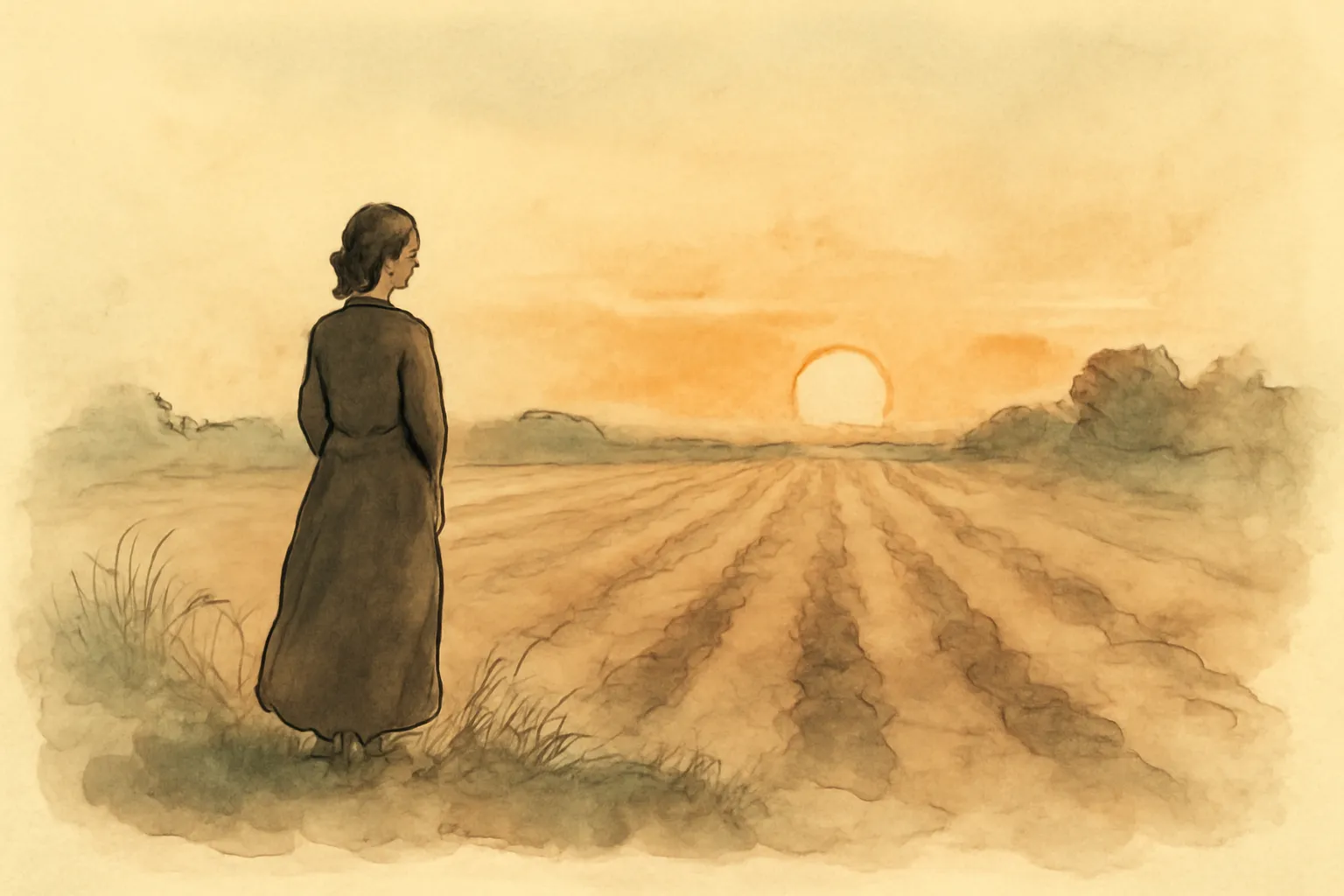
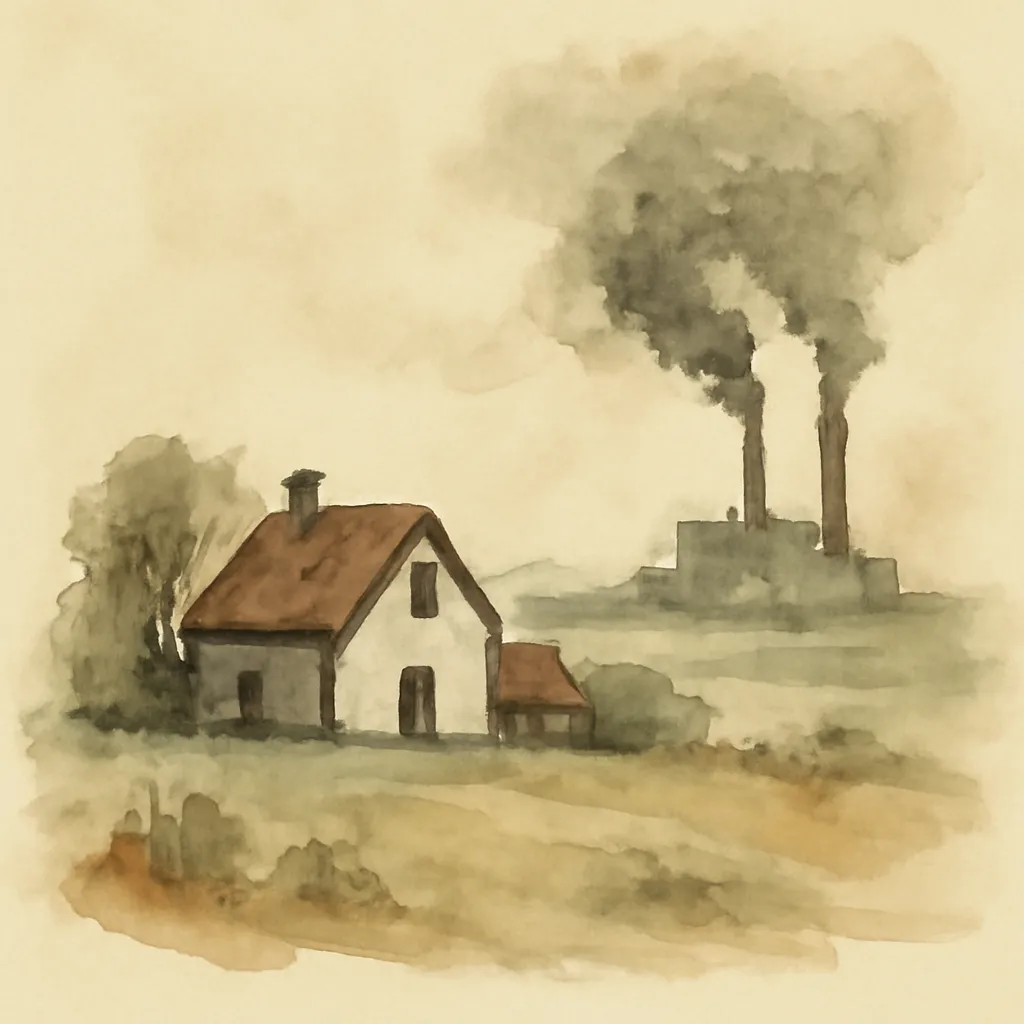
The rural setting of 'Tess of the d'Urbervilles' serves as a backdrop for the tension between traditional agrarian life and the encroaching forces of modernity. Hardy vividly depicts the pastoral beauty of the Vale of Blakemore, contrasting it with the harsh realities of rural labor and the impact of industrialization. As Tess navigates her world, the changing landscape reflects her internal struggles and the broader societal shifts occurring during the late 19th century. The arrival of the railway and the changing agricultural practices symbolize the loss of innocence and the disruption of traditional ways of life. Hardy's nuanced portrayal of rural existence underscores the complexities of progress, as characters grapple with the consequences of modernization on their lives and identities. Through Tess's story, readers are invited to reflect on the cost of progress and the nostalgia for a simpler, yet often romanticized, past.
7.The Power of Nature
Nature is a recurring motif in 'Tess of the d'Urbervilles,' serving as both a refuge and a source of conflict for Tess. Hardy's vivid descriptions of the natural world reflect Tess's emotional landscape, with the changing seasons mirroring her experiences. The beauty of the Vale offers moments of solace, yet it also becomes a site of tragedy, as seen in the harrowing scenes of her child's death. Hardy imbues nature with a sense of agency, suggesting that it is both a companion and a force that shapes Tess's fate. The interplay between Tess and her environment highlights the interconnectedness of human experience and the natural world, prompting readers to consider the role of nature in shaping identity and destiny. Ultimately, nature serves as a powerful reminder of life's cyclical nature, embodying both the beauty and brutality of existence.
8.The Search for Identity
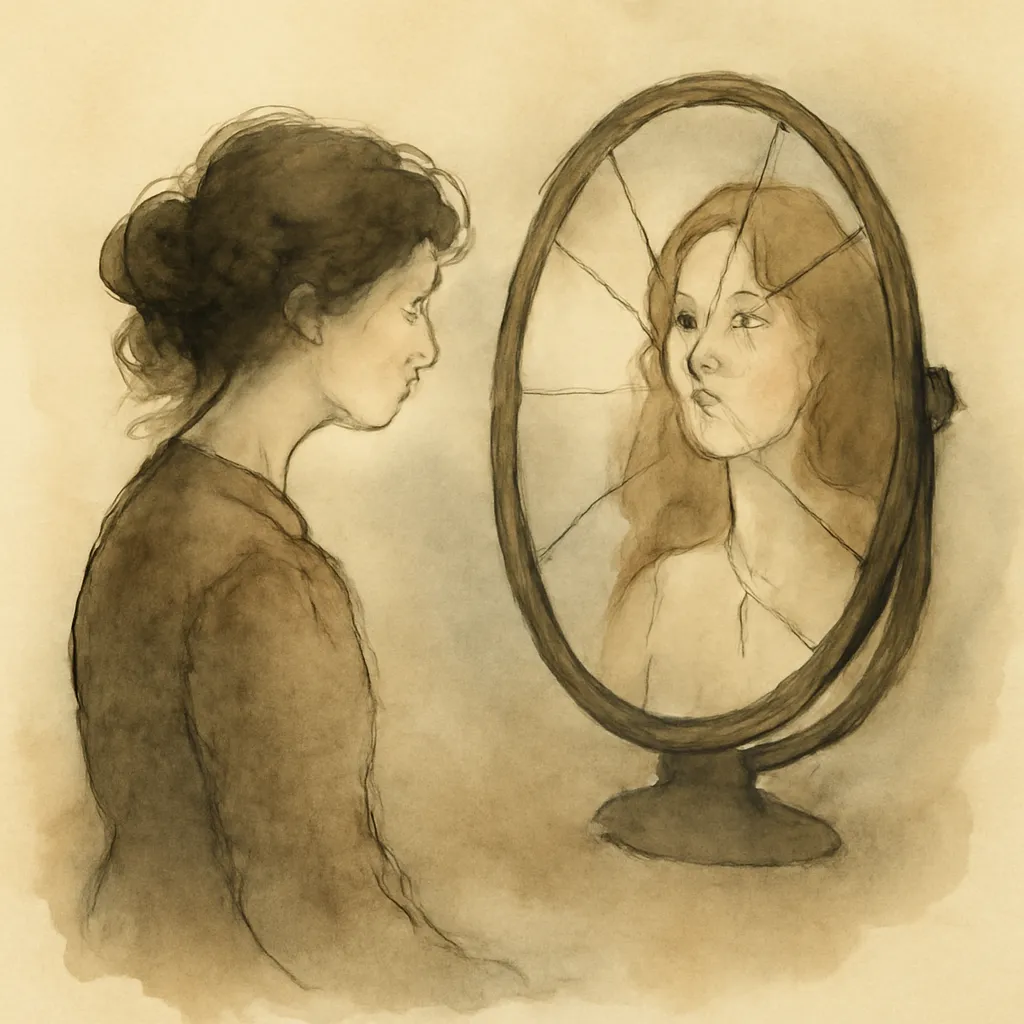
Tess's journey is fundamentally a quest for identity, as she grapples with conflicting aspects of herself shaped by her heritage, experiences, and societal expectations. Throughout the novel, Tess struggles to reconcile her past with her present, seeking to define herself beyond the labels imposed by others. Her experiences with Alec and Angel force her to confront her sense of self-worth and the impact of societal judgment on her identity. Hardy illustrates the fluidity of identity, showing how it can be shaped by external circumstances and internal desires. Tess's eventual rejection of societal norms in her pursuit of authenticity highlights the importance of self-discovery and personal agency. Through her struggles, readers are invited to reflect on their own journeys of identity formation and the complexities involved in navigating societal expectations.
9.The Tragic Nature of Justice
Justice, or the lack thereof, plays a pivotal role in 'Tess of the d'Urbervilles,' as Tess's life unfolds within a framework that often seems indifferent to her suffering. Hardy's exploration of justice highlights the societal structures that fail to protect the vulnerable, particularly women like Tess. The legal and moral systems that govern her life are depicted as flawed, often prioritizing societal reputation over individual well-being. Tess's experiences reveal the tragic consequences of a justice system that is more concerned with maintaining social order than addressing the complexities of human experience. The novel raises important questions about the nature of justice and its ability to truly serve those in need. Through Tess's tragic fate, Hardy critiques the societal norms that perpetuate injustice, urging readers to consider the moral implications of their own judgments and actions.