1.Applying the 7 Habits to Family Life
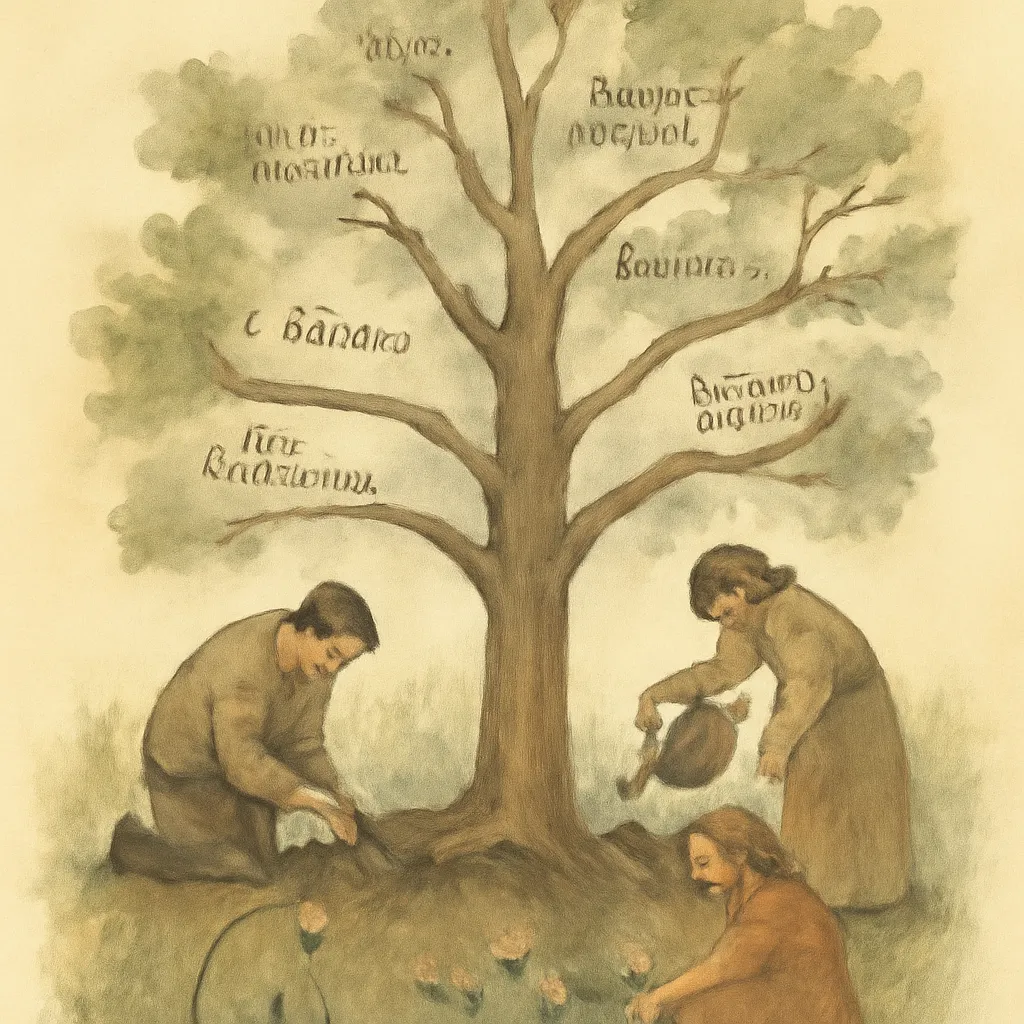
Covey takes his classic 7 Habits—originally developed for personal and professional success—and reframes them for the family context. He argues that families, like individuals, thrive when they are proactive, guided by shared values, and committed to continual growth. By intentionally applying these habits at home, families can better navigate conflict, change, and daily pressures.
2.Building a Family Mission Statement
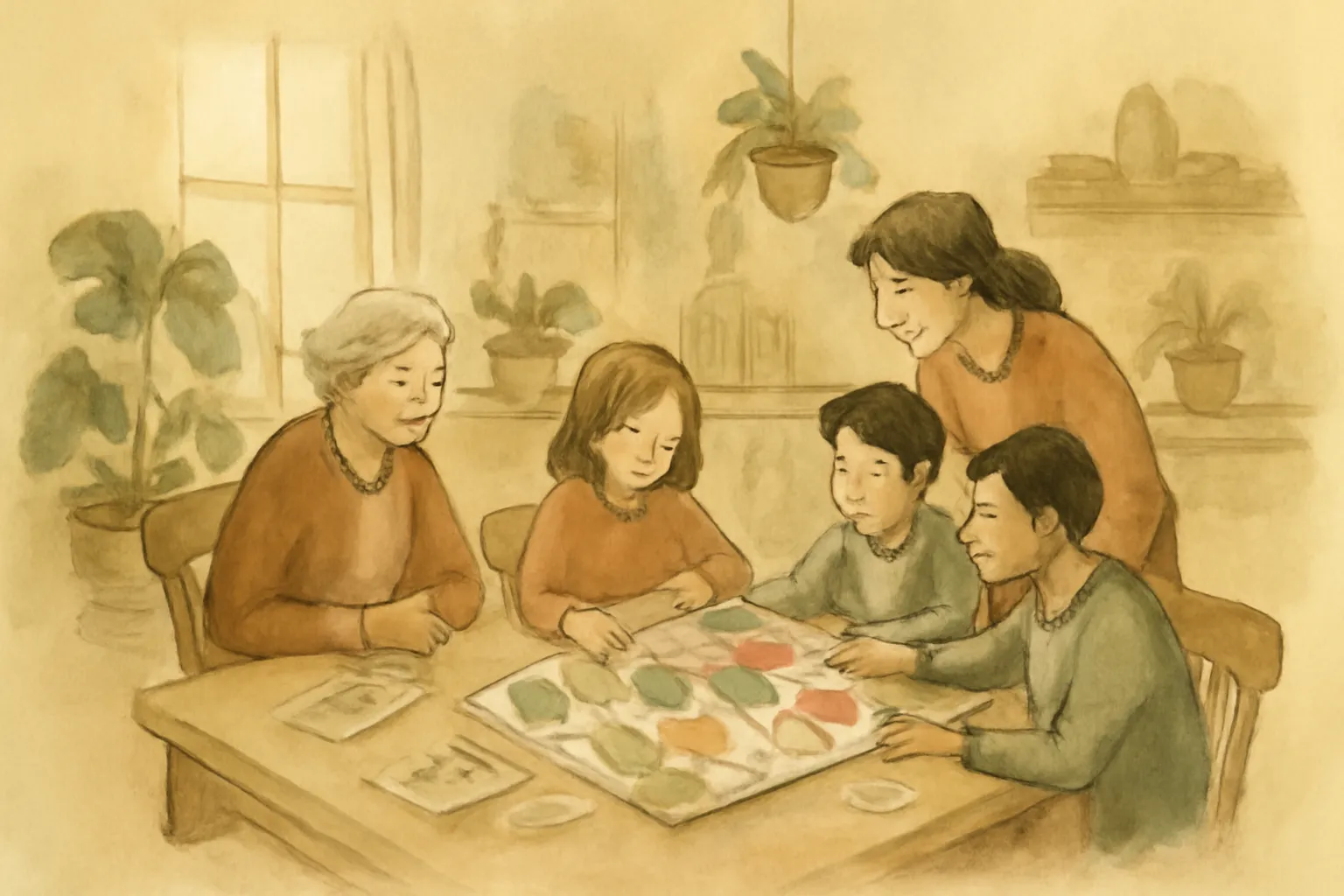
One of the book’s central tools is the family mission statement. Covey encourages families to collaboratively define their core values and vision, creating a shared sense of purpose. This process not only clarifies what matters most but also empowers each member to contribute, fostering unity and direction in decision-making and problem-solving.
3.Proactive Parenting and Problem-Solving
Covey emphasizes the importance of proactive parenting—responding to challenges with intention rather than reacting emotionally. He offers strategies for anticipating issues, setting clear expectations, and modeling constructive behavior. This approach helps families break cycles of blame and defensiveness, replacing them with mutual respect and creative solutions.
4.Emotional Bank Accounts
Drawing on his metaphor of the 'emotional bank account,' Covey illustrates how trust is built or depleted through everyday interactions. Acts of kindness, keeping promises, and sincere apologies are seen as deposits, while criticism or neglect act as withdrawals. Maintaining a healthy emotional balance is vital for resilient, loving relationships.
5.Synergy and Celebrating Differences
Covey champions the idea of synergy—valuing and leveraging each family member’s unique strengths and perspectives. Rather than striving for uniformity, he shows how embracing differences can lead to more creative solutions and a richer family life. This principle encourages open dialogue and collaborative problem-solving.
6.Renewal and Family Traditions
The final habit, 'Sharpen the Saw,' is about renewal—caring for the family’s physical, emotional, and spiritual well-being. Covey advocates for establishing meaningful family traditions, rituals, and routines that foster connection and resilience. Regular renewal helps families weather adversity and maintain their sense of joy and purpose.