1.The Search for Identity
At its core, the novel is about Augie March’s restless search for self-definition. Unlike traditional heroes with clear goals, Augie drifts from one adventure to another, resisting the labels and roles that society tries to impose on him. His journey is less about achieving external success and more about understanding who he is amid the chaos of modern life. This open-ended quest reflects the complexity of forging an identity in a world without easy answers.
2.Nonconformity and Individualism
Augie’s refusal to conform is both his strength and his curse. He resists the pressures of family, lovers, and employers, choosing instead to follow his instincts—even when this leads to trouble or uncertainty. Bellow uses Augie to explore the American ideal of individualism, but also questions its limits: is it possible to be truly free, or does the pursuit of freedom leave one rootless and adrift?
3.The American Experience
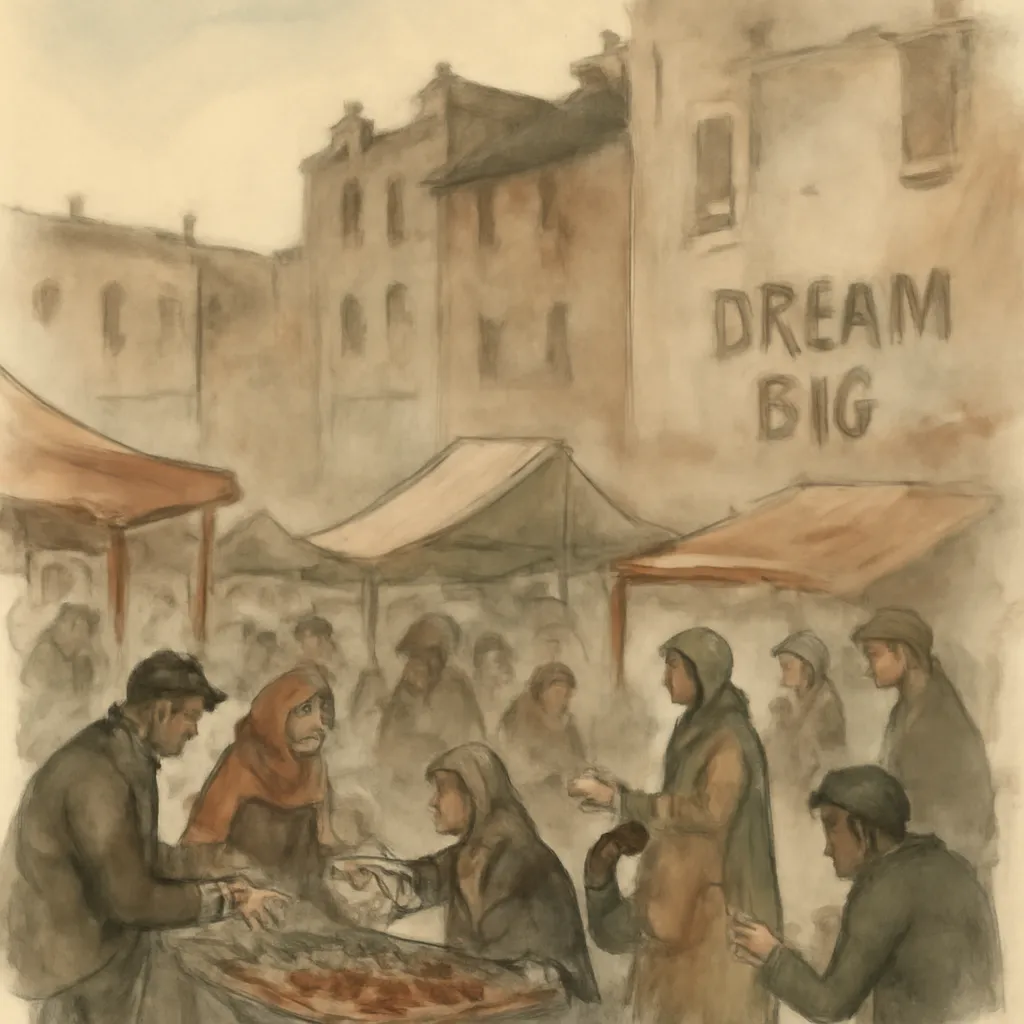
Set against the backdrop of Depression-era Chicago and beyond, the novel is a panoramic portrait of American society. Through Augie’s eyes, we see the struggles of immigrants, the lure of get-rich-quick schemes, and the promise—and peril—of reinvention. Bellow captures both the optimism and the absurdity of the American dream, revealing its opportunities and its disappointments.
4.Comic Realism and Exuberant Style
Bellow’s prose is famously energetic, blending highbrow references with streetwise slang. The novel’s humor arises from Augie’s misadventures and the colorful cast of characters he encounters. Yet beneath the comedy lies a deep engagement with the realities of poverty, family dysfunction, and the unpredictability of fate. The style itself mirrors Augie’s vitality and unpredictability.
5.The Role of Fate and Choice
Throughout the novel, Augie is buffeted by chance encounters and the unpredictable turns of life. Bellow raises questions about how much control we really have over our destinies. Is Augie a victim of circumstance, or does he shape his own fate through his choices? The book invites readers to consider the balance between agency and accident in their own lives.
6.The Importance of Relationships
While Augie is fiercely independent, his story is shaped by the people around him: his troubled family, eccentric mentors, and passionate lovers. These relationships are sources of both joy and pain, highlighting the tension between connection and autonomy. Bellow suggests that even the most independent souls are inevitably shaped by others.