1.The Burden of Birth and Social Class

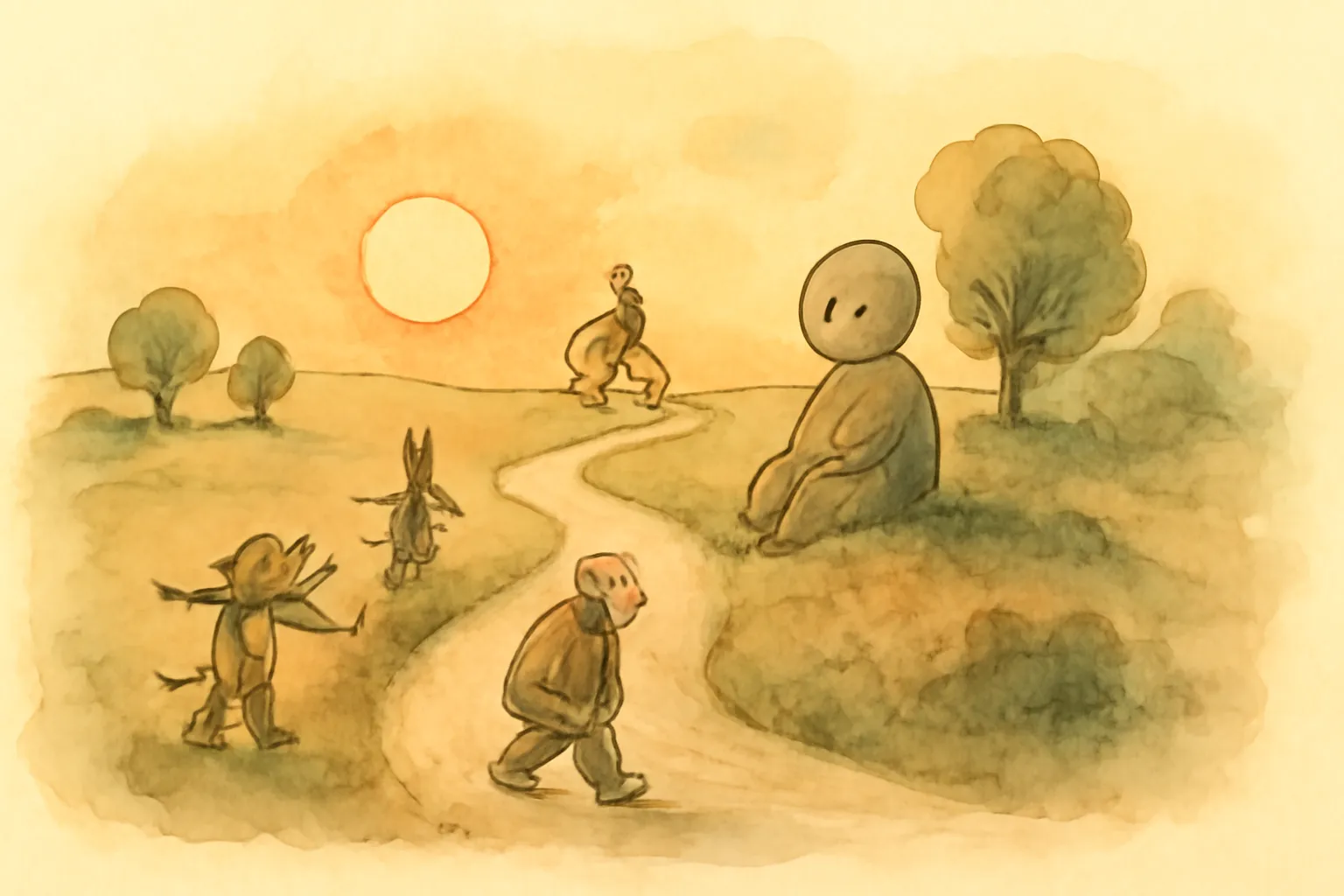
Roderick Random's story begins with a tumultuous family background that sets the tone for his life of misadventures. Born to a wealthy grandfather and a poor mother, Roderick's birth is shrouded in scandal and familial strife. His grandfather, a notable judge, harbors a deep aversion to his son’s marriage to a housekeeper, which leads to Roderick being ostracized from his family's wealth and influence. This early introduction to the complexities of social class shapes Roderick's identity and foreshadows the challenges he will face. The stark contrast between his noble lineage and his impoverished upbringing serves as a constant reminder of the arbitrary nature of societal hierarchies. This theme resonates throughout the novel, illustrating how one's birth can dictate life’s opportunities and struggles, often irrespective of personal merit. Roderick's journey encapsulates the struggle against societal expectations, revealing the often harsh realities of class distinctions.
2.Education and Adversity

Roderick's formative years are marked by neglect and mistreatment, particularly from his grandfather and schoolmaster. Sent to a village school, he suffers from a lack of resources, resulting in a ragged and contemptible appearance that reflects his lower status. The schoolmaster, operating under the shadow of Roderick's grandfather's disdain, provides little support, leaving Roderick's education to falter. However, Roderick's resilience becomes apparent as he excels in Latin, using his wit and determination to overcome his circumstances. The irony is that while education is traditionally a pathway to success, in Roderick's case, it becomes a source of further alienation from his family, who view his academic pursuits with scorn. This duality showcases that education, while empowering, can also isolate individuals from their roots and lead to misunderstanding within familial relationships. Through Roderick, the narrative explores the transformative potential of education, suggesting that knowledge can be both a weapon against oppression and a burden that separates one from their origins.
3.The Role of Kinship and Loyalty
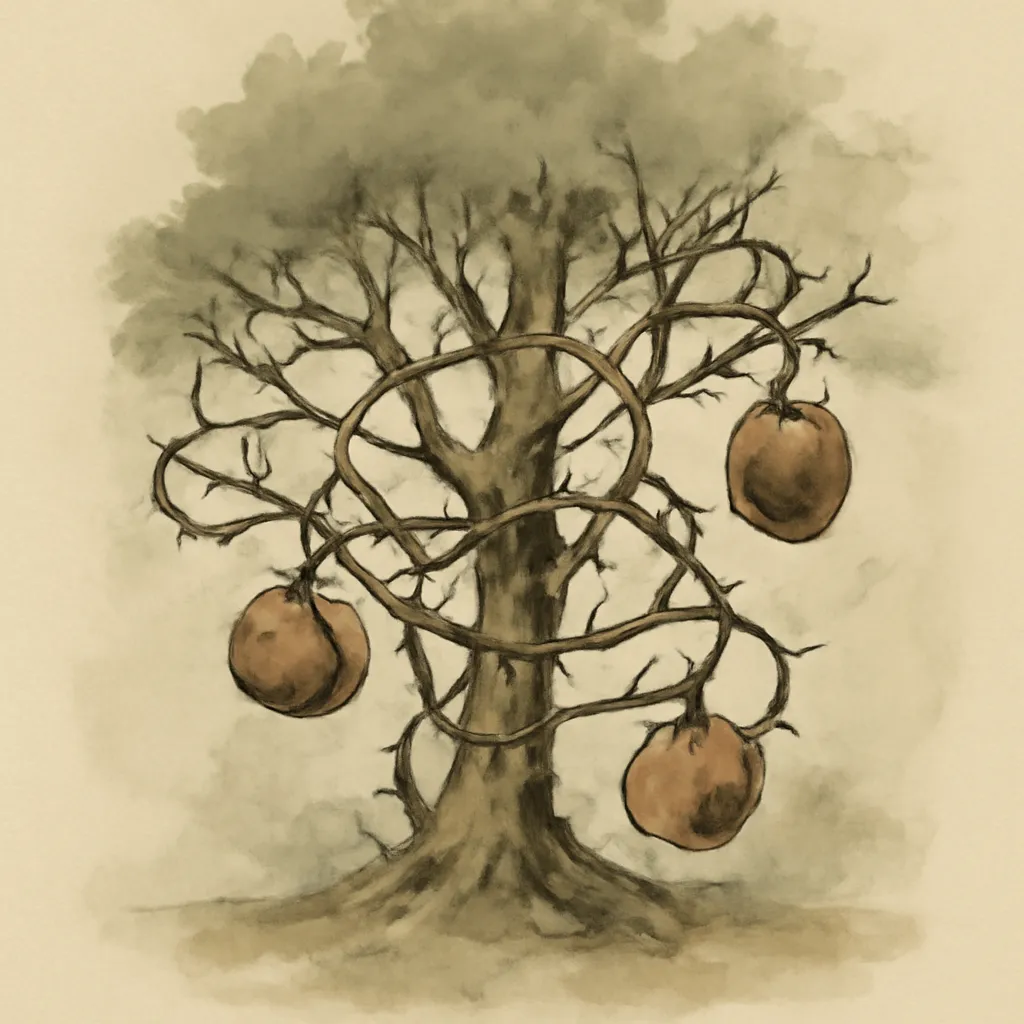
Roderick's relationships with his relatives are fraught with betrayal and animosity, illustrating the complexities of familial loyalty. His uncles, driven by greed and jealousy, conspire against him, further complicating his quest for belonging and acceptance. Their machinations serve to highlight the darker side of family dynamics, where love and loyalty can quickly turn into resentment and betrayal. However, Roderick's bond with his mother’s brother, Mr. Bowling, introduces a glimmer of hope. Mr. Bowling’s willingness to assist Roderick in times of need showcases a contrasting form of loyalty, one that is rooted in genuine care and affection. This relationship underscores the idea that true kinship may not always come from blood but can be found in those who stand by us in our times of need. The contrast between Roderick's hostile relatives and his supportive uncle paints a nuanced picture of family dynamics, revealing that true loyalty can transcend bloodlines and that chosen family can sometimes provide the solace that biological ties fail to deliver.
4.The Absurdity of Social Norms

Throughout Roderick's journey, the absurdities of social norms are laid bare, often through satirical commentary. The characters he encounters—from the pompous schoolmaster to the self-important noblemen—embody the ridiculousness of societal expectations. Roderick's experiences highlight the arbitrary nature of social class and the pretensions that accompany it. For instance, his interactions with the upper echelons of society reveal their superficiality and moral bankruptcy, contrasting sharply with his more genuine character. This critique of social norms invites readers to question the values of their own society, suggesting that the true measure of a person lies not in their social standing but in their actions and integrity. The novel uses humor and irony to expose the follies of social pretension, and in doing so, it encourages a more authentic understanding of human worth. By portraying the absurdity inherent in social structures, the narrative calls attention to the often arbitrary nature of societal norms and the ways in which they can stifle individual authenticity.
5.The Quest for Identity and Self-Discovery

Roderick's journey is also a quest for identity, as he grapples with the conflicting forces of his noble heritage and his current impoverished state. Throughout his adventures, he encounters various characters that challenge his self-perception and force him to confront his values. His time at the university, where he gains respect and admiration, represents a pivotal moment in his journey of self-discovery. However, Roderick’s time amongst the elite reveals that social acceptance does not equate to personal fulfillment, as he grapples with feelings of inadequacy and the burden of expectations. This internal struggle mirrors the universal quest for identity, where external validation can often be at odds with one’s true self. The narrative explores the complexities of self-identity and the importance of staying true to oneself amidst societal pressures. Roderick's evolving sense of self, shaped by his trials and triumphs, reveals the transformative power of experience in forging a person’s identity, ultimately suggesting that understanding and accepting oneself is a lifelong journey.
6.The Struggles of the Common Man

Roderick Random serves as a representation of the common man's plight, navigating a world filled with obstacles and injustices. His encounters with various societal figures—from the corrupt schoolmaster to the ruthless highwayman—highlight the struggles faced by those without privilege. The novel paints a vivid picture of the harsh realities of life for the lower classes, emphasizing themes of survival and resilience. Roderick's ability to adapt and persevere in the face of adversity serves as a testament to the strength of the human spirit. His misfortunes, often comically absurd, reflect the universal human experience of grappling with hardship. The narrative invites readers to empathize with the common man's experiences, showcasing the societal dynamics that often leave the underprivileged at the mercy of the powerful. By following Roderick's journey, the novel advocates for compassion and understanding toward those who struggle against systemic inequities, thus reinforcing the idea that every person's story deserves to be heard and validated.
7.Adventure and the Unpredictability of Life

The unpredictable nature of life is a recurring theme in Roderick's adventures, as he encounters a series of misfortunes that often lead to unexpected outcomes. His journey to London is fraught with uncertainty, filled with encounters involving thieves, corrupt officials, and dubious characters, all of which exemplify the chaotic and often dangerous world he inhabits. Each adventure presents new challenges, forcing Roderick to adapt and think on his feet. This unpredictability reflects the broader human experience, where plans often go awry and individuals must navigate unforeseen circumstances. Roderick’s resilience in the face of adversity serves as an inspiring reminder of the importance of adaptability and courage in the face of life’s uncertainties. The novel suggests that while one cannot control the circumstances of life, one can control how they respond to them. Roderick's ability to embrace the unpredictability of his journey, finding humor and resilience amid chaos, encourages readers to adopt a similar outlook in their own lives.
8.The Nature of Friendship
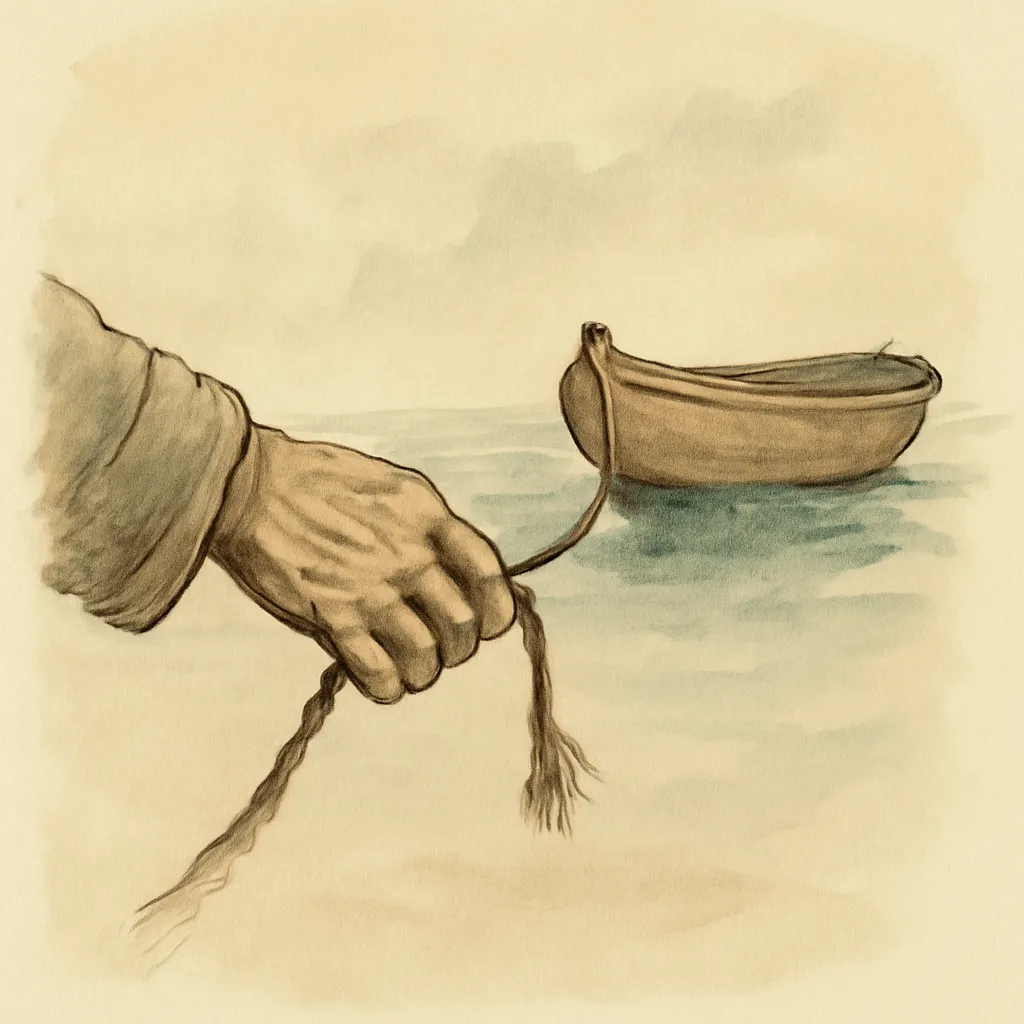
Friendship emerges as a crucial theme in Roderick's journey, particularly in his relationship with Hugh Strap. Their bond, forged through shared experiences and mutual support, illustrates the importance of companionship in overcoming adversity. Strap, portrayed as a loyal and somewhat naive companion, provides comic relief and emotional support, highlighting the value of true friendship. Their relationship is tested through various trials, including misunderstandings and societal pressures that threaten to drive them apart. Despite these challenges, their loyalty to one another remains unwavering, showcasing the profound impact of camaraderie in the face of hardship. This dynamic speaks to the essence of friendship, emphasizing that genuine connections are vital for emotional survival. Through Roderick and Strap's friendship, the narrative emphasizes that true companionship can provide strength and solace in the midst of life's trials, reinforcing the idea that no one should have to face their battles alone.
9.Satire as a Reflection of Society

The novel employs satire as a powerful tool to critique societal norms and behaviors. Through Roderick's interactions with various characters, Smollett exposes the flaws and hypocrisies of the society in which he lives. The absurdity of the aristocracy, the pretentiousness of the clergy, and the greed of the merchant class are all subjects of scrutiny, revealing a society rife with moral failings. This critical lens invites readers to reflect on their own societal norms and the absurdities that often go unchecked. The humor embedded in the narrative not only entertains but also provokes thought, encouraging readers to question the status quo and consider the implications of societal behavior. By using satire to reflect on societal issues, the novel remains relevant, resonating with readers across time and place. Roderick's encounters serve as a microcosm of society, showcasing both the follies and strengths of humanity, ultimately suggesting that reflection and humor can stimulate change and foster understanding.