1.The Centrality of Religion
Durant argues that religion was the organizing principle of medieval life, shaping everything from government and law to art and education. Christianity, Islam, and Judaism provided not only spiritual guidance but also the frameworks for social order and intellectual inquiry. The book explores how faith permeated daily existence, creating a shared worldview that influenced both the heights of philosophy and the routines of the peasantry.
2.The Interplay of Civilizations
Far from being an isolated 'dark age,' the medieval period was marked by dynamic interactions among Christian, Islamic, and Jewish cultures. Durant highlights the transmission of knowledge—especially through Islamic Spain and the Crusades—as a crucial engine for progress. He details how philosophy, science, and literature flowed across religious boundaries, enriching all sides and laying groundwork for the later Renaissance.
3.The Power and Paradox of the Church
Durant examines the Catholic Church as both a source of unity and a force of contradiction. The Church preserved learning and provided social stability, yet also wielded immense political power, sometimes stifling dissent and innovation. Durant explores the tensions between spiritual ideals and institutional realities, showing how reform movements, heresies, and schisms reflected deeper social changes.
4.Medieval Society and Its Hierarchies
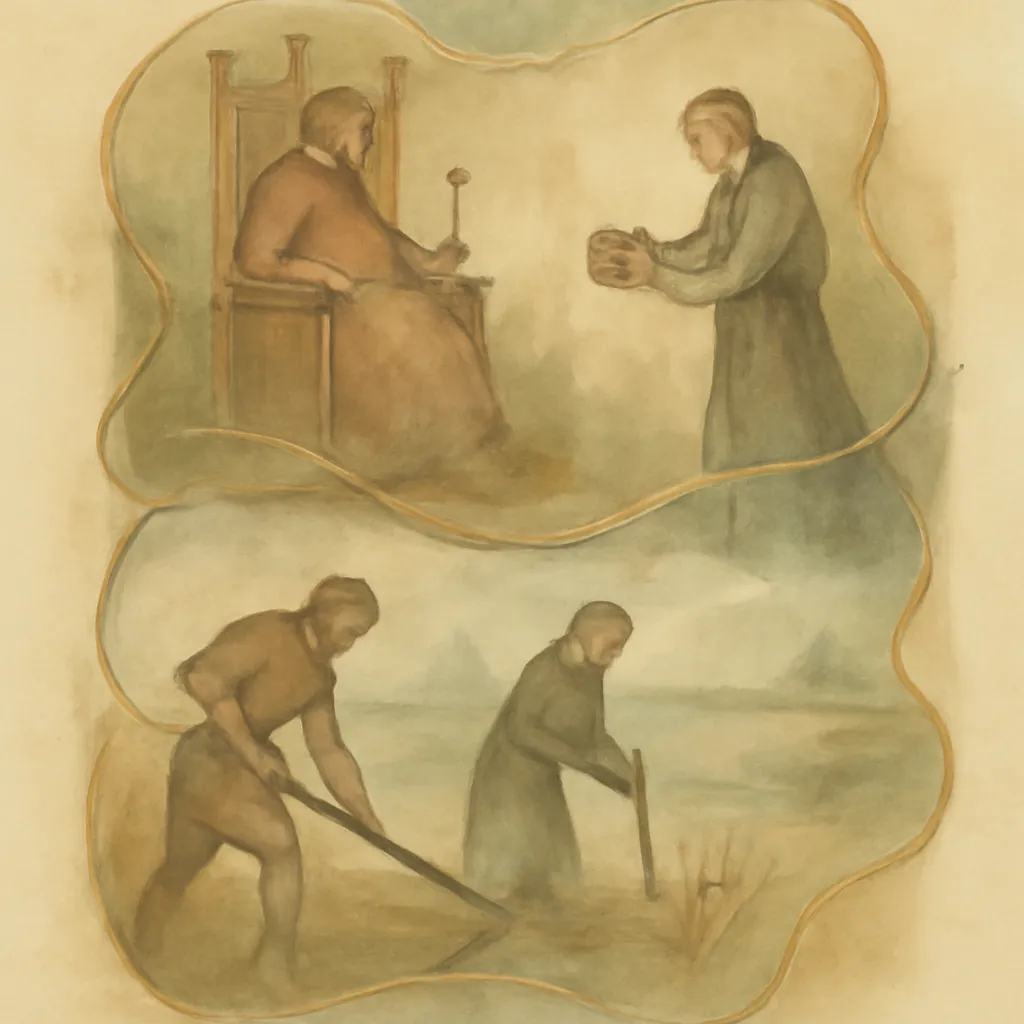
Social order in the Middle Ages was rigidly hierarchical, with kings, nobles, clergy, and peasants each playing distinct roles. Durant delves into the feudal system, the rise of towns, and the gradual emergence of a middle class. He illustrates how economic and technological developments—like the plough, the guild, and the university—slowly transformed society, even within a framework defined by tradition.
5.Intellectual and Artistic Flourishing
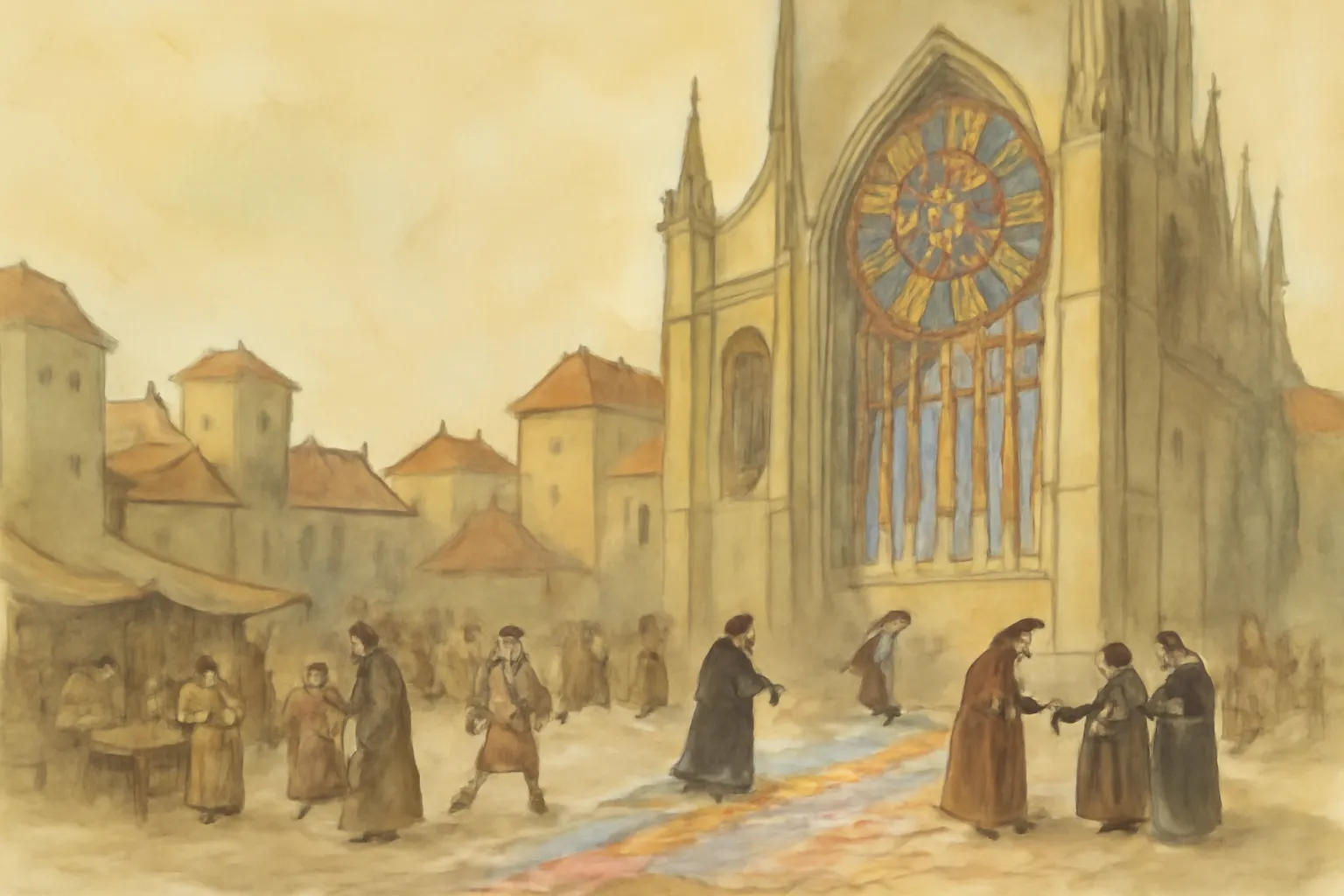
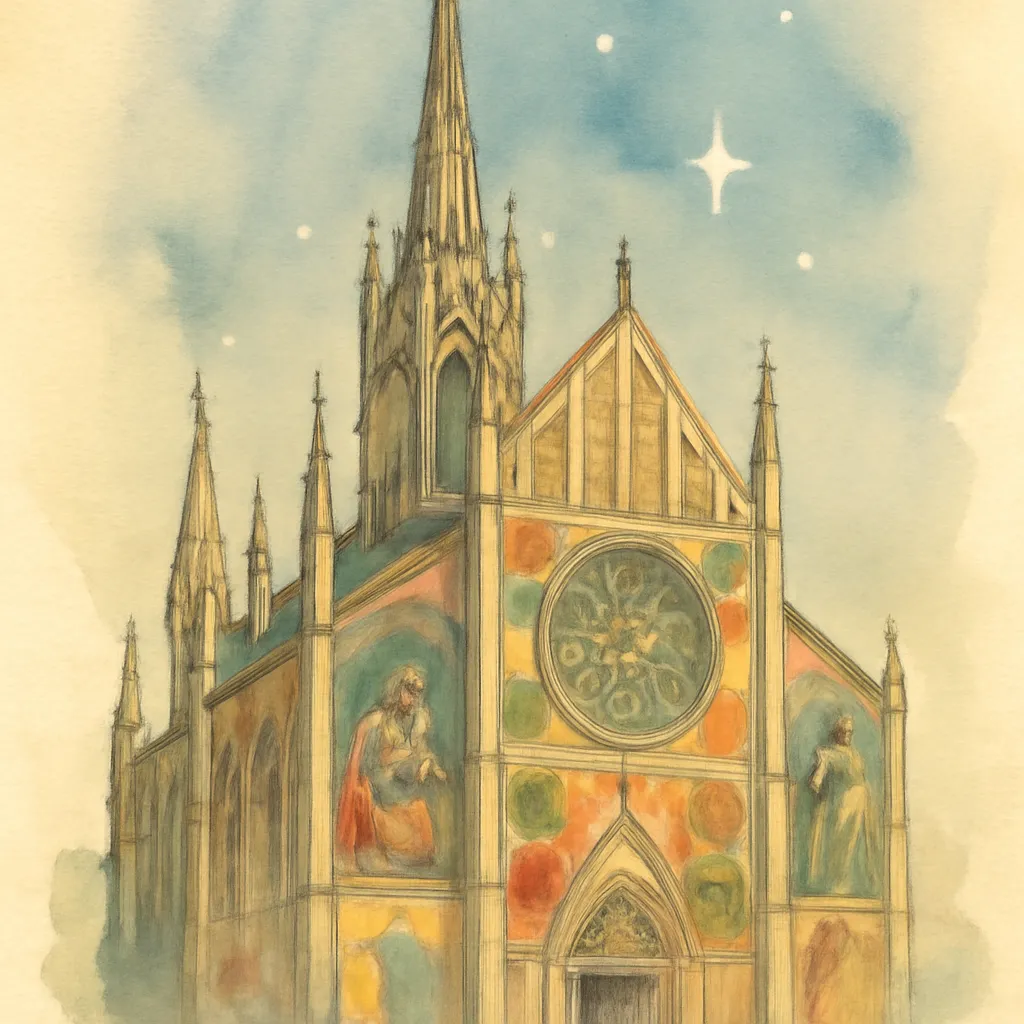
Contrary to the stereotype of a stagnant era, Durant documents a flowering of creativity in architecture, philosophy, and the arts. He traces the evolution from Romanesque to Gothic cathedrals, the revival of classical learning, and the achievements of thinkers like Aquinas, Averroes, and Maimonides. The Age of Faith, Durant argues, was also an age of reason and beauty, albeit on its own terms.
6.The Seeds of Modernity
Durant contends that the medieval synthesis of faith and reason, though ultimately unstable, set the stage for the modern world. The debates between theologians and philosophers, the rise of universities, and the cross-cultural exchanges of the Crusades all contributed to the questioning spirit that would blossom in the Renaissance and Reformation.