1.Dual Revolutions: Political and Industrial
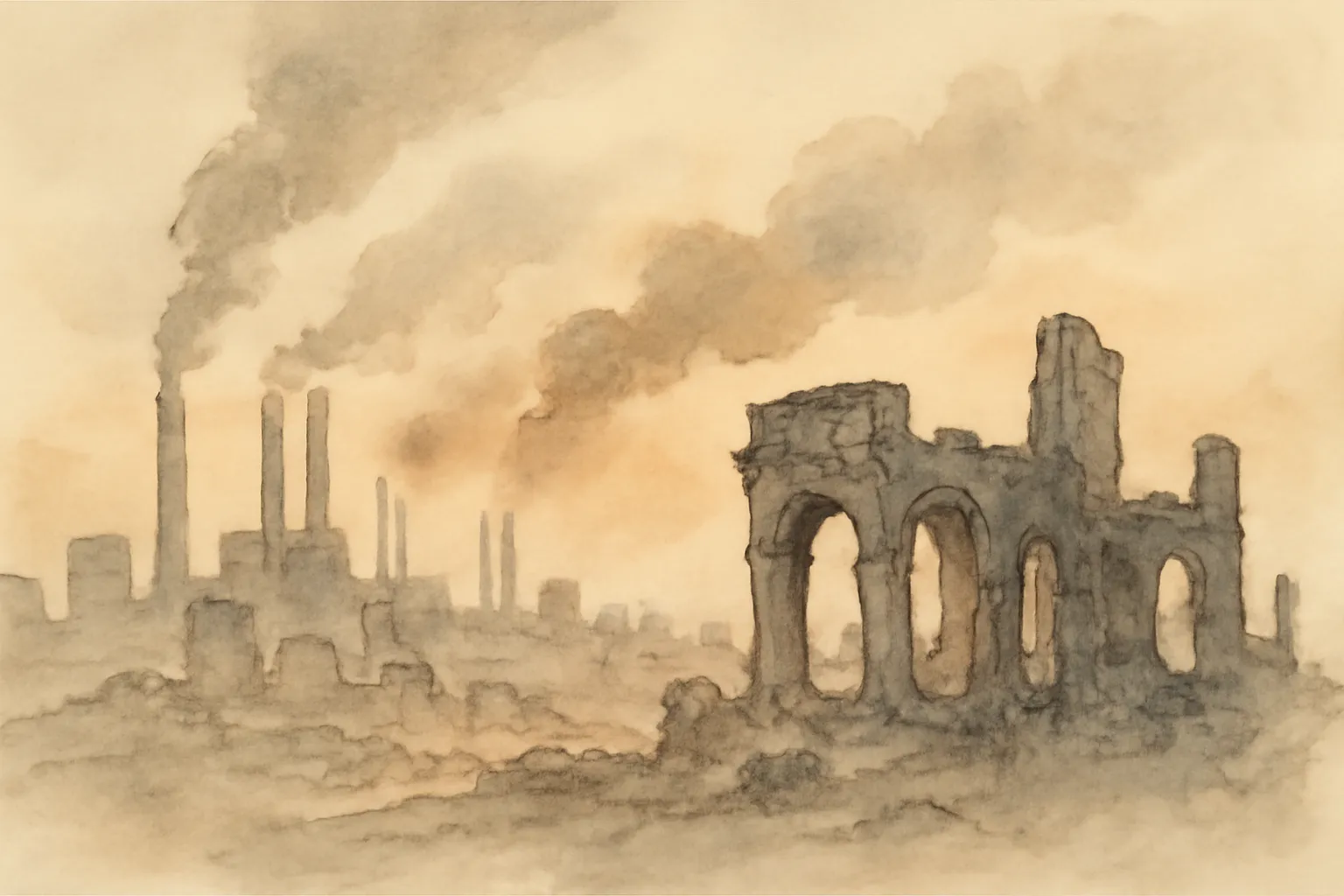
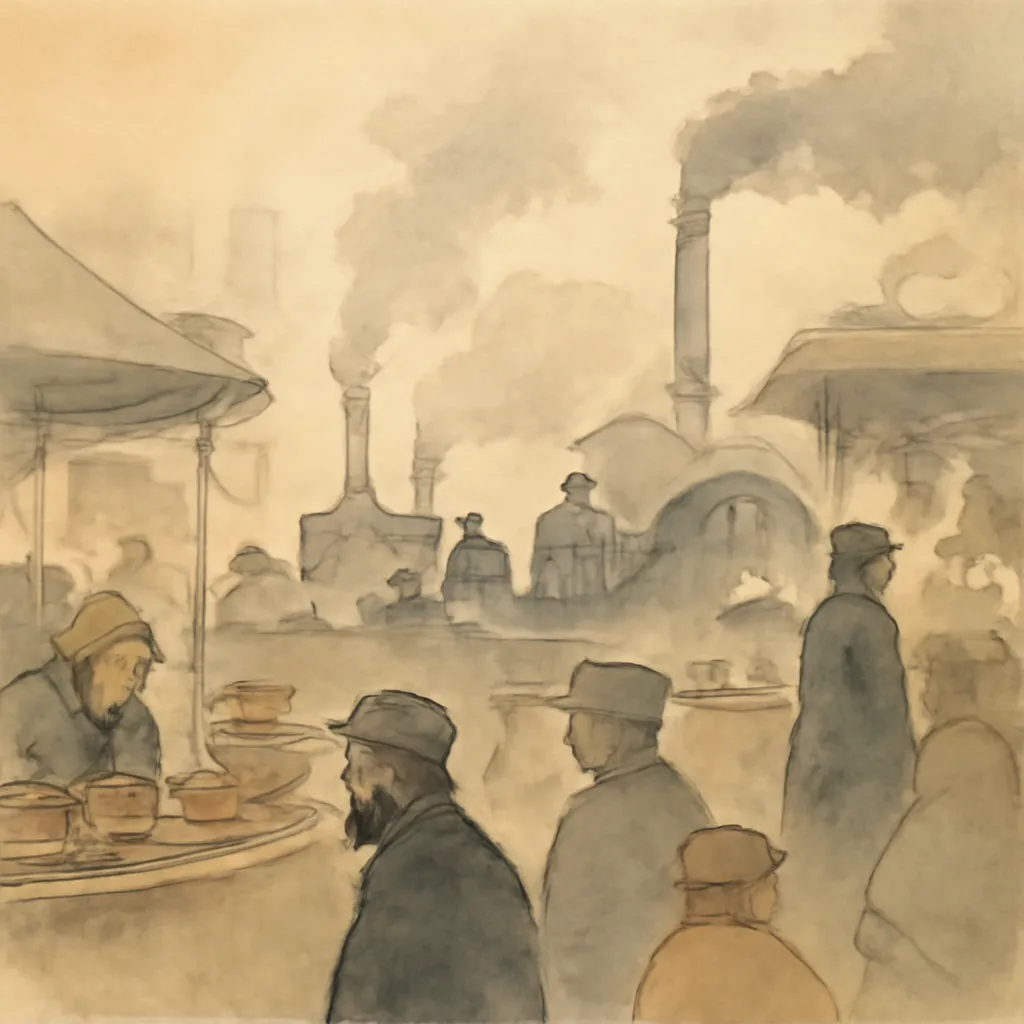
Hobsbawm frames the period as defined by two intertwined revolutions: the French Revolution, which upended political and social structures, and the Industrial Revolution, which transformed economies and daily life. He argues that these revolutions were not isolated events but mutually reinforcing forces that together created the foundations of modern capitalism, nation-states, and social classes. The book explores how these revolutions spread their influence across Europe and the globe, reshaping societies in their wake.
2.The Rise of the Bourgeoisie
A central theme is the emergence and consolidation of the bourgeoisie as the dominant social class. Hobsbawm shows how the new capitalist economy empowered this group, enabling them to challenge aristocratic privilege and drive political change. Their values—rationality, individualism, and economic progress—became the new norms, influencing everything from government to culture. The book traces how the bourgeoisie’s ascendancy set the stage for later struggles between capital and labor.
3.Nationalism and the Modern State
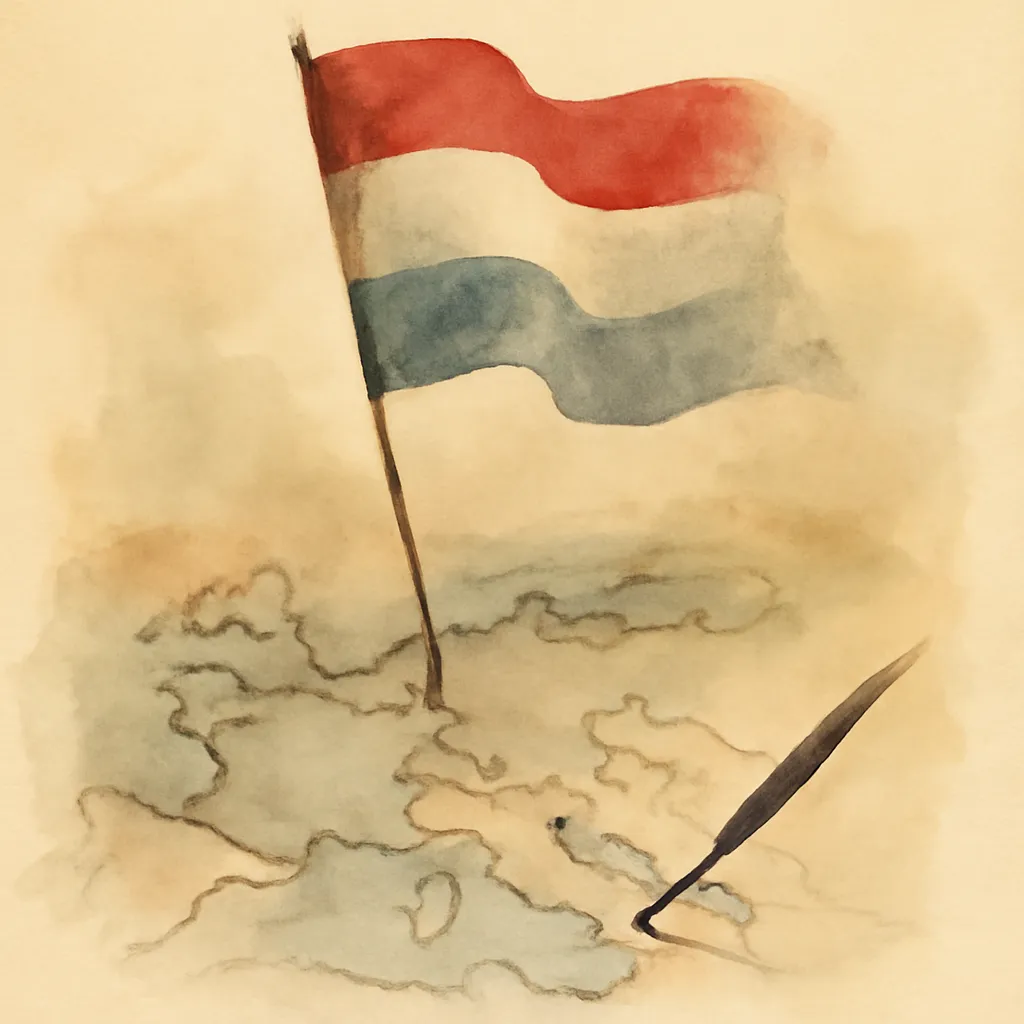
Hobsbawm highlights the birth of nationalism as a potent force. The French Revolution’s ideals of citizenship and national identity inspired movements across Europe, leading to the redrawing of borders and the creation of new states. The book examines how nationalism both unified and divided peoples, sometimes fueling liberation, at other times sowing seeds of conflict that would persist into the 20th century.
4.Transformation of Everyday Life
Beyond politics and economics, Hobsbawm delves into how these revolutions altered daily existence. Urbanization, new technologies, and changing work patterns disrupted traditional ways of life. The book explores the impact on family structures, education, religion, and leisure, illustrating how the period’s changes were felt in the most intimate aspects of society.
5.The Global Ripple Effect
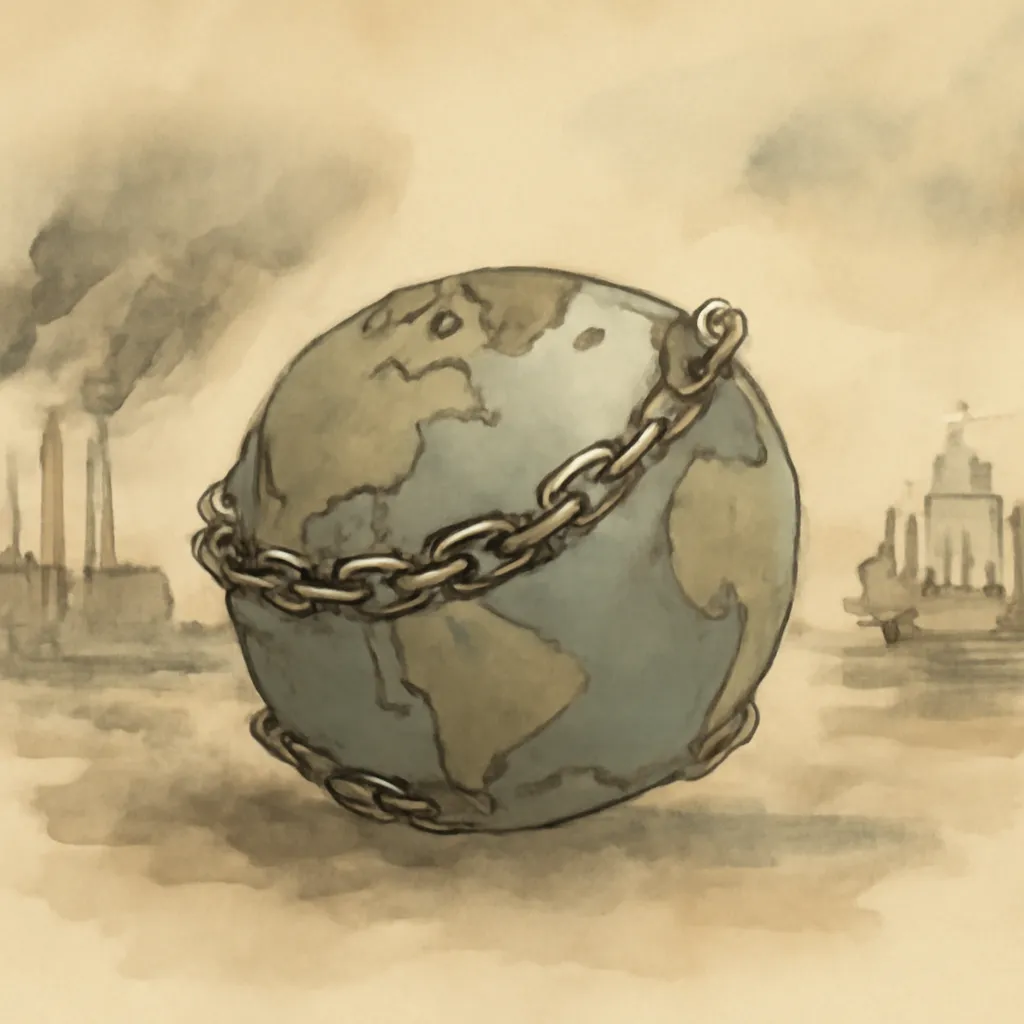
While focused on Europe, Hobsbawm emphasizes the global consequences of the Age of Revolution. European expansion, colonialism, and the spread of industrial capitalism reshaped economies and societies worldwide. The book shows how the era’s innovations and upheavals set the terms for global relations, often with lasting inequalities and tensions.
6.Limits and Contradictions of Revolution
Hobsbawm does not romanticize revolution. He carefully examines its limits and contradictions—how the promises of liberty and equality often fell short, and how new forms of exploitation and exclusion emerged. The book encourages readers to grapple with the mixed legacy of this transformative era.