1.Surveillance Capitalism Defined
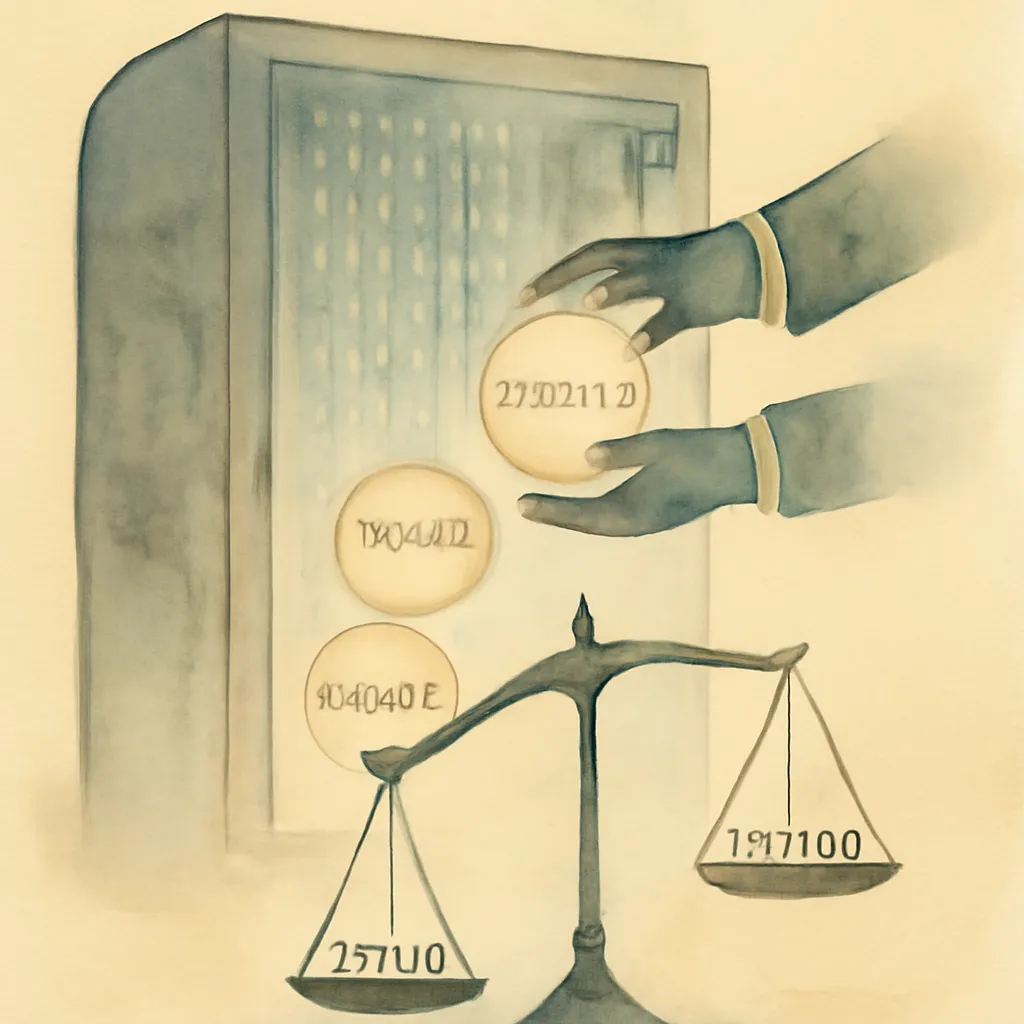
Zuboff introduces 'surveillance capitalism' as a new economic logic where companies extract, analyze, and monetize personal data not just to sell ads, but to predict and influence behavior. Unlike traditional capitalism, which profits from goods and services, surveillance capitalism profits from knowledge about individuals, often without their awareness or consent. This shift marks a profound change in how value is created and who controls it.
2.Behavioral Futures Markets
A core insight is that tech giants like Google and Facebook have created 'behavioral futures markets'—platforms where predictions about our future actions are bought and sold. By analyzing vast amounts of behavioral data, these companies can forecast (and increasingly shape) what we will do, turning human experience into a commodity for profit. This commodification of prediction has consequences far beyond targeted advertising.
3.Loss of Autonomy and Democracy
Zuboff argues that surveillance capitalism undermines individual autonomy and democratic institutions. As companies gain unprecedented power to influence our choices, the traditional boundaries between private and public, and between market and society, are eroded. The ability to shape behavior at scale threatens not only privacy but also the foundations of free will and civic life.
4.The Big Other: A New Form of Power
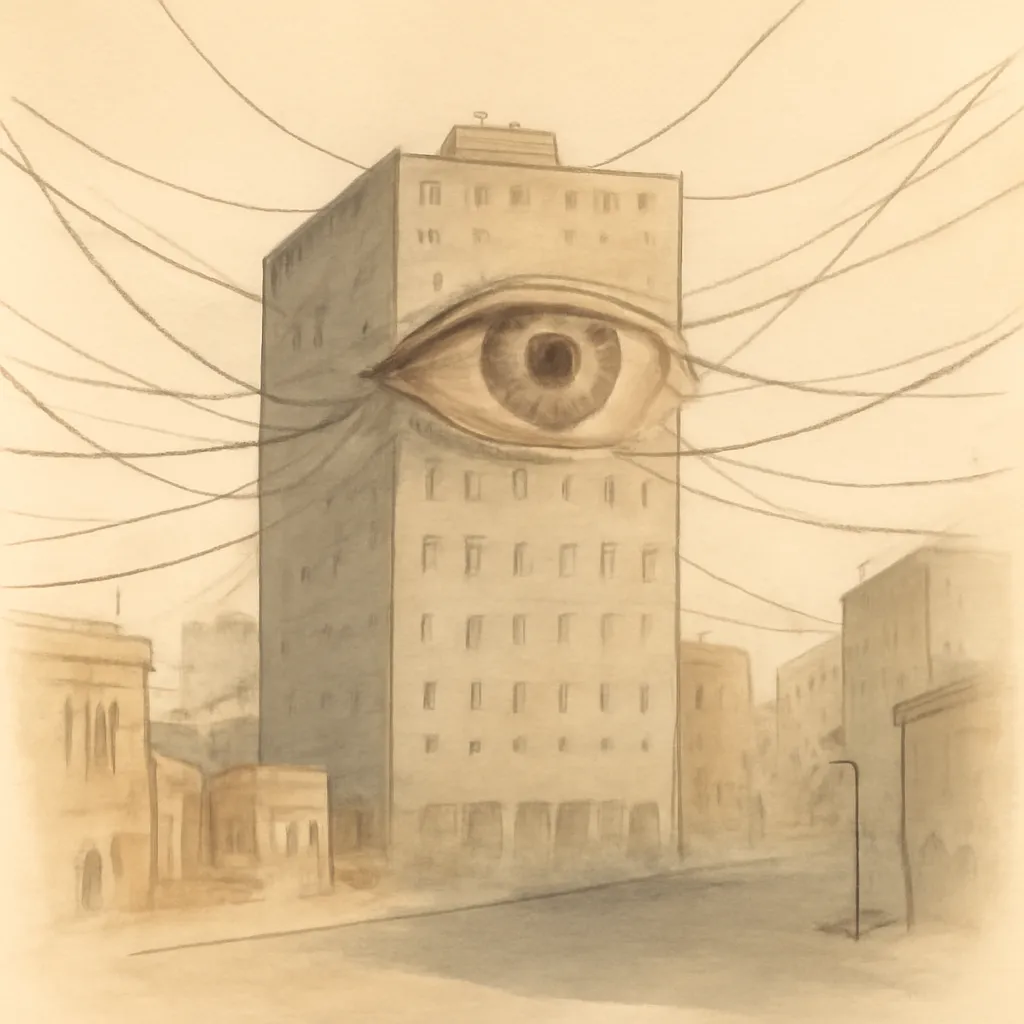
Borrowing from Orwell’s 'Big Brother,' Zuboff coins 'Big Other' to describe the diffuse, automated, and largely invisible systems of surveillance that now permeate daily life. Unlike state surveillance, this power is wielded by private corporations, creating a new architecture of control that is difficult to see, understand, or resist. This marks a shift from surveillance as a tool of governments to a pervasive commercial infrastructure.
5.Consent and the Illusion of Choice
A recurring theme is the illusion of consent: users are often unaware of the extent and implications of data collection, and so-called 'agreements' are typically opaque and non-negotiable. Zuboff contends that this lack of meaningful consent renders the current system fundamentally undemocratic, as people are deprived of agency over their own information and behavior.
6.Resistance and the Path Forward
Despite the daunting power of surveillance capitalism, Zuboff insists that resistance is possible. She calls for new laws, public awareness, and collective action to reclaim digital rights and restore democratic control. The book is ultimately a call to recognize what is at stake and to demand a future in which technology serves humanity, not the other way around.