1.Romantic Science: Emotion and Imagination in Discovery
Holmes explores how the scientists of this era were not cold rationalists, but visionaries who saw science as a creative, almost poetic pursuit. Figures like Joseph Banks, William Herschel, and Humphry Davy approached their work with wonder and emotional intensity, blurring the lines between scientific inquiry and artistic inspiration. This 'Romantic science' valued intuition, imagination, and the sublime, challenging the stereotype of scientists as detached observers.
2.Science as Public Spectacle
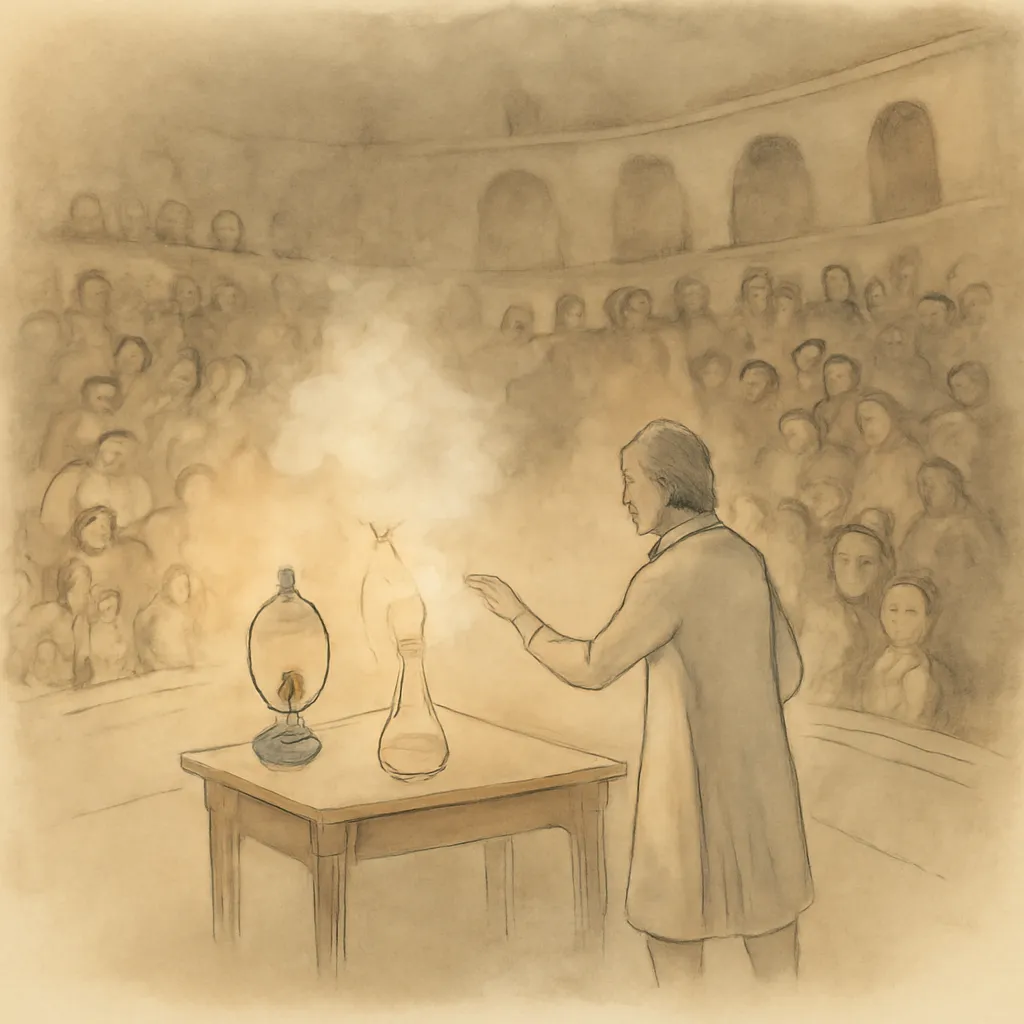
The Age of Wonder shows how scientific discovery became a public event—lectures, demonstrations, and experiments drew huge crowds. Holmes details how scientists like Davy became celebrities, and how their discoveries—such as the gas experiments or Herschel's telescopic revelations—captured the public imagination. This period marks the beginning of science as a shared cultural experience, not just a private pursuit.
3.The Expansion of the Known World
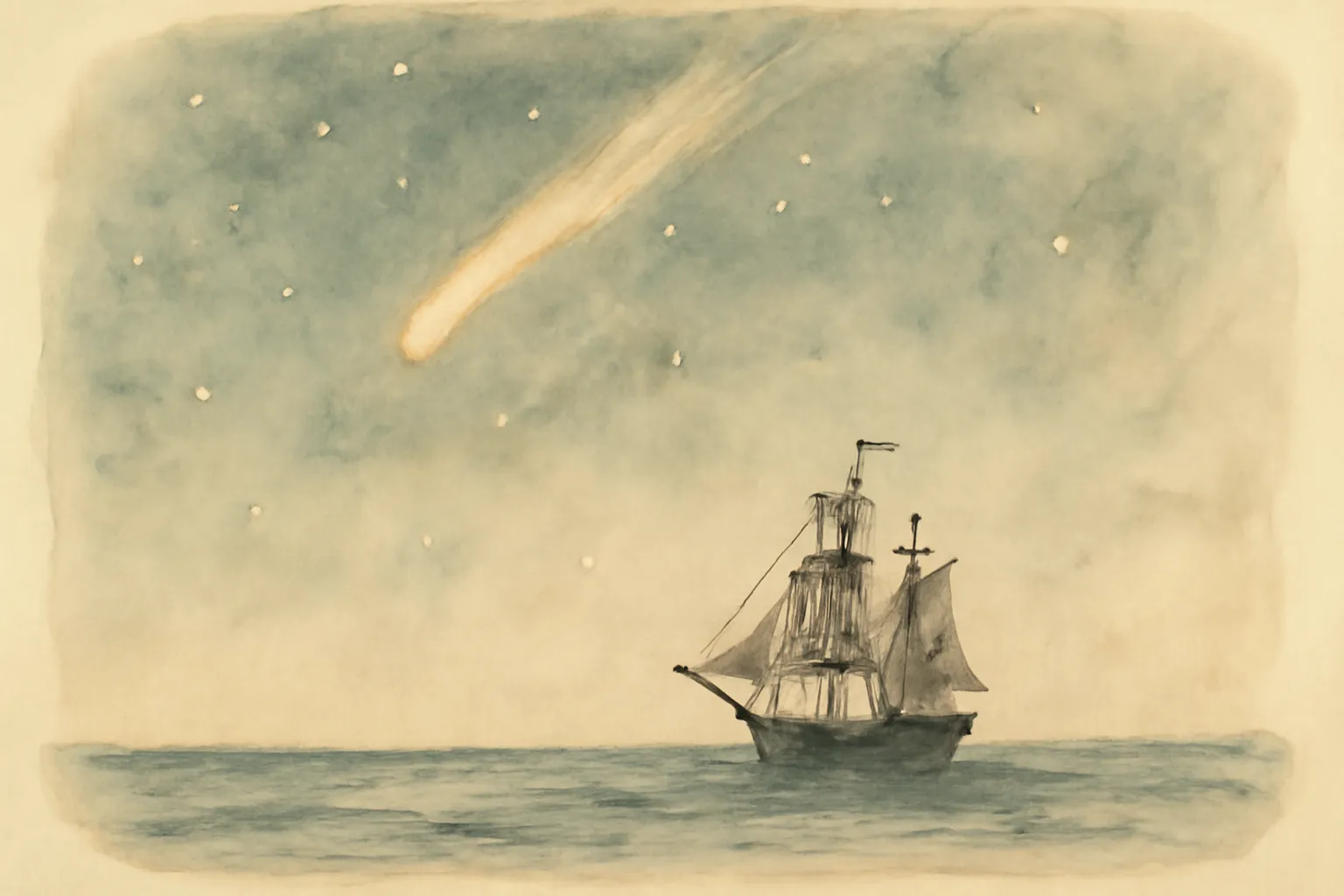
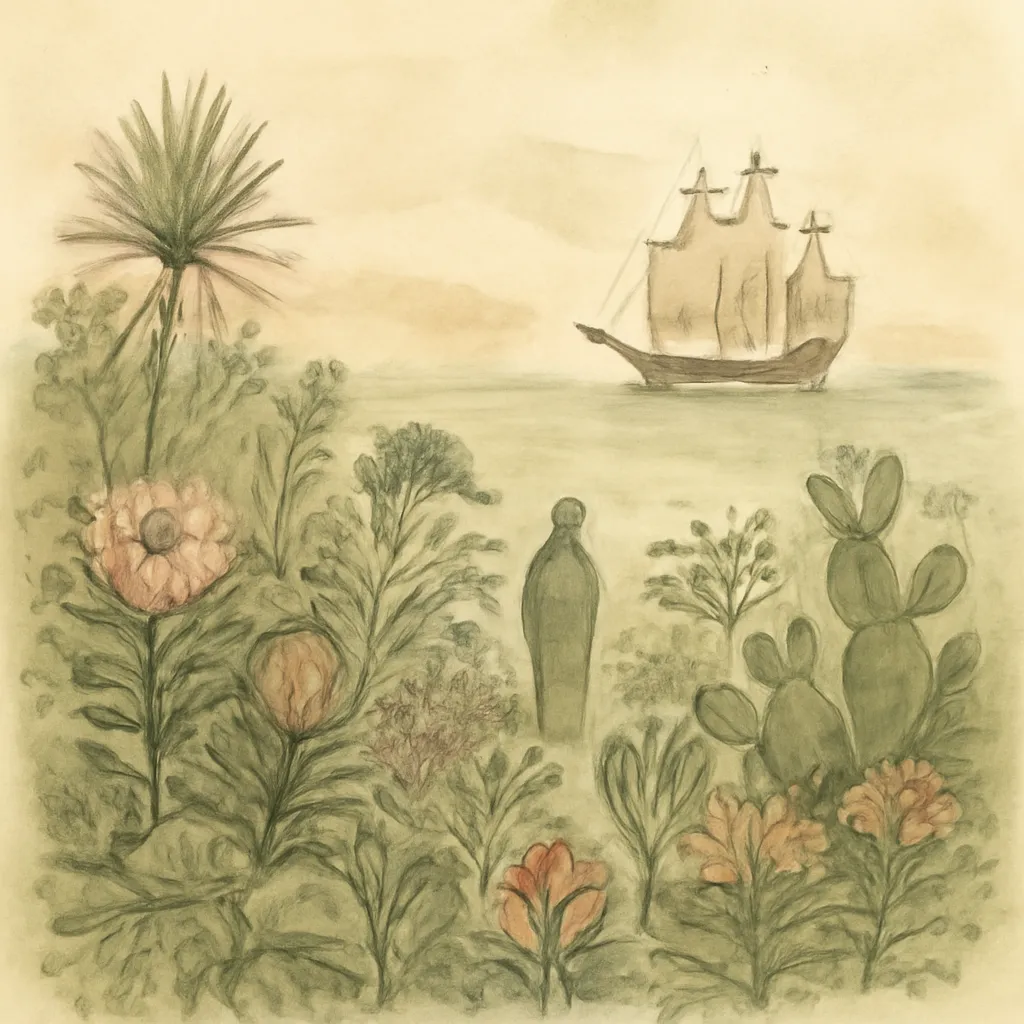
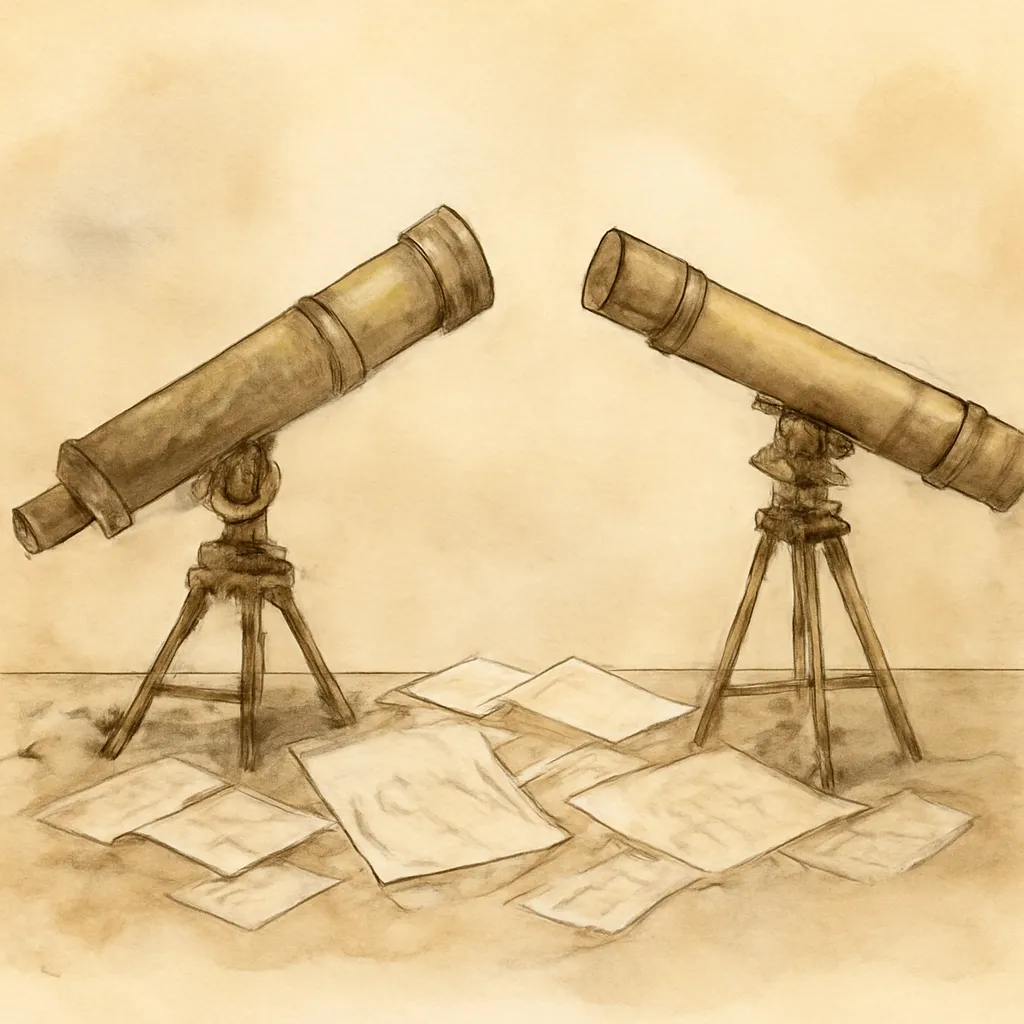
From Banks’s botanical voyages with Cook to Herschel’s mapping of the heavens, the era was defined by a relentless push to expand the boundaries of the known. Holmes illustrates how these discoveries fundamentally altered humanity’s sense of place in the universe—introducing ideas of deep time, infinite space, and the possibility of life beyond Earth. The book captures the thrill and anxiety of confronting a vastly larger, stranger cosmos.
4.Collaboration and Rivalry
Holmes emphasizes the collaborative nature of scientific progress—scientists corresponded, debated, and built upon each other’s work. Yet, this was also an era of intense rivalry and personal ambition. The book explores the complex relationships between figures like the Herschels, Davy, and their contemporaries, showing how both cooperation and competition fueled innovation.
5.The Interplay of Science and Literature
A unique strength of the book is its focus on the dialogue between science and the arts. Holmes demonstrates how poets like Coleridge and Shelley were inspired by scientific advances, and how scientists in turn drew on literary forms to communicate their ideas. This cross-pollination fostered a culture where science and imagination were seen as mutually enriching.
6.The Birth of Modern Scientific Institutions
Holmes traces the emergence of institutions like the Royal Society and the Royal Institution, which professionalized science and set new standards for experimentation and public engagement. These organizations helped transform science from a gentleman’s hobby into a respected, organized discipline with lasting influence.