1.The Power of Escape—Literal and Imaginative
Escape is both a theme and a survival mechanism in the novel. Joe Kavalier's harrowing flight from Nazi-occupied Prague is mirrored by his fascination with magic and escapology, and by the comic book heroes he and Sammy create. Their superhero, The Escapist, embodies the fantasy of liberation from oppression and personal limitation. Through art and storytelling, the cousins—and by extension, their readers—find a way to transcend the constraints of their circumstances, whether those are political, social, or psychological.
2.The Immigrant Experience and the Search for Belonging
Chabon delves into the complexities of Jewish immigrant identity in pre- and post-war America. Joe’s displacement and longing for his family, and Sammy’s struggle with his own sense of self, reflect the broader anxieties of outsiders seeking a home in a new world. The novel captures both the pain of loss and the resilience required to build a new life, showing how creativity and collaboration can be lifelines for those uprooted by history.
3.The Birth of the Comic Book and American Mythmaking
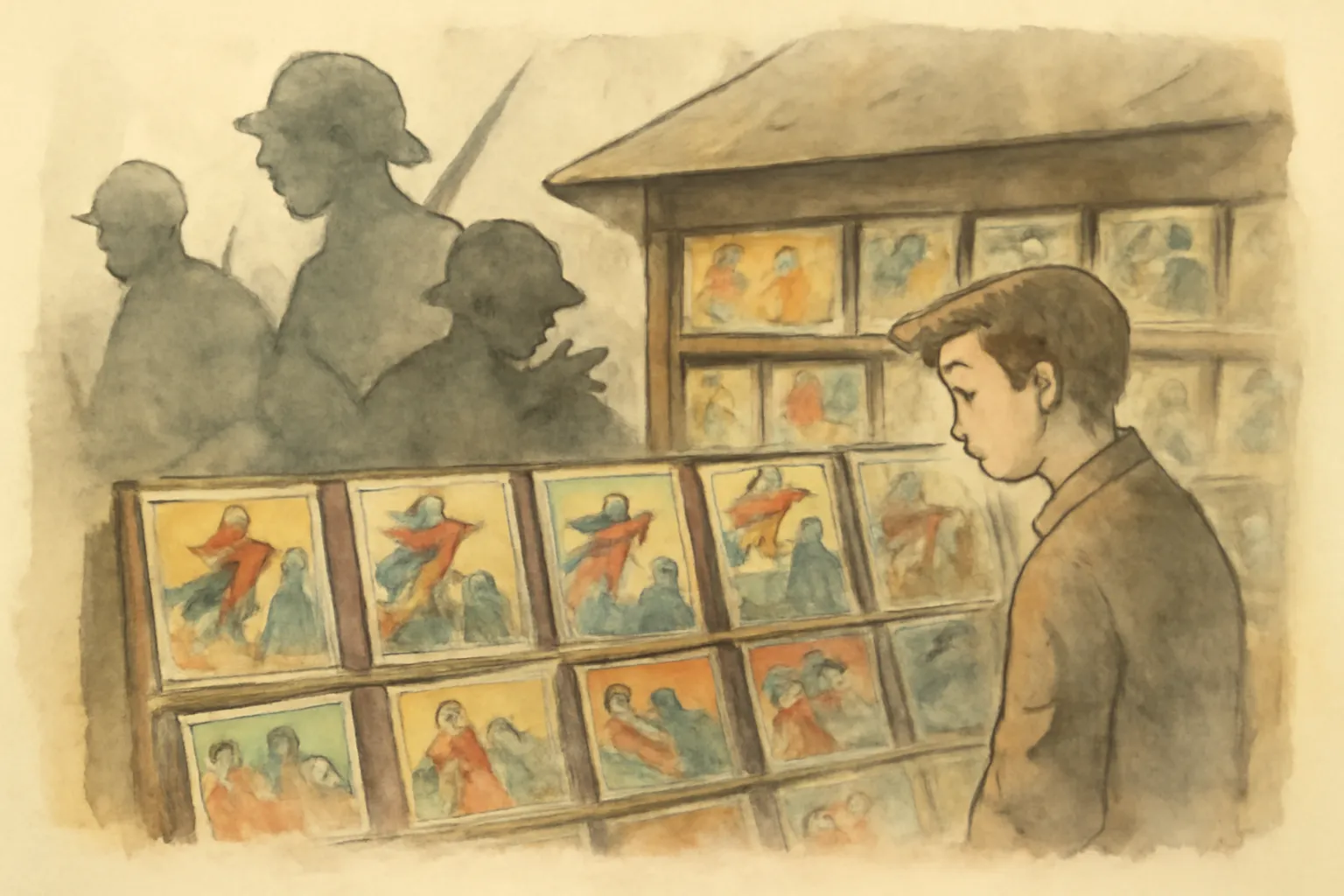
Set during the Golden Age of comics, the novel is a love letter to the medium’s early days. Chabon explores how comics became a uniquely American form of mythmaking, offering hope, justice, and escape to a generation facing war and uncertainty. The characters’ struggles with exploitation, authorship, and artistic ambition mirror real-life stories from the comic book industry, highlighting the tension between commerce and creativity.
4.The Cost of Secrecy and the Complexity of Identity
Sammy’s journey as a closeted gay man in mid-century America is a poignant subplot that parallels the novel’s broader themes of hidden truths and self-invention. Both cousins conceal parts of themselves—Joe, his survivor’s guilt; Sammy, his sexuality—out of fear and necessity. The narrative probes the costs of secrecy and the longing for authenticity, suggesting that true escape may lie in self-acceptance and connection.
5.Art as Resistance and Healing
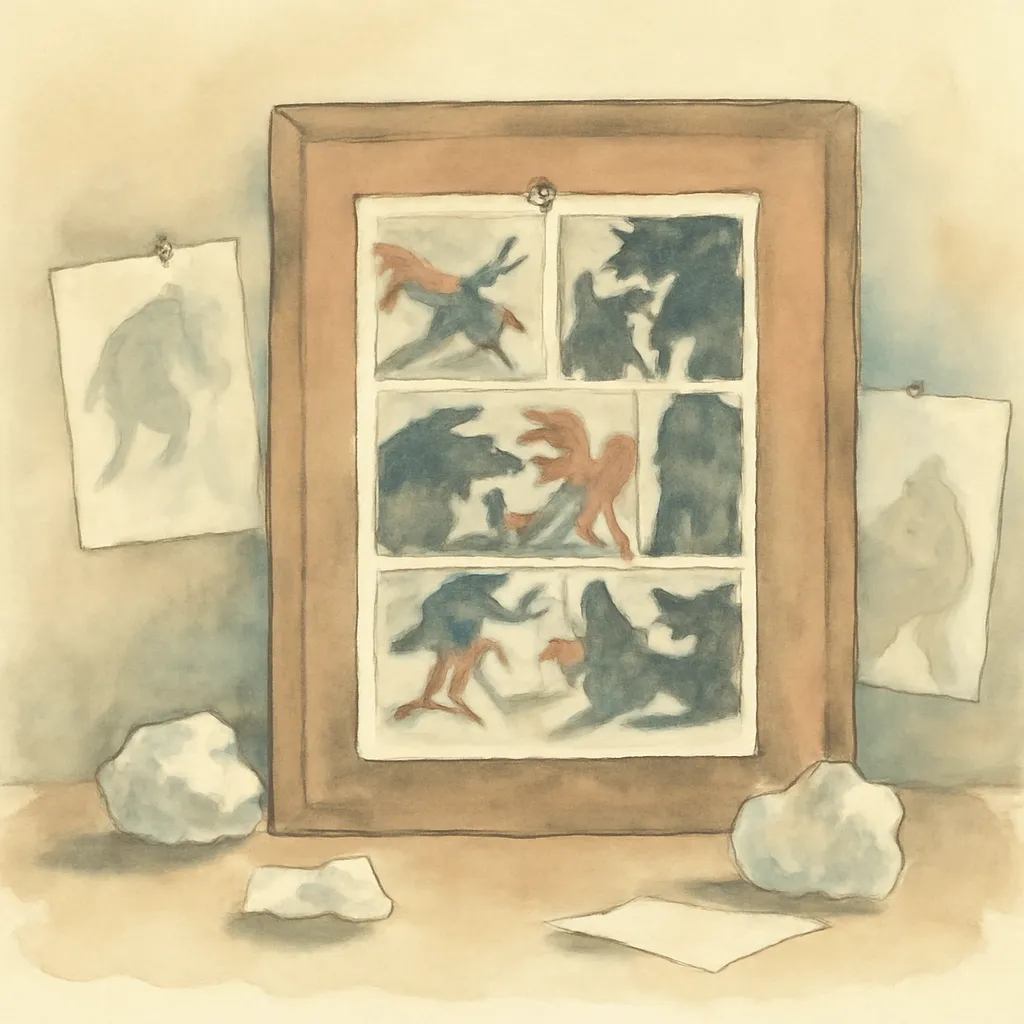
For Joe and Sammy, creating comics is more than a job—it’s a form of resistance, a way to process trauma, and a means of asserting agency in a world that often renders them powerless. The act of storytelling becomes a tool for healing and for fighting back against injustice, both personal and political. Chabon suggests that art, even when commercialized, can be a profound force for good.
6.The Shadow of History
The novel is haunted by the events of World War II and the Holocaust, which shape the characters’ lives and choices. Chabon does not shy away from the horrors of the era, but he also finds moments of hope, humor, and beauty amid the darkness. The story is both a tribute to those who survived and a meditation on the ways history continues to echo in individual lives.