1.Dame Gossip as a Narrative Device

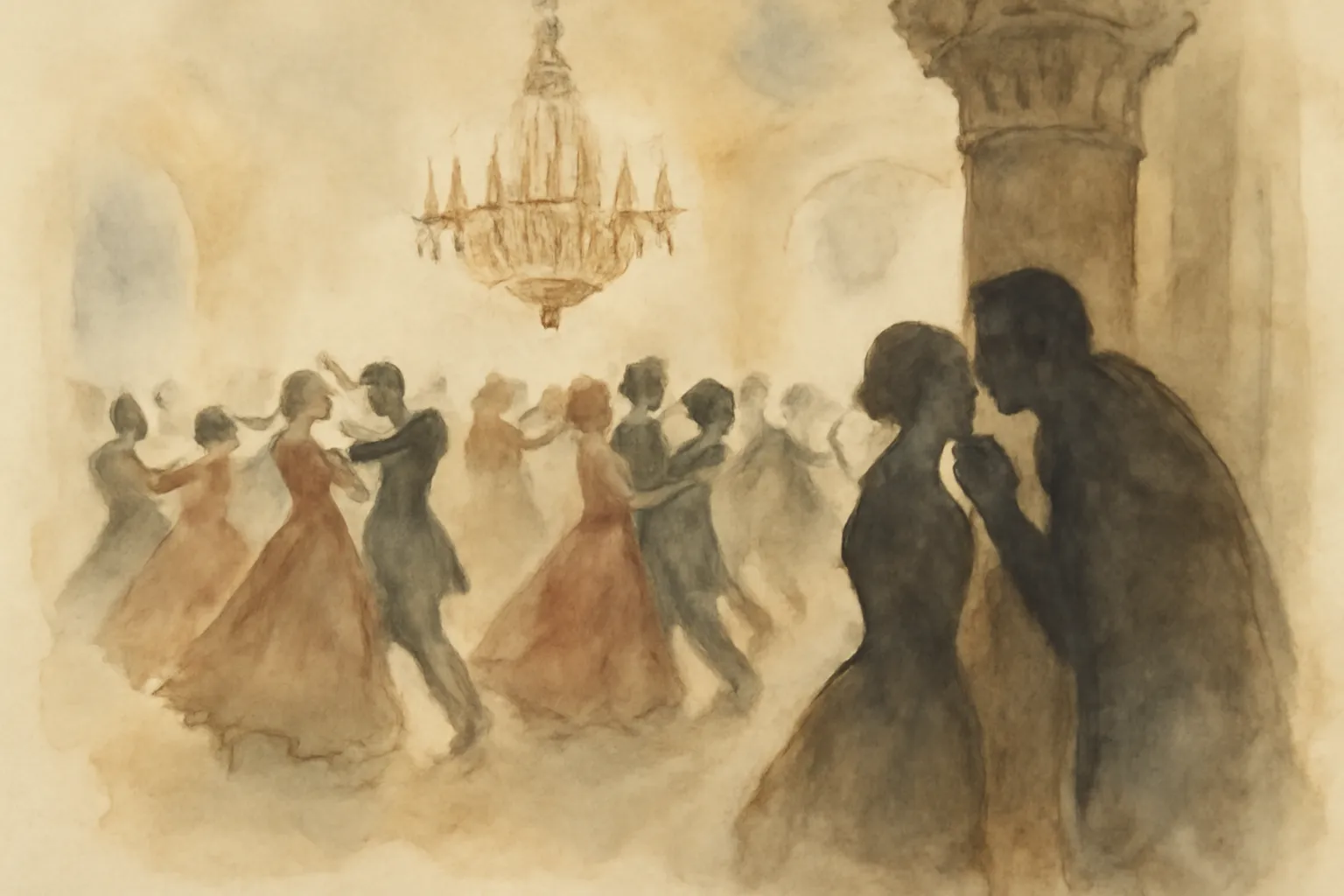
Dame Gossip serves as a crucial narrative device, embodying the societal pulse of the time and illustrating how public perception shapes personal lives. Her character introduces the reader to the scandalous undercurrents of aristocratic life, particularly highlighting the elopement of Countess Fanny with Captain Kirby. Through her gossipy lens, Meredith critiques the societal obsession with scandal, suggesting that the lives of the wealthy are often reduced to mere entertainment for the masses. This framing invites readers to consider how gossip can distort reality, leading to misunderstandings and misjudgments. For instance, the details surrounding the Countess's elopement reveal not only the excitement of the act itself but also the societal repercussions that follow, illustrating the tension between personal desires and public scrutiny. The use of gossip as a narrative thread allows Meredith to engage readers with the drama of the narrative while reinforcing the idea that lives can be shaped by mere whispers.
2.The Countess of Cressett: A Study in Contradictions

Countess Fanny is portrayed as a complex character, embodying both the allure and the burdens of beauty and privilege. Renowned for her stunning looks and vivacious spirit, she captivates both her admirers and critics. Yet, her elopement with a man of dubious reputation, Captain Kirby, complicates her narrative, transforming her from a celebrated socialite into a subject of scandal. This duality highlights the societal expectations placed on women, where beauty is both a gift and a curse. Meredith crafts her character to reflect the struggles many women face in navigating their desires against societal norms. Fanny's journey raises questions about autonomy and the sacrifices one must make for love, ultimately depicting her as both a victim of circumstance and a woman asserting her agency. Even her interactions with powerful men reflect a push and pull between dependence and independence, illustrating the ways in which her beauty is both an asset and a source of vulnerability in her pursuit of happiness.
3.The Role of Male Characters: Chivalry vs. Self-Interest

The male characters in 'The Amazing Marriage' oscillate between chivalric ideals and self-serving motives, creating a rich tapestry of masculinity in the narrative. Lord Levellier, Fanny’s brother, exemplifies the protective brother archetype, yet his actions are tinged with a desire for control over Fanny's choices. He embodies the conflicting emotions of love and possessiveness, demonstrating how societal norms dictate the behavior of men in familial relationships. Captain Kirby, on the other hand, represents the archetypal rogue, whose charm masks a deeper self-interest. This juxtaposition allows Meredith to explore the varying degrees of masculinity, questioning the integrity of each character's intentions. For instance, while Levellier's protective nature is commendable, it also reveals a possessive side that undermines Fanny's autonomy. Similarly, Kirby's allure is eventually overshadowed by his reckless pursuit of pleasure, bringing into question the true nature of his love for Fanny. Through these male characters, Meredith critiques the societal constructs of masculinity and the often conflicting motivations that drive men's actions, suggesting that the journey of each male character is one of self-discovery framed by societal constraints.
4.Marriage as a Social Contract

Meredith presents marriage not merely as a romantic union but as a complex social contract laden with expectations and obligations. This is particularly evident in the dynamics between the Countess and her husband, Lord Fleetwood. Their union is marked by societal approval, yet it lacks the emotional depth that true love demands. The narrative suggests that marriages often prioritize social standing over genuine affection, which can lead to disillusionment and conflict. Through the experiences of various couples, including the tumultuous relationship between Fanny and Fleetwood, the author invites readers to question the validity of a marriage built on societal norms rather than mutual love and respect. Fleetwood’s ambition and desire for status drive him to marry Fanny, yet he is portrayed as emotionally unfulfilled and disconnected. This complex portrayal of marriage exposes the shortcomings of traditional societal structures and highlights the need for authenticity in relationships, which is often absent in the marriages of the upper class. The push for social alignment overshadows true compatibility, prompting readers to ponder the essence of love within the institution of marriage.
5.The Intersection of Class and Love

The story intricately weaves the themes of class and love, showcasing how societal hierarchies impact personal relationships. The elopement of Countess Fanny with Captain Kirby, a man of lower social standing, challenges the rigid class structures of their time. Meredith uses this romance to highlight the tension between societal expectations and personal desires, suggesting that true love often transcends class boundaries. However, the repercussions of their union illustrate the harsh realities of defying societal norms. Fanny's choice to pursue her love leads to scandal and social ostracism, reflecting the sacrifices one must make for love in a class-conscious society. This exploration of the interplay between class and romance also raises the question of whether love can flourish in an environment steeped in materialism and class distinctions. The emotional costs of such cross-class romances are poignantly illustrated, as both Fanny and Kirby must navigate not only their feelings for each other but also the judgment they face from society, making their love a battleground of social conscience.
6.The Influence of Setting on Character Development

The settings in 'The Amazing Marriage' play a pivotal role in shaping character development and enhancing the narrative's emotional depth. From the opulent ballrooms of aristocratic society to the misty mountains of Carinthia, each location reflects the characters' internal struggles and aspirations. For instance, the contrast between the grandeur of high society and the natural beauty of the mountains serves to underscore Fanny's longing for freedom and authenticity. Meredith skillfully uses these settings to evoke emotions, creating a sense of longing and nostalgia that permeates the narrative. The mountains, in particular, symbolize both a physical and emotional escape for Fanny, representing her desire to break free from societal constraints. This interplay between setting and character enriches the story, offering readers a deeper understanding of the characters' motivations and desires. The varied landscapes mirror the tumult of Fanny's heart, reinforcing the idea that one’s environment can heavily influence emotional states and contribute to personal transformations.
7.Friendship and Loyalty: The Bonds that Bind

Friendship and loyalty emerge as significant themes throughout the narrative, highlighting the importance of support systems in navigating life's challenges. The bond between Fanny and her brother, Lord Levellier, is characterized by a mix of protection and conflict, illustrating the complexities of familial loyalty. While Levellier's intentions stem from a place of love, they often conflict with Fanny's pursuit of happiness. Meanwhile, the friendships formed among the various characters serve as a source of strength and comfort, particularly in times of crisis. Meredith emphasizes that true friendship transcends social boundaries, as seen in the solidarity displayed by characters like Henrietta and Madge. Their unwavering loyalty to Fanny during tumultuous times underscores the crucial role of friendship in providing emotional support. Through these interactions, the author underscores the value of loyalty and the significance of having allies in a world fraught with challenges, illustrating how deep connections can help individuals navigate the complexities of love and societal expectations.
8.The Power of Letters: Communication and Miscommunication

Letters serve as a vital communication tool in 'The Amazing Marriage,' illustrating the complexities of human relationships and the potential for miscommunication. Through the exchange of letters, Meredith explores the characters' innermost thoughts and emotions, revealing their vulnerabilities and desires. However, these written words also highlight the misunderstandings that arise from misinterpretation, leading to conflict and tension. For example, Henrietta's letter detailing the events of the grand ball reflects both the excitement and the underlying anxieties of her relationships. This emphasis on correspondence illustrates the importance of clear communication in maintaining relationships, while also acknowledging the limitations that language imposes. The use of letters as a narrative device invites readers to consider how communication shapes their understanding of love and connection, revealing that the written word can bridge distances, yet also create gaps when intentions are not fully expressed. The characters' reliance on letters mirrors the real-world importance of open dialogue in fostering genuine relationships.
9.The Impact of Scandal on Reputation
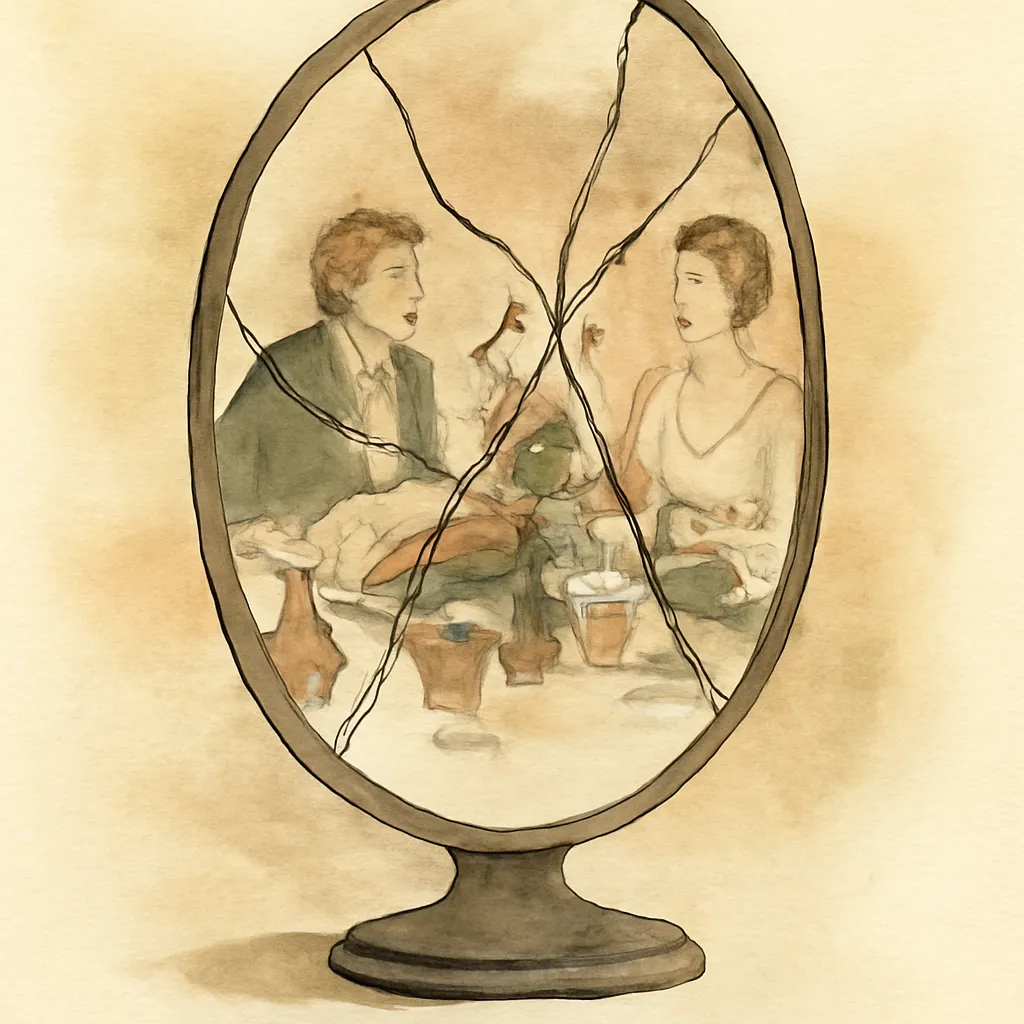
Scandal plays a central role in shaping the narrative of 'The Amazing Marriage,' significantly impacting the characters' reputations and relationships. The elopement of Countess Fanny with Captain Kirby becomes a public spectacle, illustrating how societal judgment can undermine personal happiness. Meredith captures the swift spread of gossip, reflecting the era's fascination with scandal and the consequences it has on individuals' lives. Fanny's reputation suffers as a result of her choices, leading to social ostracism and personal turmoil. This exploration of scandal serves as a commentary on the fragility of reputation in a society that prioritizes appearances over authenticity. The narrative invites readers to reflect on the role of scandal in their own lives, emphasizing the importance of integrity and the potential for redemption. The repercussions of scandal illustrate the harsh realities individuals face when their actions challenge societal norms, making it a powerful force within the story that shapes character arcs and drives the plot forward.
10.Redemption and Forgiveness: The Path to Healing

Throughout 'The Amazing Marriage,' themes of redemption and forgiveness emerge as characters grapple with their past choices and seek healing. Fanny's journey is marked by moments of self-discovery and growth, as she confronts the consequences of her actions. Meredith illustrates that the path to redemption is often fraught with challenges, requiring vulnerability and introspection. The relationships between characters also evolve, as forgiveness becomes a necessary component of healing. For instance, the reconciliation between Fanny and her brother highlights the resilience of familial bonds, even in the face of betrayal. This exploration of redemption emphasizes the potential for growth and transformation, encouraging readers to consider the power of forgiveness in their own lives. Ultimately, Meredith conveys that while the road to healing can be difficult, it is also rich with opportunities for renewal, underscoring the resilience of the human spirit in the face of societal pressures and personal trials.