1.Fact, Fiction, and the Power of Belief
Jay Anson’s narrative is presented as a true account of the Lutz family’s ordeal, yet the book’s legacy is inseparable from questions about its authenticity. The story’s power lies in its ambiguity—readers are left to decide whether the events are supernatural fact, psychological projection, or outright fabrication. This tension between belief and skepticism is central to the book’s enduring appeal, highlighting how stories can take on a life of their own when fear and uncertainty are involved.
2.Domestic Space as a Site of Terror
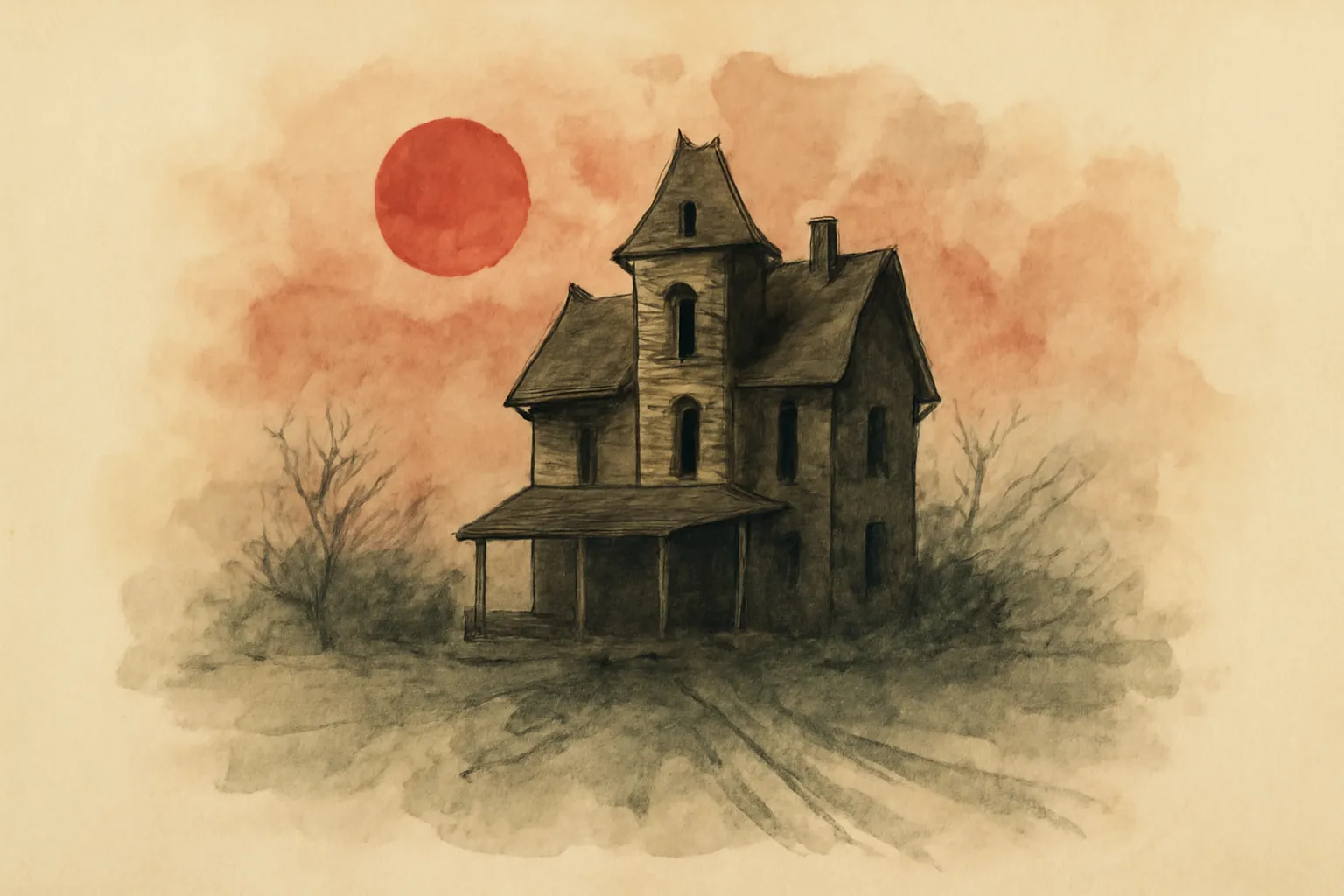
The Amityville Horror transforms the archetypal American dream home into a place of dread, upending the idea that domestic spaces are inherently safe. By chronicling the Lutz family’s descent into terror within their own house, Anson taps into primal anxieties about vulnerability, trust, and the unknown lurking behind familiar walls. The book’s horror is amplified by its setting—what should be a sanctuary becomes a prison.
3.Media Sensation and Cultural Impact
Upon publication, The Amityville Horror became a media phenomenon, spawning sequels, films, and endless debate. Its success reflects the American fascination with haunted houses and true crime, but also demonstrates how stories—regardless of their veracity—can shape public consciousness. The book’s influence on horror media is profound, setting a template for the ‘based on a true story’ genre that blurs entertainment and reportage.
4.The Psychology of Fear and Suggestion
Anson’s account meticulously details the Lutz family’s psychological unraveling, illustrating how fear can be contagious and self-reinforcing. The narrative explores how suggestion, stress, and group dynamics can escalate ordinary events into full-blown terror. This psychological dimension is as important as the supernatural claims, prompting readers to consider how belief shapes perception and experience.
5.Ethics and Exploitation in Storytelling
The book’s publication led to lawsuits and accusations of exploitation, raising questions about the ethics of profiting from tragedy—real or imagined. The blending of real-life crime (the DeFeo murders that preceded the Lutzes’ arrival) with sensationalized haunting invites scrutiny of how stories are constructed, marketed, and consumed. Readers are challenged to reflect on their own complicity in the cycle of sensationalism.