1.The Rise of Alexander: From Heir to Conqueror

Alexander the Great ascended to the throne at the age of twenty after the assassination of his father, Philip II. His immediate challenge was to consolidate power and suppress potential rebellions, particularly from city-states like Thebes and Athens. Arrian illustrates how Alexander swiftly moved to assert his authority, first by quelling dissent among the Thracians and Illyrians before embarking on his grand campaign against Persia. His military prowess was evident as he led his forces into battle, demonstrating courage and tactical acumen that would become hallmarks of his reign. Notably, his ability to inspire loyalty among his troops was pivotal; he was not merely a king but a commander who fought alongside his men, fostering a sense of unity and purpose. This early phase of his rule set the stage for the vast conquests that would follow, showcasing the blend of military strategy and personal charisma that defined Alexander's leadership.
2.The Battle of Granicus: A Strategic Masterclass
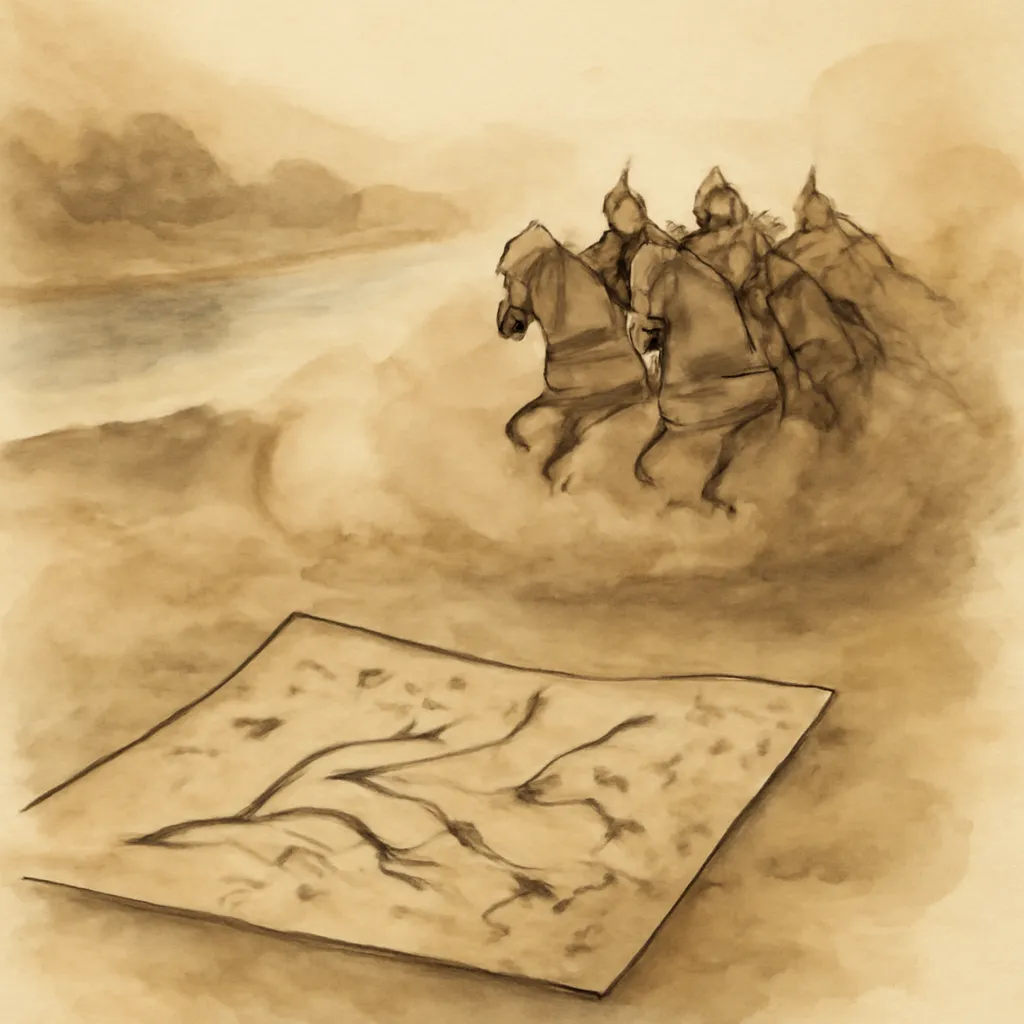
The Battle of Granicus marked Alexander’s first significant engagement against the Persian forces in 334 BC. Arrian provides a detailed account of how Alexander, despite being outnumbered, employed strategic formations and surprise tactics to outmaneuver the Persian cavalry. He divided his forces into a double phalanx, leading the cavalry on the wings while positioning the infantry at the center. This arrangement allowed him to launch a decisive assault across the river Granicus, where he faced fierce resistance. The battle exemplified Alexander's tactical brilliance; he encouraged his troops to engage the enemy with fervor, emphasizing the importance of discipline and cohesion in combat. The Macedonian forces ultimately achieved a resounding victory, which not only bolstered Alexander’s reputation but also sent a clear message to the Persian Empire about the formidable prowess of his army. This battle was crucial in establishing Alexander’s foothold in Asia Minor and set the tone for his subsequent campaigns.
3.The Siege of Tyre: A Test of Will
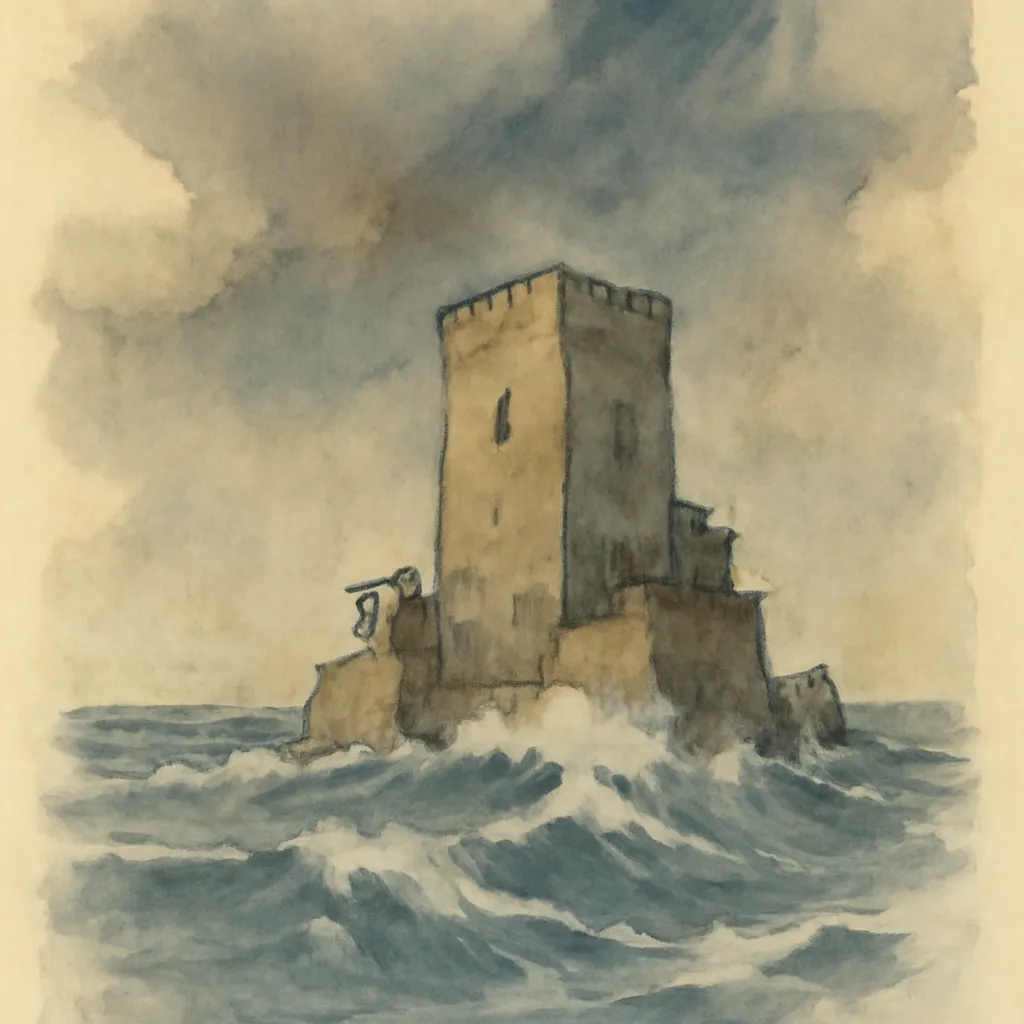
The Siege of Tyre in 332 BC stands out as one of Alexander's most challenging military endeavors. Arrian details the extensive preparations required for this protracted siege, which lasted seven months. Tyre, an island city with formidable defenses, posed unique obstacles; its walls were thick, and the sea provided a natural barrier. Alexander's determination was evident as he constructed a causeway to breach the city's defenses, showcasing his innovative thinking and engineering skills. The siege tested not only his military tactics but also the resolve of his troops, who faced harsh conditions and the psychological strain of a drawn-out conflict. Ultimately, the fall of Tyre marked a pivotal moment in Alexander's campaign, granting him control over the eastern Mediterranean and demonstrating his ability to overcome seemingly insurmountable challenges. This victory not only expanded his empire but also solidified his status as a formidable conqueror in the eyes of both allies and adversaries.
4.Cultural Exchanges and the Spread of Hellenism
Arrian emphasizes the cultural impact of Alexander's conquests, particularly the spread of Hellenism throughout the regions he conquered. As Alexander marched through Persia and into the heart of Asia, he encouraged the fusion of Greek and local cultures, promoting trade, art, and philosophy. His founding of cities, most notably Alexandria in Egypt, served as bastions of Greek culture and governance. These cities became melting pots where Greek ideas mingled with local traditions, fostering a rich cultural dialogue that would influence future generations. Arrian illustrates how Alexander's vision extended beyond mere conquest; he aimed to create a unified empire where diverse cultures could coexist and thrive. This cultural exchange not only enriched the regions under his control but also laid the groundwork for the Hellenistic period, which would see the continued spread of Greek influence long after Alexander's death.
5.The Complexity of Leadership: Allies and Enemies

Throughout his campaigns, Alexander navigated a complex web of alliances and enmities that shaped his military and political strategies. Arrian highlights key figures such as Darius III, the Persian king, and various local rulers who either opposed or supported Alexander’s ambitions. The relationship between Alexander and his generals, including Parmenio and Hephaestion, reveals the intricate dynamics of loyalty, jealousy, and rivalry within his ranks. Arrian shows how Alexander's decisions were often influenced by the need to maintain the loyalty of his men while also managing the expectations of conquered peoples. His treatment of captured leaders, such as Darius's family, reflects a calculated approach to governance; by showing kindness and respect, he sought to win over the hearts and minds of those he conquered. This multifaceted approach to leadership underscores the challenges Alexander faced in building an empire and the delicate balance he maintained between power and diplomacy.
6.The Psychological Warfare of Alexander
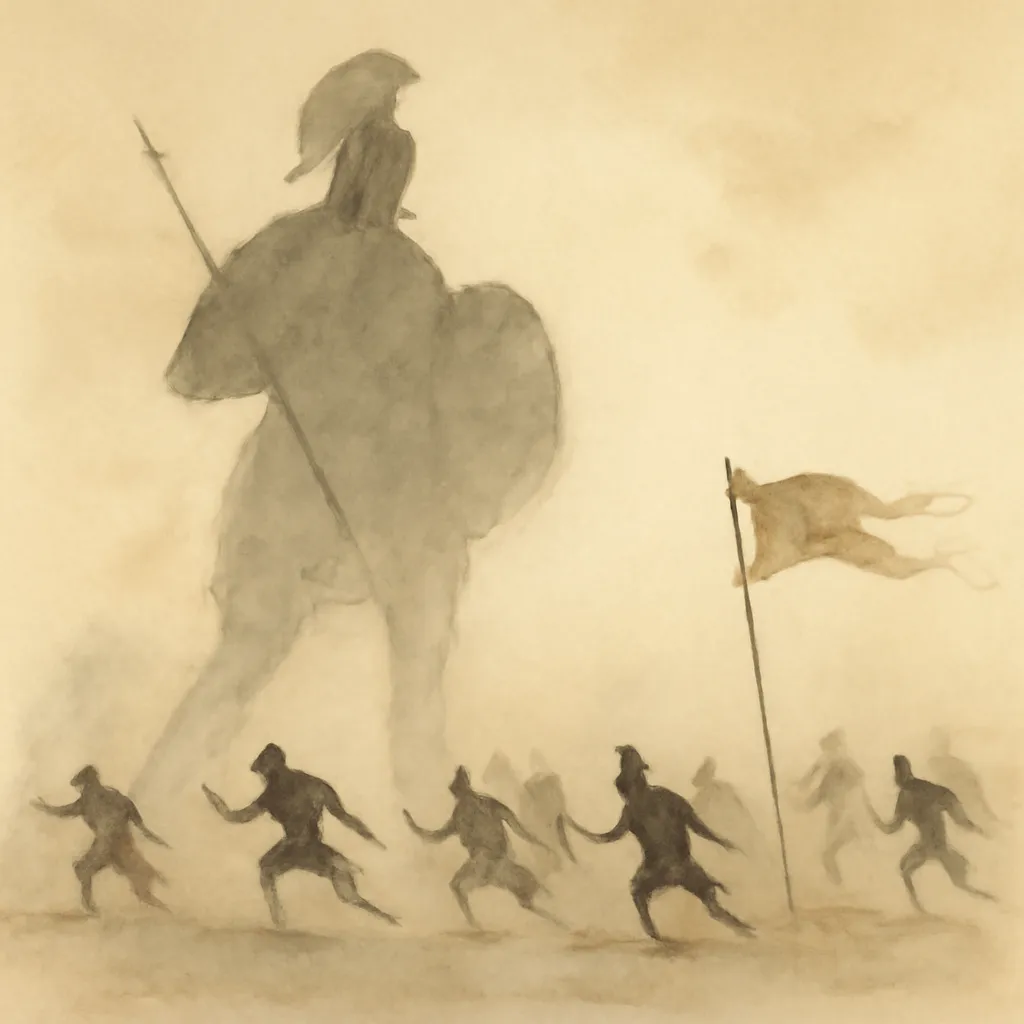
Arrian discusses the psychological aspects of warfare that Alexander employed to demoralize his enemies and bolster the confidence of his troops. His reputation as an invincible warrior played a crucial role in his campaigns; the mere sight of his forces often caused opponents to falter. Arrian notes specific instances where Alexander's audacious tactics, such as surprise attacks and rapid maneuvers, instilled fear in his adversaries. For example, during the siege of Halicarnassus, Alexander's aggressive tactics not only showcased his military skill but also served to intimidate the local populace and deter potential allies of the Persians. This psychological warfare was complemented by his personal charisma and ability to inspire loyalty among his troops, creating an aura of invincibility that contributed to his success on the battlefield. Arrian's narrative illustrates how Alexander's understanding of the mental aspects of warfare was as important as his physical strategies.
7.The Tragedy of Clitus: Loyalty and Conflict
The murder of Clitus the Black, a loyal companion of Alexander, serves as a poignant moment in Arrian's account, highlighting the darker aspects of Alexander's character and leadership. During a banquet, a heated argument between Clitus and Alexander escalated, resulting in Alexander's impulsive decision to kill his friend. This tragic event underscores the tensions that arose from Alexander's relentless pursuit of power and the pressures of leadership. Arrian portrays Alexander as a complex figure torn between his ambition and the bonds of loyalty he forged with his companions. The aftermath of Clitus's death revealed the emotional turmoil that plagued Alexander, as he mourned the loss of a valued friend and questioned his actions. This incident illustrates the personal sacrifices and moral dilemmas inherent in leadership, emphasizing that even great conquerors are not immune to the consequences of their choices.
8.The Battle of Arbela: The Turning Point
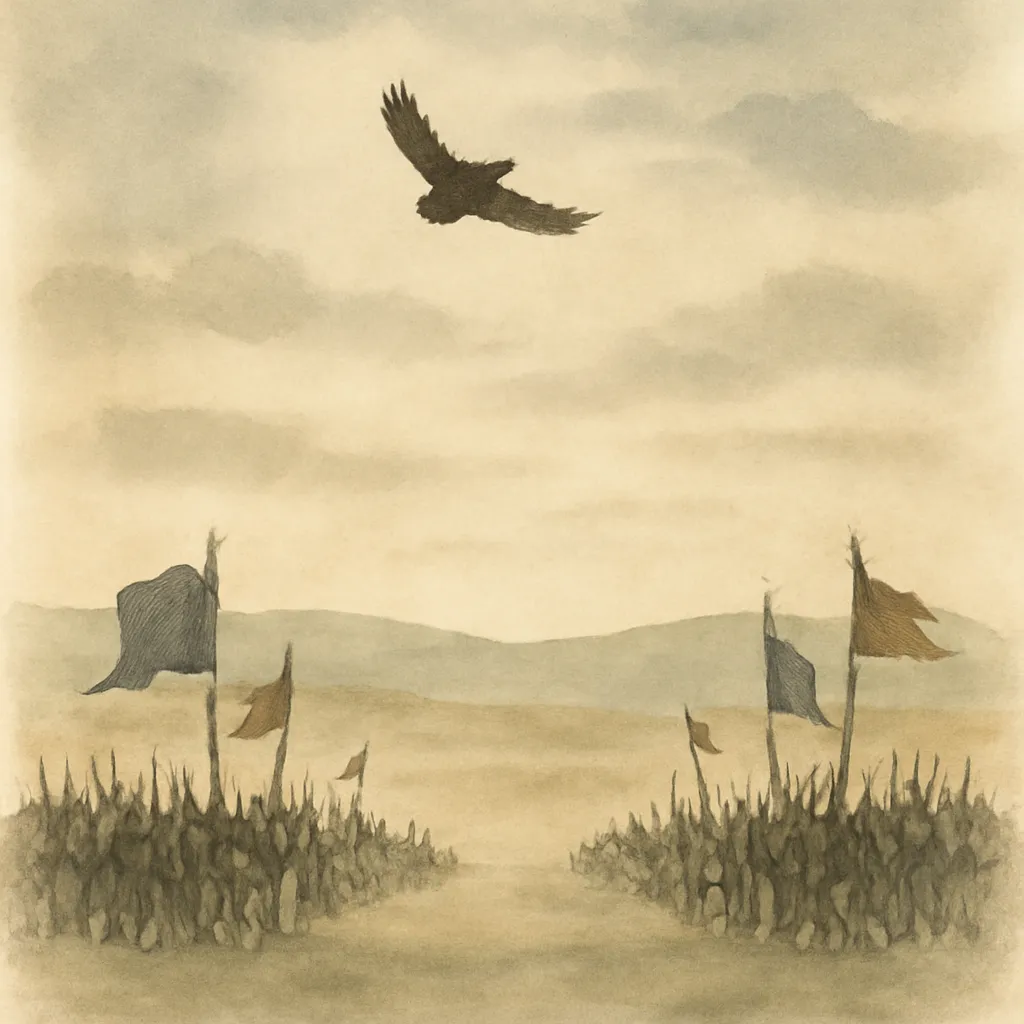
The Battle of Arbela in 331 BC stands as a defining moment in Alexander's campaign against Persia. Arrian provides a detailed analysis of the battle strategy employed by both Alexander and Darius III. Alexander's forces, although outnumbered, utilized superior tactics and the element of surprise to their advantage. He arranged his troops in a way that maximized their effectiveness, employing a combination of cavalry and infantry to create a formidable fighting force. The battle was marked by fierce combat, with both sides suffering significant losses. However, Alexander's disciplined and experienced troops ultimately triumphed, leading to the collapse of the Persian defenses. Arrian emphasizes the significance of this victory, as it not only solidified Alexander's control over Persia but also showcased his military genius and ability to inspire his men. The aftermath of Arbela marked a turning point in history, as it led to the downfall of the Persian Empire and the rise of Alexander as a dominant power in the ancient world.
9.Alexander's Vision of Unity: Marriages and Alliances
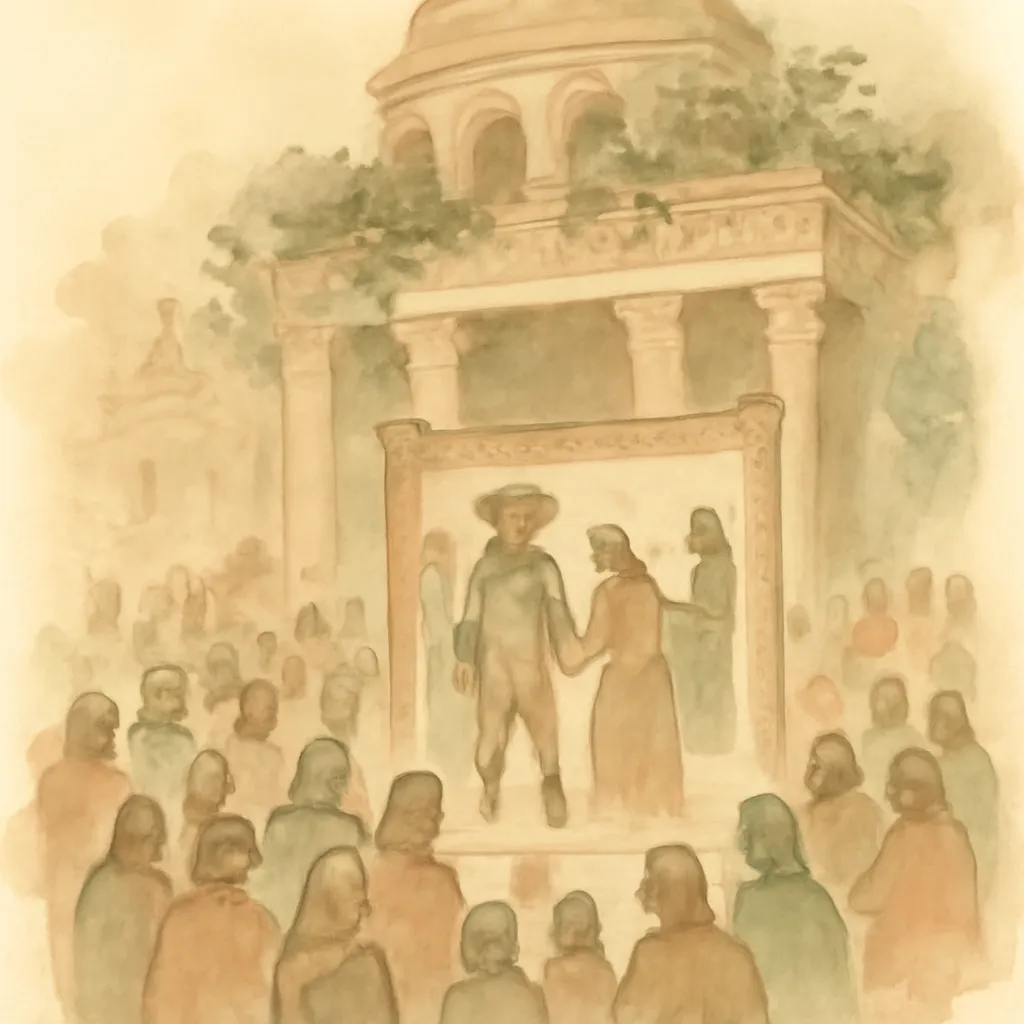
In a bid to unify his diverse empire, Alexander sought to forge marriages and alliances with local rulers and peoples. Arrian details how Alexander married Roxana, a Bactrian princess, as a strategic move to strengthen ties with the region. This approach extended beyond personal relationships; Alexander encouraged his soldiers to marry local women, promoting cultural integration and loyalty among his troops. Arrian highlights the significance of these unions as a means to solidify Alexander's rule and create a sense of shared identity among his subjects. By embracing local customs and promoting intermarriage, Alexander aimed to transcend cultural barriers and foster a sense of unity within his empire. This vision of inclusivity was ambitious, reflecting Alexander's desire to create a lasting legacy that would endure beyond his conquests. However, it also faced resistance from his Macedonian followers, illustrating the complexities of governance in a multicultural empire.
10.The Legacy of Alexander: Conqueror or Visionary?
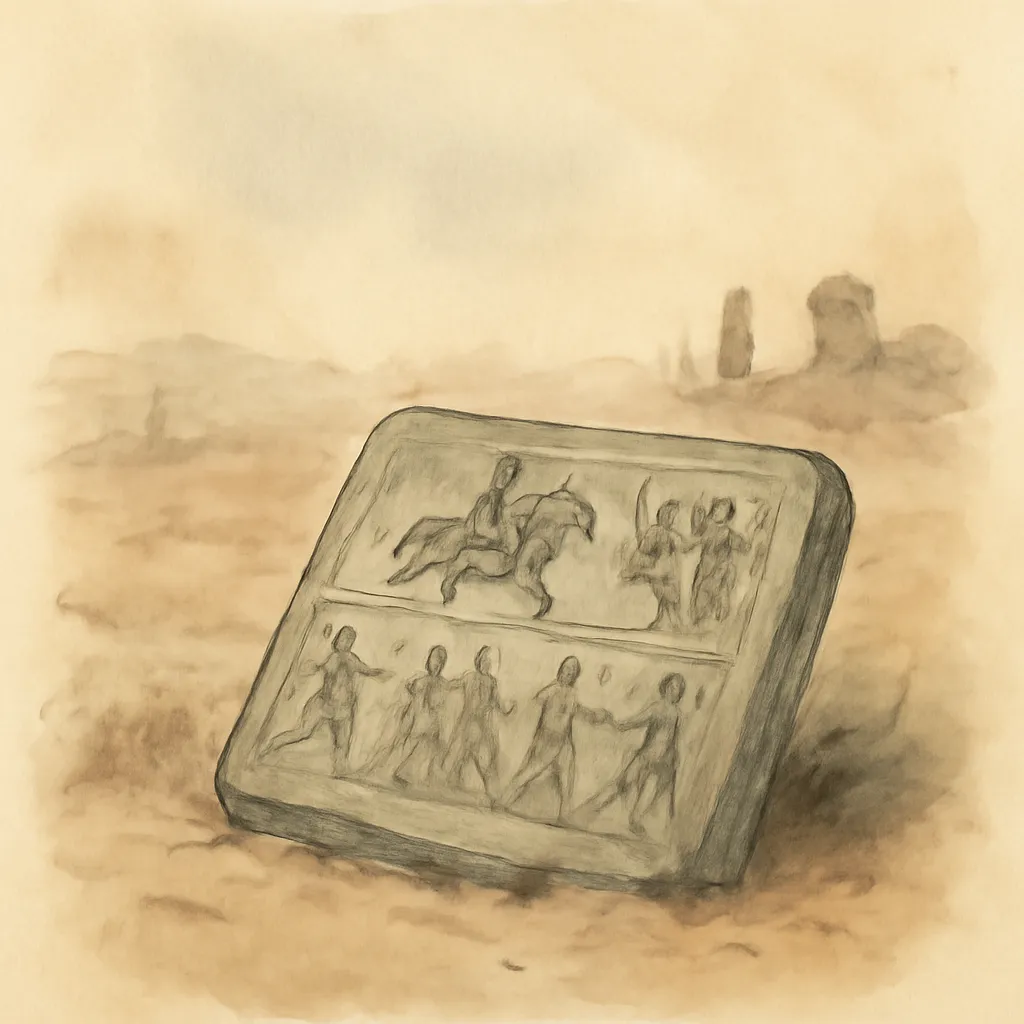
Arrian's narrative invites readers to reflect on Alexander's legacy as both a conqueror and a visionary. While his military achievements are undeniable, the impact of his conquests on the cultures and societies he encountered is equally significant. Arrian emphasizes the spread of Hellenistic culture, which blended Greek and Eastern influences, shaping the course of history long after Alexander's death. This cultural legacy is evident in the cities he founded, the ideas he propagated, and the interactions between diverse peoples. However, the question remains: did Alexander's ambition ultimately lead to greater unity or division? Arrian's account suggests a nuanced view of Alexander as a complex figure whose desire for greatness was accompanied by the challenges of governance, cultural integration, and the consequences of war. As readers engage with Arrian's work, they are prompted to consider the multifaceted nature of leadership and the enduring impact of historical figures on the world.