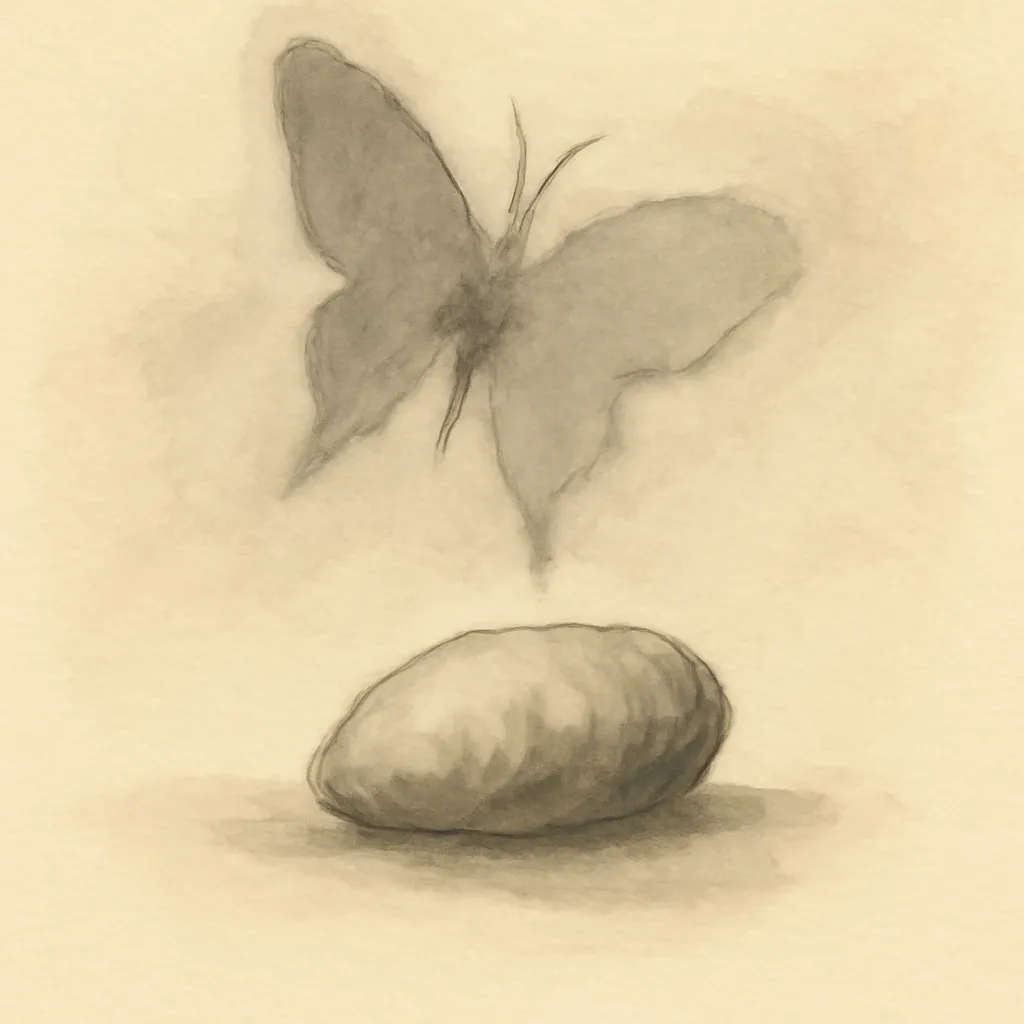
1.The Nature and Power of Hope
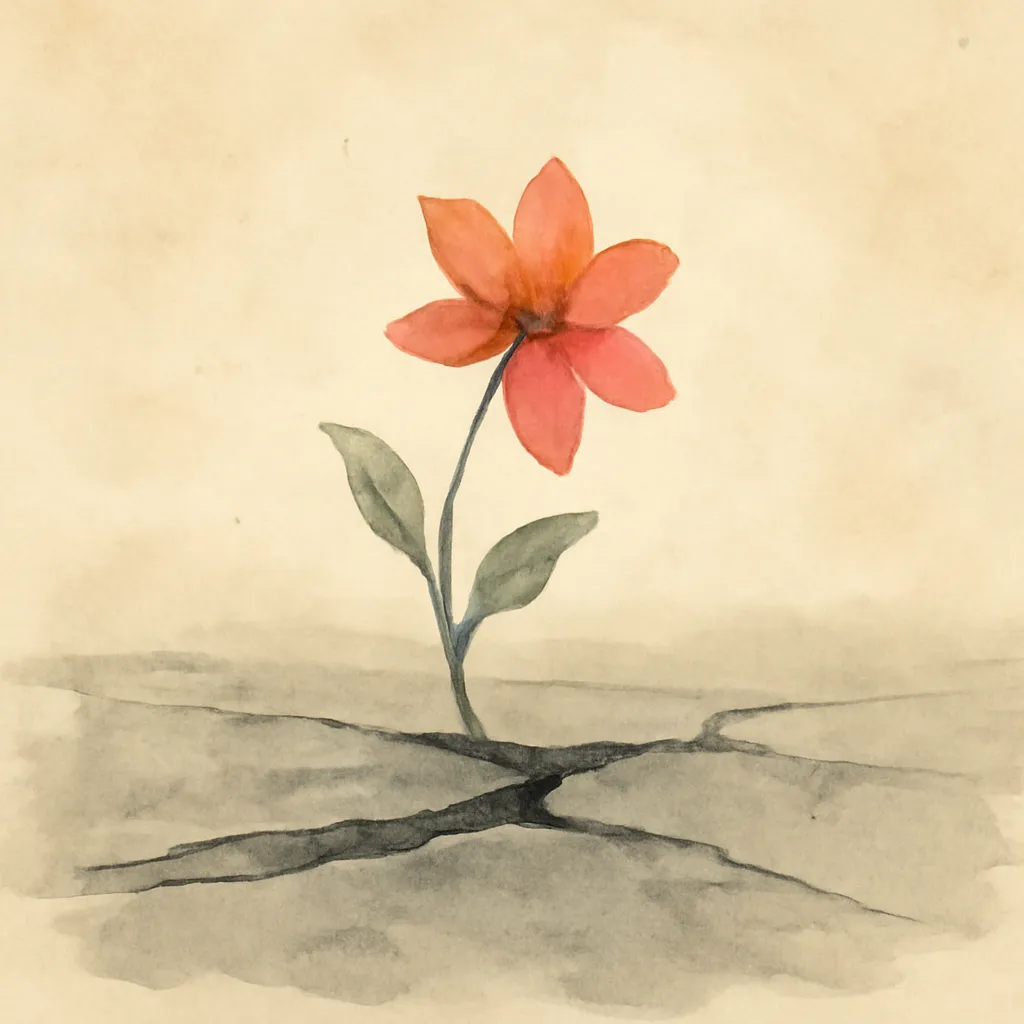
Groopman argues that hope is not merely a passive emotion or naive optimism, but a dynamic force that can influence how people respond to illness. Through patient stories and personal reflection, he distinguishes between genuine hope—which acknowledges reality while still envisioning positive possibilities—and false hope, which denies or distorts reality. The book explores how real hope can motivate patients to pursue treatment, endure suffering, and maintain dignity in the face of uncertainty.
2.Hope’s Biological Underpinnings
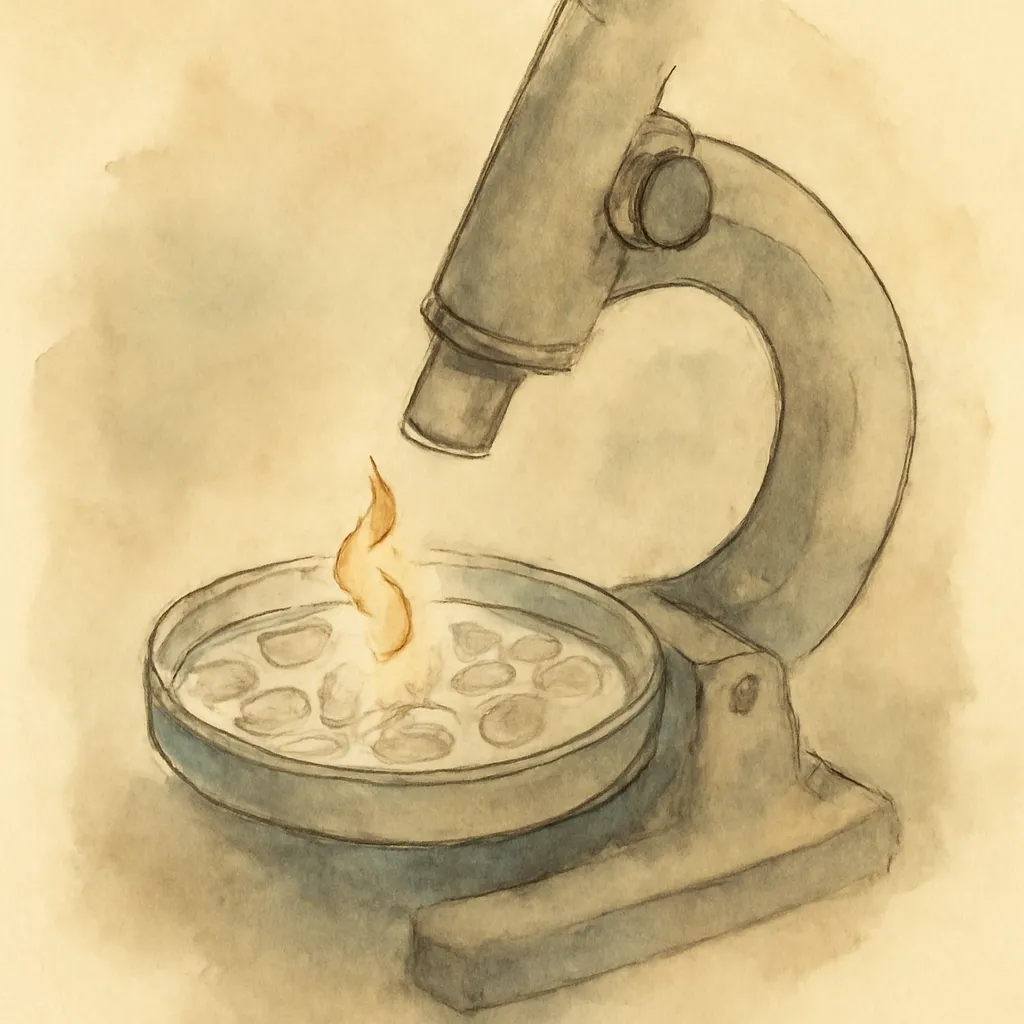
One of the book’s most compelling ideas is that hope is not just psychological, but may have measurable effects on the body. Groopman surveys emerging research suggesting that hope can impact immune function, pain perception, and even recovery rates. He visits laboratories and interviews scientists to probe whether the mind’s expectations and attitudes can truly alter physical outcomes, suggesting a complex interplay between belief and biology.
3.Hope at the Bedside: Doctor-Patient Relationships
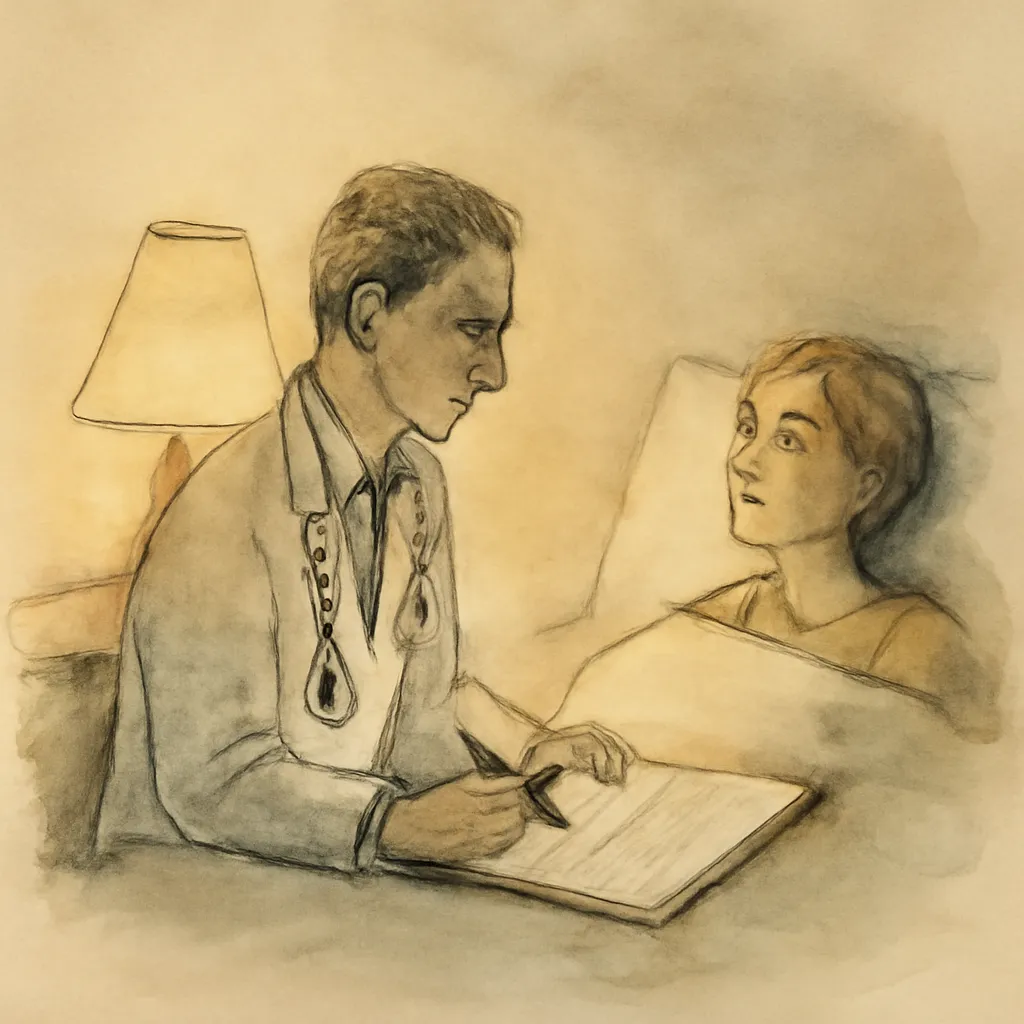
Groopman illustrates how the presence or absence of hope profoundly shapes the doctor-patient relationship. He reflects on his own missteps and growth as a physician, learning that honest communication—neither sugarcoating nor extinguishing hope—is crucial. The book urges clinicians to help patients find realistic hope, tailored to their unique situations, rather than offering false reassurances or blunt pessimism.
4.Distinguishing True Hope from False Hope
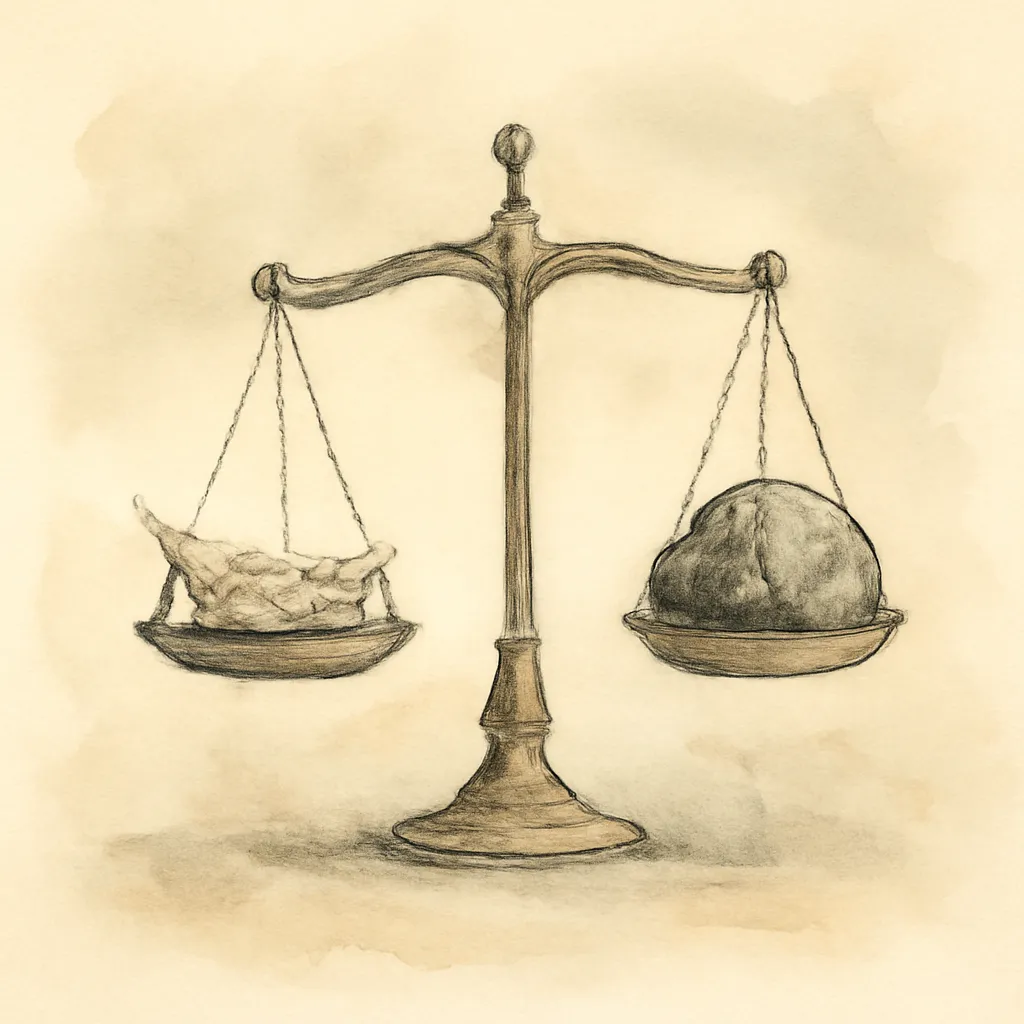
A central theme is the ethical challenge of balancing hope with truth. Groopman shows that false hope, often rooted in denial or misinformation, can be damaging—leading to poor decisions or unnecessary suffering. True hope, by contrast, is grounded in an honest appraisal of the situation, yet leaves room for possibility. This nuanced approach respects patients’ autonomy and emotional needs.
5.Hope’s Limits and Transformations
The Anatomy of Hope does not romanticize hope as a cure-all. Groopman acknowledges that hope can fade or change form, especially in terminal illness. Sometimes, hope shifts from cure to comfort, from prolonging life to finding meaning or peace. The book explores how patients and families navigate these transitions, and how hope can be redefined in the face of loss.
6.Hope as a Universal Human Need
Beyond medicine, Groopman frames hope as a fundamental human drive. He draws on philosophy, literature, and personal experience to argue that hope sustains people through adversity, shapes their choices, and gives life meaning. The book suggests that cultivating hope is not just a medical issue, but a universal challenge and opportunity.