1.Reverse Pilgrimage Through Deep Time
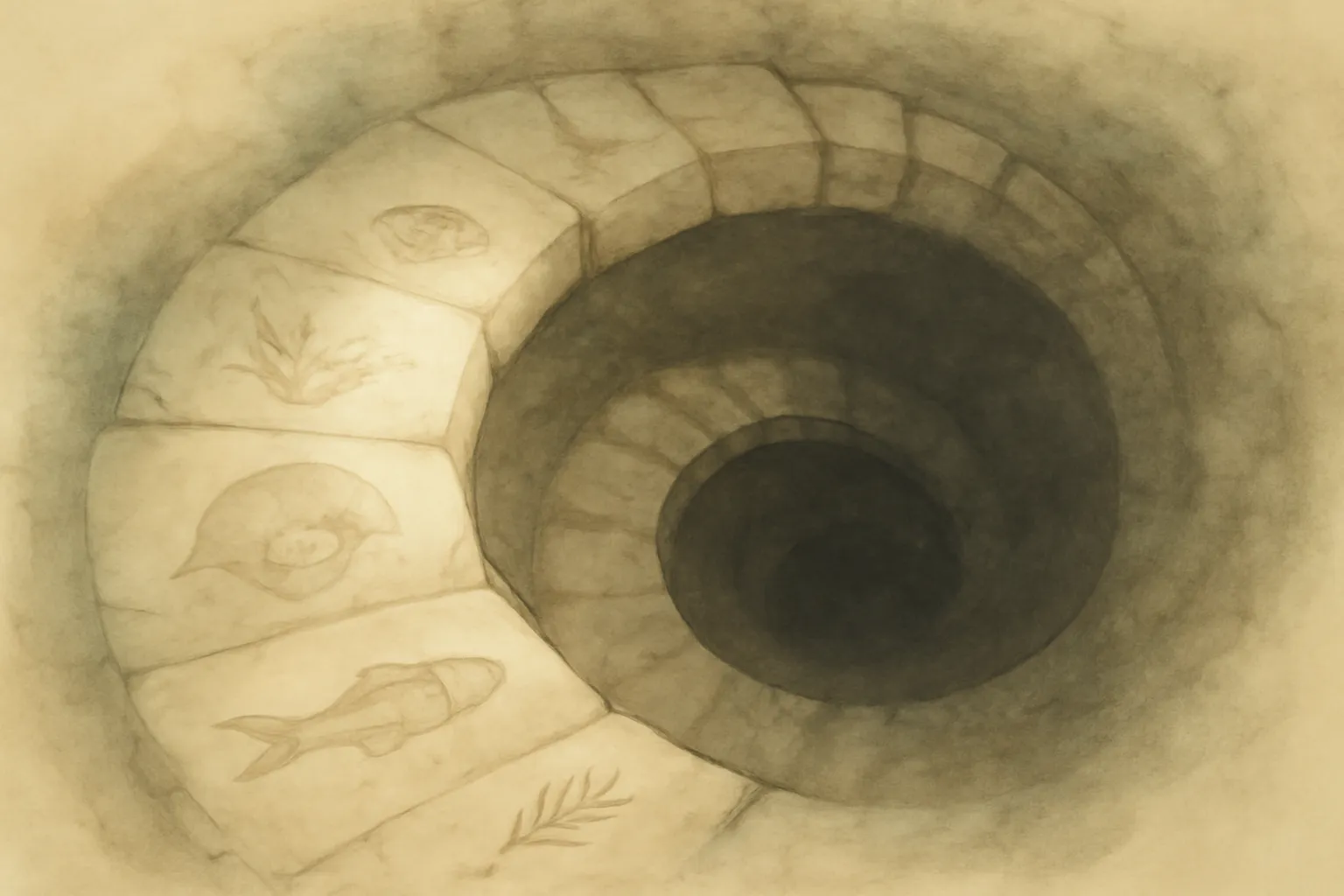
Dawkins structures the book as a journey backward through evolutionary history, inviting readers to travel from modern humans to our earliest ancestors. Along the way, we meet 'concestors'—the most recent common ancestors shared with other species—at various branching points. This narrative device not only makes the complexities of evolutionary relationships more accessible, but also emphasizes the shared heritage of all life.
2.The Tree of Life and Common Descent
Central to the book is the idea that all living organisms are connected through a vast tree of life. Dawkins explains how genetic and fossil evidence reveals the branching patterns of evolution, showing that every species, from bacteria to humans, shares common ancestors if we go back far enough. This perspective challenges the notion of human uniqueness and highlights our place within the broader tapestry of life.
3.Evolution as a Story of Gradual Change
Dawkins illustrates how evolution operates through countless small changes accumulating over immense spans of time. He dispels misconceptions about sudden leaps or 'missing links,' showing instead how gradual modifications lead to the diversity of life we see today. This approach helps readers understand why evolutionary transitions can be hard to spot and why the fossil record appears patchy.
4.The Power of Evidence and Scientific Reasoning
Throughout the book, Dawkins emphasizes the importance of evidence in reconstructing evolutionary history. He draws on genetics, paleontology, comparative anatomy, and molecular biology to build a robust case for evolution. By explaining scientific reasoning in accessible terms, he encourages readers to appreciate the rigor and wonder of scientific discovery.
5.Contingency and the Role of Chance
A recurring theme is the role of contingency—how chance events, such as mass extinctions or genetic mutations, have shaped the course of evolution. Dawkins discusses how the history of life is not a preordained march toward humans, but a branching, unpredictable process. This insight fosters humility and a sense of wonder at the improbability of our own existence.
6.Humanity's Place in Nature
By tracing our lineage alongside that of other creatures, Dawkins challenges anthropocentric thinking. He argues that understanding our evolutionary past can foster a deeper respect for other forms of life and a sense of kinship with the natural world. The book ultimately invites readers to reflect on what it means to be human in light of our shared ancestry.