1.The Corrosive Effects of Absolute Power
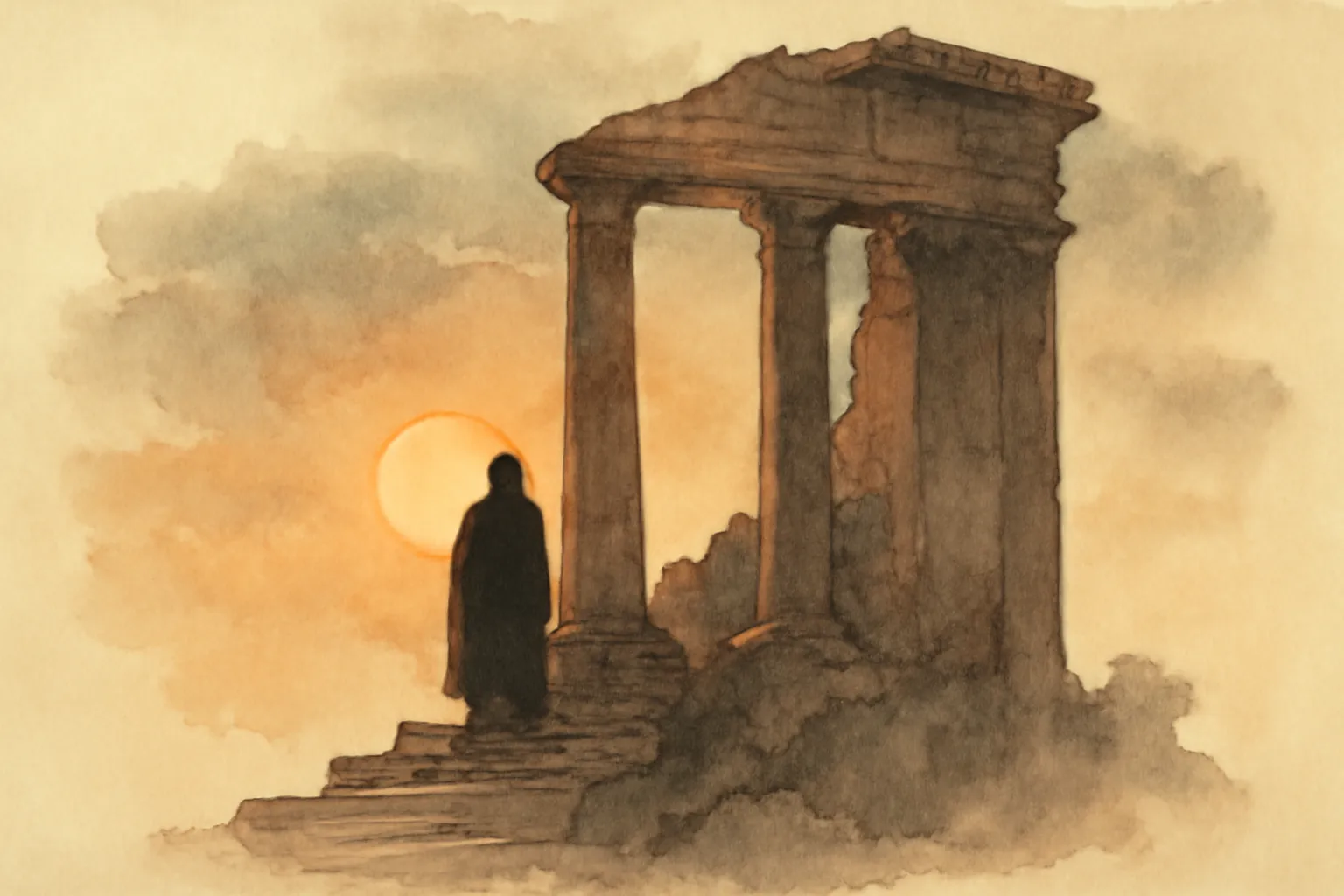
Tacitus explores how unchecked power deforms both rulers and the ruled. The Annals details the reigns of emperors like Tiberius, Caligula, Claudius, and Nero, showing how even well-intentioned leaders can become tyrannical, paranoid, or cruel. Tacitus is fascinated by the way power isolates, tempts, and ultimately corrupts, often leading to violence, suspicion, and betrayal. His narrative suggests that the concentration of authority in one person or family is inherently dangerous, a warning that echoes through history.
2.The Fragility of Political Institutions
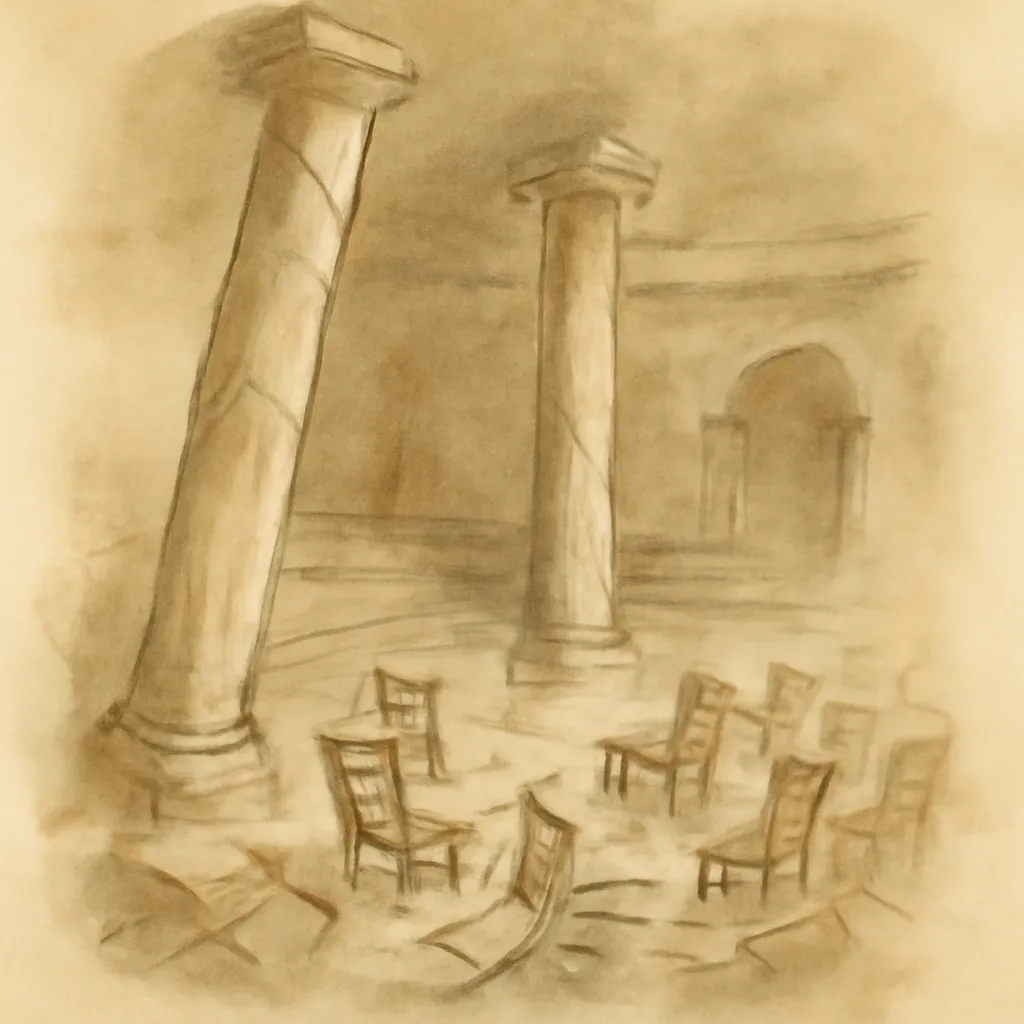
The Annals traces the decline of Rome’s republican traditions under the weight of imperial rule. Tacitus documents the erosion of the Senate’s power, the manipulation of laws, and the use of treason trials to eliminate rivals. He is keenly aware of how institutions can be hollowed out from within, warning that even the most venerable systems are vulnerable when individuals place personal ambition above the common good.
3.The Role of Fear and Suspicion
Tacitus’s Rome is a world governed by fear—of the emperor, of informers, of arbitrary punishment. The Annals is filled with stories of denunciations, executions, and suicides, painting a society where trust is scarce and self-preservation often trumps loyalty or virtue. Tacitus highlights how fear becomes a tool of governance, but also a poison that undermines social cohesion and moral integrity.
4.The Complexity of Historical Truth
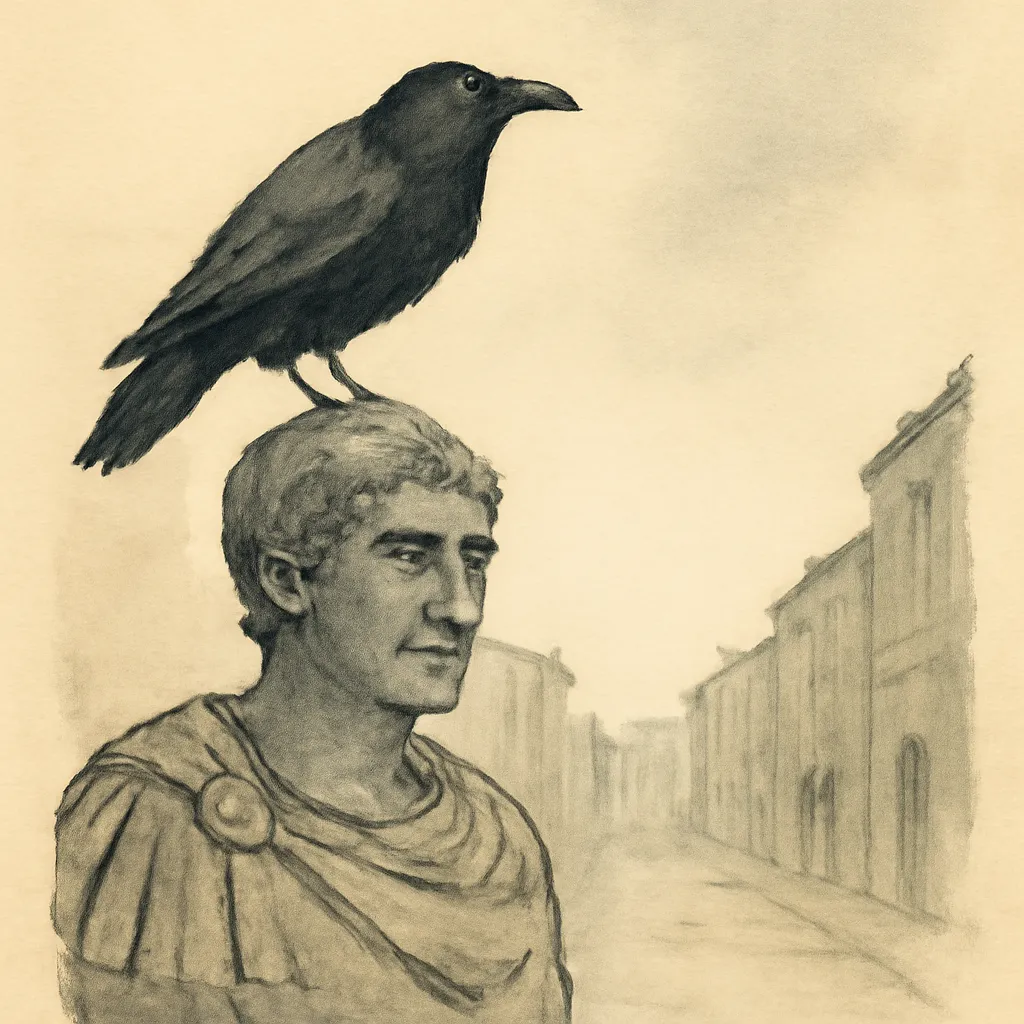
Tacitus is famously skeptical about official narratives. He often questions sources, acknowledges rumors, and notes the difficulty of discerning truth in a world of propaganda and secrecy. The Annals is as much about the challenge of writing history as it is about the events themselves, inviting readers to reflect on the limits of knowledge and the importance of critical inquiry.
5.Moral Ambiguity and Human Nature
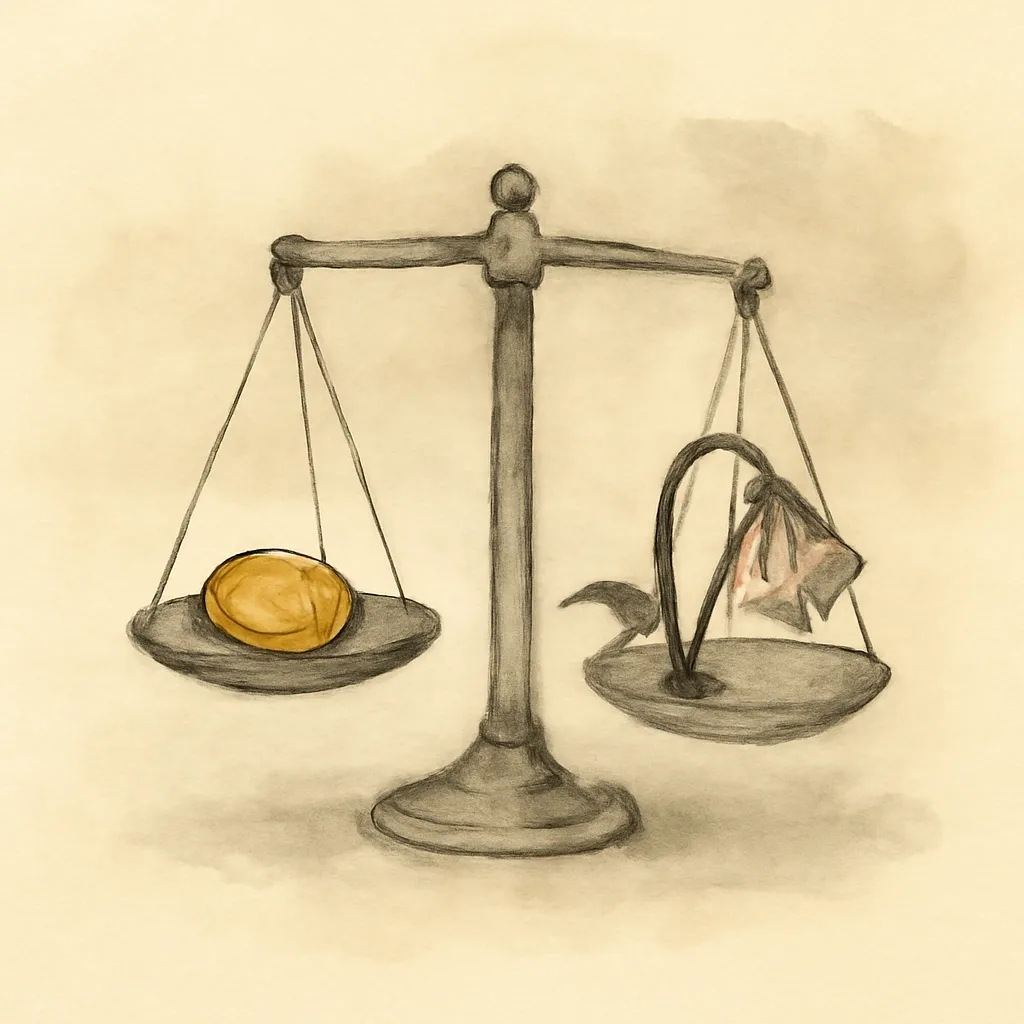
Rather than offering simple heroes and villains, Tacitus presents a nuanced portrait of human motives—ambition, fear, loyalty, resentment, and opportunism. He is deeply interested in the gray areas of morality, showing how individuals are shaped by their circumstances and how even noble intentions can lead to tragic outcomes. This complexity gives The Annals a psychological depth that sets it apart from earlier Roman historians.
6.The Enduring Relevance of Rome’s Lessons
Tacitus’s insights into power, corruption, and institutional decay have made The Annals a touchstone for later generations wrestling with tyranny and political crisis. His work is often cited as a warning against complacency and the dangers of unchecked authority, reminding readers that the past is never as distant as it seems.