1.Ant Societies as Superorganisms
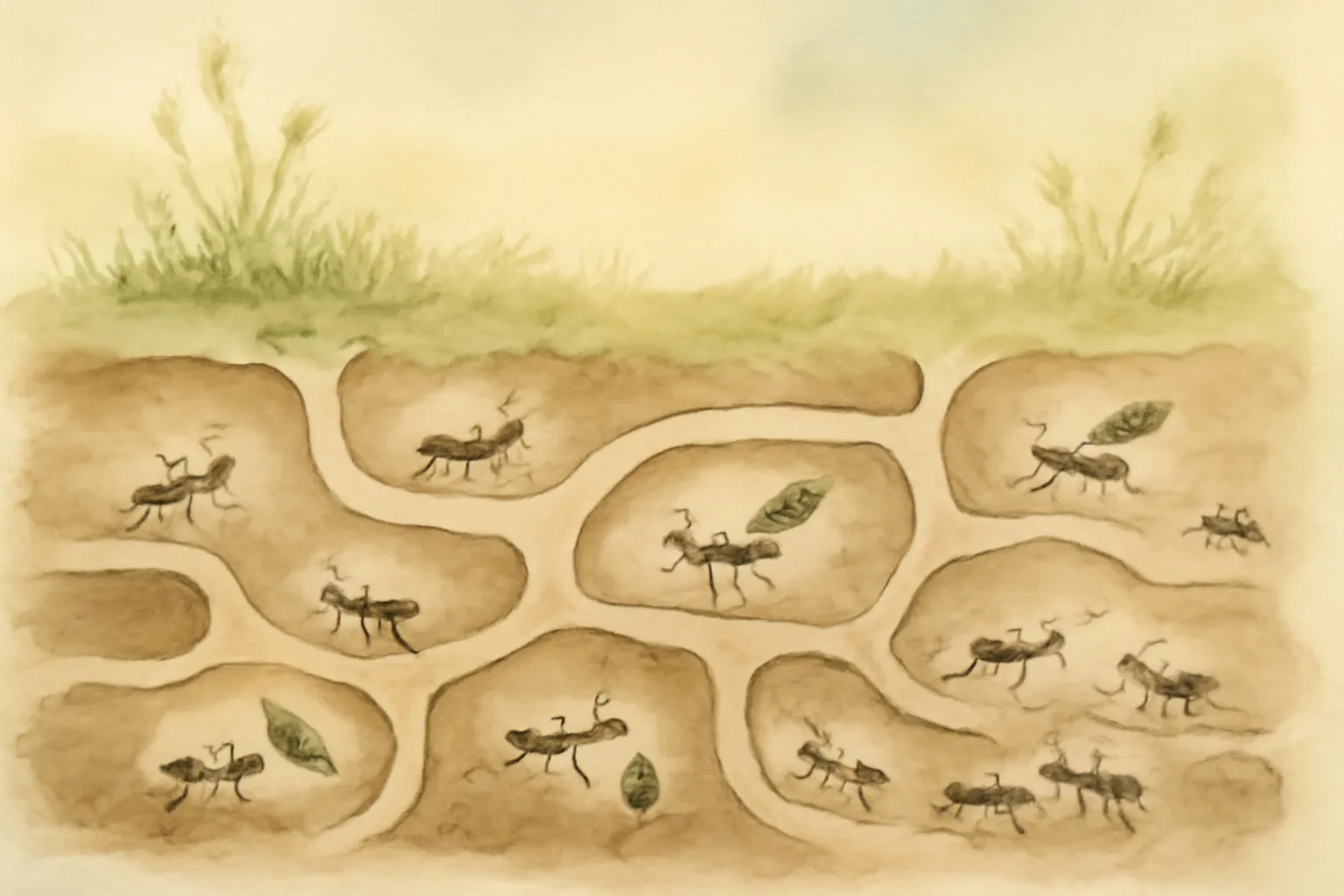
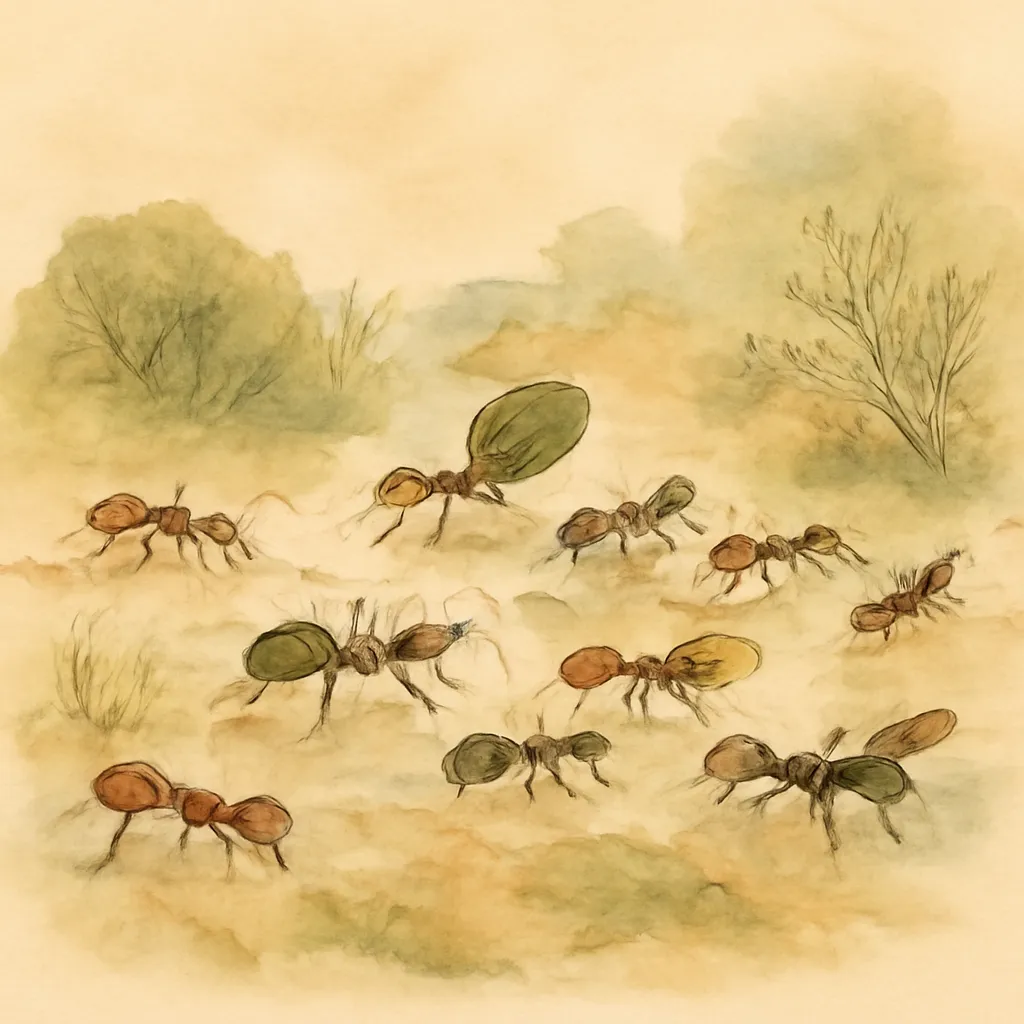
Hölldobler and Wilson show that ant colonies function almost like single organisms, with individual ants acting as specialized cells. Their division of labor, communication, and collective decision-making allow colonies to adapt and thrive. This concept of the 'superorganism' challenges our understanding of individuality and cooperation, offering parallels to human societies and raising questions about the evolution of complex social systems.
2.Communication and Chemical Signaling
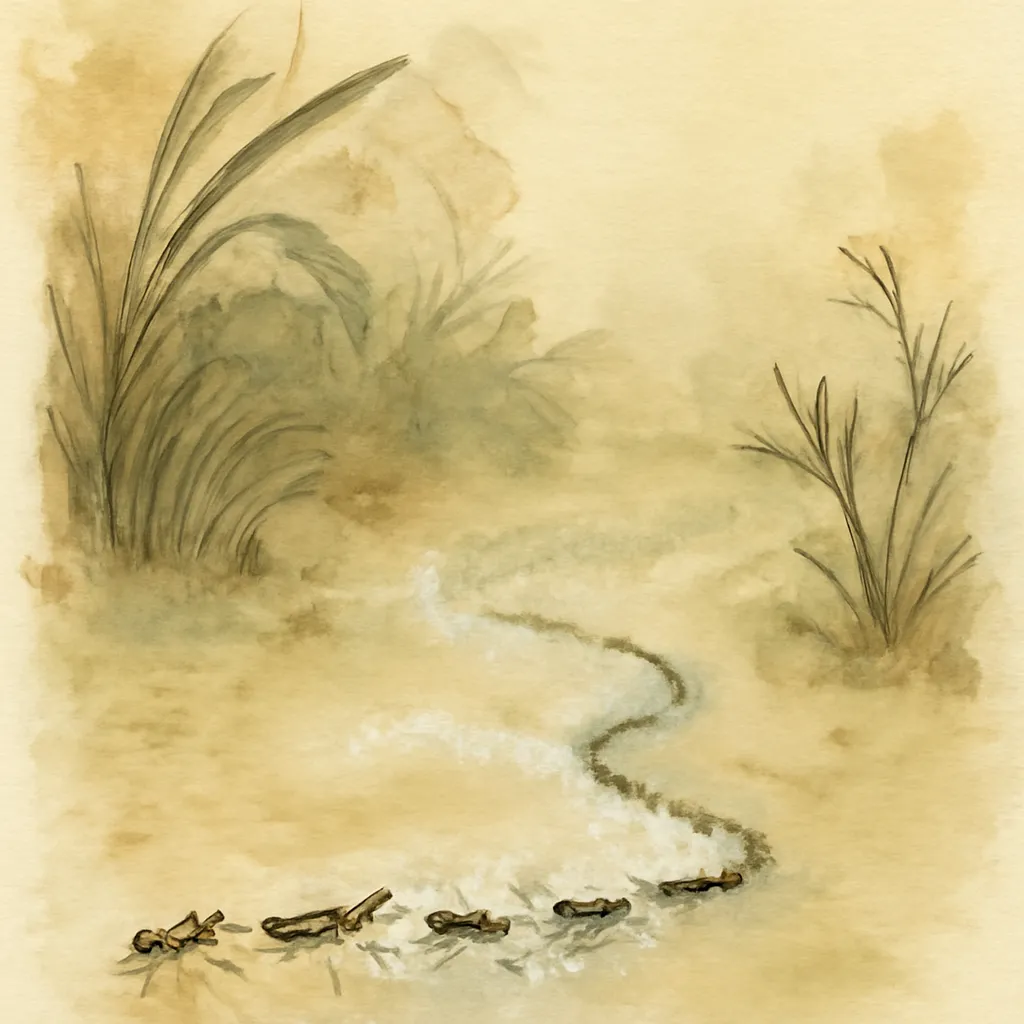
A central theme is the sophisticated chemical language ants use. Through pheromones, ants coordinate everything from foraging to defense, using a nuanced system of signals that rivals spoken language in complexity. The book details how these chemical cues structure ant society and enable feats like coordinated attacks or intricate nest construction, highlighting the power of non-verbal communication in nature.
3.Evolution of Social Behavior
The authors delve into how natural selection shaped the evolution of eusociality—where individuals forego reproduction to support the colony. By comparing ants to other social insects, they explore kin selection, altruism, and the genetic underpinnings of cooperative behavior. This analysis not only illuminates ant evolution but also provides a framework for understanding the origins of sociality across species.
4.Ecological Impact and Diversity
Ants are ecological powerhouses, influencing soil structure, plant life, and food webs. The book surveys the staggering diversity of ant species and their roles as predators, farmers, and mutualists. Hölldobler and Wilson argue that ants are essential to many ecosystems, and studying their interactions helps us grasp broader ecological principles and the interconnectedness of life.
5.Conflict, Cooperation, and Warfare
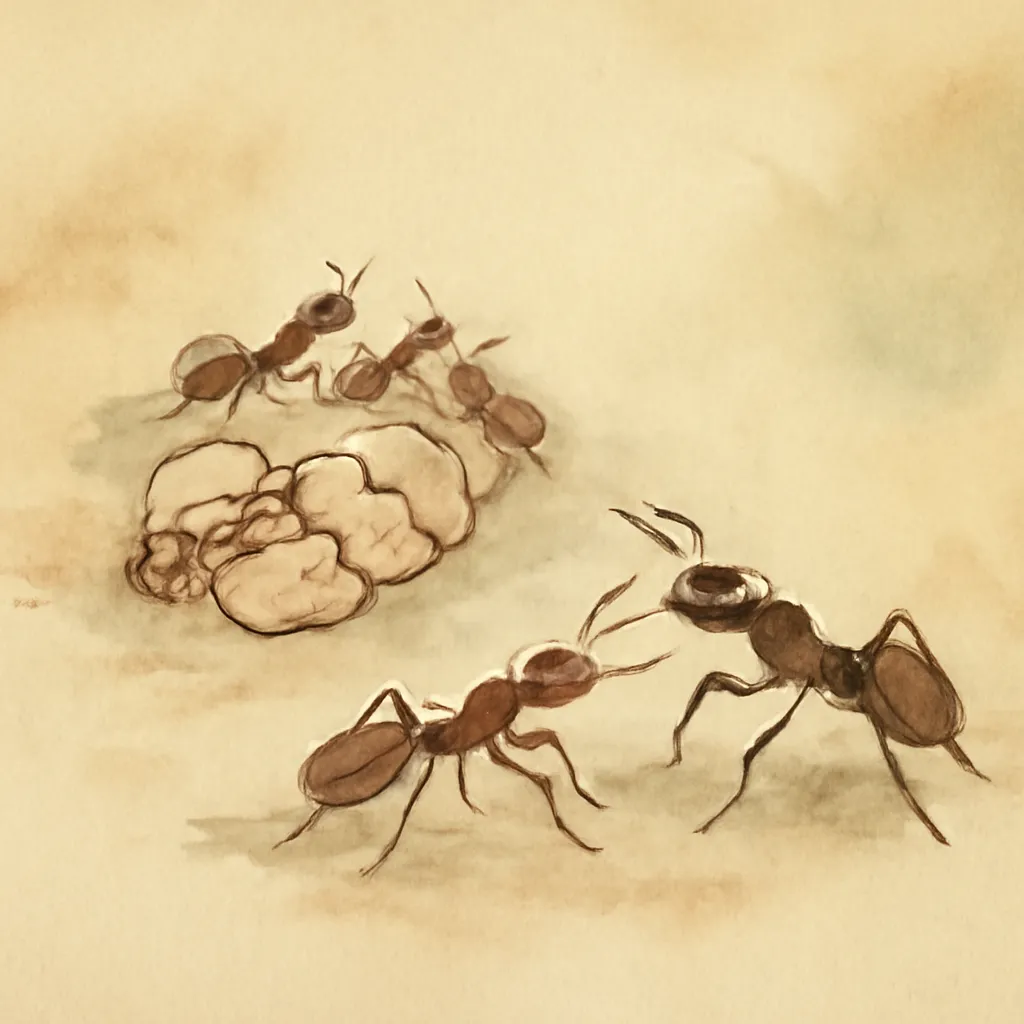
Far from being harmonious utopias, ant colonies are rife with conflict—both within and between colonies. The authors describe ant wars, slave-making species, and policing behaviors that maintain order. These dynamics reveal how cooperation and conflict are intertwined in social evolution, offering insights into the balance of competition and collaboration in complex societies.
6.Ants as a Model for Scientific Inquiry
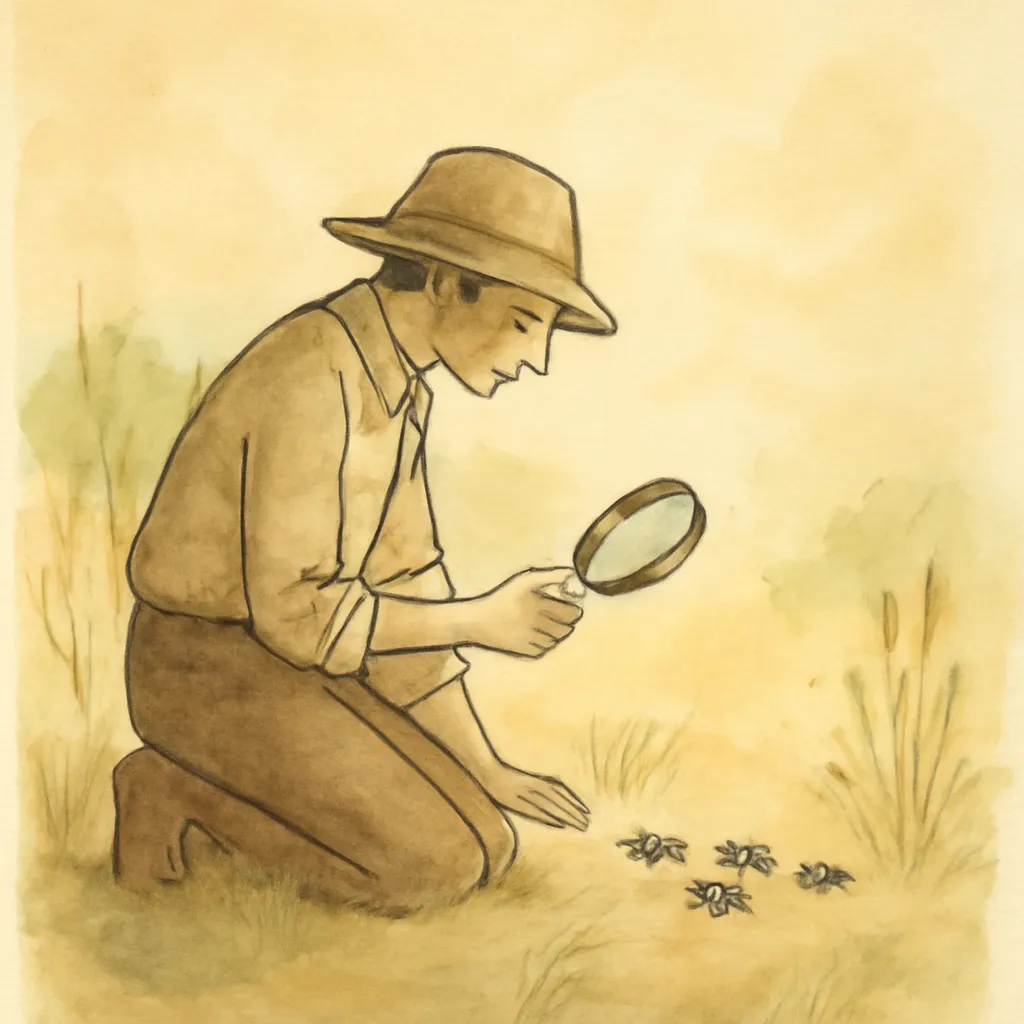
Beyond the biology of ants, the book is a testament to the scientific process itself. Hölldobler and Wilson weave together field observations, experiments, and theory, demonstrating how careful study of a single group can illuminate universal principles. Their interdisciplinary approach bridges behavior, genetics, ecology, and evolution, making the book a model for integrative science.