1.Proconsul: The Forgotten Link
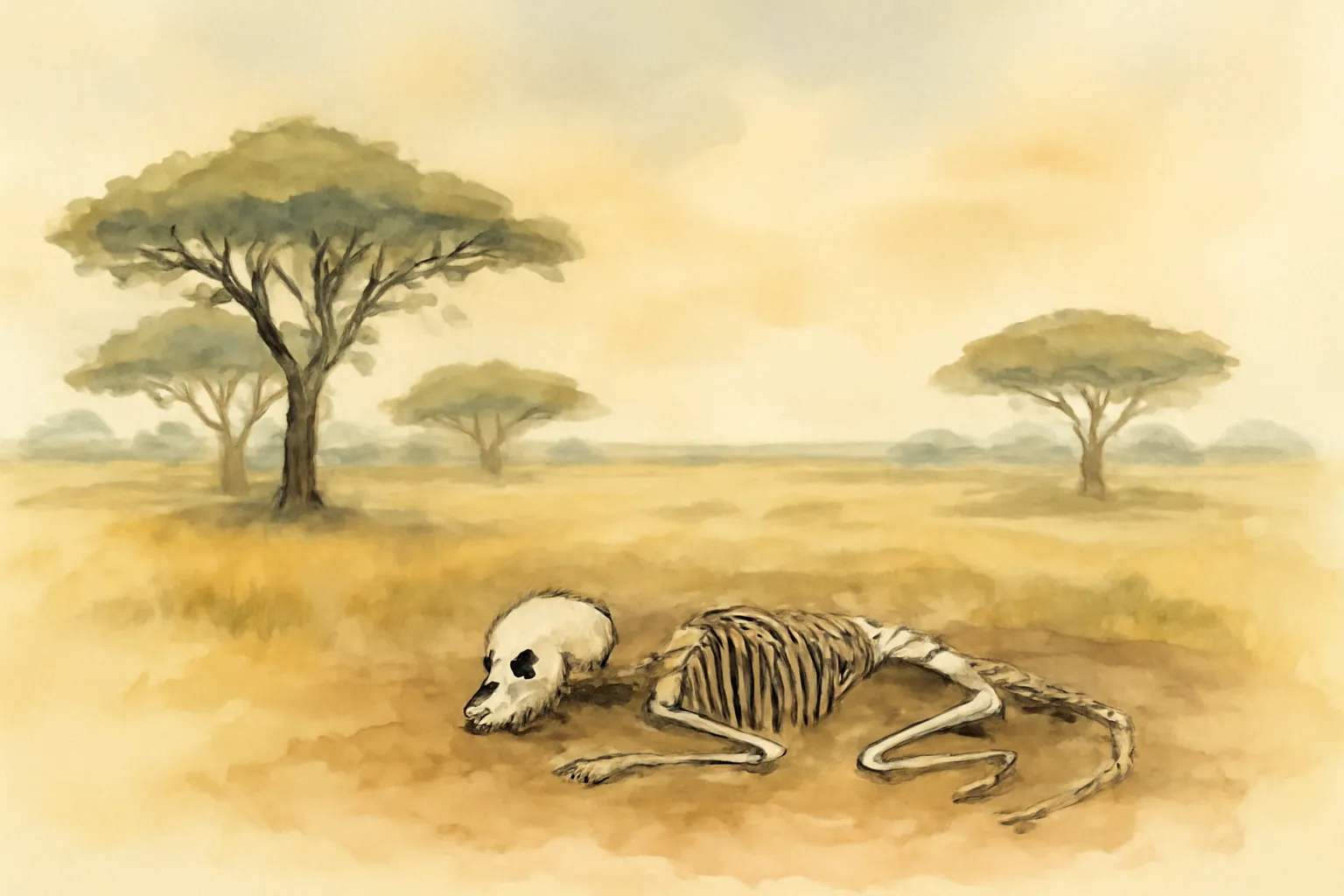
The book centers on Proconsul, an early Miocene ape whose fossils were first discovered in East Africa. Walker and Shipman argue that Proconsul occupies a crucial place in primate evolution, representing a form that is neither quite monkey nor great ape but shares features of both. By reconstructing its anatomy and environment, they show how Proconsul helps clarify the evolutionary steps leading to modern apes and humans, challenging simplistic 'missing link' narratives.
2.Science as Human Endeavor
Walker’s narrative is deeply personal, emphasizing the human side of paleontology. The book details the rivalries, friendships, and serendipitous discoveries that drive science forward. It shows that breakthroughs often result from persistence, collaboration, and sometimes sheer luck, demystifying the process and revealing the discipline’s emotional highs and lows.
3.How Fossils Speak
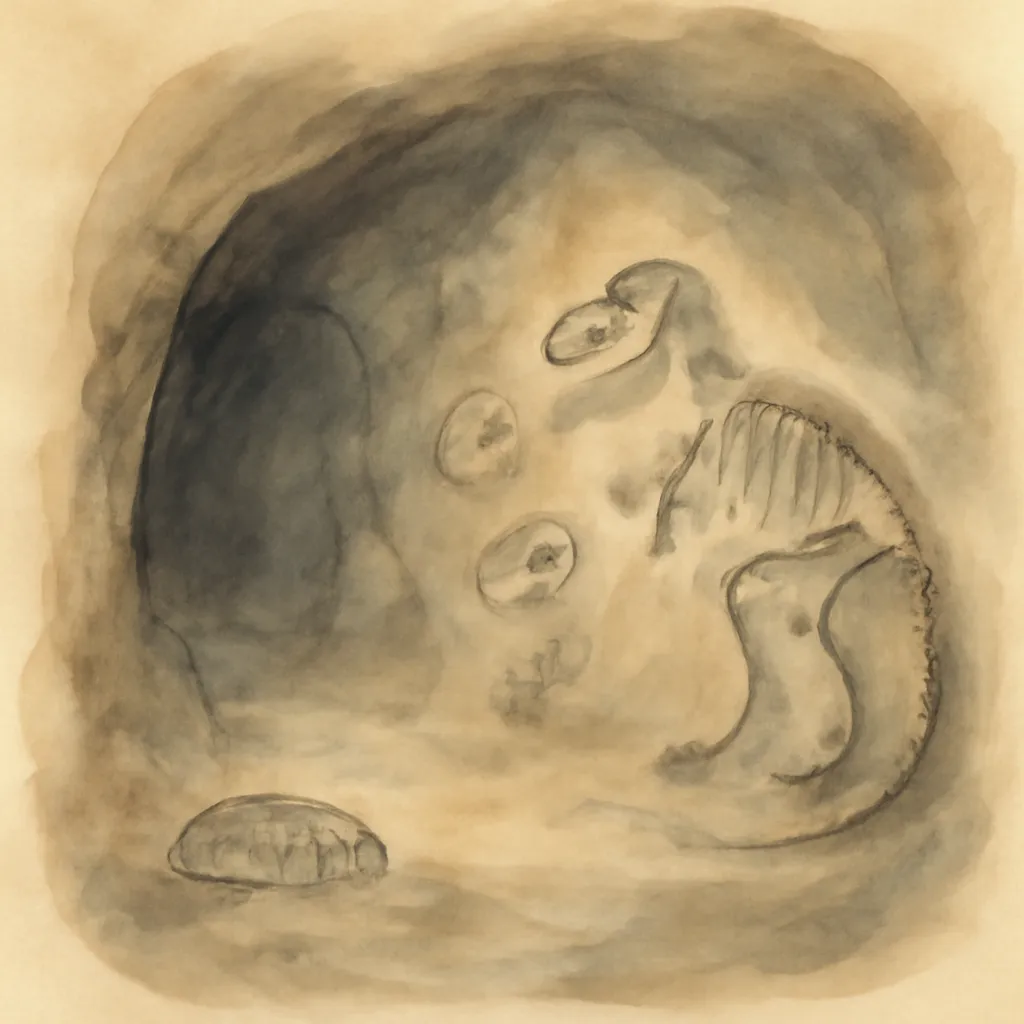
A central theme is the painstaking interpretation of fragmentary fossils. Walker explains how even small anatomical details—like the shape of a wrist bone or the structure of a tooth—can yield insights into locomotion, diet, and evolutionary relationships. The book illustrates the detective work required to reconstruct ancient lives from incomplete evidence, highlighting both the power and limitations of the fossil record.
4.Evolutionary Trees, Not Ladders
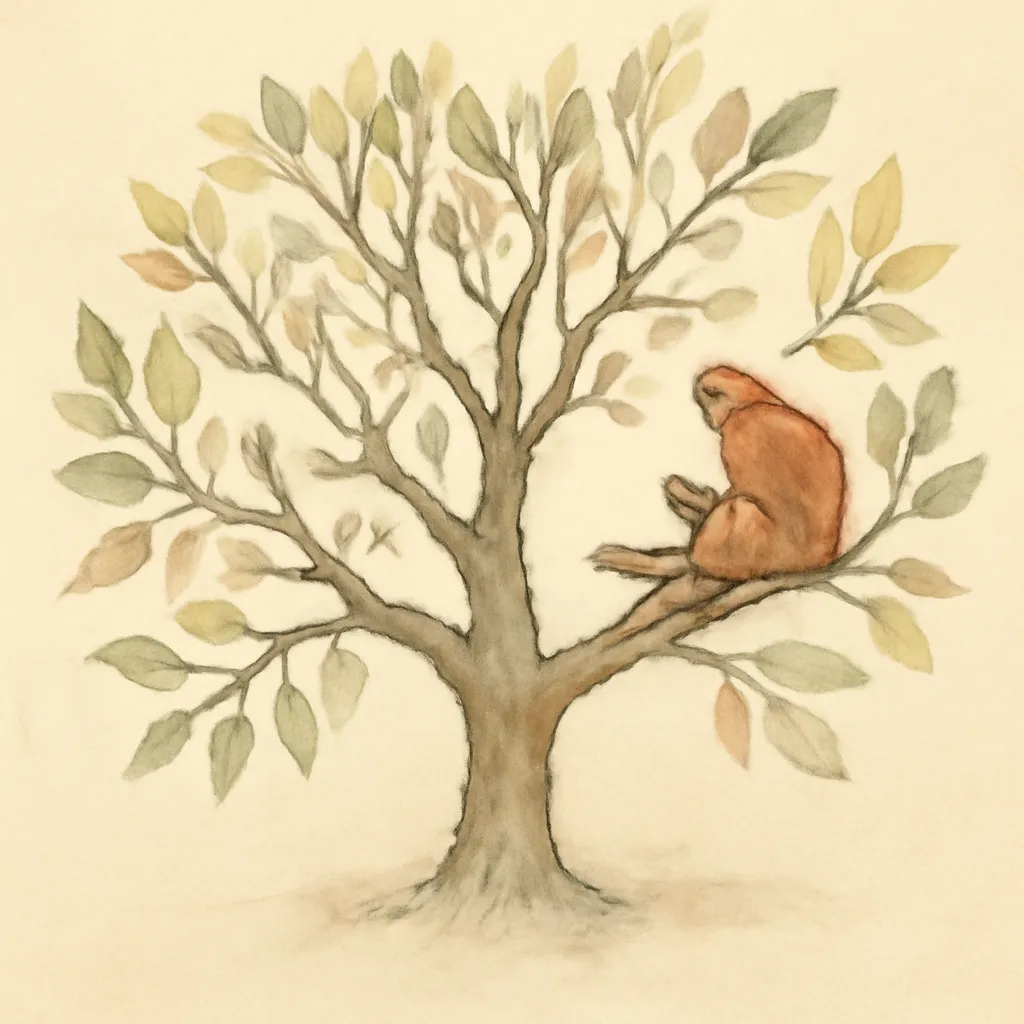
The authors challenge the outdated notion of evolution as a linear progression. Instead, they present it as a branching tree, with Proconsul as one branch among many. This perspective underscores the complexity of primate evolution and cautions against viewing any single species as a direct ancestor, emphasizing the diversity and experimentation of evolutionary history.
5.Africa as the Cradle of Apes
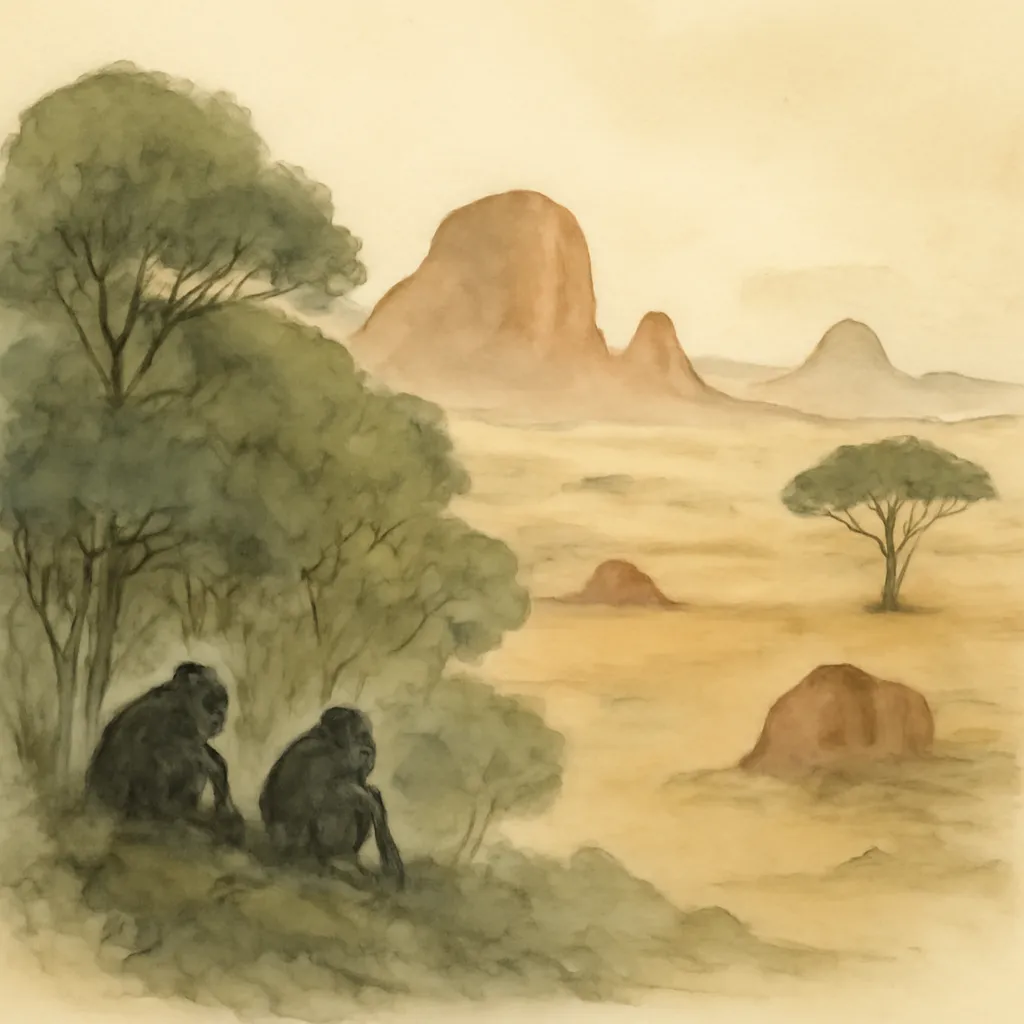
The book situates Proconsul within the broader context of African prehistory, reinforcing Africa’s role as the origin point for apes and, ultimately, humans. By tracing the geological and ecological changes that shaped the continent, Walker and Shipman show how environmental shifts influenced primate evolution, setting the stage for later hominids.
6.The Ongoing Nature of Discovery
Walker and Shipman stress that our understanding of human origins is always provisional. New finds and new technologies continually reshape the evolutionary narrative. The book encourages readers to appreciate science as a living, evolving process—one in which today’s answers may be tomorrow’s questions.