1.History as a Living Narrative
Mailer famously subtitled his book 'History as a Novel, the Novel as History,' signaling his intent to collapse the boundaries between objective reporting and subjective storytelling. He presents the march not as a dry chronicle of events, but as a living, breathing story shaped by the participants’ personalities, motivations, and conflicts. This approach invites readers to question how history is written, who gets to write it, and how personal perspective colors our understanding of public events.
2.The Ego in Protest
Mailer places himself at the center of the action, often referring to himself in the third person. This self-conscious narration spotlights the tension between personal ambition and collective action. By exposing his own vanity, doubts, and competitiveness, Mailer critiques not just the establishment but also the egos and contradictions within the protest movement. The book becomes as much a study of the self as of the antiwar cause.
3.Generational and Cultural Conflict
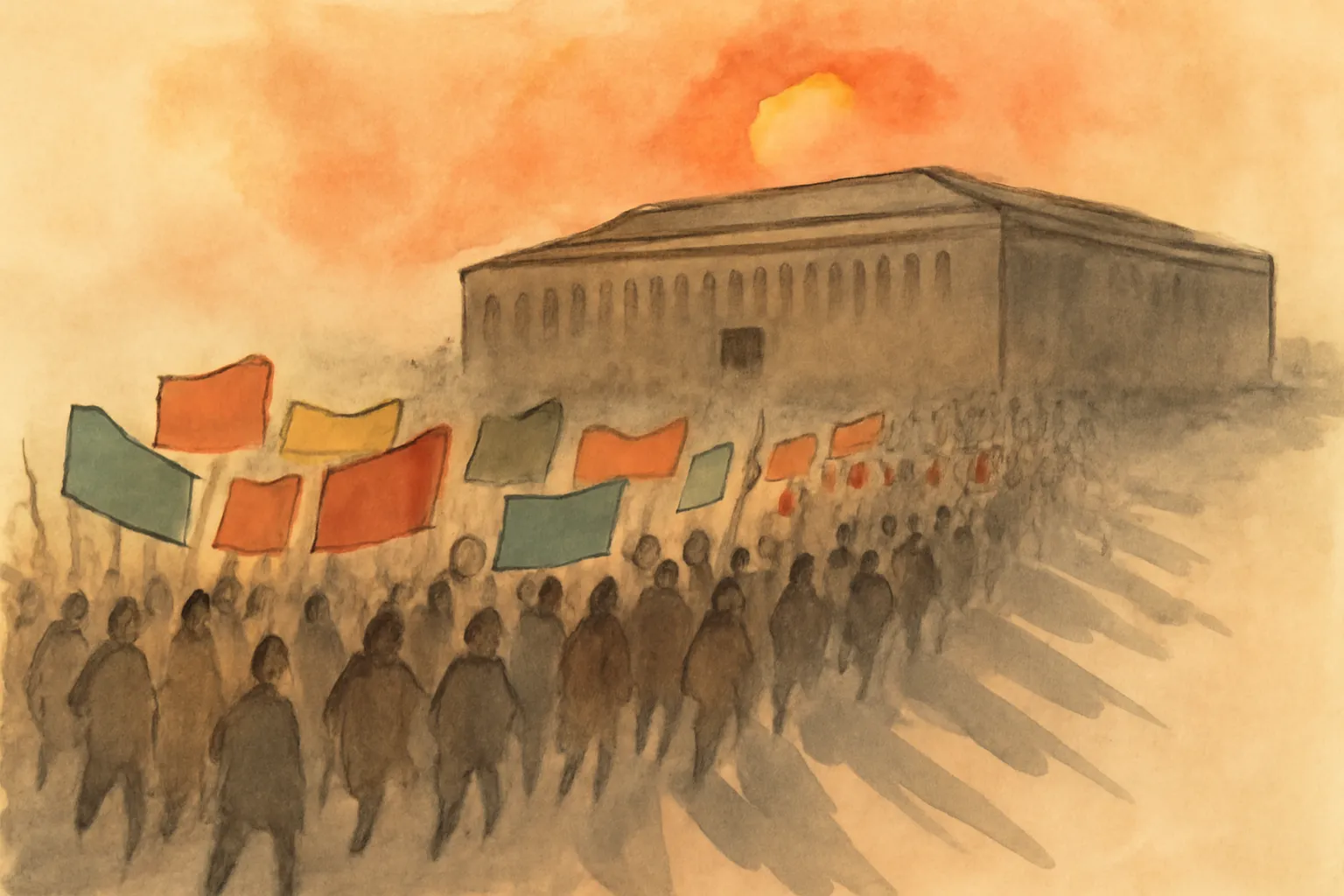
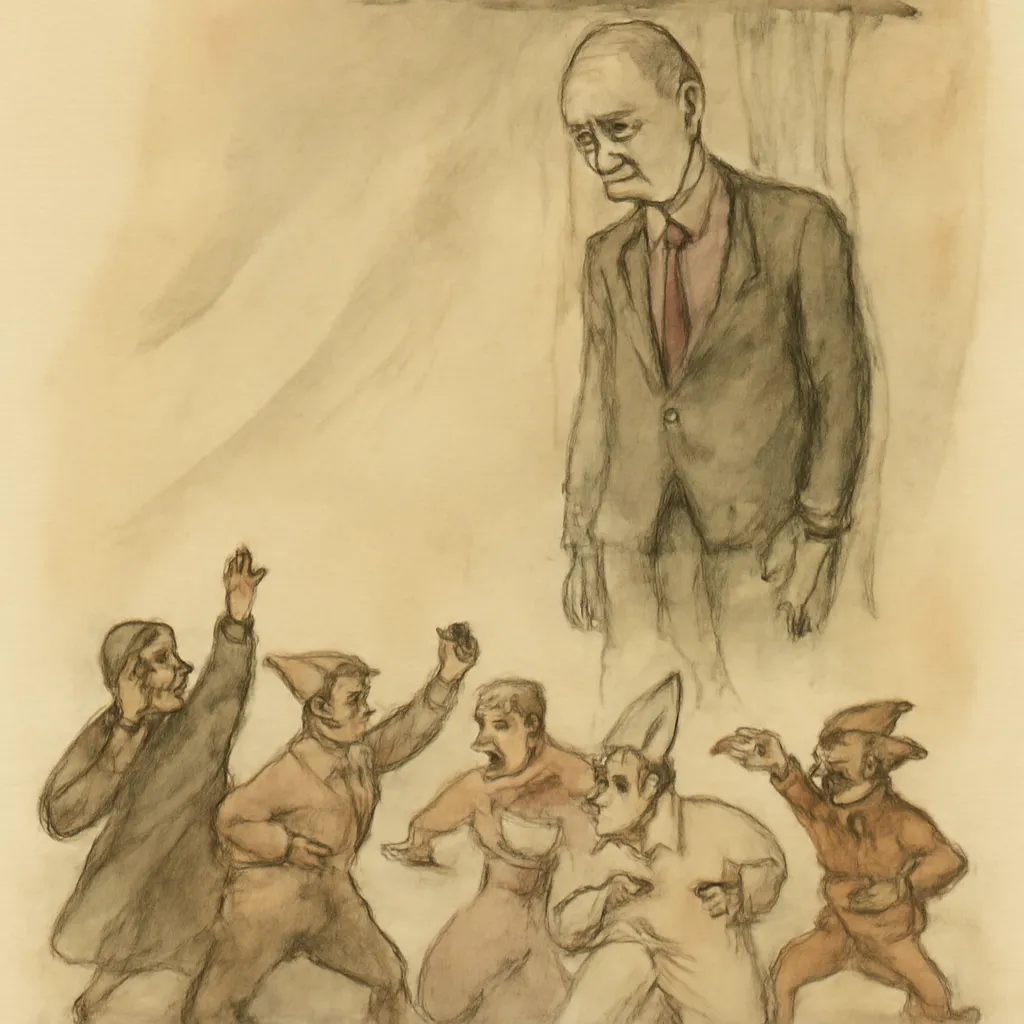
The march on the Pentagon becomes a microcosm for the generational and cultural divides of the 1960s. Mailer contrasts the older, literary intellectuals with the younger, radical activists, highlighting differences in style, strategy, and worldview. The book captures the era’s turbulence, where traditional authority is challenged by new forms of dissent, and where the very meaning of patriotism and citizenship is up for debate.
4.The Absurdity and Ritual of Protest
Mailer’s depiction of the march is laced with irony and dark humor. He shows the protest as both deadly serious and faintly absurd, with its elaborate planning, theatrical gestures, and inevitable chaos. The Pentagon itself becomes a symbol of implacable bureaucracy, indifferent to the protesters’ passion. Mailer’s narrative invites readers to reflect on the effectiveness, symbolism, and limitations of mass protest.
5.The Writer as Participant and Observer
Mailer’s dual role as both a participant in and chronicler of the events allows him to explore the responsibilities and limitations of the writer in times of crisis. He is both inside the story—risking arrest and ridicule—and outside it, analyzing and shaping the narrative. This tension gives the book its unique voice and raises questions about the ethics of involvement versus detachment in journalism and literature.
6.America at a Crossroads
Beneath the personal and political drama, Mailer’s book is a meditation on America’s identity during a time of upheaval. He probes the nation’s myths, its capacity for violence, and its hunger for meaning. The Pentagon march, in Mailer’s hands, becomes a symbolic struggle over the soul of the country, making the book resonate far beyond its immediate historical moment.