1.Cognitive Biases Shape Our Decisions
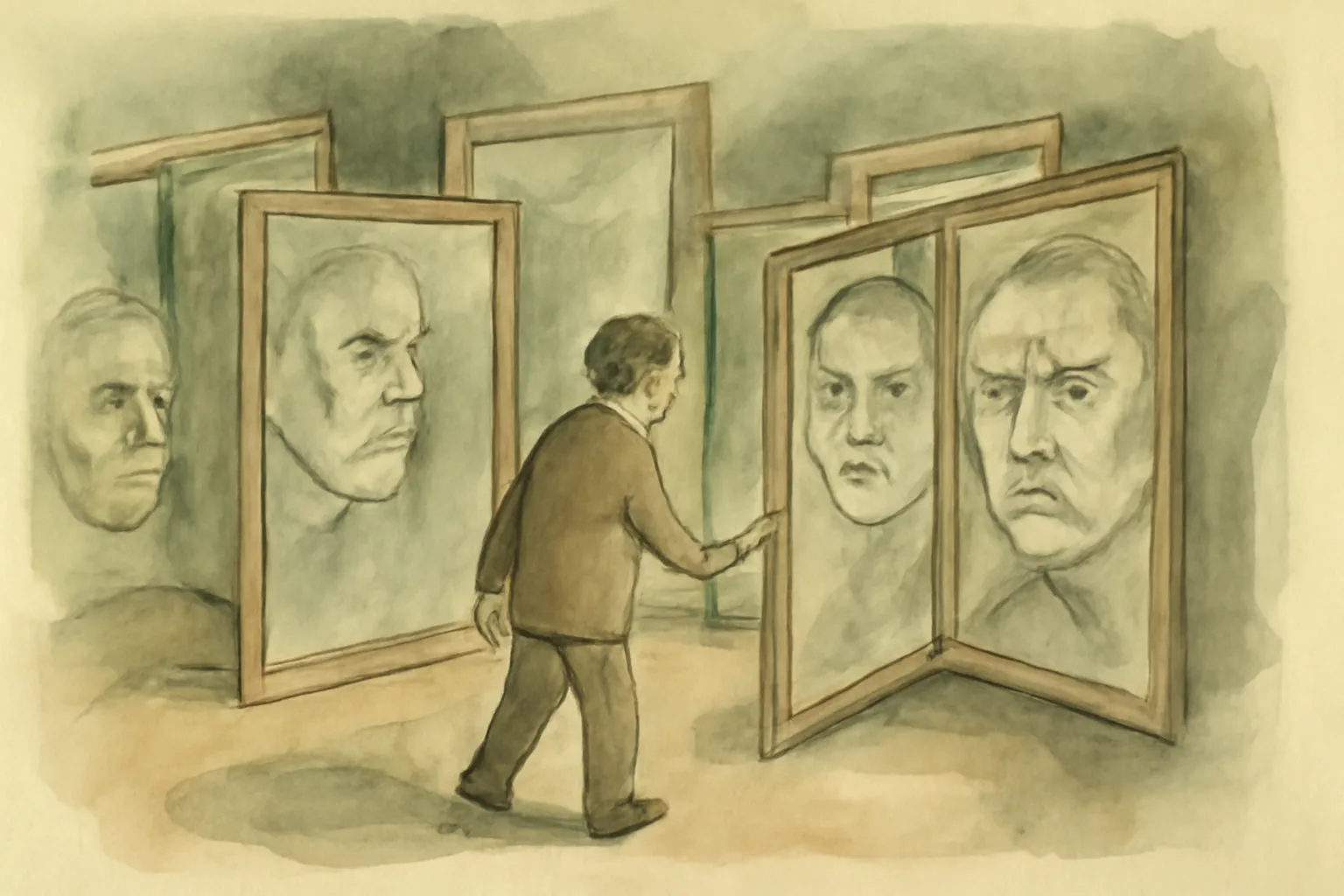
Dobelli's central thesis is that our minds are riddled with cognitive biases—systematic errors in thinking that affect the decisions and judgments we make. These biases are not just quirks but deeply ingrained habits of thought, evolved for survival but often ill-suited to modern complexity. The book catalogs dozens of these, from confirmation bias to survivorship bias, showing how they distort our perception and lead us astray, often without our awareness.
2.The Power of Awareness
A key insight is that simply knowing about these biases can help us mitigate their effects. Dobelli argues that while we may never be fully immune to mental errors, cultivating awareness is the first step toward clearer thinking. By recognizing when we’re likely to fall into traps—such as overvaluing recent information or following the crowd—we can pause, reflect, and make more rational choices.
3.Shortcuts and Heuristics: Double-Edged Swords
The book explains that mental shortcuts, or heuristics, are essential for coping with information overload, but they come at a cost. While they allow us to make quick decisions, they also lead to predictable mistakes. Dobelli illustrates how reliance on intuition and gut feeling can be dangerous in complex situations, urging readers to slow down and apply critical thinking when stakes are high.
4.Emotional Reasoning Versus Rational Analysis
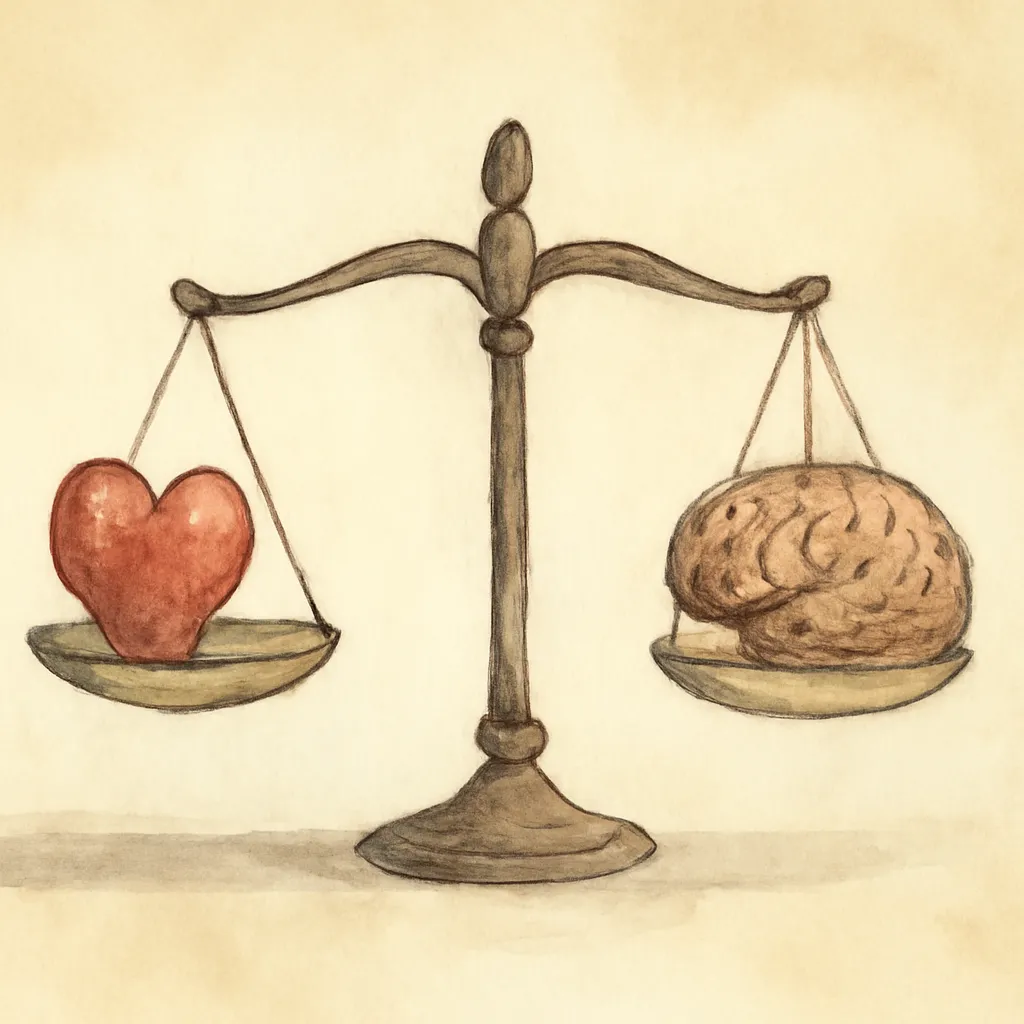
Dobelli highlights how emotions often override logic, leading to suboptimal decisions. He discusses phenomena like loss aversion and the sunk cost fallacy, where emotional attachment to past investments clouds our judgment. The book encourages readers to separate feelings from facts, especially when making important choices, and to adopt a more detached, analytical approach.
5.Practical Strategies for Better Thinking
Rather than offering a one-size-fits-all solution, Dobelli provides practical advice for avoiding mental traps. This includes questioning assumptions, seeking out dissenting opinions, and deliberately considering alternative scenarios. The book advocates for humility in decision-making, recognizing our limits, and learning from errors rather than denying them.
6.The Limits of Rationality
Dobelli acknowledges that perfect rationality is unattainable. Instead, he suggests striving for 'better' rather than 'perfect' thinking. By accepting that we are fallible and prone to error, we can create systems and habits that minimize the impact of our biases, such as using checklists or consulting others before major decisions.