1.The Psychology of Anticipation
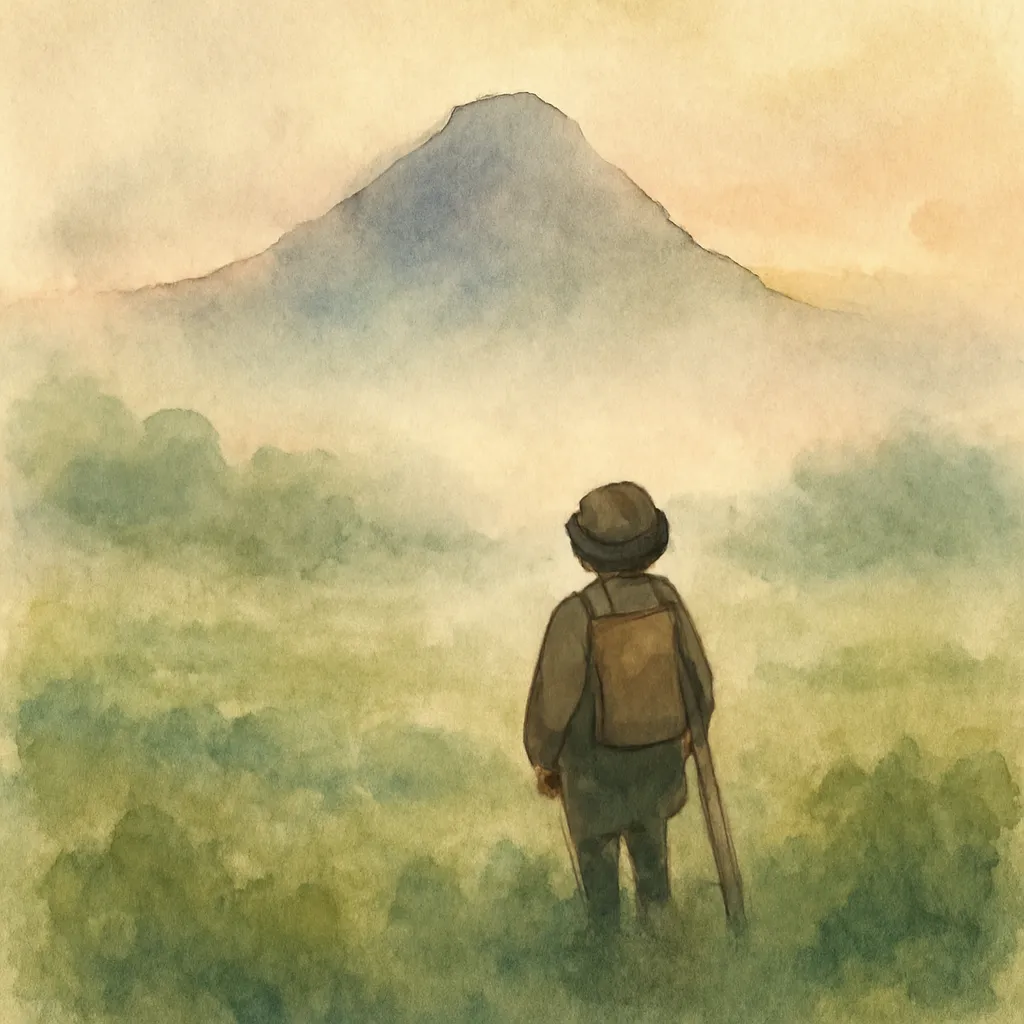
De Botton explores how much of the pleasure of travel lies not in the journey itself, but in the anticipation before it. He shows that our imaginations often paint destinations in idealized colors, and the act of looking forward to a trip can be as emotionally rich as the trip itself. This anticipation can shape our experiences, sometimes leading to disappointment when reality fails to match our dreams, but also giving us a sense of hope and excitement that is valuable in its own right.
2.The Gap Between Imagination and Reality
A central theme is the dissonance between the imagined and the actual experience of travel. De Botton argues that guidebooks and advertisements fill us with expectations, but the reality often feels mundane or disappointing. He suggests that this gap is not a failure of the place, but a feature of the human mind, and understanding it can help us appreciate travel more honestly and deeply.
3.Learning to Notice
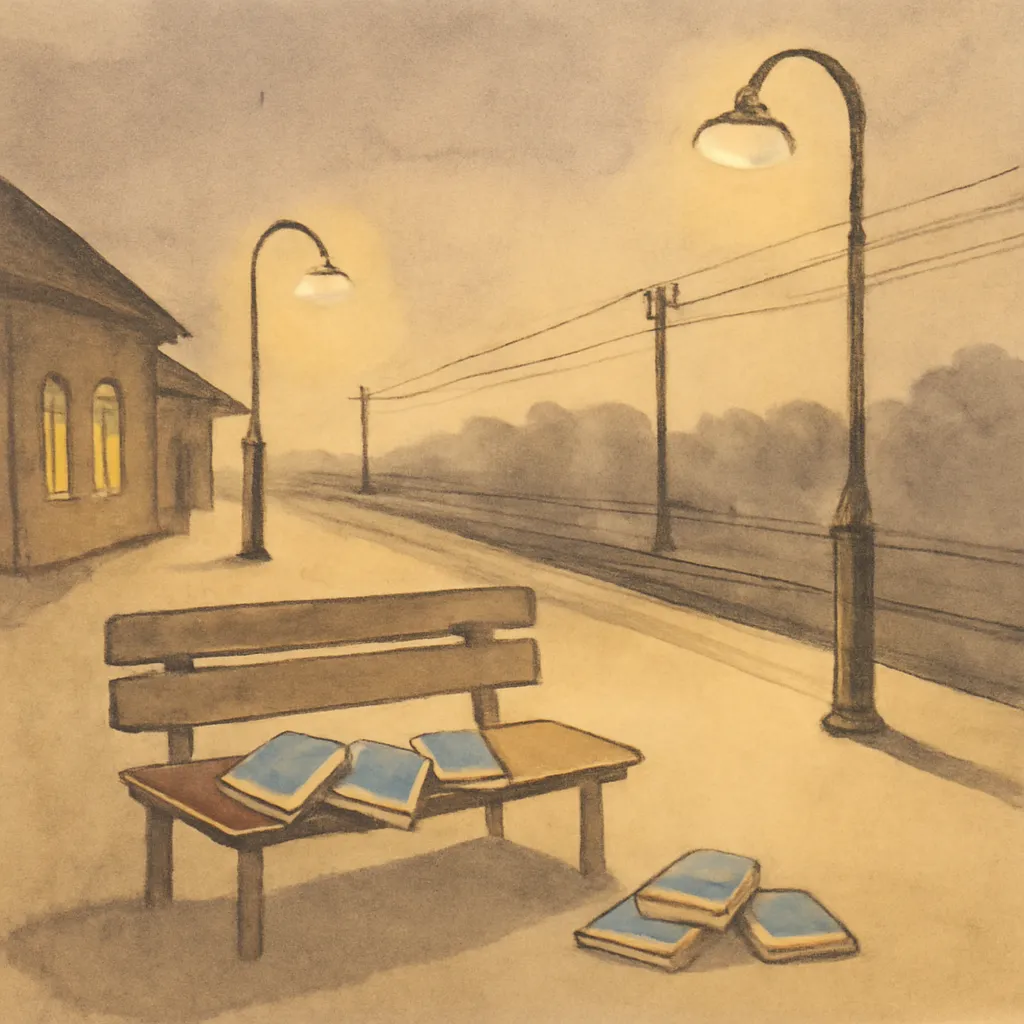
De Botton encourages readers to cultivate a heightened sense of awareness, drawing inspiration from artists and writers who found beauty in the ordinary. By slowing down and truly observing our surroundings—whether a Caribbean beach or a suburban train station—we can enrich our experience and find wonder in unexpected places. This mindful attention is presented as a skill that can transform both travel and daily life.
4.The Influence of Art and Literature
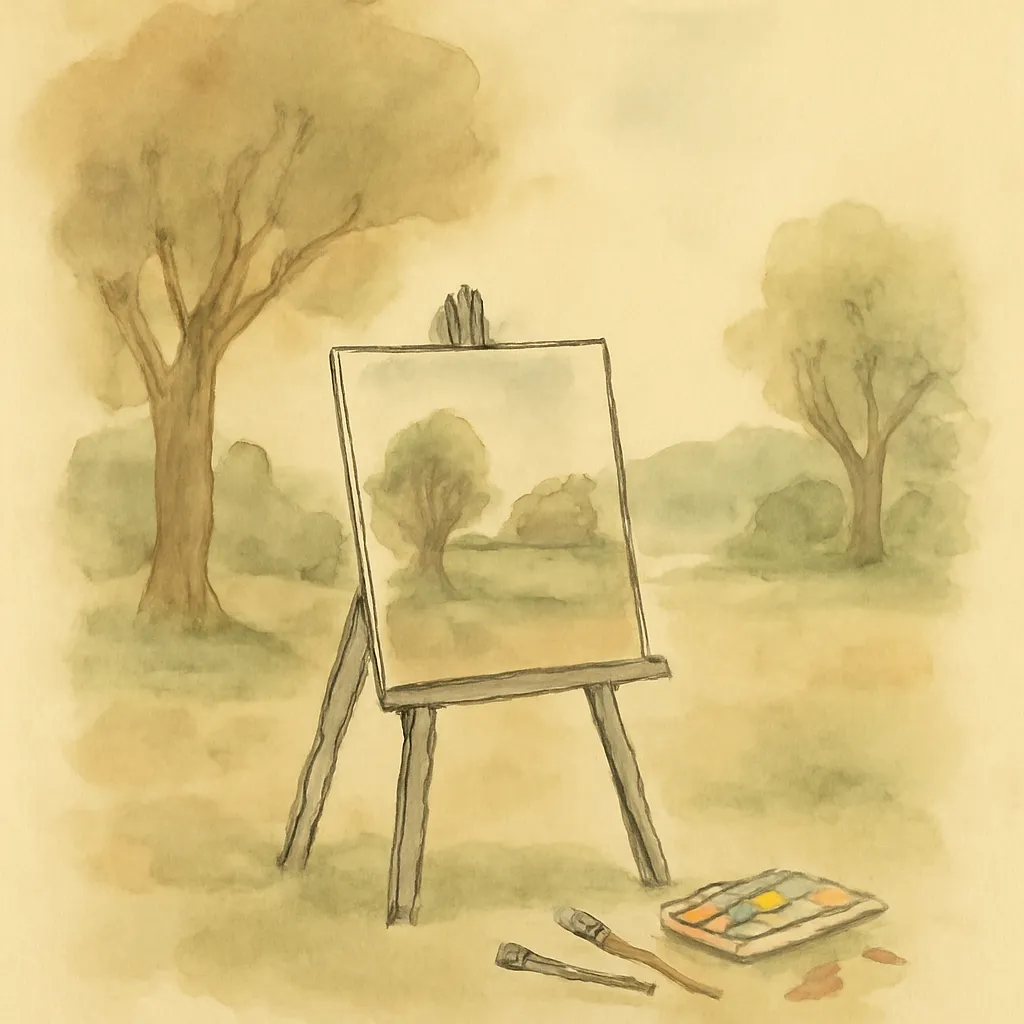
Throughout the book, de Botton weaves in references to artists, poets, and thinkers—like Van Gogh, Wordsworth, and Baudelaire—who have shaped the way we see the world. He shows how their perspectives can help us see familiar landscapes with fresh eyes, suggesting that art and literature are essential companions for meaningful travel.
5.The Value of the Exotic and the Everyday
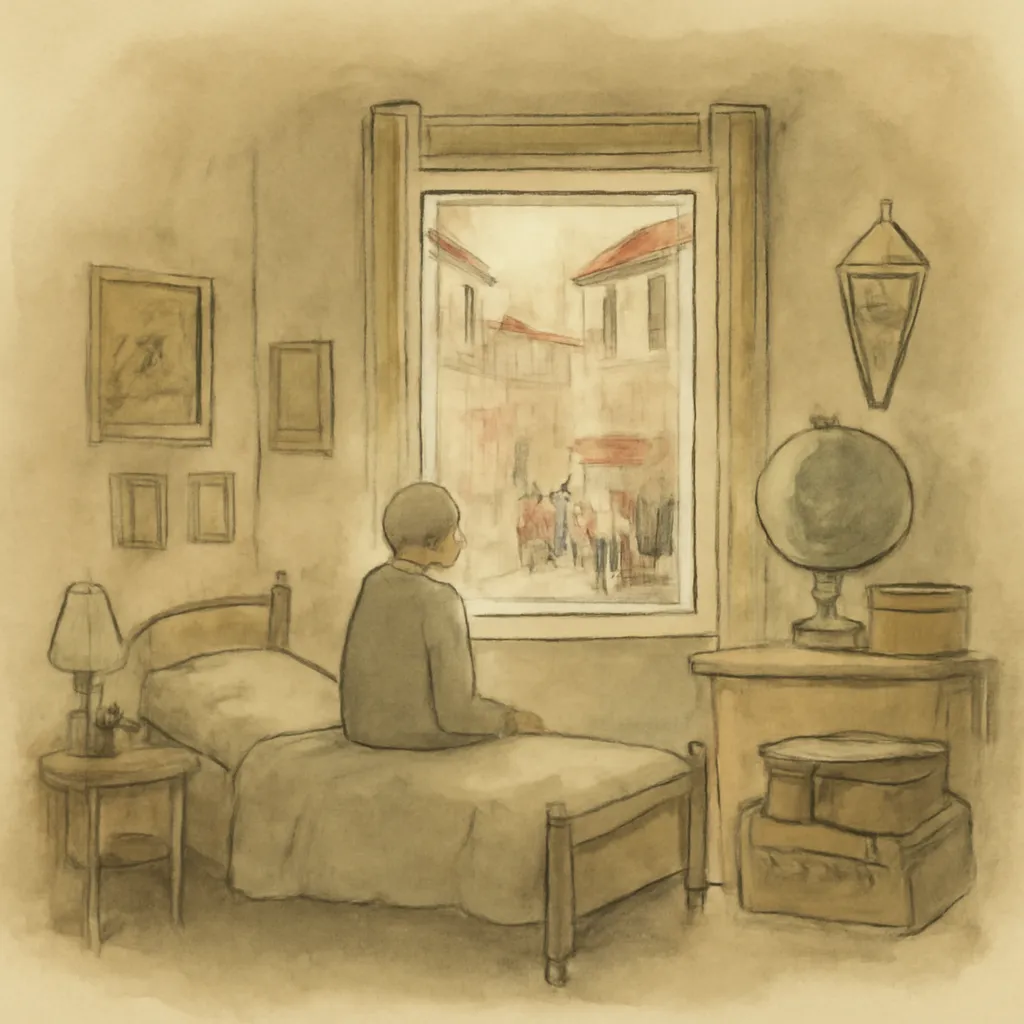
De Botton challenges the idea that meaningful travel must involve far-flung destinations. Drawing on the eccentric example of Xavier de Maistre, who famously traveled his own bedroom, he argues that the mindset of the traveler matters more than the location. The search for novelty can be satisfied by changing our perspective, not just our geography.
6.Travel as Self-Discovery
Ultimately, the book suggests that travel is as much about understanding ourselves as it is about seeing new places. The act of leaving home and encountering difference prompts reflection on our own values, desires, and habits. De Botton posits that the journey outward is always accompanied by a journey inward.