1.Satire of Heroic Exploration
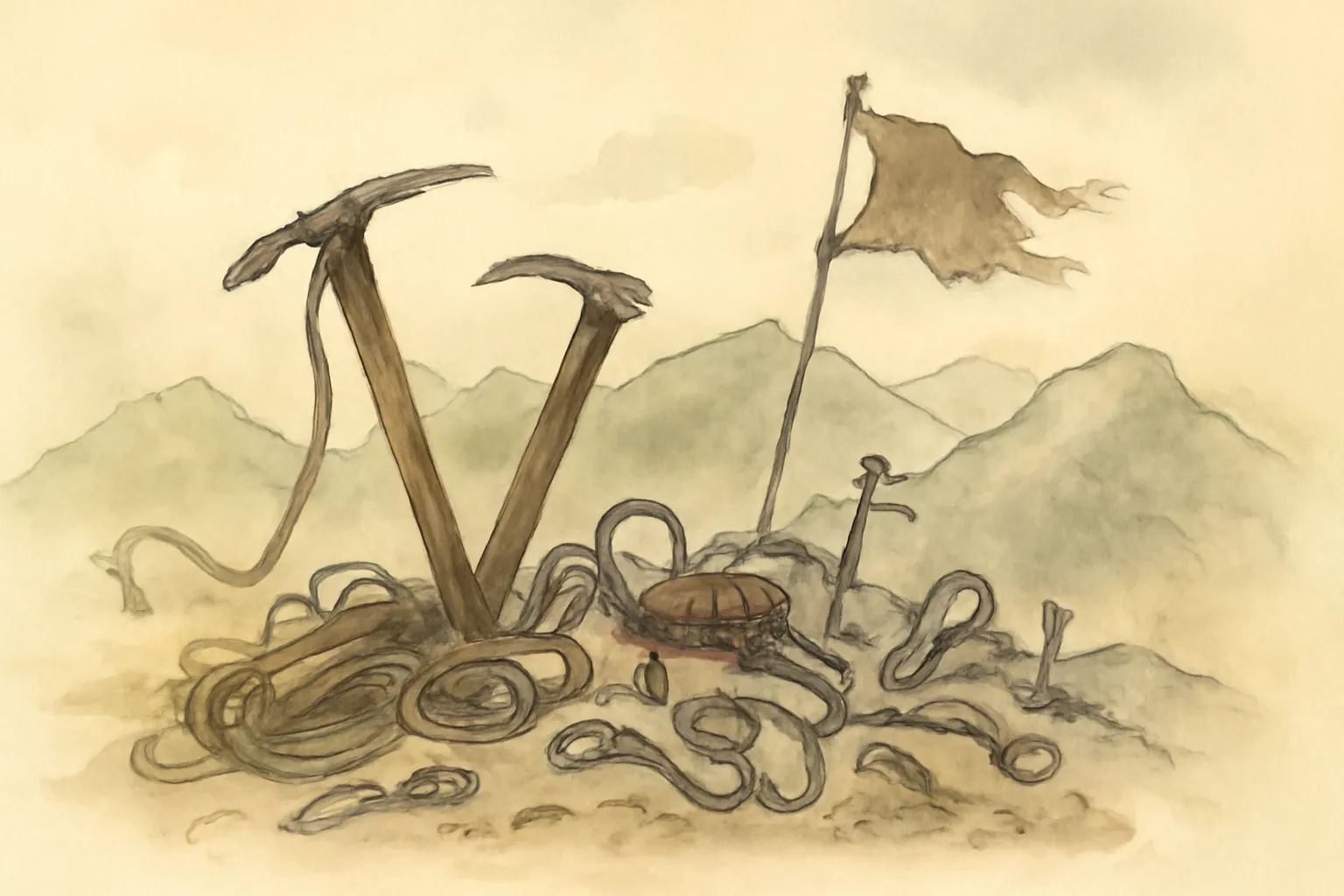
Bowman’s novel is a razor-sharp parody of the classic mountaineering expedition, poking fun at the earnest, sometimes pompous tone of real-life adventure accounts. The book exaggerates the conventions of the genre—grandiose language, stiff-upper-lip leadership, and the myth of the infallible British explorer—to expose their inherent absurdities. This satire works on two levels: it affectionately mocks the genre’s clichés while also inviting readers to question the nature of heroism and the reliability of 'official' narratives.
2.The Comedy of Incompetence
Every member of the Rum Doodle expedition is spectacularly ill-suited to their role, from the leader Binder’s oblivious optimism to the hopeless navigator and the perpetually ill doctor. Their collective incompetence is the engine of the novel’s humor, as each disaster is met with misplaced confidence and bureaucratic bluster. Bowman uses these characters to lampoon not only mountaineering but the broader British tendency to muddle through adversity with a stiff upper lip, no matter how ill-prepared.
3.Group Dynamics and Leadership
The team’s interactions are a study in dysfunctional group dynamics. Binder, the well-meaning but clueless leader, is surrounded by specialists whose expertise is questionable at best. The novel lampoons the idea that authority and organization guarantee success, showing instead how miscommunication, egotism, and blind faith in procedure can lead to chaos. Yet, despite their flaws, the group’s camaraderie and persistence offer a sly tribute to the spirit of adventure.
4.Absurdity as a Mirror
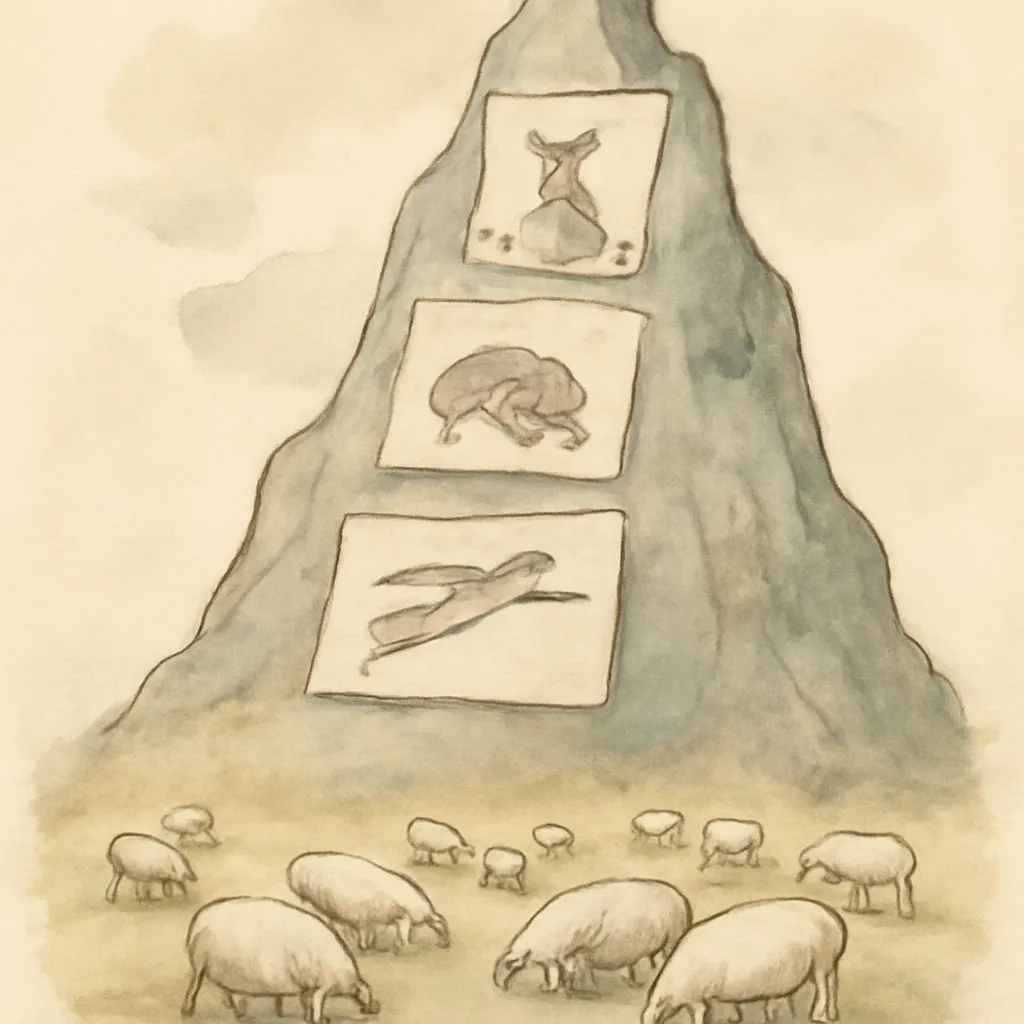
By pushing every element of the expedition to the point of absurdity—the mountain’s impossible height, the endless logistical blunders, the farcical local customs—Bowman holds up a mirror to the pretensions and self-delusions of real-world explorers. The book’s humor is rooted in exaggeration, but its targets are real: the colonial attitudes, the obsession with records and firsts, and the tendency to mythologize failure as much as success.
5.Language and Literary Parody
Bowman’s prose mimics the solemn, sometimes florid style of classic expedition accounts, only to undercut it with slapstick events and deadpan observations. The contrast between the dignified narration and the ridiculous events is a key source of comedy. Readers familiar with the works of Tilman or Shipton will appreciate the pitch-perfect parody, but even newcomers will enjoy the playful language and comic timing.
6.Enduring Relevance of Satire
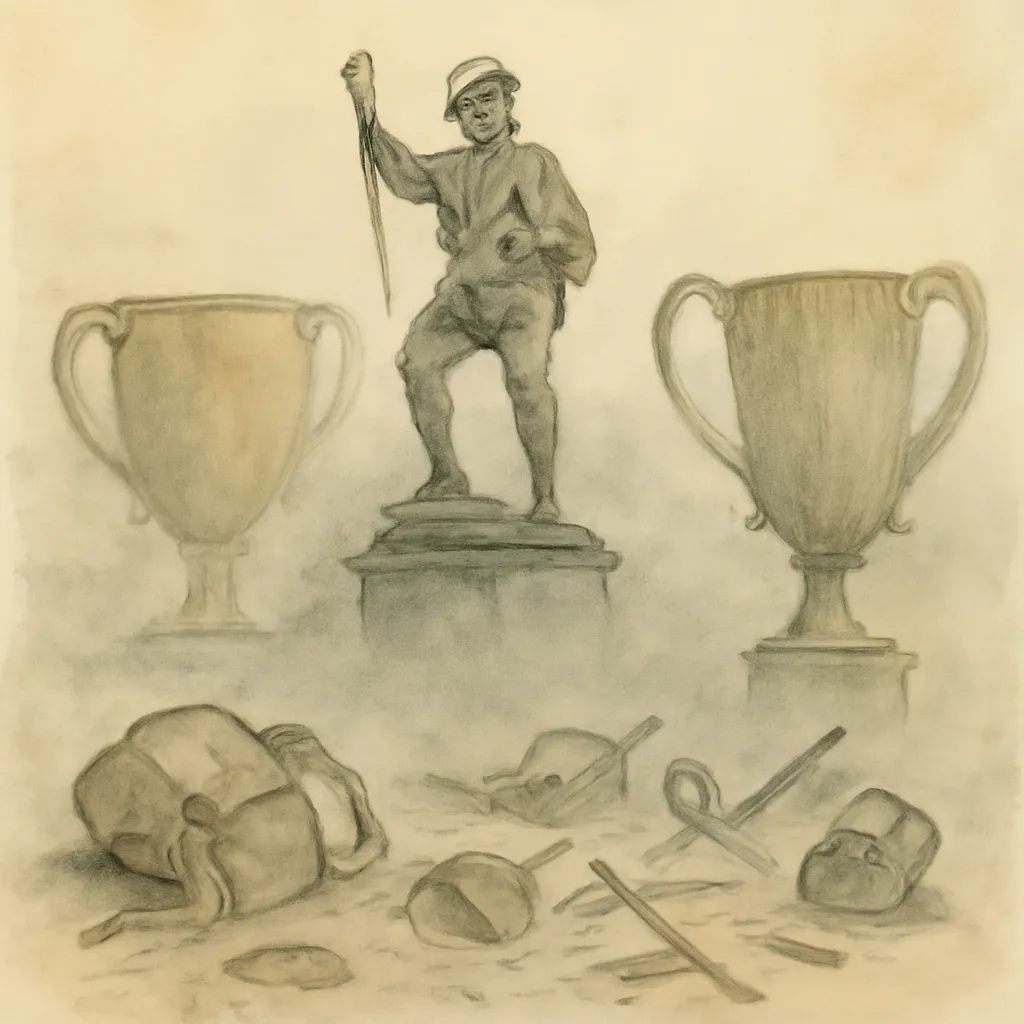
Though rooted in the postwar British context, Rum Doodle’s satire remains fresh because it targets universal human tendencies: self-importance, incompetence, and the urge to turn every misadventure into a triumph. The book’s affectionate mockery reminds us not to take ourselves too seriously, whether we’re climbing literal or metaphorical mountains.