1.The Origins of Coriolanus Snow
Collins delves into the formative years of the man who will become President Snow, revealing a complex interplay of insecurity, ambition, and inherited privilege. The narrative doesn't excuse Snow's later cruelty, but it does show how desperation, family pressure, and the hunger for status can warp ideals. Readers witness the gradual erosion of empathy as Snow faces choices that pit self-preservation against compassion, making his transformation chillingly believable.
2.Power, Control, and the Games
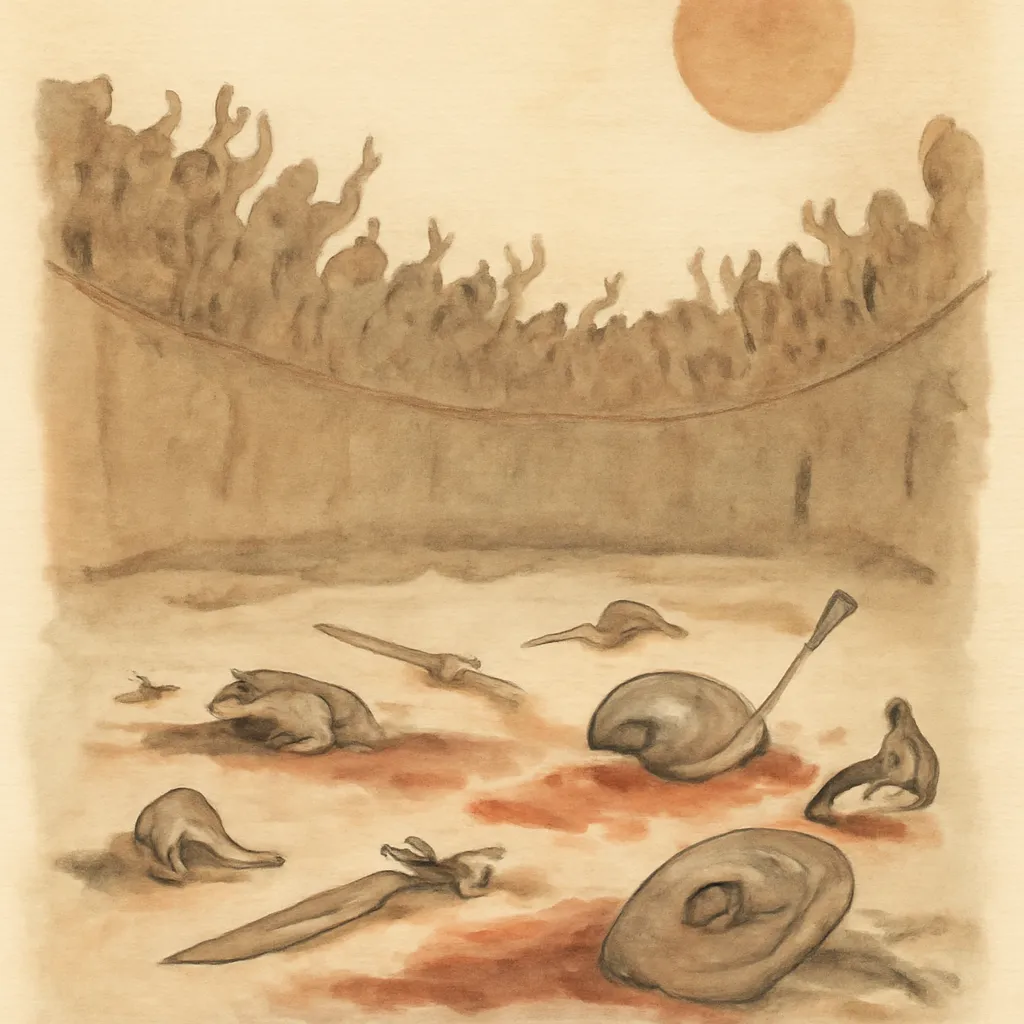
The book peels back the curtain on the early Hunger Games, exposing their raw brutality and the Capitol’s evolving methods of control. Through Snow’s role as a mentor, we see how the Games are engineered not just for entertainment, but as a tool for social dominance and psychological manipulation. The story interrogates how institutions justify cruelty and how ordinary people become complicit in systems of oppression.
3.Ambition Versus Morality
A central tension in the novel is the conflict between personal ambition and ethical boundaries. Snow’s internal struggle—balancing his desire for survival and advancement with fleeting moments of empathy—forces readers to consider how far they might go when everything is at stake. The book asks whether morality is a luxury or a necessity in a world built on scarcity and fear.
4.The Power of Performance and Perception
Songbirds and Snakes highlights the importance of image, spectacle, and narrative in shaping both individual destinies and collective memory. Snow learns early that success in the Capitol depends not just on merit, but on the ability to manipulate perception. The Games themselves become a metaphor for the performative nature of power, where reality is often less important than what people believe.
5.Love as a Catalyst and a Weapon
The relationship between Snow and his tribute, Lucy Gray Baird, is fraught with ambiguity. Love and affection are tangled with calculation and survival, blurring the line between genuine connection and strategic alliance. Collins uses their dynamic to explore how love can be both a redemptive force and a vulnerability to be exploited, raising questions about trust in a world built on betrayal.
6.Seeds of Rebellion
While the book is primarily Snow’s story, it also plants the ideological seeds that will later blossom into rebellion. Through characters like Lucy Gray and the depiction of District 12, Collins hints at the simmering unrest beneath Panem’s surface. The contrast between the Capitol’s decadence and the districts’ suffering sets the stage for the moral reckoning of the original trilogy.