1.Poetic Naturalism
Carroll introduces 'poetic naturalism' as a worldview that combines the rigor of scientific naturalism with the flexibility to use multiple ways of talking about reality. While the universe operates according to physical laws, poetic naturalism allows for different 'stories' or descriptions—like those of physics, biology, or morality—to coexist, each valid in its own context. This approach helps reconcile the impersonal nature of the cosmos with the personal meanings humans create.
2.The Laws of Physics Are Complete
A central argument is that the fundamental laws of physics, as we know them, are sufficient to explain everything that happens in the universe, from the motion of galaxies to human consciousness. Carroll contends that while there is much we don't know, there is no need to invoke supernatural explanations or forces outside the known laws. This perspective grounds his broader case for naturalism.
3.Emergence and Layers of Reality
Carroll explores how complex phenomena—like life, consciousness, and society—emerge from simple physical laws. He emphasizes that while everything is ultimately made of particles and fields, higher-level concepts (like 'life' or 'purpose') are real and meaningful in their own right. This layered view of reality allows us to talk sensibly about minds, morals, and meaning without contradicting physics.
4.Meaning Without Mysticism
Rejecting supernaturalism doesn't mean life is devoid of meaning. Carroll argues that meaning, purpose, and morality are human constructs arising from our interactions and experiences. Instead of seeking cosmic purpose, we can find significance in our relationships, achievements, and the stories we tell—embracing meaning as something we create, not something handed down from the universe.
5.Science and Philosophy as Partners
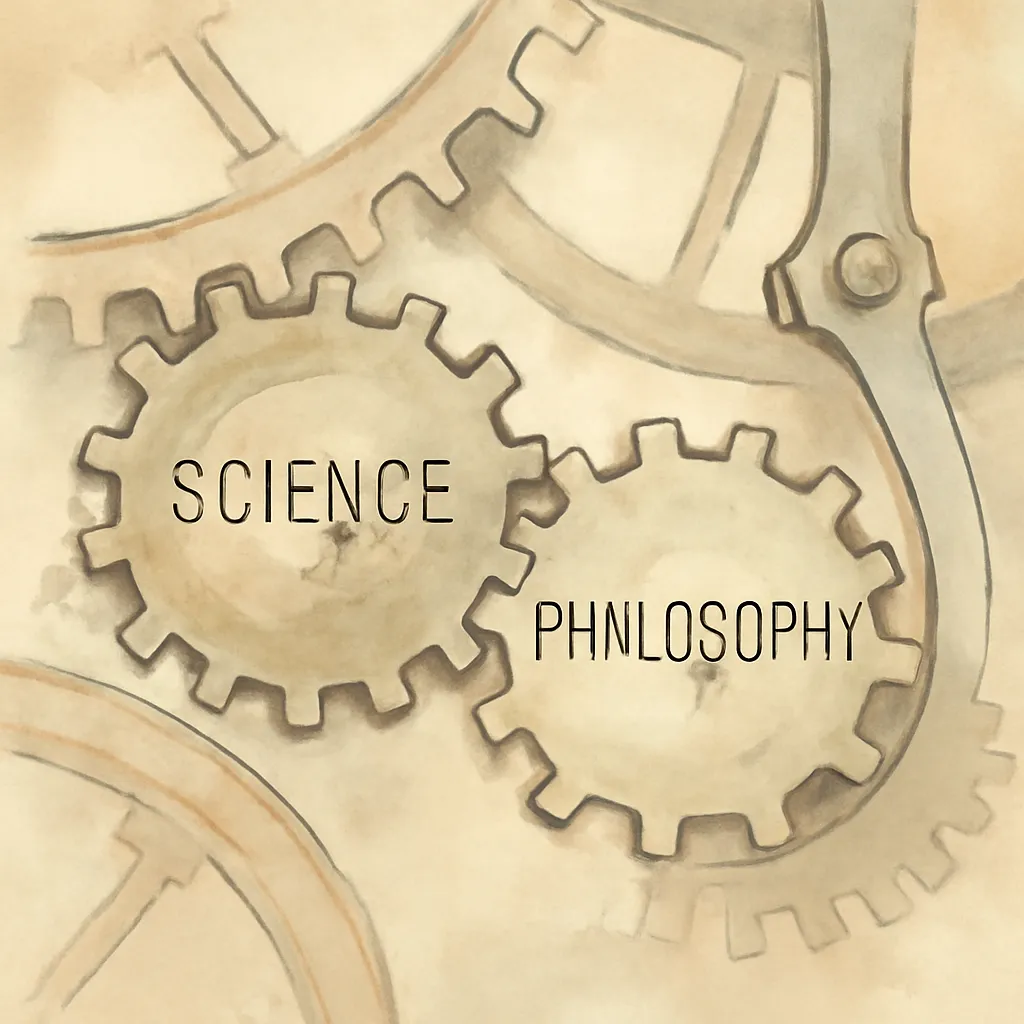
Throughout the book, Carroll champions the idea that science and philosophy are complementary tools for understanding reality. While science uncovers the workings of the natural world, philosophy helps clarify concepts, values, and the implications of scientific discoveries. He encourages readers to appreciate both disciplines in the quest for understanding.
6.The Importance of Honesty and Humility
Carroll stresses the value of intellectual humility and honesty in confronting the limits of our knowledge. He urges readers to be open to new evidence, to question assumptions, and to accept uncertainty as a natural part of inquiry. This attitude, he argues, is essential for both scientific progress and personal growth.