1.The Innocence of Cubhood
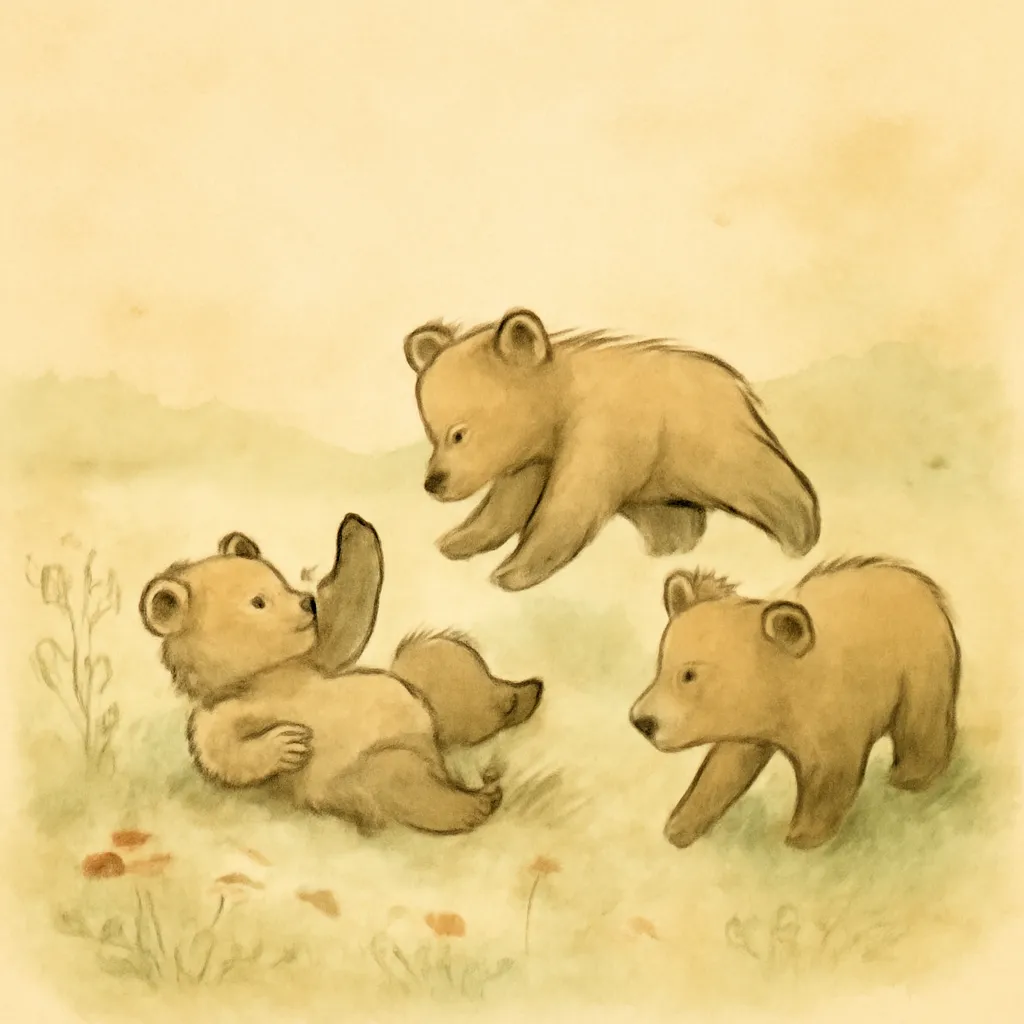
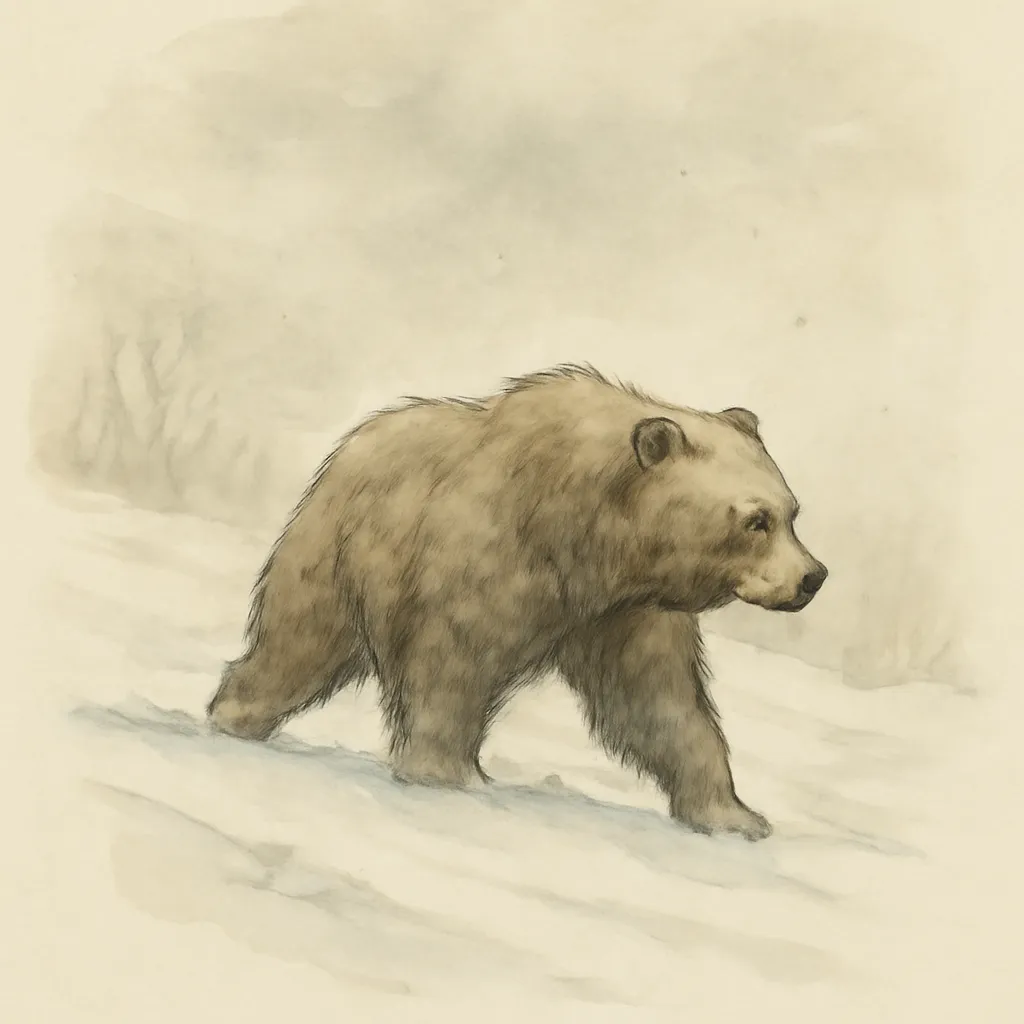
Wahb's early life begins in a rugged, remote area, where he and his siblings are born to a typical Silvertip bear mother. The cubs embody a sense of innocence and vulnerability as they explore their surroundings, delighting in the simple joys of nature such as foraging for strawberries and discovering ants under logs. Their mother is a powerful protector, and the cubs trust in her strength, unaware of the dangers that lurk in the wild. This innocence is strikingly portrayed in their playful antics, as they tumble and squeal in excitement, embodying the carefree spirit of youth. Seton captures this essence beautifully, showing how the cubs learn from their mother and each other, gaining vital skills for survival while also reveling in the pleasures of their environment. This phase of Wahb's life serves as a foundation for understanding the natural instincts that will come into play as he matures.
2.Lessons in Healing and Instinct
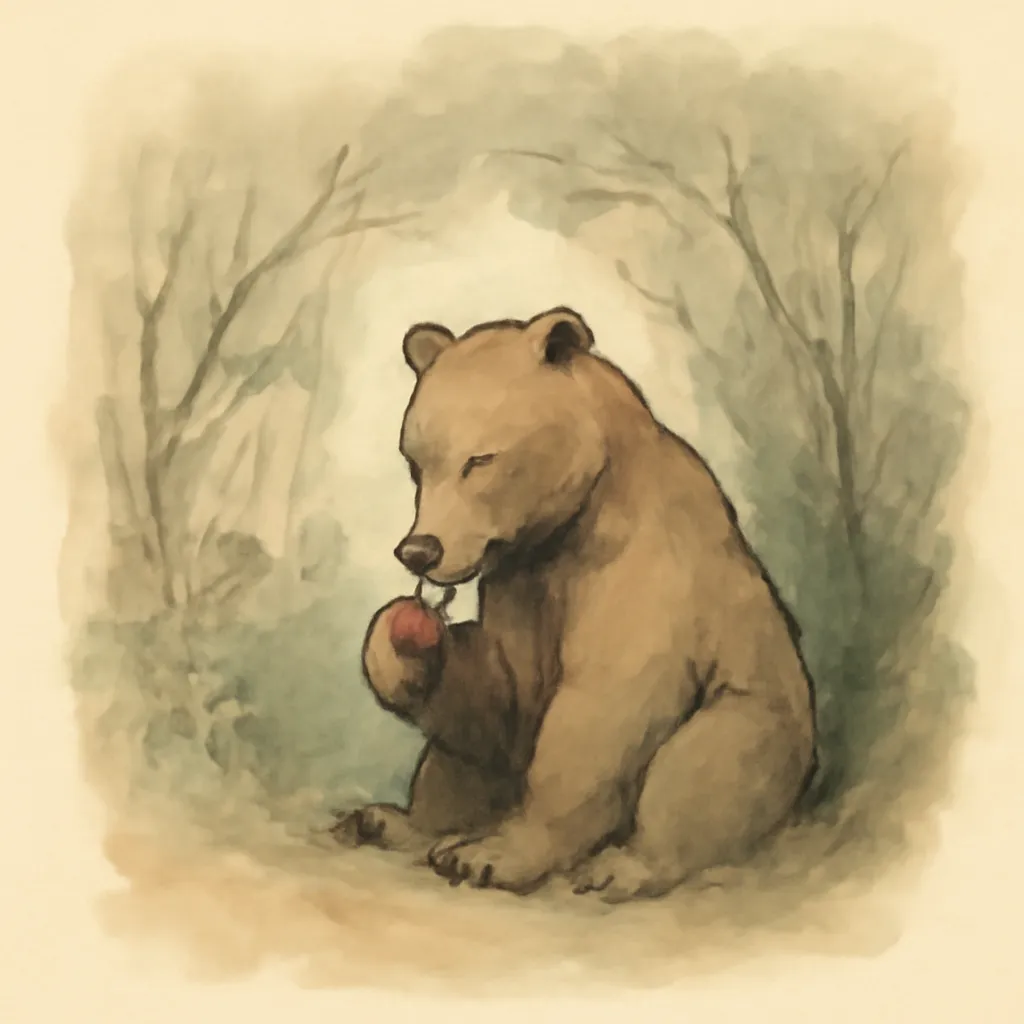
As Wahb grows, he faces his first significant challenge when he is wounded by a hunter, leading to a painful journey of healing. Seton highlights the instinctual knowledge that animals possess, as Wahb instinctively licks his wound and seeks quiet refuge to aid his recovery. This behavior illustrates not only the bear's understanding of his body but also the innate strategies that wildlife employ to cope with injury and adversity. Wahb’s actions reflect a deep connection to his natural instincts, showcasing how animals are equipped with survival skills that have been honed over generations. The narrative emphasizes the resilience of wildlife, portraying Wahb’s determination to heal and adapt in the face of danger. This instinctual wisdom serves as a testament to the power of nature and the lessons it imparts upon those who inhabit it.
3.The Fight Against Human Encroachment
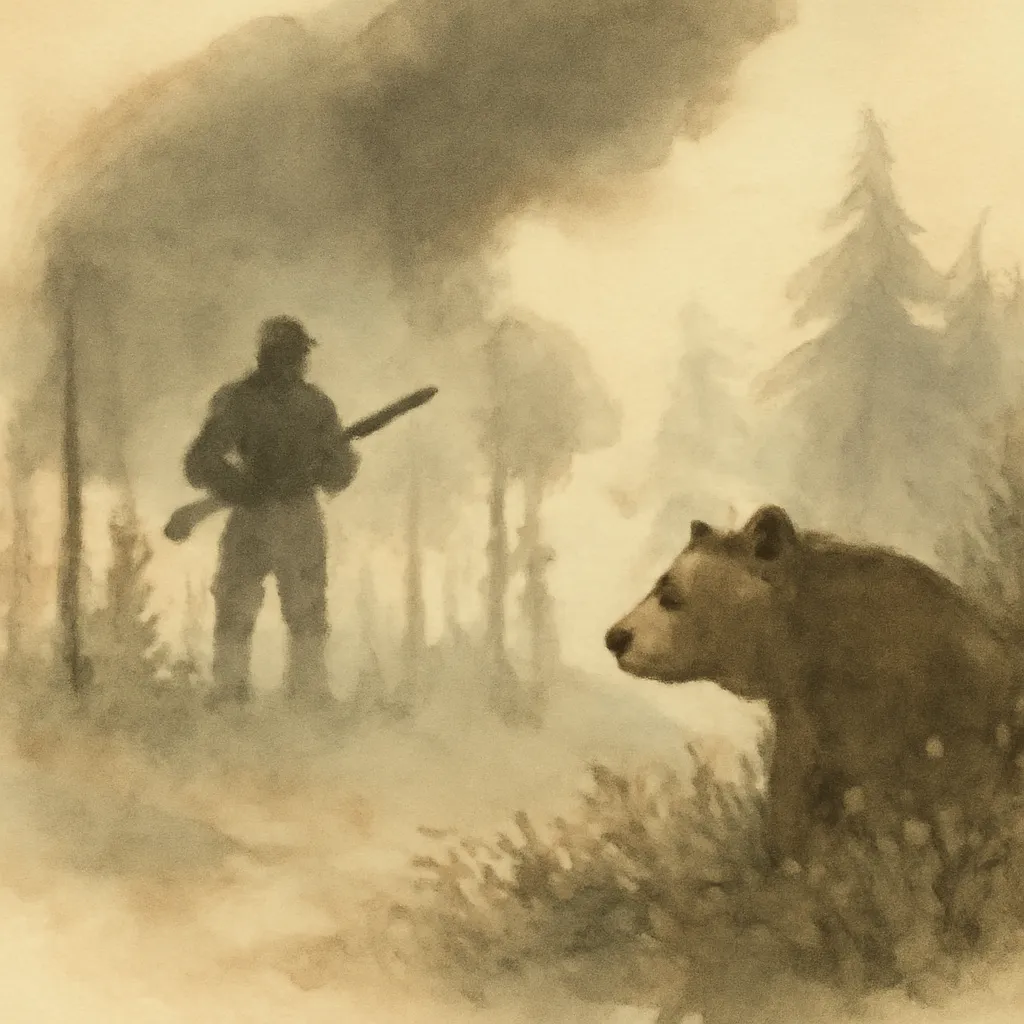
Wahb’s encounters with humans mark a turning point in his life, highlighting the tension between wildlife and human expansion. The hunter, Spahwat, represents the ever-present threat posed by humanity, as he relentlessly pursues Wahb through the wilderness. The bear’s fear of the 'horrible odor of man, iron, and guns' symbolizes the profound impact of human activity on the natural world. This conflict underscores a crucial theme in Seton's work: the struggle for survival in a landscape increasingly dominated by human interference. As Wahb navigates these encounters, he becomes more aware of the dangers that humans represent, and his instincts sharpen in response. Seton uses this narrative to reflect on the broader implications of human encroachment, urging readers to consider the consequences of their actions on the environment and the creatures that inhabit it.
4.The Complexity of Grizzly Behavior
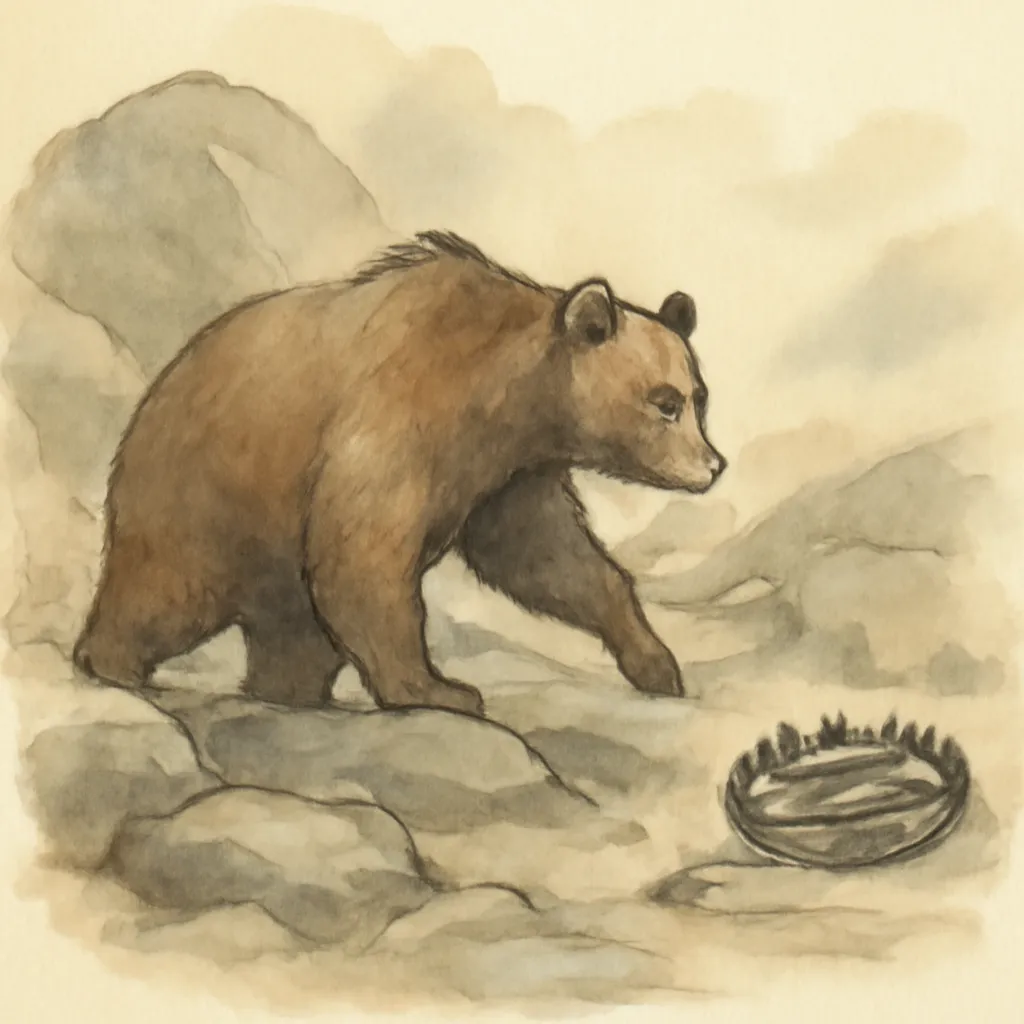
Wahb’s character evolves as he matures, showcasing the complexity of grizzly behavior and the intelligence behind their actions. Seton illustrates how Wahb learns to navigate his environment, avoiding traps and outsmarting hunters, which emphasizes the bear's cunning and adaptability. His ability to recognize and avoid danger demonstrates not only his survival instincts but also a level of intelligence that challenges common perceptions of wildlife. Wahb’s experiences reveal the intricate social structures and behaviors within the bear community, as he interacts with other animals and learns from them. This complexity highlights the idea that animals are not merely instinct-driven but are capable of learning, adapting, and exhibiting behaviors that suggest a deeper understanding of their surroundings. Seton’s portrayal of Wahb invites readers to appreciate the intelligence of wildlife and the rich tapestry of life that exists in the wilderness.
5.The Cycle of Life and Death
As Wahb ages, the narrative shifts to reflect on the natural cycle of life and death in the wilderness. Seton poignantly captures the reality that every creature plays a role in the ecosystem, and Wahb’s existence is intertwined with the lives of others. The bear’s aging process serves as a reminder of the inevitability of mortality, yet it also highlights the beauty of life’s transience. Seton explores themes of legacy and the impact one life can have on the environment, illustrating how Wahb’s actions influence the world around him. The narrative encourages readers to contemplate their own place in the cycle of life, urging a deeper appreciation for the interconnectedness of all living beings. This theme resonates with the idea that life is a continuous journey, marked by growth, change, and ultimately, a return to the earth.
6.The Importance of Territory
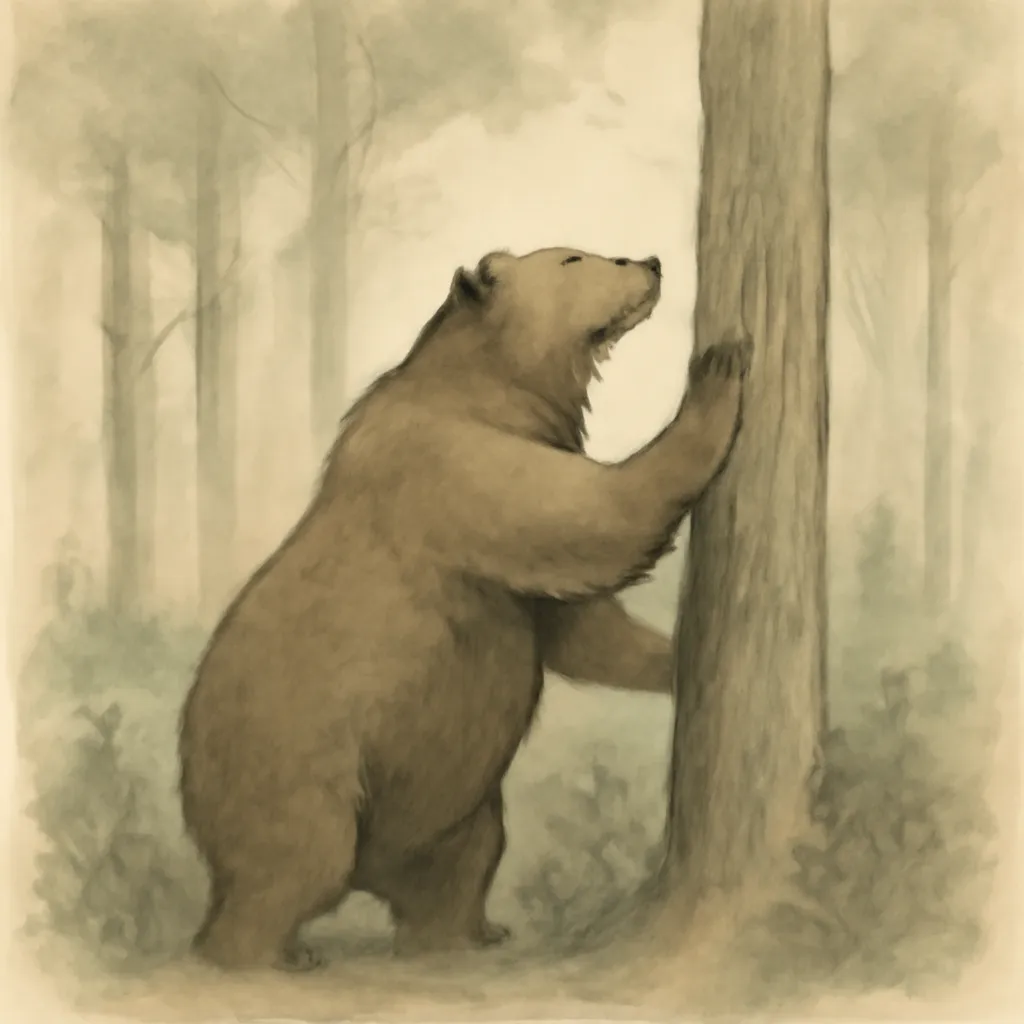
Throughout his life, Wahb exhibits a strong sense of territoriality, marking his domain and asserting his presence in the wild. Seton emphasizes the significance of territory in the lives of grizzly bears, as it provides access to resources such as food, shelter, and mates. Wahb’s meticulous renewal of his signs each spring illustrates his understanding of the importance of boundaries and the need to communicate with other bears. This behavior not only secures his survival but also reflects the broader dynamics of wildlife interactions. The narrative sheds light on the delicate balance that exists within ecosystems, where each creature plays a role in maintaining harmony. Seton’s exploration of territory serves as a metaphor for the human experience, prompting readers to consider their own relationships with space and the natural world, and the respect that must be afforded to all living beings.
7.The Connection Between Humans and Nature
Seton’s narrative ultimately reflects a profound connection between humans and nature, urging readers to recognize their responsibility toward the environment. Through Wahb's experiences, the story underscores the impact of human actions on wildlife and the importance of coexistence. The establishment of wildlife sanctuaries, like the one set aside for the Yellowstone area, symbolizes a commitment to preserving the natural world and protecting its inhabitants. Seton advocates for a harmonious relationship between humanity and nature, emphasizing that understanding and respecting wildlife is essential for the health of the planet. This call to action resonates deeply, encouraging readers to reflect on their role as stewards of the earth. The narrative serves as a powerful reminder of the interconnectedness of all living beings and the urgent need to protect the delicate balance of our ecosystems.
8.Wahb as a Symbol of Resilience
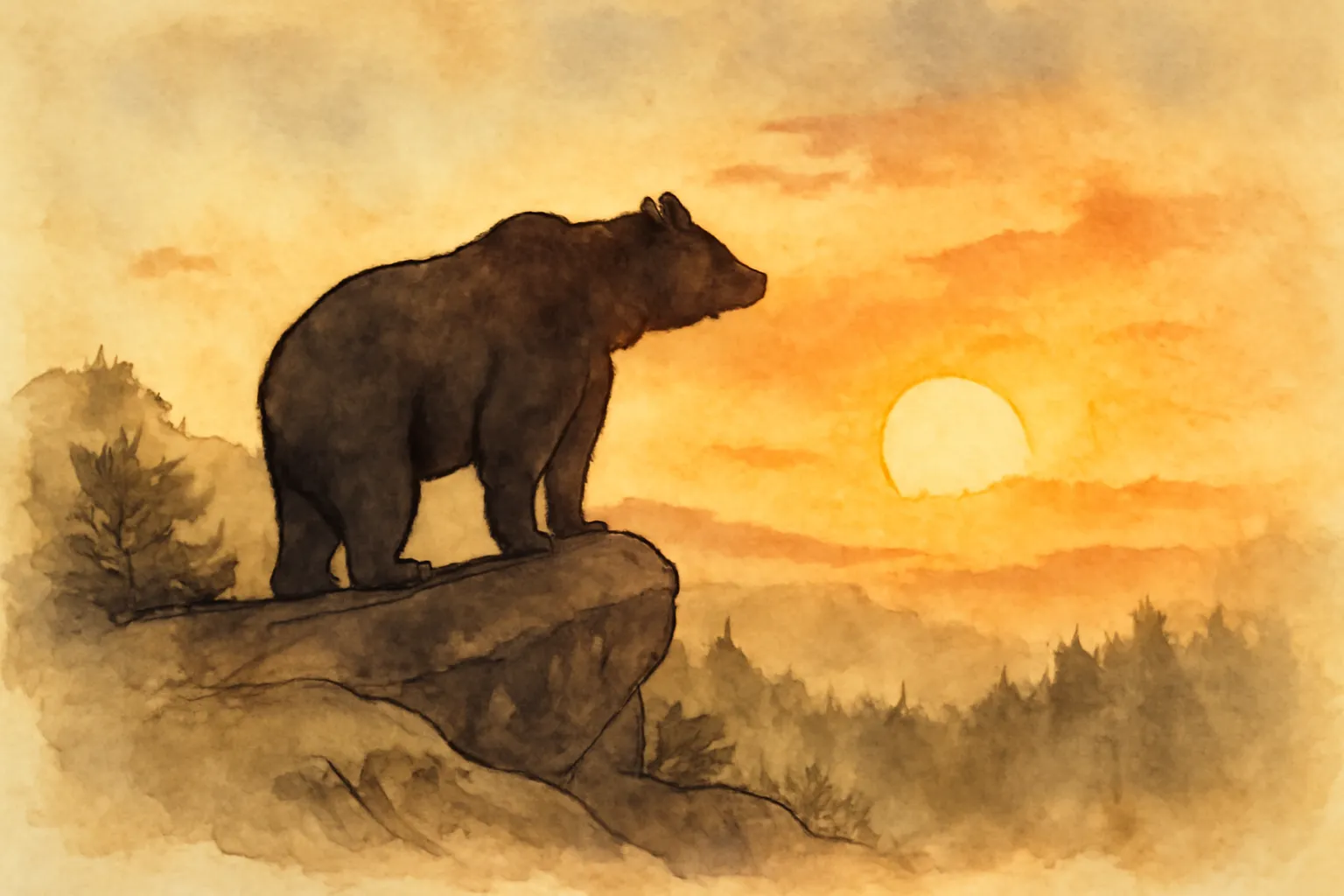
Wahb’s journey is emblematic of resilience in the face of adversity, showcasing the strength and determination inherent in wildlife. Despite the numerous challenges he encounters, including injuries and the threat of hunters, Wahb embodies the spirit of survival, refusing to succumb to fear or despair. Seton paints a portrait of a bear that, despite his physical limitations, continues to navigate the complexities of life with tenacity and courage. This resilience serves as an inspiring narrative thread, reminding readers of the power of perseverance in overcoming obstacles. Wahb’s story resonates with anyone who has faced challenges, encouraging a mindset of strength and adaptability. Through his experiences, Seton illustrates that resilience is not only a trait of wildlife but a universal quality that can be embraced by all living beings.
9.A Reflection on Nature's Majesty
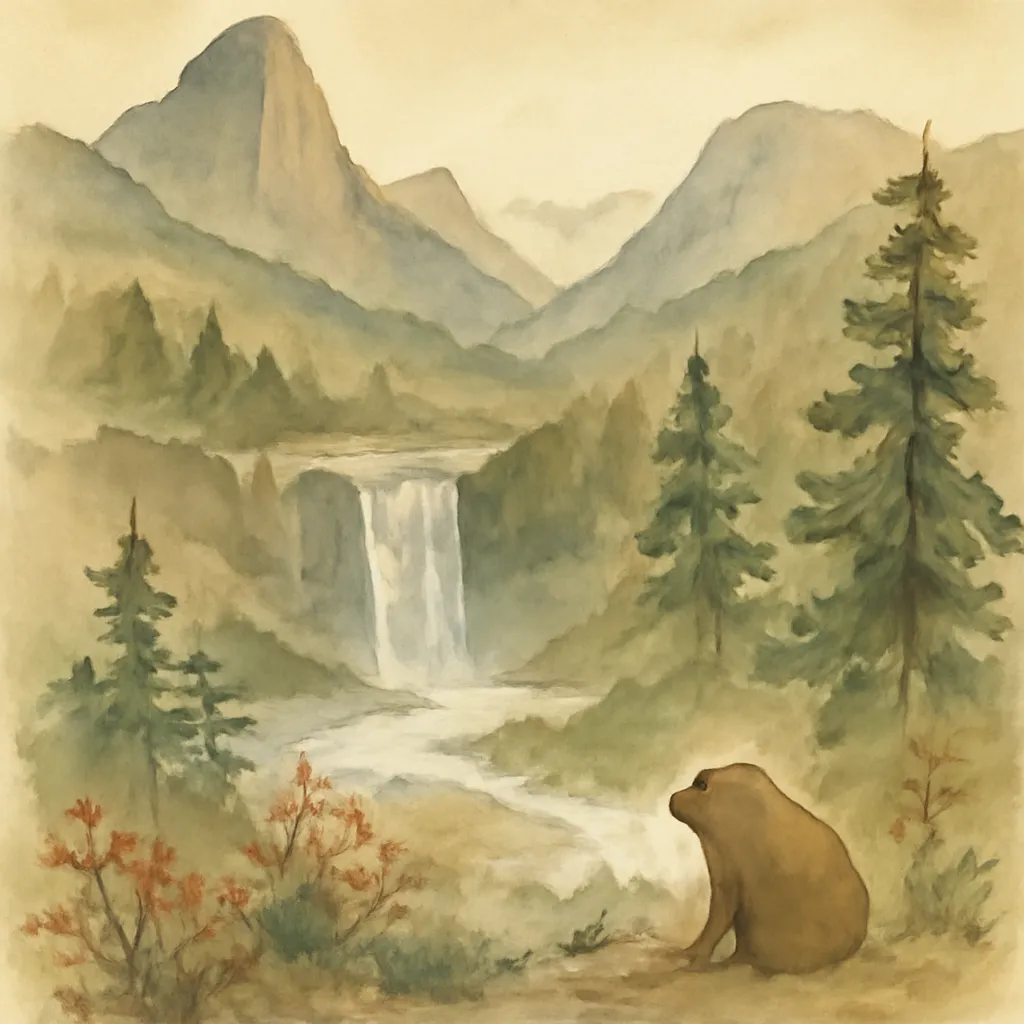
Seton’s vivid descriptions of the natural world immerse readers in the beauty and majesty of the wilderness, creating a rich backdrop for Wahb’s story. The author’s appreciation for the intricate details of the environment, from the lush landscapes to the diverse fauna, enhances the narrative and fosters a sense of wonder. This portrayal of nature serves as a reminder of the importance of preserving these wild spaces for future generations. Seton’s reverence for the natural world encourages readers to cultivate a deeper connection with their surroundings and to appreciate the beauty that exists beyond human civilization. The narrative invites reflection on the role of nature in our lives, emphasizing that the wilderness is not just a backdrop for our existence but a vital part of our collective experience. Through Wahb’s story, Seton inspires a sense of stewardship and a commitment to protecting the fragile ecosystems that sustain us.